Explore herbs biological activities

  • 11249 Plants
  • |
  • 30137 Compounds
  • |
  • 1951 Activities
  • |
  • 132161 Studies

Explore Herbs


Alphabet


Biological Activity

View all →

Bioactive Compounds

View all →

List of herbs biological activities

Showing 817-864 out of 1951 results

Antigargantitic

Antigargantic activity refers to the ability of certain medicinal herbs to reduce or prevent excessive salivation and manage symptoms associated with hypersalivation. Herbs such as Polygonum aviculare, Urtica spicata, and Persicaria hydropiper exhibit these properties, helping to regulate salivary secretions in various therapeutic applications.

Associated herbs: 35

Occurs naturally in
Polygonum aviculare
Urtica spatulata
Persicaria hydropiper
View all Antigargantitic herbs →

Antigastrisecretogogic

Antigastrisecretogogic activity refers to the ability of a substance to inhibit or reduce the secretion of gastric acid in the stomach. This biological action is clinically useful in managing conditions such as peptic ulcers and excessive stomach acidity. Herbs such as Juglans nigra, Urtica spicata, and Juglans regia are known to exhibit these properties.

Associated herbs: 10

Occurs naturally in

Juglans nigra

Urtica spatulata

Juglans regia

View all Antigastrisecretogogic herbs →

Antigastritic

Antigastritic activity refers to the ability of a substance to prevent or alleviate gastric issues, such as inflammation, excessive acid secretion, or the formation of stomach ulcers. Several medicinal herbs exhibit this property, including species such as Pimpinella aromatica, Erythrina fusca, and Croton eluteria.

Associated herbs: 480

Occurs naturally in

Pimpinella aromatica

Erythrina fusca

Croton eluteria

View all Antigastritic herbs →

Antigastrotic

Antigastric activity refers to the ability of certain plant compounds to inhibit excessive gastric acid secretion or protect the stomach lining from ulceration and irritation. Herbs such as Pimpinella aromatica, Rhus glabra, and Thymus vulgaris exhibit this biological activity, helping to maintain digestive equilibrium and prevent gastric mucosal damage.

Associated herbs: 397

Occurs naturally in

Pimpinella aromatica

Rhus glabra

Thymus vulgaris

View all Antigastrotic herbs →

Antigenic

An antigenic biological activity refers to the ability of certain substances within a plant to be recognized by the immune system as foreign, potentially triggering an immune response. This property is characteristic of various plant proteins and toxins, such as those found in Carica papaya, Ricinus communis, and Croton tiglium.

Associated herbs: 3

Occurs naturally in

Carica papaya

Ricinus communis

Croton tiglium

View all Antigenic herbs →

Antigibberellin

Antigibberellin activity refers to the ability of certain plant extracts to inhibit the synthesis or action of gibberellins, which are essential hormones responsible for promoting stem elongation and seed germination. Herbs such as Cucurbita pepo, Lagenaria siceraria, and Citrullus lanatus exhibit this property, potentially helping to regulate plant growth and prevent excessive vegetative stretching.

Associated herbs: 13

Occurs naturally in

Cucurbita pepo

Lagenaria siceraria

Citrullus lanatus

View all Antigibberellin herbs →

Antigingirrhagic

Anti-gingrrhagic activity refers to the ability of a substance to prevent or reduce excessive or irregular menstrual bleeding. Herbs such as Azadirachta indica (Neem) exhibit this biological activity by helping to regulate the menstrual cycle and manage symptoms of menorrhagia.

Associated herbs: 1

Occurs naturally in

Azadirachta indica

View all Antigingirrhagic herbs →

Antigingivitic

Anti-gingivitis refers to the biological activity of medicinal herbs that helps reduce inflammation, combat bacterial infections, and soothe irritation of the gum tissue. Common botanical examples that exhibit this property include Pimpinella aromatica, Erythrina fusca, and Thymus vulgaris.

Associated herbs: 575

Occurs naturally in

Pimpinella aromatica

Erythrina fusca

Thymus vulgaris

View all Antigingivitic herbs →

Antiglaucomic

Antiglaucomic activity refers to the ability of a substance to lower intraocular pressure, which helps prevent damage to the optic nerve associated with glaucoma. Various medicinal herbs exhibit this property, including species such as Pimpinella aromatica, Erythrina fusca, and Rhus glabra.

Associated herbs: 647

Occurs naturally in

Pimpinella aromatica

Erythrina fusca

Rhus glabra

View all Antiglaucomic herbs →

Antigliomic

Antiglioma activity refers to the ability of a substance to inhibit the growth, proliferation, or survival of glioma cells, which are highly aggressive type of brain tumor. Medicinal herbs such as Micromeria varia exhibit this biological activity by utilizing bioactive compounds to induce programmed cell death or suppress tumor signaling pathways.

Associated herbs: 128

Occurs naturally in

Micromeria ericifolia

Pimpinella aromatica

Eucalyptus siderophloia

View all Antigliomic herbs →

Antiglossitic

Antiglottic activity refers to the ability of certain medicinal substances to reduce swelling, inflammation, or congestion within the glottis and surrounding throat tissues. Herbs such as Erythrina fusca, Thymus vulgaris, and Allium ampeloprasum exhibit this property, helping to soothe the upper airway and alleviate respiratory discomfort.
Associated herbs: 366

Occurs naturally in

Erythrina fusca

Thymus vulgaris

Allium ampeloprasum

View all Antiglossitic herbs →

Antiglucogenic

Antiglucogenic activity refers to the ability of a substance to inhibit gluconeogenesis, which is the metabolic process where the liver produces glucose from non-carbohydrate sources. By suppressing this production, certain medicinal herbs can help maintain stable blood sugar levels and prevent hyperglycemia. An example of a plant with this biological activity is Stevia rebaudiana.
Associated herbs: 1

Occurs naturally in

Stevia rebaudiana

View all Antiglucogenic herbs →

Antiglutamaergic

Anti-glutamaergic activity refers to the ability of a substance to inhibit or modulate the effects of glutamate, the primary excitatory neurotransmitter in the central nervous system, to prevent neuronal overexcitation. This mechanism is often studied for its potential to protect against neurotoxicity and manage conditions like epilepsy or anxiety, with herbs such as Pimpinella aromatica, Eucalyptus siderophloia, and Thymus vulgaris demonstrating this property.

Associated herbs: 133

Occurs naturally in

Pimpinella aromatica

Eucalyptus siderophloia

Thymus vulgaris

View all Antiglutamaergic herbs →

Antiglycosation

Antiglycation refers to the biological ability of a substance to inhibit the non-enzymatic reaction between reducing sugars and proteins, which prevents the formation of harmful advanced glycation end-products (AGEs). Various medicinal herbs, such as Foeniculum vulgare, Helianthus annuus, and Frangula alnus, exhibit this activity, making them potential agents for managing complications related to high blood sugar.

Associated herbs: 30

Occurs naturally in

Foeniculum vulgare

Helianthus annuus

Frangula alnus

View all Antiglycosation herbs →

Antiglycosuric

Antiglycosuric activity refers to the ability of a substance to lower blood glucose levels by inhibiting the absorption of sugars or improving insulin sensitivity. Medicinal herbs such as Rhus glabrum, Thymus vulgaris, and Cinnamomum aromaticum exhibit this biological activity, making them potential agents in managing diabetes.

Associated herbs: 188

Occurs naturally in

Rhus glabra

Thymus vulgaris

Cinnamomum aromaticum

View all Antiglycosuric herbs →

Antigoiter

Anti-goiter activity refers to the ability of certain medicinal herbs to prevent or treat an enlarged thyroid gland by providing essential nutrients, such as iodine, necessary for healthy hormone production. Examples of plants exhibiting this biological activity include Lepidium meyenii, Rhus glabra, and Cinnamomum aromaticum.

Associated herbs: 72

Occurs naturally in

Rhus glabra

Lepidium meyenii

Cinnamomum aromaticum

View all Antigoiter herbs →

Antigonadotrophic

Antigonadotropic activity refers to the ability of a substance to inhibit or suppress the secretion of gonadotropins, which are the hormones responsible for regulating the reproductive system. Certain medicinal herbs, such as Pimpinella aromatica, Sarracenia flava, and Thymus vulgaris, are studied for their potential to exert this inhibitory effect on reproductive functions.

Associated herbs: 409

Occurs naturally in

Pimpinella aromatica

Sarracenia flava

Thymus vulgaris

View all Antigonadotrophic herbs →

Antigonadotropic

Antigonadotropic activity refers to the biological ability of certain substances to inhibit or suppress the functions of the gonads, thereby reducing the production of sex hormones. Herbs such as Pimpinella aromatica, Thymus vulgaris, and Allium ampeloprasum have been studied for their potential to exert this inhibitory effect on the reproductive endocrine system.

Associated herbs: 398

Occurs naturally in

Pimpinella aromatica

Thymus vulgaris

Allium ampeloprasum

View all Antigonadotropic herbs →

Antigranular

The term "antigranular" refers to the biological ability of certain substances to prevent or inhibit the formation of granules, particularly in the context of cellular processes or the accumulation of metabolic byproducts. Medicinal herbs such as Pimpinella aromatica, Thymus vulgaris, and Allium ampeloprasum exhibit this activity, helping to regulate cellular structures and prevent abnormal granular buildup.

Associated herbs: 303

Occurs naturally in

Pimpinella aromatica

Thymus vulgaris

Allium ampeloprasum

View all Antigranular herbs →

Antigranulocytopenic

Antigranulocytopenic activity refers to the ability of a substance to prevent or reverse a reduction in the number of granulocytes, a type of white blood cell essential for the immune response. Medicinal herbs such as Oryza sativa, Crataegus monogyna, and Medicago sativa exhibit this property by helping to restore healthy leukocyte levels in the blood.

Associated herbs: 29

Occurs naturally in

Oryza sativa

Crataegus monogyna

Medicago sativa

View all Antigranulocytopenic herbs →

Antigrey

Anti-grey biological activity refers to the ability of certain botanical extracts to prevent or reverse the loss of melanin in hair follicles, thereby delaying the onset of greying. Herbs such as Allium ampeloprasum, Annona muricata, and Cinnamomum aromaticum are studied for their potential to maintain hair pigmentation through antioxidant and restorative properties.

Associated herbs: 121

Occurs naturally in

Allium ampeloprasum

Annona muricata

Cinnamomum aromaticum

View all Antigrey herbs →

Antihalitosic

Antihalitosic activity refers to the ability of a substance to reduce or eliminate bad breath by neutralizing odor-causing bacteria or masking unpleasant scents in the oral cavity. Herbs such as Elsholtzia cinerea, Pimpinella aromatica, and Elsholtzia pilosa exhibit this property, helping to maintain oral hygiene and freshness.

Associated herbs: 276

Occurs naturally in

Elsholtzia ciliata

Pimpinella aromatica

Elsholtzia pilosa

View all Antihalitosic herbs →

Antihangover

Anti-hangover activity refers to the ability of certain herbal compounds to mitigate the physiological symptoms of alcohol withdrawal, such as headaches, nausea, and cognitive impairment, by supporting liver detoxification or stabilizing neurochemistry. Medicinal plants like Pimpinella aromatica, Erythrina fusca, and Rhus glabra exhibit this biological activity by helping to accelerate the metabolic clearance of acetaldehyde and restoring systemic equilibrium.

Associated herbs: 588

Occurs naturally in

Pimpinella aromatica

Erythrina fusca

Rhus glabra

View all Antihangover herbs →

Antiheartburn

Antiheartburn activity refers to the ability of medicinal herbs to alleviate symptoms of acid reflux and gastric discomfort by neutralizing excess stomach acid or soothing the esophageal lining. Examples of plants exhibiting this biological activity include Erythrina fusca, Thymus vulgaris, and Allium ampeloprasum.

Associated herbs: 347

Occurs naturally in

Erythrina fusca

Thymus vulgaris

Allium ampeloprasum

View all Antiheartburn herbs →

Antihematomic

Antihematomic activity refers to the ability of a substance to reduce the formation of blood clots or prevent excessive internal bleeding by improving blood flow and vessel integrity. Herbs such as Aesculus hippocastanum (Horse Chestnut) exhibit this property by strengthening capillary walls and reducing blood viscosity.

Associated herbs: 1

Occurs naturally in

Aesculus hippocastanum

View all Antihematomic herbs →

Antihematuric

Antihematuric activity refers to the ability of a substance to reduce or prevent the presence of blood in the urine (hematuria). Medicinal herbs such as Pimpinella aromatica, Erythroxylum novogranatense, and Rheum officinale possess these properties and are used to alleviate symptoms associated with urinary tract bleeding.

Associated herbs: 174

Occurs naturally in

Pimpinella aromatica

Erythroxylum novogranatense

Rheum officinale

View all Antihematuric herbs →

Antihemophilic

Antihemophilic activity refers to the ability of certain medicinal herbs to prevent excessive bleeding or promote proper blood clotting mechanisms. Examples of herbs exhibiting this biological activity include Pinus sylvestris, Punica granatum, and Vitex agnus-castus.

Associated herbs: 3

Occurs naturally in

Pinus sylvestris

Punica granatum

Vitex agnus-castus

View all Antihemophilic herbs →

Antihepatitic

Antihepatitic activity refers to the ability of certain substances to protect the liver from damage or to aid in its recovery from inflammation and injury. Medicinal herbs such as Pimpinella aromatica, Erythrina fusca, and Thymus vulgaris exhibit this property by helping to preserve hepatic function and reduce liver toxicity.

Associated herbs: 456

Occurs naturally in

Pimpinella aromatica

Erythrina fusca

Thymus vulgaris

View all Antihepatitic herbs →

Antihepatoadenomic

Antihepatoadenomic activity refers to the ability of certain substances to inhibit the abnormal growth and proliferation of cells within the liver tissue. Herbs such as Pimpinella aromatica, Thymus vulgaris, and Allium ampeloprasum exhibit this biological activity, potentially helping to prevent or manage liver-related tumors.

Associated herbs: 211

Occurs naturally in

Pimpinella aromatica

Thymus vulgaris

Allium ampeloprasum

View all Antihepatoadenomic herbs →

Antihepatoglycogenic

Antihepatoglycogenic activity refers to the ability of a substance to inhibit or reduce the production and storage of glycogen within the liver. This biological action is often studied for its potential to help manage blood glucose levels by limiting the liver's contribution to systemic sugar stores. An example of an herb exhibiting this activity is Panax quinquefolius (American ginseng).

Associated herbs: 1

Occurs naturally in

Panax quinquefolius

View all Antihepatoglycogenic herbs →

Antihepatometabolic

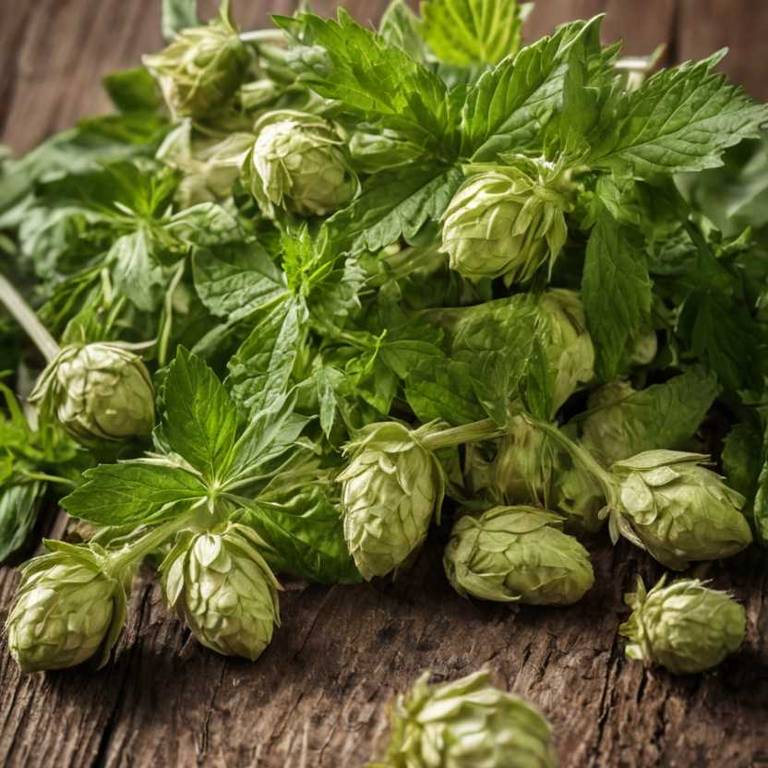
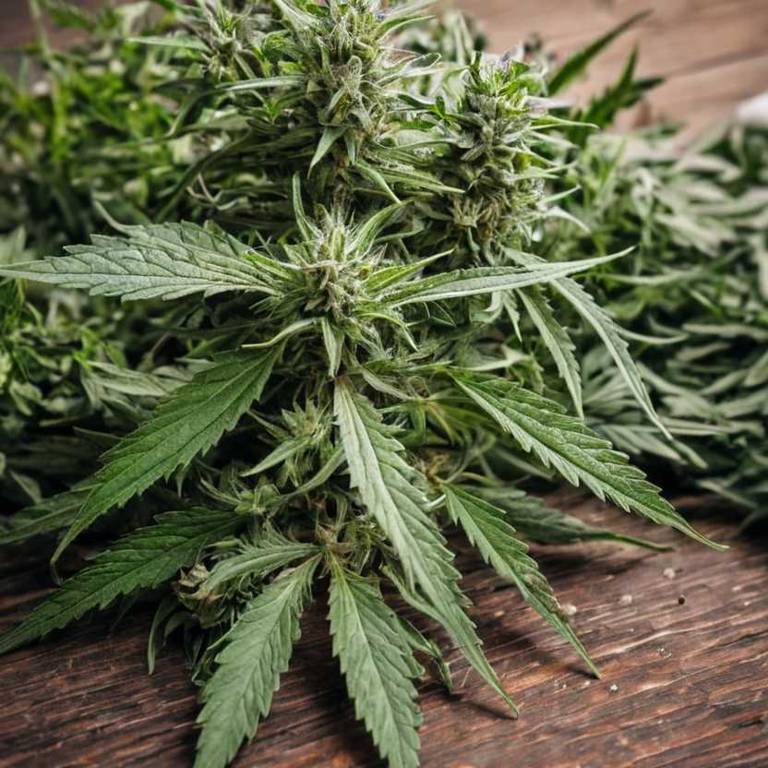
Antihepatometabolic activity refers to the ability of a substance to regulate and improve metabolic processes within the liver, such as lipid metabolism and glucose regulation. Herbs such as Humulus lupulus (hops) and Cannabis sativa exhibit this activity by helping to stabilize hepatic functions and manage metabolic dysfunction.

Associated herbs: 2

Occurs naturally in

Humulus lupulus

Cannabis sativa

View all Antihepatometabolic herbs →

Antihepatomic

Antihepatoprotective activity refers to the ability of a substance to protect liver cells from damage caused by toxins, inflammation, or oxidative stress. Herbs such as Pimpinella aromatica, Thymus vulgaris, and Allium ampeloprasum exhibit this property by helping to maintain liver function and promote cellular repair.

Associated herbs: 117

Occurs naturally in

Pimpinella aromatica

Thymus vulgaris

Allium ampeloprasum

View all Antihepatomic herbs →

Antihepatotic

Antihepatotic activity refers to the ability of a substance to protect the liver from damage or to assist in its repair and functional recovery. Herbs such as Pimpinella aromatica, Ferula gummosa, and Thymus vulgaris exhibit this property by helping to mitigate liver inflammation and oxidative stress.

Associated herbs: 237

Occurs naturally in

Pimpinella aromatica

Ferula gummosa

Thymus vulgaris

View all Antihepatotic herbs →

Antiherpetic?

Antiherpetic activity refers to the ability of a substance to inhibit the replication or spread of herpes viruses, such as Herpes Simplex Virus (HSV). Various medicinal herbs exhibit this property, including Pimpinella aromatica, Rhus glabra, and Thymus vulgaris.

Associated herbs: 380

Occurs naturally in

Pimpinella aromatica

Rhus glabra

Thymus vulgaris

View all Antiherpetic? herbs →

Antihiccup

Certain medicinal herbs possess antihiperic (anti-hiccup) biological activity by helping to relax the diaphragm or soothe the digestive tract to stop involuntary spasms. Examples of plants known for this calming effect include Allium ampeloprasum, Annona muricata, and Santalum album.

Associated herbs: 168

Occurs naturally in

Allium ampeloprasum

Annona muricata

Santalum album

View all Antihiccup herbs →

Antihistamine

Antihistamines are substances that inhibit the effects of histamine, a chemical released by the immune system that triggers allergic symptoms like itching, swelling, and sneezing. Various medicinal plants, such as Zingiber cassumunar, exhibit this biological activity by helping to stabilize mast cells and reduce the inflammatory response.

Associated herbs: 1

Occurs naturally in

Zingiber purpureum

View all Antihistamine herbs →

Antihistoplasmic

Antihistaminic activity refers to the ability of a substance to inhibit the release or action of histamine, thereby reducing symptoms of allergic reactions such as inflammation, itching, and swelling. Various medicinal herbs possess this property, such as Vanilla planifolia and Artemisia absinthium, which can help stabilize mast cells to prevent the allergic response.

Associated herbs: 1

Occurs naturally in

Vanilla planifolia

View all Antihistoplasmic herbs →

Antihistoplasmotic

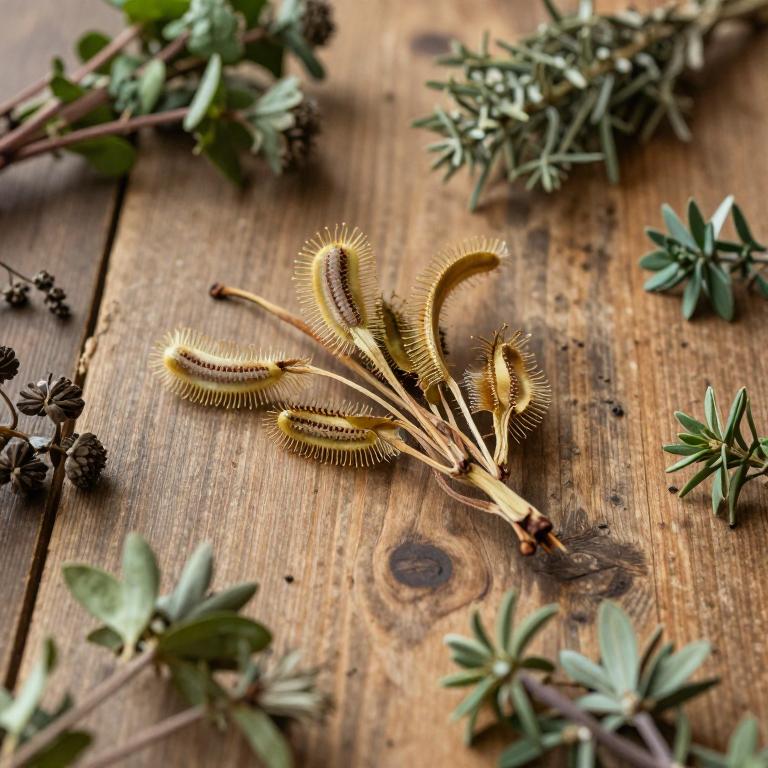
Antihistoplasmotic activity refers to the ability of certain substances to inhibit the growth or spread of Histoplasma capsulatum, a fungus responsible for causing histoplasmosis. Herbs such as Juglans nigra, Juglans regia, and Dioscorea muscipula exhibit this biological activity, demonstrating potential antifungal properties against this specific pathogen.

Associated herbs: 3

Occurs naturally in

Juglans nigra

Juglans regia

Dionaea muscipula

View all Antihistoplasmotic herbs →

Antihomocysteine

Anti-homocysteinemia refers to the biological ability of certain substances to lower elevated levels of homocysteine in the blood, thereby reducing the risk of cardiovascular diseases and neurological complications. Medicinal herbs such as Pimpinella aromatica, Peumus boldus, and Foeniculum vulgare exhibit this activity by supporting metabolic pathways that regulate amino acid processing.

Associated herbs: 136

Occurs naturally in

Pimpinella aromatica

Peumus boldus

Foeniculum vulgare

View all Antihomocysteine herbs →

Antihomocystinuric

Antihomocysteinuric activity refers to the ability of a substance to lower the levels of homocysteine in the blood, thereby reducing the risk of cardiovascular diseases and neurological damage. Certain medicinal herbs, such as Croton tiglium (often associated with Croton eluateria), Thymus vulgaris, and Melia azedarach, have demonstrated this capacity to regulate amino acid metabolism.

Associated herbs: 152

Occurs naturally in

Croton eluteria

Thymus vulgaris

Melia azedarach

View all Antihomocystinuric herbs →

Antihydrathritic

Antihydrathritic activity refers to the ability of a substance to reduce excessive sweating by inhibiting the overactivity of sweat glands. Herbs such as Aesculus hippocastanum (Horse Chestnut) exhibit this property, helping to manage conditions characterized by hyperhidrosis.

Associated herbs: 1

Occurs naturally in

Aesculus hippocastanum

View all Antihydrathritic herbs →

Antihydrocoele

Antihydrocoeole refers to the biological ability of certain substances to prevent or reduce the abnormal accumulation of serous fluid within body cavities, such as the abdomen or joints. Medicinal herbs like Santalum album, Cinnamomum aromaticum, and Pinus sylvestris exhibit this activity by helping to regulate fluid balance and reduce inflammatory swelling.

Associated herbs: 37

Occurs naturally in

Santalum album

Cinnamomum aromaticum

Pinus sylvestris

View all Antihydrocoele herbs →

Antihydrophobic

Antihydrophobic activity refers to the ability of certain biological compounds to reduce the surface tension of water, thereby enhancing the solubility and absorption of hydrophobic substances. Medicinal herbs such as Pimpinella aromatica, Magnolia denudata, and Melia azedarach contain bioactive constituents that exhibit this property, facilitating better interaction between the plant extracts and aqueous biological systems.

Associated herbs: 260

Occurs naturally in

Pimpinella aromatica

Magnolia denudata

Melia azedarach

View all Antihydrophobic herbs →

Antihyperactivity

Antihyperactivity refers to the biological ability of certain medicinal herbs to reduce excessive or abnormal physical and mental activity, helping to restore calm and behavioral stability. Examples of plants exhibiting this calming effect include Erythrina fusca, Thymus vulgaris, and Allium ampeloprasum.

Associated herbs: 355

Occurs naturally in

Erythrina fusca

Thymus vulgaris

Allium ampeloprasum

View all Antihyperactivity herbs →

Antihyperammonemic

Antihyperammonemic activity refers to the ability of a substance to reduce elevated levels of ammonia in the blood, which is crucial for preventing neurotoxicity and supporting liver function. Medicinal herbs such as Allium ampeloprasum, Lepidium meyenii, and Melia azedarach exhibit this property by helping to regulate nitrogen metabolism and detoxify harmful ammonia compounds.

Associated herbs: 160

Occurs naturally in

Allium ampeloprasum

Lepidium meyenii

Melia azedarach

View all Antihyperammonemic herbs →

Antihyperkeratotic

Antihyperkeratotic activity refers to the ability of a substance to reduce the excessive accumulation of keratin, thereby helping to soften and thin thickened or scaly skin. Herbs such as Erythrina fusca, Thymus vulgaris, and Allium ampeloprasum exhibit this property, making them useful in treating conditions characterized by abnormal skin thickening.

Associated herbs: 371

Occurs naturally in

Erythrina fusca

Thymus vulgaris

Allium ampeloprasum

View all Antihyperkeratotic herbs →

Antihyperkinetic

Antihyperkinetic activity refers to the ability of a substance to reduce excessive or irregular movements, such as spasms or hyperactive motor responses, often by calming the central nervous system or regulating muscle contractions. Medicinal herbs like Pimpinella aromatica, Erythrina fusca, and Rhus glabra exhibit this property, helping to stabilize bodily functions and alleviate restlessness or agitation.

Associated herbs: 565

Occurs naturally in

Pimpinella aromatica

Erythrina fusca

Rhus glabra

View all Antihyperkinetic herbs →

Antihyperleptinemic

Antihyperleptinemic activity refers to the ability of a substance to reduce abnormally high levels of leptin, a hormone that regulates energy balance and appetite. Herbs such as Dianthus caryophyllus, Kalanchoe gastonis-bonnierii, and Sauvagesia erecta exhibit this property, potentially helping to manage obesity and leptin resistance.

Associated herbs: 24

Occurs naturally in

Dianthus caryophyllus

Kalanchoe gastonis-bonnieri

Sauvagesia erecta

View all Antihyperleptinemic herbs →