Explore herbs biological activities

  • 11249 Plants
  • |
  • 30137 Compounds
  • |
  • 1951 Activities
  • |
  • 132161 Studies

Explore Herbs


Alphabet


Biological Activity

View all →

Bioactive Compounds

View all →

List of herbs biological activities

Showing 769-816 out of 1951 results

Antidysphagic

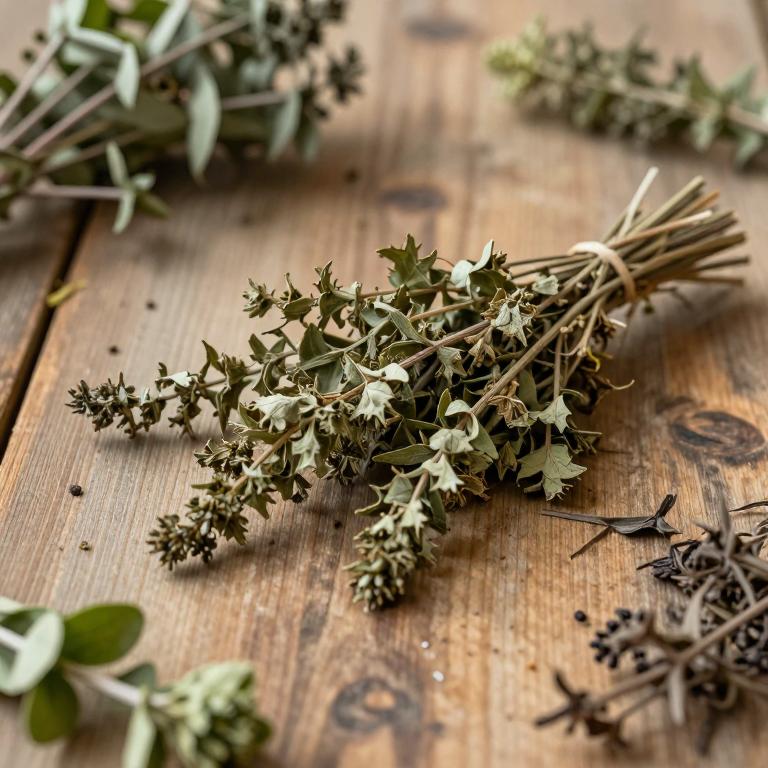
Antidysphagic activity refers to the ability of certain medicinal herbs to alleviate or prevent dysphagia, which is the medical term for difficulty in swallowing. Herbs such as Erythrina fusca, Thymus vulgaris, and Allium ampeloprasum exhibit these properties by helping to soothe the throat or improve the neuromuscular coordination required for swallowing.

Associated herbs: 355

Occurs naturally in
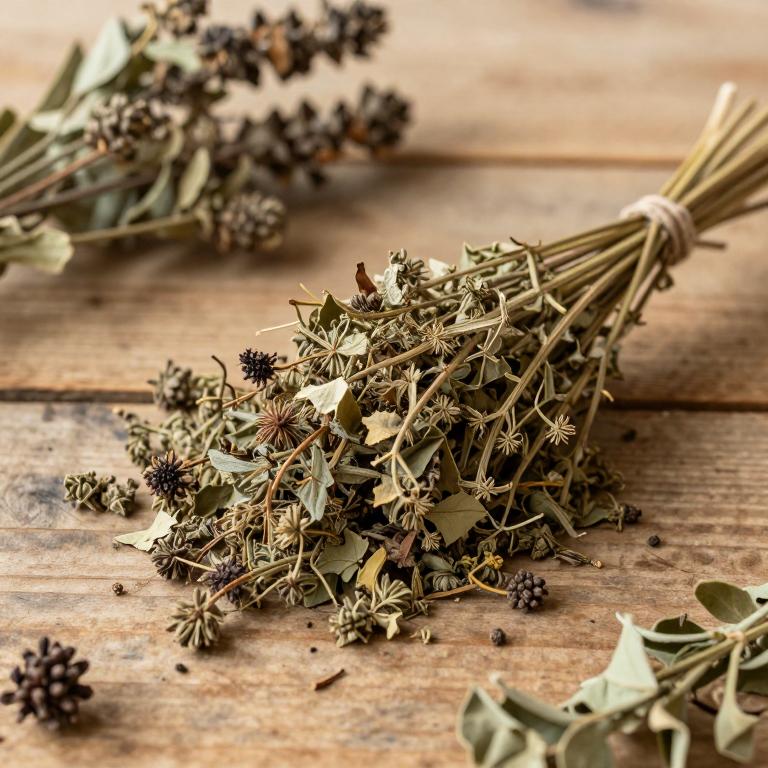
Erythrina fusca
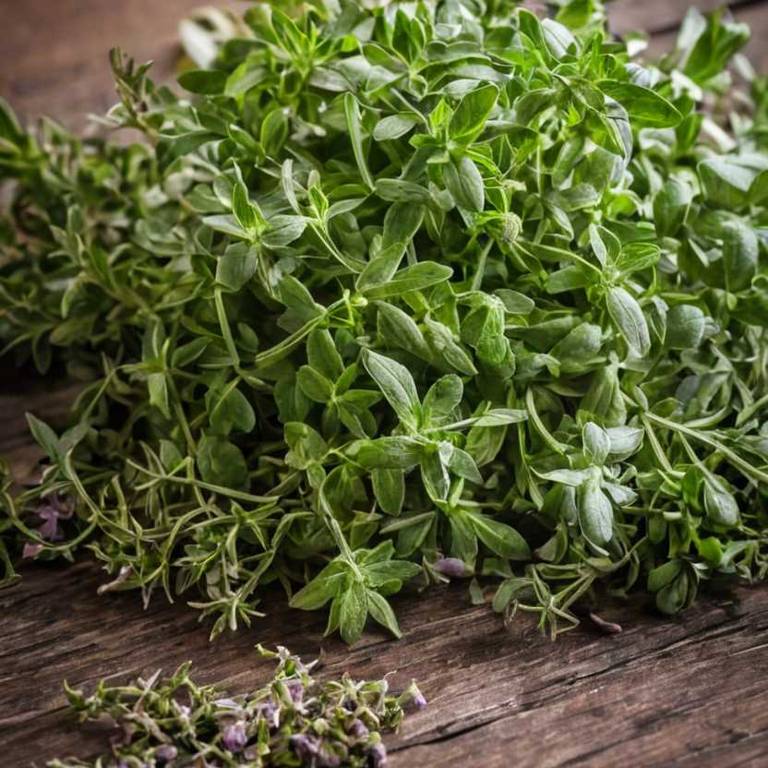
Thymus vulgaris
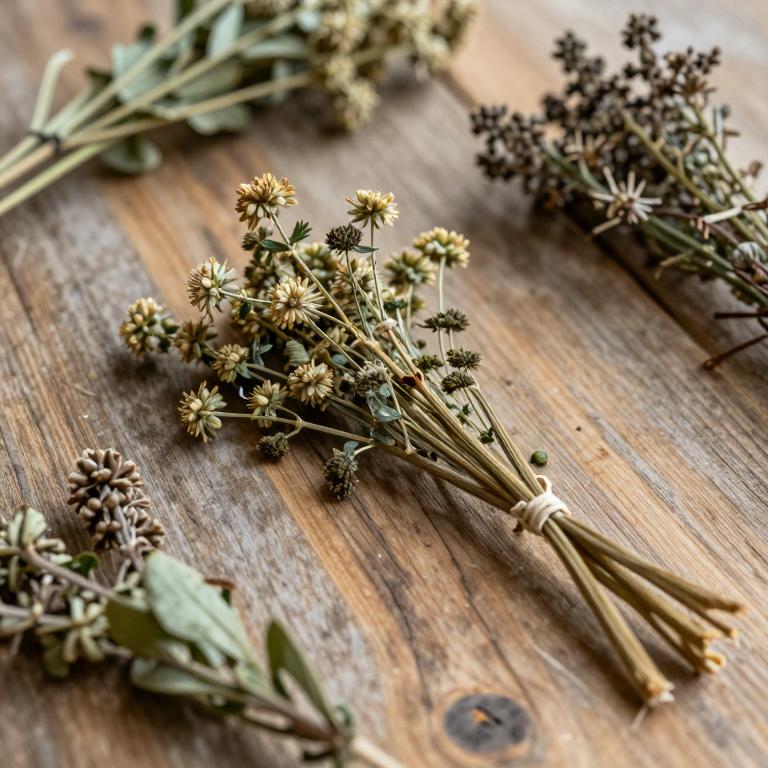
Allium ampeloprasum
View all Antidysphagic herbs →

Antidysuric

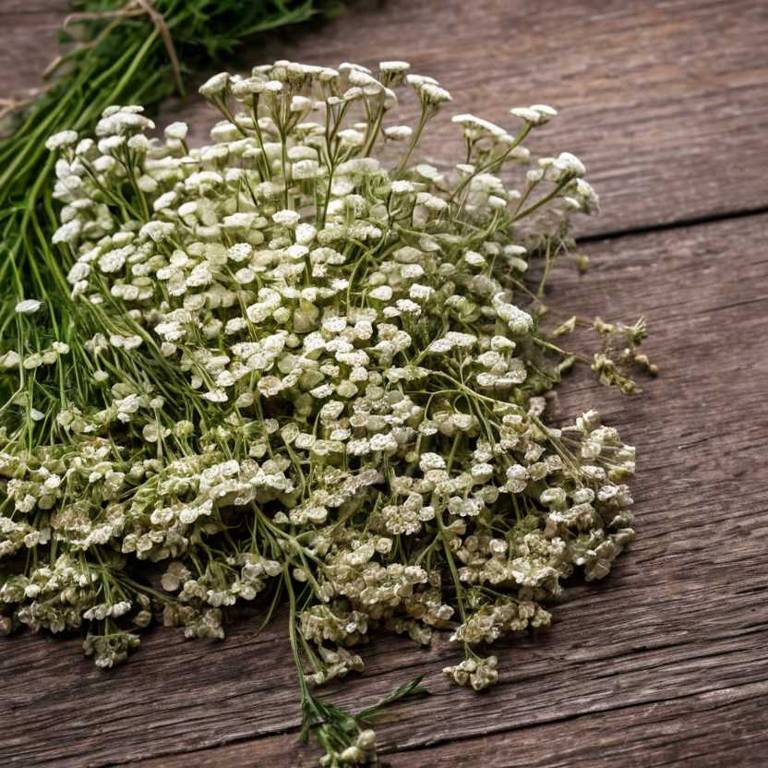
Antidysuric activity refers to the ability of a substance to alleviate or prevent dysuria, which is the painful or difficult urination often caused by urinary tract infections or inflammation. Herbs such as Achillea millefolium (Yarrow) possess this property, helping to soothe the urinary tract and reduce discomfort during urination.

Associated herbs: 1

Occurs naturally in

Achillea millefolium

View all Antidysuric herbs →

Antiear-wax

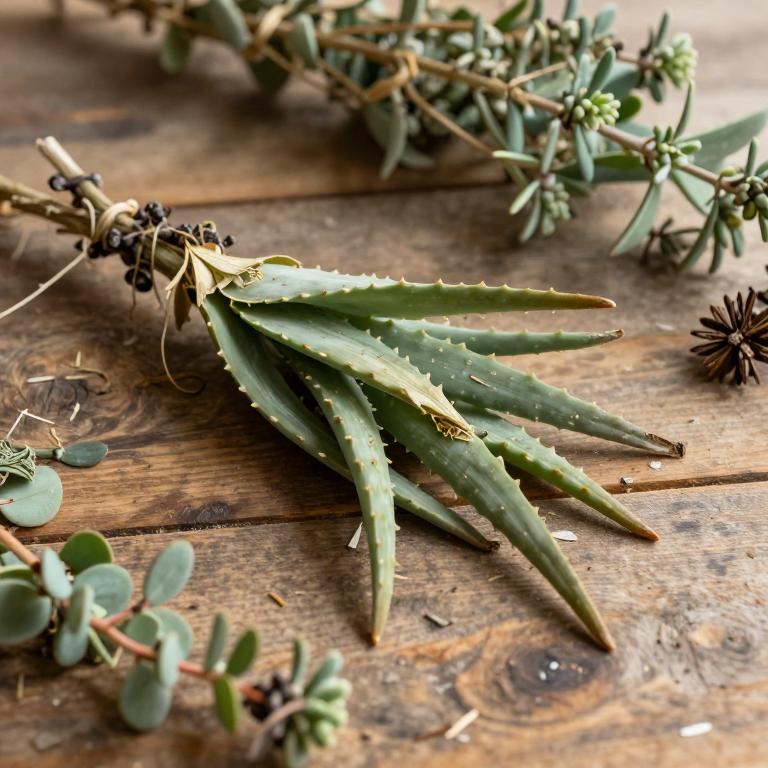
Anti-earwax activity refers to the ability of certain medicinal herbs to soften, loosen, or facilitate the removal of accumulated cerumen from the ear canal. Herbs such as Aloe succotrina, Urtica spicata, and Chrysopogon zizanioides exhibit this property, making them useful in traditional remedies for managing ear obstructions.

Associated herbs: 10

Occurs naturally in

Aloe succotrina

Urtica spatulata

Chrysopogon zizanioides

View all Antiear-wax herbs →

Antiecchymotic

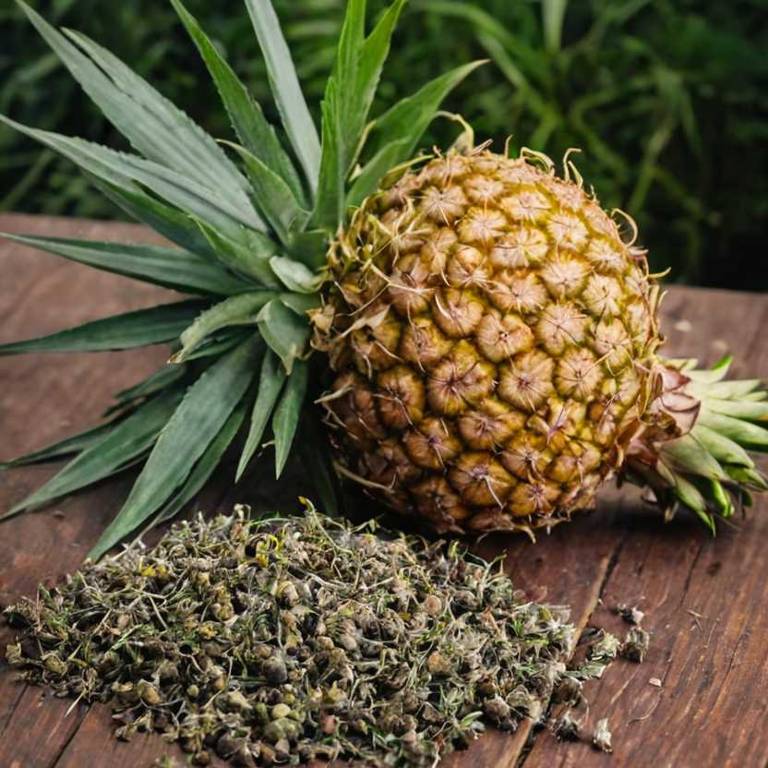
Antieccheymotic activity refers to the ability of a substance to prevent or reduce the swelling and accumulation of fluid in tissues, often by inhibiting the enzymes that cause inflammation. For example, the herb Ananas comosus (pineapple) contains bromelain, which possesses these properties to help manage edema and inflammatory responses.

Associated herbs: 1

Occurs naturally in

Ananas comosus

View all Antiecchymotic herbs →

Antiecdysic

Antiecdysic activity refers to the ability of a substance to inhibit or disrupt ecdysis, which is the process of molting and shedding the exoskeleton in arthropods. By interfering with the hormone ecdysone, these compounds prevent insects from successfully transitioning between life stages, effectively controlling pest populations. A well-known example of a plant possessing this biological activity is Azadirachta indica, commonly known as the Neem tree.

Associated herbs: 1

Occurs naturally in

Azadirachta indica

View all Antiecdysic herbs →

Antieclamptic

Antieclamptic activity refers to the ability of a substance to prevent or manage eclampsia, a severe condition characterized by high blood pressure and seizures during pregnancy. Herbs such as Panax quinquefolius (American ginseng) and Aesculus hippocastanum (Horse chestnut) are studied for their potential to regulate blood pressure and vascular health to mitigate these risks.

Associated herbs: 2

Occurs naturally in

Panax quinquefolius

Aesculus hippocastanum

View all Antieclamptic herbs →

Antielastase

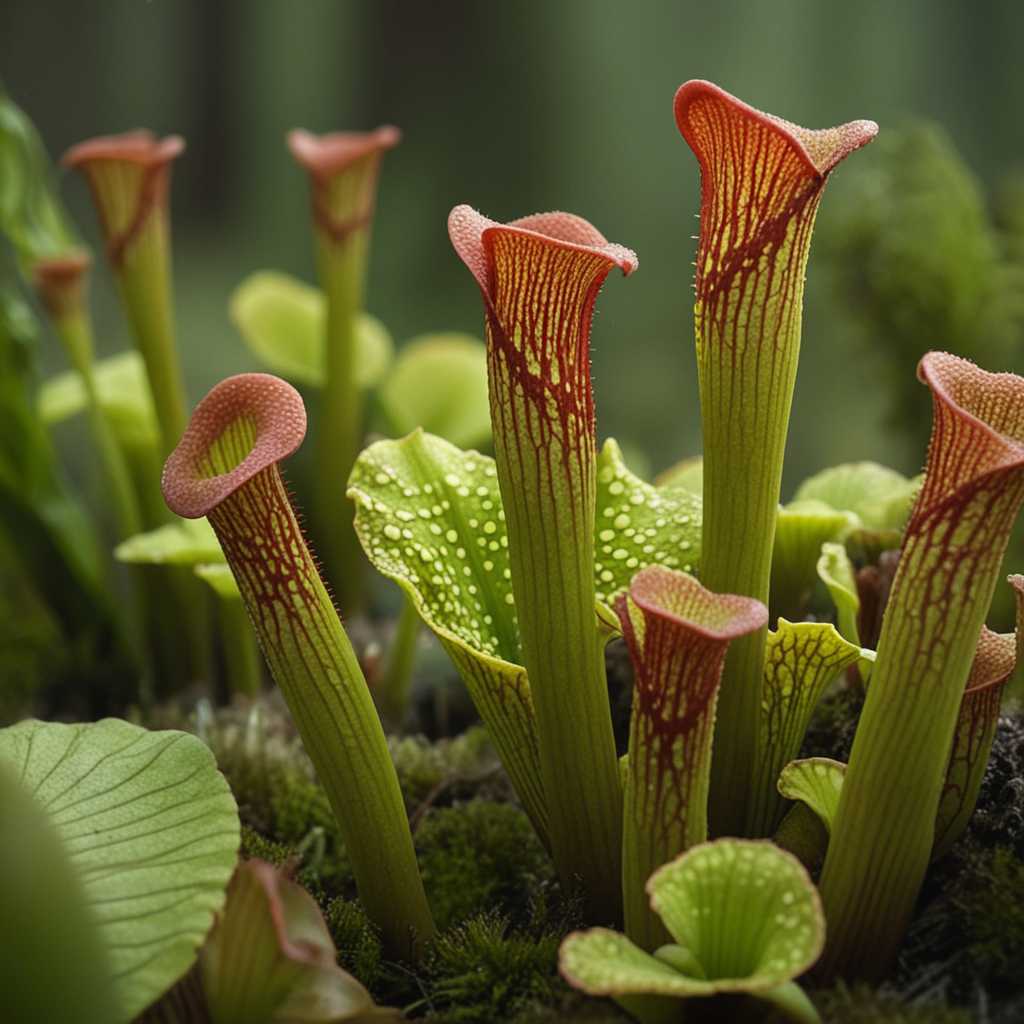
Antielastase activity refers to the ability of a substance to inhibit the enzyme elastase, which is responsible for breaking down elastin in connective tissues. By preventing this degradation, these herbs help protect the structural integrity of lungs and skin, as seen in species such as Pimpinella aromatica, Sarracenia flava, and Thymus vulgaris.

Associated herbs: 391

Occurs naturally in

Pimpinella aromatica

Sarracenia flava

Thymus vulgaris

View all Antielastase herbs →

Antielleptic

Antiepileptic activity refers to the ability of a substance to reduce the frequency, severity, or duration of epileptic seizures by stabilizing electrical activity in the brain. Various medicinal herbs exhibit this property, including Daucus carota, Sassafras albidum, and Piper cubeba.

Associated herbs: 4

Occurs naturally in

Daucus carota

Sassafras albidum

Piper cubeba

View all Antielleptic herbs →

Antiembolic

Antiembolic activity refers to the ability of a substance to prevent or reduce the formation of blood clots (thrombi) within blood vessels. Herbs such as Capsicum annuum, Camellia sinensis, and Glycine max exhibit this property by helping to maintain smooth blood flow and reducing the risk of cardiovascular complications.

Associated herbs: 6

Occurs naturally in

Capsicum annuum

Camellia sinensis

Glycine max

View all Antiembolic herbs →

Antiemetic?

An antiemetic biological activity refers to the ability of a substance to prevent or relieve nausea and vomiting. Common medicinal herbs exhibiting this effect include Zingiber officinale (ginger) and Alpinia galanga (greater galangal).

Associated herbs: 2

Occurs naturally in

Zingiber officinale

Alpinia galanga

View all Antiemetic? herbs →

Antiemphysemic

Antiemetic activity refers to the ability of a substance to prevent or relieve nausea and vomiting by inhibiting the physiological triggers in the digestive or central nervous systems. Medicinal herbs such as Solanum dulcamara, Mandragora officinarum, and Duboisia myoporoides exhibit this property due to their specific bioactive compounds.

Associated herbs: 26

Occurs naturally in

Solanum dulcamara

Mandragora officinarum

Duboisia myoporoides

View all Antiemphysemic herbs →

Antiencaphalitic

Antiencaphalitic activity refers to the ability of a substance to prevent or reduce the symptoms of encephalopathy, which is a functional brain disorder caused by metabolic or toxic disturbances. Herbs such as Aesculus hippocastanum (Horse Chestnut) are studied for their potential to support neurological health and protect the brain from such impairments.

Associated herbs: 1

Occurs naturally in

Aesculus hippocastanum

View all Antiencaphalitic herbs →

Antiencephalitic

Antiencephalitic activity refers to the ability of a substance to protect the brain from inflammation and prevent damage to the central nervous system. This biological action is exhibited by certain medicinal herbs, such as Pimpinella aromatica, Erythrina fusca, and Thymus vulgaris.

Associated herbs: 535

Occurs naturally in

Pimpinella aromatica

Erythrina fusca

Thymus vulgaris

View all Antiencephalitic herbs →

Antiencephalomyelitic

Antiencephalomyelitic activity refers to the ability of a substance to prevent or reduce inflammation and damage within the brain (encephalitis) and the spinal cord (myelitis). Herbs such as Anisodus tanguticus exhibit this biological activity by helping to protect the central nervous system from neuroinflammatory processes.

Associated herbs: 1

Occurs naturally in

Anisodus tanguticus

View all Antiencephalomyelitic herbs →

Antiencephalopathic

Antienkaenphalopathic activity refers to the ability of a substance to prevent or mitigate brain dysfunction and neurological damage caused by various pathological conditions. Certain medicinal herbs, such as Pimpinella aromatica, Erythrina fusca, and Rhus glabra, exhibit these properties by protecting neural tissues from impairment.

Associated herbs: 533

Occurs naturally in

Pimpinella aromatica

Erythrina fusca

Rhus glabra

View all Antiencephalopathic herbs →

Antiencephalopathic?

Anti-encephalopathic activity refers to the ability of a substance to protect the brain from damage caused by toxins, inflammation, or metabolic dysfunction, thereby preserving cognitive and neurological functions. Herbs such as Thymus vulgaris, Allium ampeloprasum, and Foeniculum vulgare exhibit this property through their rich content of bioactive compounds that combat oxidative stress and neuroinflammation.

Associated herbs: 146

Occurs naturally in

Thymus vulgaris

Allium ampeloprasum
Foeniculum vulgare

View all Antiencephalopathic? herbs →

Antiendoccytotic

Antiendoceytotic activity refers to the ability of a substance to inhibit the abnormal or excessive proliferation of cells, often playing a role in preventing tumor growth. Herbs such as Strongylodon macrobotrys, Calopoogon caeruleum, and Phaseolus coccineus exhibit this biological property by regulating cell division processes.

Associated herbs: 133

Occurs naturally in

Strongylodon macrobotrys

Calopogonium caeruleum

Phaseolus coccineus

View all Antiendoccytotic herbs →

Antiendometriotic

Antiendometriotic activity refers to the ability of a substance to reduce the growth or symptoms of endometriosis by inhibiting the proliferation of endometrial tissue outside the uterus. Certain medicinal herbs, such as Pimpinella aromatica, Erythrina fusca, and Rhus glabra, exhibit these properties by potentially regulating hormonal imbalances or reducing inflammatory processes associated with the condition.

Associated herbs: 547

Occurs naturally in

Pimpinella aromatica

Erythrina fusca

Rhus glabra

View all Antiendometriotic herbs →

Antienteritic

Antienteritic activity refers to the ability of certain medicinal substances to reduce inflammation, decrease secretions, and control excessive bowel movements in the intestinal tract. Herbs such as Rheum officinale, Dianthus caryophyllus, and Foeniculum vulgare exhibit this property, helping to alleviate symptoms of diarrhea and intestinal distress.

Associated herbs: 151

Occurs naturally in

Rheum officinale

Dianthus caryophyllus

Foeniculum vulgare

View all Antienteritic herbs →

Antienterococcic

Antienterococcic activity refers to the ability of a substance to inhibit the growth of or kill bacteria belonging to the Enterococcus genus, which are often associated with gastrointestinal infections and antibiotic resistance. Several medicinal herbs exhibit this property, including Pimpinella aromatica, Cinnamomum aromaticum, and Cullen corylifolium.

Associated herbs: 20

Occurs naturally in

Pimpinella aromatica

Cinnamomum aromaticum

Cullen corylifolium

View all Antienterococcic herbs →

Antienterotic

Antienterotic activity refers to the ability of a substance to inhibit the growth or proliferation of enterotoxins and pathogenic bacteria within the intestinal tract. This biological property helps prevent intestinal infections and diarrheal diseases, as demonstrated by medicinal herbs such as Pimpinella aromatica, Rhus glabra, and Thymus vulgaris.

Associated herbs: 395

Occurs naturally in

Pimpinella aromatica

Rhus glabra

Thymus vulgaris

View all Antienterotic herbs →

Antienterotoxic

Antienterotoxic activity refers to the ability of a substance to counteract or prevent the harmful effects of enterotoxins, which are toxins produced by bacteria that cause severe intestinal damage and fluid loss. Herbs such as Berberis aquifolium, Podophyllum peltatum, and Berberis sheridiana exhibit this property by protecting the intestinal mucosa and inhibiting the toxic processes that lead to diarrhea.

Associated herbs: 29

Occurs naturally in

Berberis aquifolium

Podophyllum peltatum

Berberis sheridaniana

View all Antienterotoxic herbs →

Antienuretic

An antienuretic agent is a substance that functions to reduce the excessive production or excretion of urine by the kidneys. Herbs possessing this biological activity, such as Solanum dulcamara, Mandragora officiinarum, and Duboisia myoporoides, are often used to manage conditions characterized by frequent urination.

Associated herbs: 19

Occurs naturally in

Solanum dulcamara

Mandragora officinarum

Duboisia myoporoides

View all Antienuretic herbs →

Antienzymatic

Antienzymatic activity refers to the ability of medicinal herbs to inhibit or regulate the function of specific enzymes within the body, often preventing biochemical processes related to inflammation or digestion. Examples of plants exhibiting this activity include Cinnamomum aromaticum, Humulus lupulus, and Apium graveolens.

Associated herbs: 14

Occurs naturally in

Cinnamomum aromaticum

Humulus lupulus

Apium graveolens

View all Antienzymatic herbs →

Antieosinophilic

An antieosinophilic activity refers to the ability of a substance to inhibit the activation, recruitment, or survival of eosinophils, which are specialized white blood cells often implicated in allergic inflammation. Herbs such as Azadirachta indica (Neem) exhibit this biological activity, helping to suppress the inflammatory responses associated with conditions like asthma and allergic rhinitis.

Associated herbs: 1

Occurs naturally in

Azadirachta indica

View all Antieosinophilic herbs →

Antiepiglottitic

Anti-epiglottic activity refers to the ability of certain medicinal substances to reduce inflammation, swelling, or irritation affecting the epiglottis. Herbs such as Panax quinquefolius (American ginseng) and Aesculus hippocastanum (Horse chestnut) are often studied for their potential to exert these soothing or anti-inflammatory effects on the upper respiratory structures.

Associated herbs: 2

Occurs naturally in

Panax quinquefolius

Aesculus hippocastanum

View all Antiepiglottitic herbs →

Antiepisiotomic

Antiepisiotomic activity refers to the ability of certain medicinal herbs to promote the rapid healing and tissue regeneration of the perineal area following an episiotomy. Herbs such as Ananas comosus (pineapple) are often studied for these properties due to their ability to reduce inflammation and support the repair of wounded epithelial tissues.

Associated herbs: 1

Occurs naturally in

Ananas comosus

View all Antiepisiotomic herbs →

Antiepistactic

Antiepisthactic activity refers to the ability of certain medicinal herbs to prevent or stop nosebleeds by promoting blood coagulation or constricting blood vessels in the nasal mucosa. Examples of plants exhibiting this biological activity include species from the Erythroxylum genus, such as Erythroxylum novogranatense, Erythroxylum macrophyllum var. macrophyllum, and Erythroxylum impressum.

Associated herbs: 23

Occurs naturally in

Erythroxylum novogranatense

Erythroxylum macrophyllum var. macrophyllum

Erythroxylum impressum

View all Antiepistactic herbs →

Antiepitheleomic

Antiepitheleomic activity refers to the ability of certain substances to inhibit the growth or proliferation of epithelial cells. This biological property is observed in various medicinal herbs, such as Foeniculum vulgare, Helianthus annuus, and Medicago sativa.

Associated herbs: 35

Occurs naturally in

Foeniculum vulgare

Helianthus annuus

Medicago sativa

View all Antiepitheleomic herbs →

Antierythemic

Antierythemica refers to the biological ability of a substance to reduce or prevent erythema, which is the redness of the skin caused by increased blood flow to the capillaries. Medicinal herbs such as Pimpinella aromatica, Erythroxylum novogranatense, and Rheum officinale exhibit this activity by soothing inflammation and calming irritated tissues.

Associated herbs: 187

Occurs naturally in

Pimpinella aromatica

Erythroxylum novogranatense

Rheum officinale

View all Antierythemic herbs →

Antiescherichic

Antiescherichia activity refers to the ability of a substance to inhibit the growth or survival of Escherichia coli, a common Gram-negative bacterium often associated with gastrointestinal infections. Various medicinal herbs, such as Micromeria varia, exhibit this biological property through bioactive compounds that disrupt the bacterial cell membrane or metabolic processes.

Associated herbs: 600

Occurs naturally in

Micromeria ericifolia

Pimpinella aromatica

Eucalyptus siderophloia

View all Antiescherichic herbs →

Antiesherichic

Antisheirichic activity refers to the ability of medicinal substances to inhibit the growth or destroy Schistosomes, which are parasitic flatworms responsible for causing schistosomiasis. Herbs such as Thymus vulgaris, Cinnamomum aromaticum, and Berberis aquifolium exhibit this biological activity by targeting the survival mechanisms of these intestinal or blood parasites.

Associated herbs: 76

Occurs naturally in

Thymus vulgaris

Cinnamomum aromaticum

Berberis aquifolium

View all Antiesherichic herbs →

Antiesophagitic

Antiesophagitic activity refers to the ability of a substance to reduce inflammation, irritation, or discomfort within the esophageal lining. Herbs such as Micromeria varia exhibit this biological activity, helping to soothe the mucosal tissues and alleviate symptoms of esophagitis.

Associated herbs: 330

Occurs naturally in

Micromeria ericifolia

Pimpinella aromatica

Eucalyptus siderophloia

View all Antiesophagitic herbs →

Antiexcitotoxic

Antiexcitoic activity refers to the ability of a substance to prevent neuronal damage caused by the excessive release or overstimulation of neurotransmitters, such as glutamate, which can lead to cell death. Herbs such as Uncaria guianensis, Uncaria tomentosa, and Mitragyna speciosa exhibit this property, offering potential neuroprotective benefits against various forms of brain injury.

Associated herbs: 3

Occurs naturally in

Uncaria guianensis

Uncaria tomentosa

Mitragyna speciosa

View all Antiexcitotoxic herbs →

Antiexudative

Antiexudative activity refers to the ability of a substance to inhibit or reduce the excessive discharge of fluids, such as sweat, saliva, or inflammatory exudates, from bodily tissues. Herbs like Annona muricata, Cinnamomum aromaticum, and Crataegus monogyna exhibit this property, helping to manage conditions characterized by abnormal fluid secretion.

Associated herbs: 28

Occurs naturally in

Annona muricata

Cinnamomum aromaticum

Crataegus monogyna

View all Antiexudative herbs →

Antifibrillary

Antifibrillary activity refers to the ability of a substance to inhibit or prevent the formation of fibrillar structures, which are often involved in pathological processes like scarring or protein aggregation. Certain medicinal herbs, such as Cinchona officinalis, Macleaya cordata, and Eschscholzia californica, exhibit this biological property through their bioactive compounds.

Associated herbs: 8

Occurs naturally in

Cinchona officinalis

Macleaya cordata

Eschscholzia californica

View all Antifibrillary herbs →

Antifibrinolytic

Antifibrinolytic activity refers to the ability of a substance to prevent or slow down the breakdown of fibrin clots, thereby helping to maintain blood stability and control bleeding. Medicinal herbs such as Pimpinella aromatica, Thymus vulgaris, and Allium ampeloprasum exhibit this property, making them potentially useful in managing hemorrhage.

Associated herbs: 439

Occurs naturally in

Pimpinella aromatica

Thymus vulgaris

Allium ampeloprasum
View all Antifibrinolytic herbs →

Antifibromyalgic

Antifibromyalgia activity refers to the ability of certain medicinal herbs to alleviate the widespread musculoskeletal pain, stiffness, and fatigue characteristic of fibromyalgia syndrome. Herbs such as Pimpinella aromatico, Rhus glabra, and Thymus vulgaris exhibit this biological activity by potentially modulating pain signaling or reducing systemic inflammation.

Associated herbs: 438

Occurs naturally in

Pimpinella aromatica

Rhus glabra

Thymus vulgaris

View all Antifibromyalgic herbs →

Antifibrosarcomic

Antifibrosarcomic activity refers to the ability of certain biological compounds to inhibit the growth, proliferation, or spread of fibrosarcomas, which are malignant tumors of connective tissue. Medicinal herbs such as Pimpinella aromatica, Thymus vulgaris, and Magnolia denudata exhibit this property by utilizing their bioactive constituents to interfere with cancerous cell development.

Associated herbs: 315

Occurs naturally in

Pimpinella aromatica

Thymus vulgaris

Magnolia denudata

View all Antifibrosarcomic herbs →

Antifibrositic

Antifibrinolytic activity refers to the ability of a substance to inhibit the breakdown of fibrin, thereby preventing the premature dissolution of blood clots and helping to maintain hemostasis. Herbs such as Elsholtzia cinerea, Pimpinella aromatica, and Thymus vulgaris exhibit this property, making them useful in managing excessive bleeding.

Associated herbs: 150

Occurs naturally in

Elsholtzia ciliata

Pimpinella aromatica

Thymus vulgaris

View all Antifibrositic herbs →

Antiflu

Anti-flu activity refers to the ability of medicinal herbs to inhibit the replication of influenza viruses or alleviate the systemic symptoms caused by the infection. For example, herbs such as Micromeria varia exhibit these properties by utilizing bioactive compounds to strengthen the immune response and combat viral activity.

Associated herbs: 974

Occurs naturally in

Micromeria ericifolia

Elsholtzia ciliata

Premna serratifolia

View all Antiflu herbs →

Antifracture

Antifracture activity refers to the ability of certain medicinal substances to enhance bone density and promote the healing process of skeletal tissues following a break. Herbs such as Aesculus hippocastanum (Horse Chestnut) and various calcium-rich botanicals are studied for their potential to support bone mineralization and structural integrity.
Associated herbs: 1

Occurs naturally in

Aesculus hippocastanum
View all Antifracture herbs →

Antifrigidity

Antifrigidity refers to the biological capacity of certain medicinal herbs to combat excessive coldness in the body and restore warmth to the circulatory or nervous systems. Herbs such as Rauvolfia serpentina and Rauvolfia tetraphylla exhibit this activity by helping to regulate physiological functions and improve blood flow in cold-sensitive conditions.

Associated herbs: 2

Occurs naturally in

Rauvolfia serpentina

Rauvolfia tetraphylla

View all Antifrigidity herbs →

Antifumitory

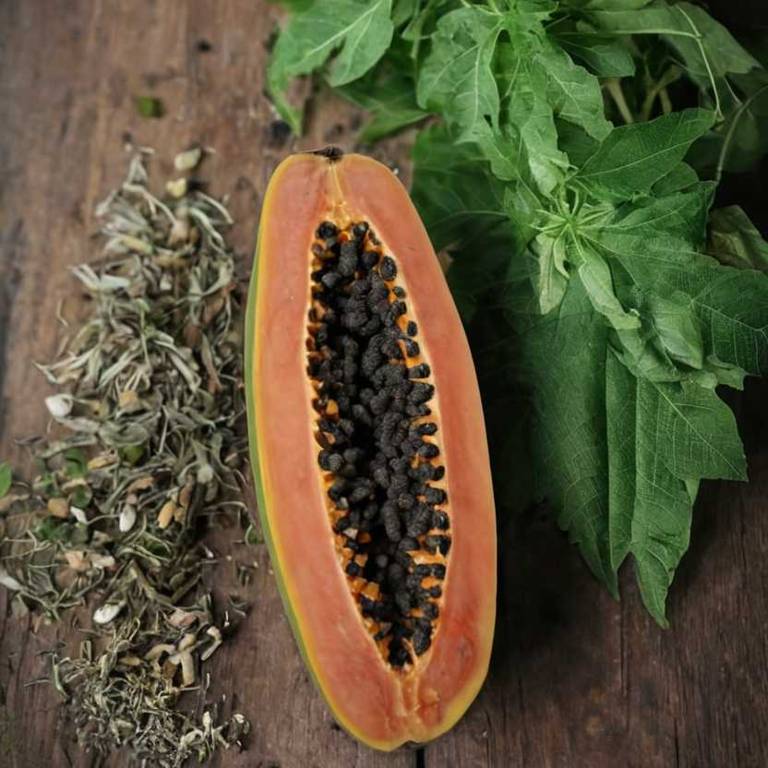
Antifumitory activity refers to the ability of certain medicinal herbs to inhibit or repel the growth and development of fungi, particularly those that cause decay or disease. Common examples of plants possessing this biological property include Nicotiana rustica, Juglans regia, and Carica papaya.

Associated herbs: 17

Occurs naturally in

Nicotiana rustica

Juglans regia

Carica papaya

View all Antifumitory herbs →

Antifuruncular

Antifuruncular activity refers to the ability of a substance to prevent or treat furuncles, which are painful, pus-filled inflammatory nodules caused by bacterial infections of the hair follicles. Various medicinal herbs exhibit this property, including Pimpinella aromatica, Rhus glabra, and Thymus vulgaris, due to their potent antimicrobial and anti-inflammatory compounds.

Associated herbs: 375

Occurs naturally in

Pimpinella aromatica

Rhus glabra

Thymus vulgaris

View all Antifuruncular herbs →

Antigalactagogue

An anti-galactagogue is a substance that inhibits or reduces the production and secretion of breast milk in lactating women. Common examples of herbs with this biological activity include Linum usitatissimum (flaxseed) and certain varieties of sage.

Associated herbs: 1

Occurs naturally in

Linum usitatissimum

View all Antigalactagogue herbs →

Antigallstone

Antigallstone activity refers to the ability of certain medicinal herbs to prevent the formation of gallstones or assist in the dissolution of existing bile calculi. Herbs such as Pimpinella aromatica, Erythrina fusca, and Thymus vulgaris exhibit this property by promoting bile flow and regulating cholesterol levels in the gallbladder.

Associated herbs: 430

Occurs naturally in

Pimpinella aromatica

Erythrina fusca

Thymus vulgaris

View all Antigallstone herbs →

Antiganglionic

Antiganglionic activity refers to the ability of a substance to inhibit the transmission of nerve impulses at the autonomic ganglia by blocking nicotinic acetylcholine receptors. This action helps reduce parasympathetic or sympathetic nerve signaling, which can influence various physiological functions such as heart rate and gastrointestinal motility. Examples of herbs exhibiting this biological activity include Peganum harmala, Peumus boldus, and Lupinus mutabilis.

Associated herbs: 13

Occurs naturally in

Peganum harmala

Peumus boldus

Lupinus mutabilis

View all Antiganglionic herbs →