Explore herbs biological activities

  • 11249 Plants
  • |
  • 30137 Compounds
  • |
  • 1951 Activities
  • |
  • 132161 Studies

Explore Herbs


Alphabet


Biological Activity

View all →

Bioactive Compounds

View all →

List of herbs biological activities

Showing 721-768 out of 1951 results

Antidandruff

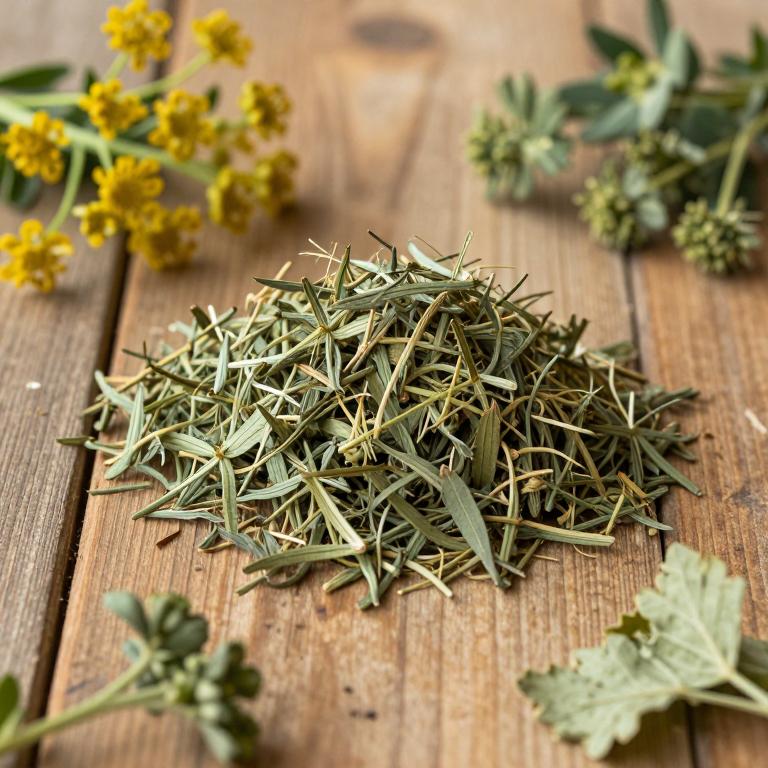
Antidandruff activity involves the inhibition of the growth of Malassezia fungi and the reduction of scalp inflammation to prevent flaking. Herbs such as Pimpinella aromatica, Rhus glabra, and Thymus vulgaris exhibit these properties through their natural antimicrobial and soothing compounds.

Associated herbs: 465
Occurs naturally in

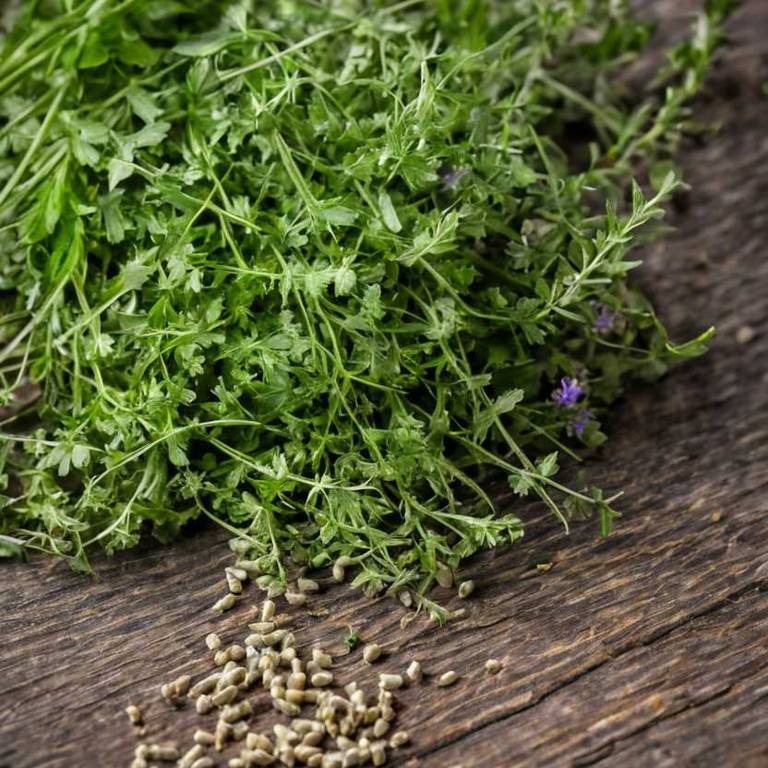
Pimpinella aromatica

Rhus glabra

Thymus vulgaris

View all Antidandruff herbs →

Antideafness

Antidepressant activity refers to the ability of certain medicinal herbs to alleviate symptoms of depression by modulating neurotransmitters in the brain, such as serotonin and dopamine. Examples of herbs exhibiting this biological activity include Medicago sativa, Pueraria montana var. lobata, and Pueraria montana.

Associated herbs: 4

Occurs naturally in

Medicago sativa

Pueraria montana var. lobata

Pueraria montana

View all Antideafness herbs →

Antidecubitic

Antidecubitic activity refers to the ability of a substance to prevent or treat the formation of decubitus ulcers, commonly known as pressure sores, by improving skin integrity and circulation. Herbs such as Pimpinella aromatica, Erythrina fusca, and Thymus vulgaris exhibit this biological activity, helping to protect tissues from damage caused by prolonged pressure.

Associated herbs: 450

Occurs naturally in

Pimpinella aromatica

Erythrina fusca

Thymus vulgaris

View all Antidecubitic herbs →

Antideliriant

Antidelirant activity refers to the ability of a substance to reduce or prevent symptoms of delirium, such as confusion, disorientation, and hallucinations. Herbs like Erythrina fusca, Thymus vulgaris, and Allium ampeloprasum exhibit this biological property, potentially helping to stabilize cognitive function and mental clarity.

Associated herbs: 358

Occurs naturally in

Erythrina fusca

Thymus vulgaris

Allium ampeloprasum

View all Antideliriant herbs →

Antidengue

Antidenge activity refers to the ability of certain medicinal herbs to inhibit the replication of the dengue virus or reduce the severity of the symptoms caused by the infection. Examples of plants exhibiting this biological activity include Glycyrrhiza glabra (licorice) and Azadirachta indica (neem).

Associated herbs: 1

Occurs naturally in

Glycyrrhiza glabra

View all Antidengue herbs →

Antidepressant?

Antidepressant biological activity refers to the ability of certain herbs to alleviate symptoms of depression by modulating neurotransmitters like serotonin, dopamine, or norepinephrine in the brain. Examples of plants exhibiting this therapeutic potential include Thymus vulgaris, Allium ampeloprasum, and Lepidium meyenii.

Associated herbs: 152

Occurs naturally in

Thymus vulgaris

Allium ampeloprasum

Lepidium meyenii

View all Antidepressant? herbs →

Antidermatic

Antidermatic activity refers to the ability of a substance to prevent or reduce the formation and progression of skin lesions or dermatological issues. Herbs such as Pimpinella aromatica, Thymus vulgaris, and Lonicera macrantha exhibit this property, helping to protect the skin's integrity and soothe irritation.

Associated herbs: 96

Occurs naturally in

Pimpinella aromatica

Thymus vulgaris

Lonicera macrantha

View all Antidermatic herbs →

Antidermatitic?

Antidermatitic activity refers to the ability of a substance to reduce inflammation, itching, and irritation associated with skin conditions like dermatitis. Herbs such as Melia azedarach, Medicago sativa, and Cymbopogon flexuosus exhibit these properties, helping to soothe and heal damaged or inflamed skin tissue.

Associated herbs: 11

Occurs naturally in

Melia azedarach

Medicago sativa

Cymbopogon flexuosus

View all Antidermatitic? herbs →

Antidermatotic

An anti-dermatomic agent is a substance used to inhibit the growth or destroy fungi that cause skin infections. Herbs such as Cinnamomum aromaticum, Cleastrum ternifolia, and Polygonum aviculare exhibit this biological activity by targeting fungal pathogens on the skin.

Associated herbs: 95

Occurs naturally in

Cinnamomum aromaticum

Calea ternifolia

Polygonum aviculare

View all Antidermatotic herbs →

Antidiabetic?

Antidiabetic biological activity refers to the ability of certain herbs to help regulate blood glucose levels by improving insulin sensitivity or inhibiting glucose absorption. Medicinal plants such as Allium ampeloprasum, Lepidium meyenii, and Melia azedarach exhibit these properties, making them potential natural aids in managing diabetes.

Associated herbs: 193

Occurs naturally in

Allium ampeloprasum

Lepidium meyenii

Melia azedarach

View all Antidiabetic? herbs →

Antidipsomanic

Antidysmanic activity refers to the ability of medicinal herbs to alleviate or prevent symptoms of dyspepsia, which includes indigestion, bloating, and abdominal discomfort. Herbs such as Phaseolus coccineus, Cicer arietinum, and Medicago sativa exhibit these properties by helping to regulate digestive processes and soothe the gastrointestinal tract.

Associated herbs: 18

Occurs naturally in

Phaseolus coccineus

Cicer arietinum

Medicago sativa

View all Antidipsomanic herbs →

Antidiptheric

Antidiphtheric activity refers to the ability of certain medicinal herbs to inhibit the growth of Corynebacterium diphtheriae or counteract the harmful toxins produced by the bacteria. Herbs such as Inula helenium, Abrus precatorius, and Glycyrrhiza uranensis exhibit these properties, helping to prevent or mitigate the progression of the infection.

Associated herbs: 5

Occurs naturally in

Inula helenium

Abrus precatorius

Glycyrrhiza uralensis

View all Antidiptheric herbs →

Antidiscitic

Antidiscitic activity refers to the ability of a substance to prevent or reduce the formation of discoid-shaped lesions or spots, typically on plant leaves or skin surfaces. For example, certain medicinal herbs like Carica papaya exhibit this activity by helping to inhibit the progression of localized necrotic spots or cellular damage.

Associated herbs: 1

Occurs naturally in

Carica papaya

View all Antidiscitic herbs →

Antidiscotic

Anti-discoitc activity refers to the ability of certain plant compounds to reduce or prevent the symptoms of discoitc disorders, which typically involve neurological or vestibular disturbances affecting balance and coordination. Herbs such as Pimpinella aromaticas, Rhus glabra, and Thymus vulgaris are noted for possessing these therapeutic properties.

Associated herbs: 367

Occurs naturally in

Pimpinella aromatica

Rhus glabra

Thymus vulgaris

View all Antidiscotic herbs →

Antidopaminergic

Antidopaminergic activity refers to the ability of a substance to inhibit or block the action of dopamine, a neurotransmitter heavily involved in regulating mood, reward, and motor control. Herbs such as Annona muricata, Rauvolfia serpentina, and Peumus boldus exhibit this biological activity, which can be utilized in managing neurological or psychiatric conditions.

Associated herbs: 18

Occurs naturally in

Annona muricata

Rauvolfia serpentina

Peumus boldus

View all Antidopaminergic herbs →

Antidote (Acetaminophen)

Some medicinal herbs function as antidotes by neutralizing the toxic metabolic byproducts of acetaminophen, such as NAPQI, thereby preventing severe liver damage. Examples of plants that exhibit protective or detoxifying biological activities include Thymus vulgaris, Allium ampeloprasum, and Annona muricata.

Associated herbs: 155

Occurs naturally in

Thymus vulgaris

Allium ampeloprasum

Annona muricata

View all Antidote (Acetaminophen) herbs →

Antidote (Aluminum)

Certain medicinal herbs function as antidotes against aluminum toxicity by chelating metal ions or preventing their absorption into the bloodstream. Examples of plants exhibiting this biological activity include Pimpinella aromatica, Erythrina fusca, and Rhus glabra.

Associated herbs: 594

Occurs naturally in

Pimpinella aromatica

Erythrina fusca

Rhus glabra

View all Antidote (Aluminum) herbs →

Antidote (Amanitin)

Certain medicinal herbs possess antivenom or antidote properties that can help counteract the lethal effects of toxins like amanitin. Examples of plants exhibiting this biological activity include Euphrasia officinalis, Scrophularia oblongifolia, and Scrophularia scorodonica.

Associated herbs: 20

Occurs naturally in

Euphrasia officinalis

Scrophularia oblongifolia

Scrophularia scorodonia

View all Antidote (Amanitin) herbs →

Antidote (Ammonia)

Certain medicinal herbs exhibit antidote properties by acting as neutralizing agents that counteract the toxic effects of specific poisons or chemical substances within the body. For example, plants such as Cucurbita pepo, Annona squamosa, and Piper betle can be utilized for their ability to mitigate toxicity and restore physiological balance.

Associated herbs: 9

Occurs naturally in

Cucurbita pepo

Annona squamosa

Piper betle

View all Antidote (Ammonia) herbs →

Antidote (Anticholinesterase)

Herbs with anticholinesterase activity act by inhibiting the enzyme acetylcholinesterase, thereby increasing the concentration and duration of action of the neurotransmitter acetylcholine in the nervous system. This biological mechanism is characteristic of several medicinal plants containing tropane alkaloids, such as Solanum dulcamara, Mandragora officinarum, and Duboisia myoporoides.

Associated herbs: 15

Occurs naturally in

Solanum dulcamara

Mandragora officinarum

Duboisia myoporoides

View all Antidote (Anticholinesterase) herbs →

Antidote (Atropine)

Atropine acts as an antidote by competitively blocking acetylcholine receptors, thereby neutralizing the effects of nerve agents or certain toxins that cause overstimulation of the nervous system. An example of a plant source containing similar alkaloids is Hippomane mancinella, though it is important to note that its toxicity is extremely potent and requires medical supervision.

Associated herbs: 1

Occurs naturally in

Hippomane mancinella

View all Antidote (Atropine) herbs →

Antidote (Barbiturate)

Certain medicinal herbs possess antidote properties by acting as physiological antagonists to counteract the toxic effects of barbiturates on the central nervous system. A notable example of such an herb is Anamirta cocculus, which has been historically studied for its ability to stimulate the nervous system to mitigate sedative poisoning.

Associated herbs: 1

Occurs naturally in

Anamirta cocculus

View all Antidote (Barbiturate) herbs →

Antidote (Black Widow)

Certain medicinal herbs possess anticholinergic properties that can serve as an antidote to the neurotoxic effects of a Black Widow spider bite by blocking the excessive acetylcholine release. Examples of plants containing such bioactive alkaloids include Solanum dulcamara, Mandragora officinarum, and Duboisia myoporoides.

Associated herbs: 12

Occurs naturally in

Solanum dulcamara

Mandragora officinarum

Duboisia myoporoides

View all Antidote (Black Widow) herbs →

Antidote (Cadmium)

Certain medicinal herbs act as antidotes against cadmium toxicity by utilizing their bioactive compounds to chelate the heavy metal or mitigate the resulting oxidative stress. For instance, plants such as Pimpinella aromatica, Erythrina fusca, and Rhus glabra exhibit this protective biological activity, helping to neutralize the toxic effects of cadmium within the body.

Associated herbs: 548

Occurs naturally in

Pimpinella aromatica

Erythrina fusca

Rhus glabra

View all Antidote (Cadmium) herbs →

Antidote (Camphor)

Camphor acts as an antidote by utilizing its volatile properties to stimulate respiratory circulation and counteract certain types of poisoning through its soothing and purifying effects. Various medicinal herbs exhibit similar detoxifying or corrective biological activities, such as Medicago sativa, Vaccinium macrocarpum, and Urtica spicata.

Associated herbs: 27

Occurs naturally in

Medicago sativa

Vaccinium macrocarpon

Urtica spatulata

View all Antidote (Camphor) herbs →

Antidote (Heavy Metals)

Certain medicinal herbs act as antidotes against heavy metal poisoning by binding to toxic elements through chelation, thereby preventing their absorption and facilitating their excretion from the body. For example, plants such as Solanum tuberosum, Cucurbita pepo, and Zea mays contain bioactive compounds that can help mitigate the toxic effects of metals like lead or cadmium.

Associated herbs: 12

Occurs naturally in

Solanum tuberosum

Cucurbita pepo

Zea mays

View all Antidote (Heavy Metals) herbs →

Antidote (Hydrazine)

Certain medicinal herbs possess antitoxic properties through the presence of hydrazine derivatives, which can help neutralize specific poisons or metabolic imbalances within the body. Examples of plants known to contain or relate to these bioactive compounds include Oryza sativa (rice), Trigonella foenum-graecum (fenugreek), and Medicago sativa (alfalfa).

Associated herbs: 17

Occurs naturally in

Oryza sativa

Trigonella foenum-graecum

Medicago sativa

View all Antidote (Hydrazine) herbs →

Antidote (Hypoglycin-A)

Hypoglycin-A acts as a biological agent that can interfere with metabolic pathways, often necessitating the use of specific antidotes to counteract its toxic effects on glucose regulation. While certain plants like Thymus vulgaris, Lepidium meyenii, and Melia azedarach are studied for their diverse medicinal properties, the management of Hypoglycin-A toxicity focuses on neutralizing its impact on the body's ability to produce energy.

Associated herbs: 148

Occurs naturally in

Thymus vulgaris

Lepidium meyenii

Melia azedarach

View all Antidote (Hypoglycin-A) herbs →

Antidote (Iodine)

Certain medicinal herbs possess antidote properties, such as the ability to neutralize or mitigate the toxic effects of iodine poisoning within the body. Examples of plants exhibiting this biological activity include Pimpinella aromatica, Rheum officinale, and Lolium multiflorum.

Associated herbs: 162

Occurs naturally in

Pimpinella aromatica

Rheum officinale

Lolium multiflorum

View all Antidote (Iodine) herbs →

Antidote (Lead)

Certain medicinal herbs possess antidote properties by neutralizing the toxic effects of lead through chelation or by protecting vital organs from heavy metal damage. Examples of plants exhibiting this biological activity include Pimpinella aromatica, Erythrina fusca, and Rhus glabra.

Associated herbs: 596

Occurs naturally in

Pimpinella aromatica

Erythrina fusca

Rhus glabra

View all Antidote (Lead) herbs →

Antidote (Lobelia)

Certain medicinal herbs possess antidote properties by acting as physiological antagonists to counteract the effects of specific toxins or drugs. Examples of plants exhibiting this biological activity include Lobelia, Solanum dulcamara, Mandragora officinarum, and Duboisia myoporoides.

Associated herbs: 12

Occurs naturally in

Solanum dulcamara

Mandragora officinarum

Duboisia myoporoides

View all Antidote (Lobelia) herbs →

Antidote (Manganese)

Certain medicinal herbs function as antidotes by neutralizing or counteracting the effects of specific toxins within the body. Examples of plants that exhibit this biological activity include Juglans nigra, Euphorbia latyris, and Urtica spicata.

Associated herbs: 16

Occurs naturally in

Juglans nigra

Euphorbia lathyris

Urtica spatulata

View all Antidote (Manganese) herbs →

Antidote (Mercury)

Certain medicinal herbs function as antidotes to mercury poisoning by binding to the toxic metal or assisting in its neutralization and elimination from the body. Examples of plants exhibiting this protective biological activity include Rhus glabra, Thymus vulgaris, and Rumex trisetifer.

Associated herbs: 155

Occurs naturally in

Rhus glabra

Thymus vulgaris

Rumex trisetifer

View all Antidote (Mercury) herbs →

Antidote (Morphine)

An antidote possesses the biological activity of neutralizing or counteracting the effects of a specific poison or toxin within the body. While morphine is a potent opioid that requires specific pharmacological intervention, certain medicinal herbs are studied for their potential to mitigate toxic effects or provide restorative properties. Note on your examples: Please be aware that Medicago sativa (Alfalfa), Vaccinium macrocarpum (Cranberry), and Urtica spicata (Stinging Nettle) are generally used for nutritional or diuretic purposes rather than as direct antidotes for morphine.

Associated herbs: 27

Occurs naturally in

Medicago sativa

Vaccinium macrocarpon

Urtica spatulata

View all Antidote (Morphine) herbs →

Antidote (Muscarine)

Certain medicinal herbs possess anticholinergic properties that act as an antidote to muscarine poisoning by blocking acetylcholine receptors. Examples of plants exhibiting this biological activity include Solanum dulcamara, Mandragora officinarum, and Duboisia myoides.

Associated herbs: 12

Occurs naturally in

Solanum dulcamara

Mandragora officinarum

Duboisia myoporoides

View all Antidote (Muscarine) herbs →

Antidote (Mushroom)

Some medicinal mushrooms and herbs possess antidote properties, meaning they can counteract the toxic effects of specific poisons or overdoses within the body. While certain mushrooms are known to neutralize toxins, other plants such as Solanum dulcamara, Mandragora officinarum, and Duboisia myoporoides have historically been studied for their complex pharmacological roles in treating or mitigating various physiological imbalances.

Associated herbs: 12

Occurs naturally in

Solanum dulcamara

Mandragora officinarum

Duboisia myoporoides

View all Antidote (Mushroom) herbs →

Antidote (Organophosphorus)

Certain medicinal herbs act as antidotes for organophosphorus poisoning by utilizing alkaloids that serve as competitive antagonists at acetylcholine receptors. This mechanism helps counteract the overstimulation of the nervous system caused by the accumulation of excess acetylcholine. Examples of plants exhibiting this biological activity include Solanum dulcamara, Mandragora officinarum, and Duboisia myoporoides.

Associated herbs: 12

Occurs naturally in

Solanum dulcamara

Mandragora officinarum

Duboisia myoporoides

View all Antidote (Organophosphorus) herbs →

Antidote (Paracetamol)

Some medicinal herbs function as antidotes by neutralizing the toxic effects of substances like paracetamol, helping to protect the liver from oxidative damage. Examples of plants that exhibit such protective or detoxifying properties include Thymus vulgaris, Allium ampeloprasum, and Annona muricata.

Associated herbs: 155

Occurs naturally in

Thymus vulgaris

Allium ampeloprasum

Annona muricata

View all Antidote (Paracetamol) herbs →

Antidote (Paraquat)

Certain medicinal herbs possess antidote properties that can mitigate the severe oxidative stress and cellular damage caused by toxic herbicides like Paraquat. For instance, plants such as Pimpinella aromatica, Erythrina fusca, and Thymus vulgaris exhibit biological activities that help neutralize these toxic effects.

Associated herbs: 399

Occurs naturally in

Pimpinella aromatica

Erythrina fusca

Thymus vulgaris

View all Antidote (Paraquat) herbs →

Antidote (Poison Gas)

Certain medicinal herbs possess biological activities that allow them to act as antidotes against specific poisonous gases by interfering with their physiological effects or neutralizing their toxicity. For example, plants such as Solanum dulcamara, Mandragora officinalis, and Duboisia myoporoides contain alkaloids that can be utilized in controlled medicinal contexts to counteract certain types of chemical exposure.

Associated herbs: 12

Occurs naturally in

Solanum dulcamara

Mandragora officinarum

Duboisia myoporoides

View all Antidote (Poison Gas) herbs →

Antidote (Strychnine)

Strychnine serves as a potent antidote in controlled medicinal contexts by acting as a central nervous system stimulant that can counteract certain types of respiratory depression. While strychnine itself is a toxic alkaloid derived from Strychnos nux-vomica, various medicinal herbs like Pycnanthemum pycnanthemoides, Cinnamomum aromaticum, and Peumus boldus are utilized for their diverse pharmacological properties to support physiological regulation.

Associated herbs: 54

Occurs naturally in

Pycnanthemum pycnanthemoides

Cinnamomum aromaticum

Peumus boldus

View all Antidote (Strychnine) herbs →

Antidote (Tetrodotoxin)

Certain medicinal herbs possess biological activities that can act as an antidote to tetrodotoxin by modulating nerve impulses or interfering with the toxin's binding to sodium channels. Examples of plants studied for their potential pharmacological applications in such contexts include Solanum dulcamara, Mandragora officinarum, and Duboisia myoporoides.

Associated herbs: 12

Occurs naturally in

Solanum dulcamara

Mandragora officinarum

Duboisia myoporoides

View all Antidote (Tetrodotoxin) herbs →

Antidote (pesticides)

Certain medicinal herbs possess natural biochemical properties that act as antidotes or deterrents against agricultural pests by disrupting their feeding or reproductive cycles. For example, plants such as Allium ampeloprasum, Sambucus nigra, and Trigonella foenum-graecum contain bioactive compounds that can mitigate the impact of harmful organisms in an eco-friendly manner.

Associated herbs: 28

Occurs naturally in

Allium ampeloprasum

Sambucus nigra

Trigonella foenum-graecum

View all Antidote (pesticides) herbs →

Antidote? (Methtrexate)

An antidote functions by neutralizing or counteracting the toxic effects of a specific poison or medication within the body. For instance, Fritillaria thunbergii is recognized for its biological activity in helping to mitigate the toxicity of the chemotherapy drug methotrexate.

Associated herbs: 1

Occurs naturally in

Fritillaria thunbergii

View all Antidote? (Methtrexate) herbs →

Antidrepanocytic

Antidrepanocytic activity refers to the ability of certain medicinal herbs to prevent or reduce the sickling of red blood cells in individuals with sickle cell anemia. Herbs such as Croton euperianum, Melia azedarach, and Foeniculum vulgare exhibit this property by helping to maintain the structural integrity of hemoglobin and improving blood flow.

Associated herbs: 47

Occurs naturally in

Croton eluteria

Melia azedarach

Foeniculum vulgare

View all Antidrepanocytic herbs →

Antidysgeuzic

Antidysgeusic activity refers to the ability of certain medicinal herbs to counteract or alleviate dysgeusia, a condition characterized by a distorted or unpleasant sense of taste. Herbs such as Pimpinella aromatica, Rhus glabra, and Thymus vulgaris exhibit this property, helping to restore a normal taste perception.

Associated herbs: 374

Occurs naturally in

Pimpinella aromatica

Rhus glabra

Thymus vulgaris

View all Antidysgeuzic herbs →

Antidyskinetic

Antidyskinetic activity refers to the ability of a substance to reduce or prevent involuntary, erratic, or uncontrolled muscle movements, such as those caused by neurological disorders. Certain medicinal herbs, including Pimpinella aromatica, Rhus glabra, and Thymus vulgaris, exhibit this biological activity by helping to stabilize motor control.

Associated herbs: 463

Occurs naturally in

Pimpinella aromatica

Rhus glabra

Thymus vulgaris

View all Antidyskinetic herbs →

Antidysmenorrheic

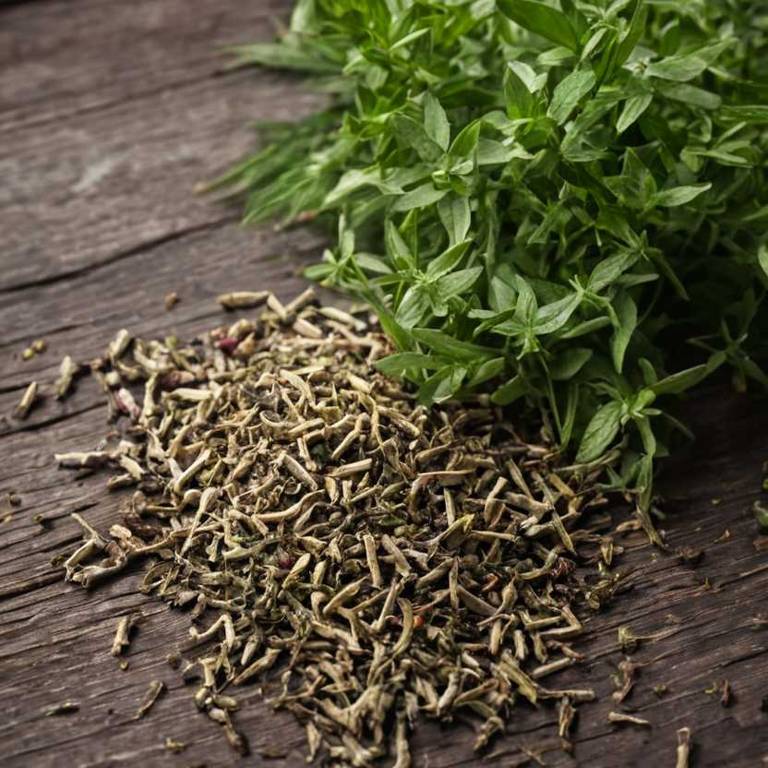
Antidysmenorrheic activity refers to the ability of a substance to relieve or prevent painful uterine contractions associated with menstrual cramps. Various medicinal herbs exhibit this property, including Pimpinella aromatica, Rhus glabra, and Thymus vulgaris.

Associated herbs: 465
Occurs naturally in

Pimpinella aromatica

Rhus glabra

Thymus vulgaris

View all Antidysmenorrheic herbs →