Explore herbs biological activities

  • 11249 Plants
  • |
  • 30137 Compounds
  • |
  • 1951 Activities
  • |
  • 132161 Studies

Explore Herbs


Alphabet


Biological Activity

View all →

Bioactive Compounds

View all →

List of herbs biological activities

Showing 673-720 out of 1951 results

Anticatarrh

Anticatarrh refers to the biological activity of reducing inflammation and excessive mucus production in the mucous membranes of the respiratory tract. Herbs such as Elsholtzia ciliata, Elsholtzia pilosa, and Eucalyptus siderophloia possess these properties, helping to alleviate symptoms of congestion and catarrh.

Associated herbs: 219

Occurs naturally in

Elsholtzia ciliata
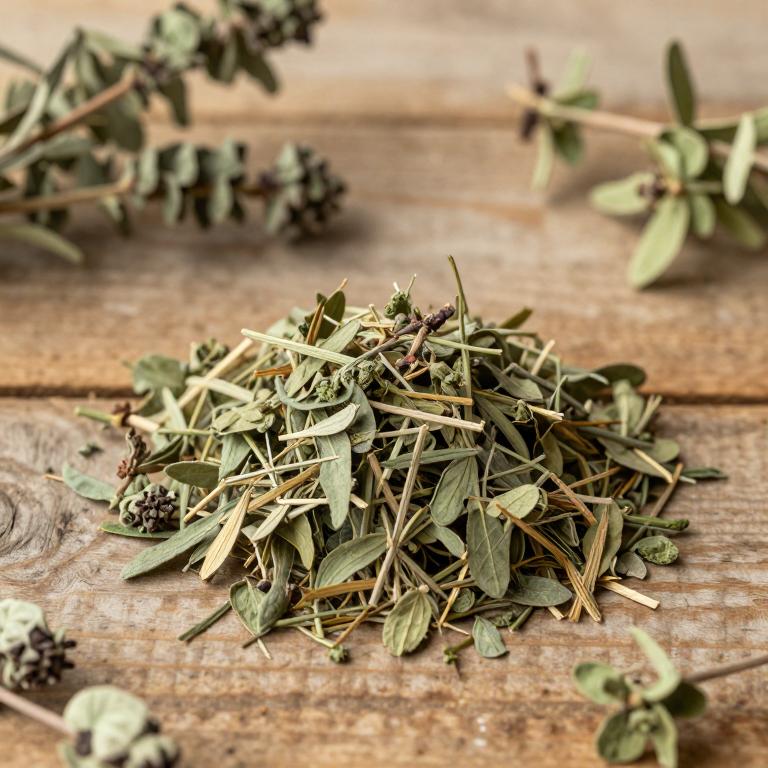
Elsholtzia pilosa
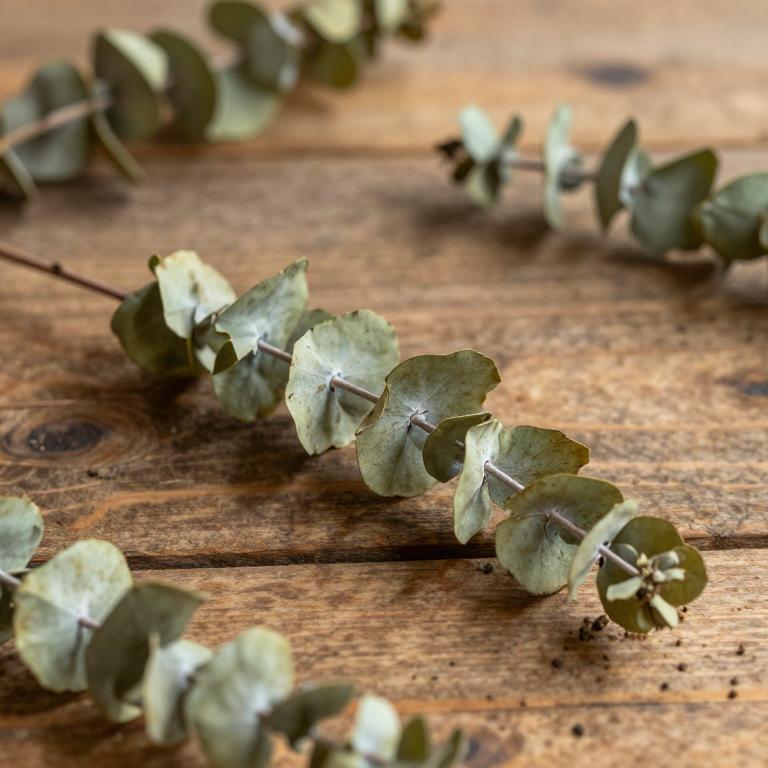
Eucalyptus siderophloia
View all Anticatarrh herbs →

Anticausalgic

Anticausalgic activity refers to the ability of a substance to prevent or inhibit the underlying causes of pain rather than simply masking the sensation. For example, certain medicinal plants like Hippomane mancinella possess compounds that can interfere with the physiological processes that trigger pain signals.

Associated herbs: 1

Occurs naturally in

Hippomane mancinella

View all Anticausalgic herbs →

Anticellulitic

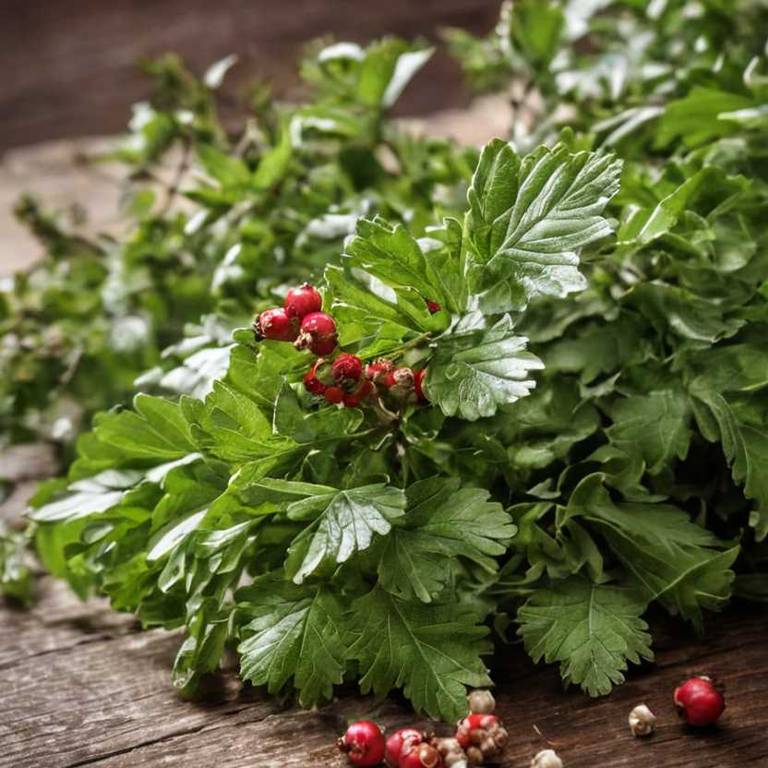
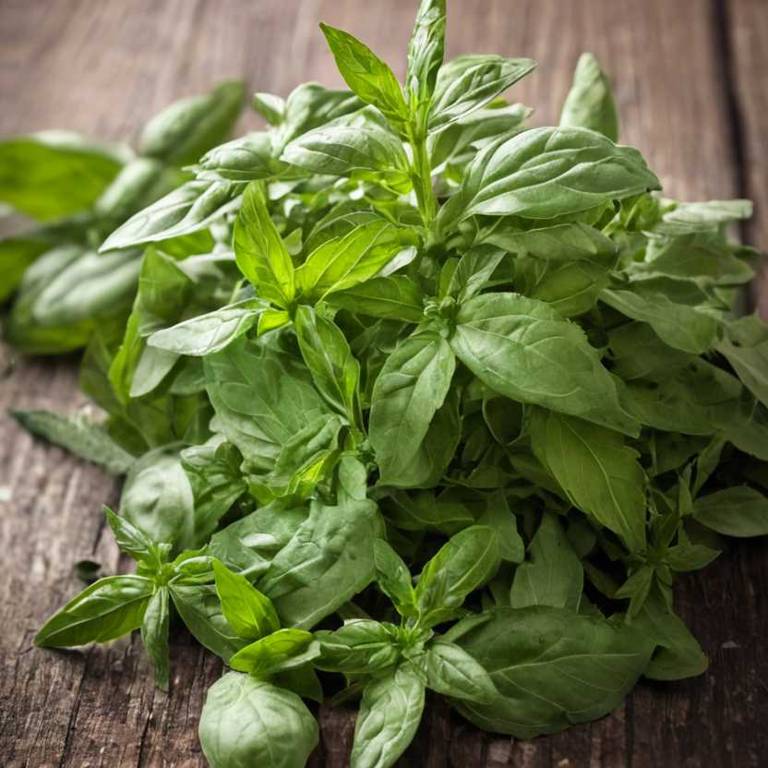
Anticellulitic activity refers to the ability of certain substances to reduce the appearance of cellulite by improving microcirculation and promoting the breakdown of accumulated subcutaneous fat. Herbs such as Crataegus monogyna, Ocimum basilicum, and Fraxinus ornus exhibit this property by enhancing lymphatic drainage and strengthening capillary walls to smooth skin texture.

Associated herbs: 24

Occurs naturally in

Crataegus monogyna

Ocimum basilicum

Fraxinus ornus

View all Anticellulitic herbs →

Anticephalagic

Anticephalgic herbs possess the biological capability to relieve or prevent headaches and migraines by modulating pain pathways in the nervous system. Common examples of plants exhibiting this activity include Pimpinella aromatica, Erythrina fusca, and Rhus glabra.

Associated herbs: 524

Occurs naturally in

Pimpinella aromatica

Erythrina fusca

Rhus glabra

View all Anticephalagic herbs →

Anticerebrothrombotic

Anticerebrothrombotic activity refers to the ability of a substance to prevent the formation of blood clots within the cerebral arteries, thereby reducing the risk of ischemic strokes. Medicinal herbs such as Anisodus tanguticus exhibit this property by helping to maintain blood flow to the brain and preventing obstructive blockages.

Associated herbs: 1

Occurs naturally in

Anisodus tanguticus

View all Anticerebrothrombotic herbs →

Anticerebrotic

Anticerebrotic activity refers to the ability of a substance to inhibit or counteract the harmful effects of neurotoxins and prevent neurodegeneration within the brain. Medicinal herbs such as Annona muricata, Rauvolfia serpentina, and Trigonella foenum-graecum exhibit these properties by protecting neural pathways and mitigating brain damage.
Associated herbs: 48

Occurs naturally in

Annona muricata

Rauvolfia serpentina

Trigonella foenum-graecum

View all Anticerebrotic herbs →

Anticervicaldysplasic

Anticervical dysplastic activity refers to the ability of certain medicinal herbs to inhibit or prevent the abnormal development of cells in the cervix, which is often a precursor to cervical cancer. Herbs such as Pimpinella aromatica, Erythrina fusca, and Thymus vulgaris exhibit this biological activity by potentially regulating cell growth and suppressing the lesions associated with dysplasia.

Associated herbs: 440

Occurs naturally in

Pimpinella aromatica

Erythrina fusca

Thymus vulgaris

View all Anticervicaldysplasic herbs →

Anticervicobrachialgic

Anticervicobrachialgic activity refers to the ability of a substance to alleviate pain or inflammation specifically located in the cervix and the brachial region of the upper limb. Herbs such as Aesculus hippocastanum (Horse Chestnut) exhibit these properties by improving vascular tone and reducing localized swelling.

Associated herbs: 1

Occurs naturally in

Aesculus hippocastanum

View all Anticervicobrachialgic herbs →

Anticheilitic

Anticholinergic activity refers to the ability of a substance to block the action of acetylcholine, a neurotransmitter, thereby inhibiting the parasympathetic nervous system's signals to various organs. Medicinal herbs such as Pimpinella aromatica, Erythrina fusca, and Thymus vulgaris exhibit these properties, which can help manage conditions like gastrointestinal spasms or certain neurological symptoms.

Associated herbs: 529

Occurs naturally in

Pimpinella aromatica

Erythrina fusca

Thymus vulgaris

View all Anticheilitic herbs →

Anticheilotic

Anticholinergic activity refers to the ability of a substance to block the action of acetylcholine, a neurotransmitter that transmits signals between nerve cells and muscles. Herbs exhibiting this property, such as Lepidium meyenii (Maca) and Petroselinum crispum (Parsley), can influence various physiological processes including heart rate, digestion, and glandular secretions.

Associated herbs: 2

Occurs naturally in

Lepidium meyenii

Petroselinum crispum

View all Anticheilotic herbs →

Antichilblain

Anticholinergic activity refers to the ability of a substance to block acetylcholine, a neurotransmitter, from binding to its receptors in the nervous system. This biological action is often used to reduce secretions, calm muscle spasms, or treat certain neurological conditions. Examples of herbs exhibiting this activity include Erythrina fusca, Thymus vulgaris, and Allium ampeloprasum.

Associated herbs: 367

Occurs naturally in

Erythrina fusca

Thymus vulgaris

Allium ampeloprasum

View all Antichilblain herbs →

Antichlamydial

Antichlamydial activity refers to the ability of certain medicinal herbs to inhibit the growth or prevent the infection of Chlamydia, a common genus of intracellular bacteria. Herbs such as Berberis aquifolium, Podophyllum peltatum, and Berberis aristata (often associated with Berberis species) exhibit this property, frequently due to the presence of bioactive alkaloids like berberine.

Associated herbs: 29

Occurs naturally in

Berberis aquifolium

Podophyllum peltatum

Berberis sheridaniana

View all Antichlamydial herbs →

Anticholecystitic

Anticholecystitic activity refers to the ability of a substance to inhibit the contraction of the gallbladder, thereby preventing the release of bile into the digestive tract. Herbs such as Berberis aquifolium, Podophyllum peltatum, and Berberis sheriffiana exhibit this biological activity, which can be clinically useful in treating gallbladder spasms or preventing biliary colic.

Associated herbs: 29

Occurs naturally in

Berberis aquifolium

Podophyllum peltatum

Berberis sheridaniana

View all Anticholecystitic herbs →

Anticholecystosic

Anticholecystokinetic activity refers to the ability of a substance to inhibit the contraction of the gallbladder, thereby preventing the release of bile into the digestive tract. Medicinal herbs such as Helena speciosa, Zingiber officinale, and Curcuma longa exhibit this property, which can be useful in managing certain biliary disorders.

Associated herbs: 4

Occurs naturally in

Hellenia speciosa

Zingiber officinale

Curcuma longa

View all Anticholecystosic herbs →

Anticholera

Anticholera activity refers to the ability of certain medicinal herbs to inhibit the secretion of fluids and electrolytes into the intestinal lumen, thereby preventing or treating the dehydration caused by cholera. Herbs such as Berberis aquifolium, Podophyllum peltatum, and Berberis sheridiana exhibit this biological activity by exerting antimicrobial effects or modulating intestinal motility to control diarrhea.

Associated herbs: 29

Occurs naturally in

Berberis aquifolium

Podophyllum peltatum

Berberis sheridaniana

View all Anticholera herbs →

Anticholeretic

Anticholinergic activity refers to the ability of a substance to block the action of acetylcholine, a neurotransmitter that triggers various physiological responses in the nervous system. Herbs such as Zingiber officinale, Curcuma longa, and Curcuma aromatica exhibit these properties, which can help modulate intestinal motility and reduce spasms.

Associated herbs: 3

Occurs naturally in

Zingiber officinale

Curcuma longa

Curcuma aromatica

View all Anticholeretic herbs →

Anticholestatic

Anticholinesterase activity refers to the ability of a substance to inhibit the enzyme acetylcholinesterase, thereby increasing the concentration of the neurotransmitter acetylcholine in the nervous system. This biological property is often studied for its potential to improve cognitive function and treat neurodegenerative disorders, and it can be found in medicinal herbs such as Thymus vulgaris, Sambucus nigra, and Prunus persica.

Associated herbs: 96

Occurs naturally in

Thymus vulgaris

Sambucus nigra

Prunus persica

View all Anticholestatic herbs →

Anticholesteremic

Anticholinesterase activity refers to the ability of a substance to inhibit the enzyme acetylcholinesterase, thereby preventing the breakdown of acetylcholine and increasing its concentration in the nervous system. This mechanism is often studied for its potential to enhance cognitive function and treat neurodegenerative conditions like Alzheimer's disease. Examples of herbs exhibiting this biological activity include Cucurbita pepo, Annona squamosa, and Piper betle.

Associated herbs: 9

Occurs naturally in

Cucurbita pepo

Annona squamosa

Piper betle

View all Anticholesteremic herbs →

Anticholesterogenic

Anticholesterolemic activity refers to the ability of a substance to reduce the levels of cholesterol in the blood, thereby helping to prevent cardiovascular diseases. Many medicinal herbs possess this property, such as Allium sativum (garlic), which helps lower LDL cholesterol and improve lipid profiles.

Associated herbs: 1

Occurs naturally in

Allium sativum

View all Anticholesterogenic herbs →

Anticholinesterase?

Anticholinesterase activity refers to the ability of a substance to inhibit the enzyme acetylcholinesterase, thereby preventing the breakdown of acetylcholine and increasing its concentration in the nervous system. This mechanism is often studied for its potential to enhance cognitive functions and treat neurodegenerative conditions like Alzheimer's disease. Examples of herbs exhibiting this biological activity include Pimpinella aromatica, Sarracenia flava, and Thymus vulgaris.

Associated herbs: 93

Occurs naturally in

Pimpinella aromatica

Sarracenia flava

Thymus vulgaris

View all Anticholinesterase? herbs →

Antichorea

Antichorea refers to the biological activity of reducing or preventing involuntary, spasmodic, or irregular movements of the body. Herbs such as Foeniculum vulgare, Helianthus annuus, and Medicago sativa possess properties that help stabilize these neurological or muscular disturbances.

Associated herbs: 35

Occurs naturally in

Foeniculum vulgare

Helianthus annuus

Medicago sativa

View all Antichorea herbs →

Antichoreic

Antichoreic activity refers to the ability of a substance to reduce or inhibit the excessive secretion of gastric juices in the stomach. Herbs such as Pimpinella aromatica, Annona muricata, and Peumus boldus exhibit this property, making them useful in managing conditions characterized by hyperacidity.

Associated herbs: 181

Occurs naturally in

Pimpinella aromatica

Annona muricata

Peumus boldus

View all Antichoreic herbs →

Antichorioadenomic

Antichorioadenomic activity refers to the biological capacity of certain medicinal herbs to inhibit the abnormal proliferation or secretion of glandular tissues within the choroid and adenoid structures. Herbs such as Styphnolobium japonicum, Sophora pachycarpa, and Sophora flavescens var. flavescens are recognized for possessing these specific therapeutic properties.

Associated herbs: 3

Occurs naturally in

Styphnolobium japonicum

Sophora pachycarpa

Sophora flavescens var. flavescens

View all Antichorioadenomic herbs →

Antichoriocarcinomic

Antichorioncarcinomic activity refers to the ability of certain substances to inhibit the growth or spread of tumors within the chorionic tissue or related placental-derived malignancies. Medicinal herbs such as Trichosantheropsis kirilowii exhibit this biological activity, demonstrating potential in suppressing the proliferation of specific cancerous cells.

Associated herbs: 1

Occurs naturally in

Trichosanthes kirilowii

View all Antichoriocarcinomic herbs →

Anticirrhotic

Anticirrhiotic activity refers to the ability of certain medicinal herbs to help prevent or mitigate the progression of cirrhosis, a condition characterized by extensive scarring of the liver tissue. Herbs such as Pimpinella aromatica, Rhus glabra, and Thymus vulgaris are studied for their potential to protect liver cells and reduce the inflammatory processes that lead to this damage.

Associated herbs: 290

Occurs naturally in

Pimpinella aromatica

Rhus glabra

Thymus vulgaris

View all Anticirrhotic herbs →

Anticirrhotic?

Anticirrhiotic activity refers to the medicinal ability of certain herbs to help prevent, treat, or mitigate the effects of cirrhosis, which is the scarring and progressive destruction of liver tissue. Examples of plants documented to possess this biological activity include Rhus glabra, Foeniculum vulgare, and Diospyros virginiana.

Associated herbs: 97

Occurs naturally in

Rhus glabra

Foeniculum vulgare

Diospyros virginiana

View all Anticirrhotic? herbs →

Anticlaudificant?

Anticlauclafidant activity refers to the ability of certain biological compounds to inhibit the formation and progression of blood clots, thereby preventing thrombosis. Various medicinal herbs, such as Annona muricata, Oryza sativa, and Prunus persica, exhibit these properties due to their specific phytochemical constituents.

Associated herbs: 101

Occurs naturally in

Annona muricata

Oryza sativa

Prunus persica

View all Anticlaudificant? herbs →

Anticlimacteric

Anticlimacteric activity refers to the ability of certain substances to delay or inhibit the climacteric phase, which is the period of rapid respiration and ethylene production that triggers fruit ripening and senescence. Herbs such as Pimpinella aromatica, Erythrina fusca, and Rhus glabra exhibit this biological activity, potentially serving as natural agents to extend the shelf life and freshness of harvested produce.

Associated herbs: 702

Occurs naturally in

Pimpinella aromatica

Erythrina fusca

Rhus glabra

View all Anticlimacteric herbs →

Anticoccidioid

Anticoccidioid activity refers to the ability of certain medicinal herbs to inhibit or destroy Coccidioides species, which are the fungal pathogens responsible for causing coccidioidomycosis (Valley Fever). Examples of herbs demonstrating this biological activity include Zingiber officinale (ginger) and Curcuma longa (turmeric).

Associated herbs: 1

Occurs naturally in

Zingiber officinale

View all Anticoccidioid herbs →

Anticoeliac

Anticoeliac activity refers to the ability of certain medicinal herbs to alleviate the symptoms of celiac disease or reduce intestinal inflammation and damage caused by gluten sensitivity. Herbs such as Pimpinella aromatica, Rhus glabra, and Thymus vulgaris exhibit these properties, helping to support gastrointestinal health and mucosal integrity.

Associated herbs: 374

Occurs naturally in

Pimpinella aromatica

Rhus glabra

Thymus vulgaris

View all Anticoeliac herbs →

Anticold

Anticold herbs possess biological activities that help alleviate symptoms of the common cold by reducing inflammation, relieving congestion, or supporting the immune system. Examples of plants exhibiting this medicinal property include Pimpinella aromatica, Erythrina fusca, and Rhus glabra.

Associated herbs: 548

Occurs naturally in

Pimpinella aromatica

Erythrina fusca

Rhus glabra

View all Anticold herbs →

Anticolitic

Anticolytic activity refers to the ability of a substance to prevent or inhibit the formation of kidney stones by reducing the crystallization of minerals in the urinary tract. Medicinal herbs such as Pimpinella aromatica, Erythrina fusca, and Rhus glabra exhibit this property, helping to maintain renal health and prevent stone accumulation.

Associated herbs: 642

Occurs naturally in

Pimpinella aromatica

Erythrina fusca

Rhus glabra

View all Anticolitic herbs →

Anticolitic?

Anticolytic activity refers to the ability of a substance to prevent or reduce the occurrence of involuntary, spasmodic contractions of the intestinal muscles. Herbs such as Petasites japonicus, Punica granatum, and Gentiana lutea exhibit this biological activity by helping to stabilize smooth muscle movement and alleviate abdominal cramping.

Associated herbs: 29

Occurs naturally in

Petasites japonicus

Punica granatum

Gentiana lutea

View all Anticolitic? herbs →

Anticollagenic

Anticollagenic activity refers to the ability of certain substances to inhibit the excessive production or the enzymatic breakdown of collagen, which helps prevent skin aging and tissue fibrosis. Herbs such as Hellenia speciosa, Zingiber officinale, and Curcuma longa exhibit this property by regulating the enzymes responsible for collagen remodeling.

Associated herbs: 4

Occurs naturally in

Hellenia speciosa

Zingiber officinale

Curcuma longa

View all Anticollagenic herbs →

Anticollegenase

Anticollagenase activity refers to the ability of certain compounds to inhibit the enzyme collagenase, thereby preventing the breakdown of collagen fibers in the skin and connective tissues. By preserving the integrity of the extracellular matrix, herbs such as Dianthus caryophyllus, Kalanchoe gastonis-bonnieri, and Sauvagesia erecta can help maintain skin elasticity and slow the aging process.

Associated herbs: 23

Occurs naturally in

Dianthus caryophyllus

Kalanchoe gastonis-bonnieri

Sauvagesia erecta

View all Anticollegenase herbs →

Anticolonospasmic

Anticolonospasmic activity refers to the ability of certain substances to reduce or prevent involuntary contractions of the smooth muscles in the colon. This action helps alleviate abdominal cramps and soothe intestinal spasms, a property found in herbs such as Capsicum frutescens, Zingiber officinale, and Capsicum annuum.

Associated herbs: 3

Occurs naturally in

Capsicum frutescens

Zingiber officinale

Capsicum annuum

View all Anticolonospasmic herbs →

Anticondylomata

Anticondylomata refers to the biological ability of certain medicinal herbs to treat or inhibit the growth of condylomata, which are wart-like lesions typically caused by the human papillomavirus (HPV). This therapeutic activity is notably exhibited by plants in the Podophyllum genus, such as Podophyllum peltatum, Podophyllum peiantanum, and Podophyllum hexandrum.

Associated herbs: 6

Occurs naturally in

Podophyllum peltatum

Podophyllum pleianthum

Podophyllum hexandrum

View all Anticondylomata herbs →

Anticonjunctivitic

Anticonjunctivitic activity refers to the ability of a substance to prevent or treat inflammation and infection of the conjunctiva, the thin membrane covering the white part of the eye. Various medicinal herbs, such as Berberis aquifolium, Podophyllum peltatum, and Berberis aristata (often referred to in related contexts as Berberis sheridaniana), possess these properties due to their antimicrobial and soothing botanical compounds.

Associated herbs: 30

Occurs naturally in

Berberis aquifolium

Podophyllum peltatum

Berberis sheridaniana

View all Anticonjunctivitic herbs →

Anticonstrictive

Anticonstrictive activity refers to the ability of a substance to promote the relaxation of smooth muscle cells within blood vessels, thereby increasing blood flow and reducing vascular resistance. Herbs such as Conium semmins (often associated with Conium officinale), Apium graveolens, and Scutellaria baicalensis exhibit this property, making them useful in managing hypertension and improving circulation.

Associated herbs: 7

Occurs naturally in

Conioselinum officinale

Apium graveolens

Scutellaria baicalensis

View all Anticonstrictive herbs →

Anticorneitic

Anticorneitic activity refers to the ability of certain substances to prevent or reduce the excessive buildup of keratin, the protein that forms the outermost layer of the skin. Herbs such as Lycium barbarum (Goji berry) and Petroselinum crispum (Parsley) exhibit these properties, helping to maintain skin smoothness and prevent the formation of thick, calloused tissue.

Associated herbs: 2

Occurs naturally in

Lycium barbarum

Petroselinum crispum

View all Anticorneitic herbs →

Anticorneotic

Anticorneotic activity refers to the ability of a substance to prevent or inhibit the formation of corn (hyperkeratosis), which is the excessive buildup of the protein keratin on the skin's surface. Medicinal herbs such as Rhus glabrum, Thymus vulgaris, and Cinnamomum aromaticum exhibit this property, helping to regulate skin cell proliferation and maintain a smooth texture.

Associated herbs: 188

Occurs naturally in

Rhus glabra

Thymus vulgaris

Cinnamomum aromaticum

View all Anticorneotic herbs →

Anticoronary

Anticoronary activity refers to the ability of certain substances to protect the heart and coronary arteries by improving blood flow and preventing damage to the cardiovascular system. Herbs such as Pimpinella aromatica, Erythrina fusca, and Rhus glabra exhibit these properties, helping to mitigate risks associated with coronary insufficiency.

Associated herbs: 642

Occurs naturally in

Pimpinella aromatica

Erythrina fusca

Rhus glabra

View all Anticoronary herbs →

Anticoryzic

Anticoryzic activity refers to the ability of certain medicinal herbs to alleviate or prevent the symptoms of a common cold, such as nasal congestion and sneezing. Herbs such as Papaver bracteatum, Eschscholzia californica, and Argemonia mexicana exhibit these properties, helping to soothe respiratory discomfort.

Associated herbs: 4

Occurs naturally in

Papaver bracteatum

Eschscholzia californica

Argemone mexicana

View all Anticoryzic herbs →

Anticryptococcic

Anticryptococcic activity refers to the ability of a substance to inhibit the growth of or eliminate Cryptococcus species, which are pathogenic fungi often responsible for meningitis. Various medicinal plants exhibit this property, such as Allium cepa (onion), which contains bioactive compounds capable of disrupting fungal cell structures.

Associated herbs: 1

Occurs naturally in

Allium cepa

View all Anticryptococcic herbs →

Anticystinuric

Anticystinuric activity refers to the ability of a substance to inhibit the formation or excretion of cystinuria, a condition characterized by the abnormal accumulation of cystine in the urine. Herbs such as Pimpinella aromatica, Peumus boldus, and Foeniculum vulgare are noted for exhibiting this biological property.

Associated herbs: 136

Occurs naturally in

Pimpinella aromatica

Peumus boldus

Foeniculum vulgare

View all Anticystinuric herbs →

Anticystitic

Anticystitic activity refers to the ability of a substance to inhibit the formation, growth, or development of cysts within biological tissues. Several medicinal herbs, such as Pimpinella aromatica, Magnolia denudata, and Melia azedarach, exhibit these properties through their bioactive compounds.

Associated herbs: 285

Occurs naturally in

Pimpinella aromatica

Magnolia denudata

Melia azedarach

View all Anticystitic herbs →

Anticytomegalic

Anticyto megalic activity refers to the ability of a substance to prevent or inhibit megaloblastic changes, which are characterized by the abnormal enlargement of cells due to impaired DNA synthesis. Herbs such as Hypericum perforatum (St. John's wort) are studied for their potential to influence cellular processes and support healthy hematopoiesis.

Associated herbs: 1

Occurs naturally in

Hypericum perforatum

View all Anticytomegalic herbs →

Anticytomegalovirus

Anticytoomegalovirus activity refers to the ability of certain medicinal herbs to inhibit the replication or spread of the Cytomegalovirus (CMV), a common member of the herpesvirus family. Plants such as Rheum officinale, Rumex trisetifer, and Alnus glutinosa exhibit this biological activity through bioactive compounds that interfere with the viral life cycle.

Associated herbs: 18

Occurs naturally in

Rheum officinale

Rumex trisetifer

Alnus glutinosa

View all Anticytomegalovirus herbs →