Explore herbs biological activities

  • 11249 Plants
  • |
  • 30137 Compounds
  • |
  • 1951 Activities
  • |
  • 132161 Studies

Explore Herbs


Alphabet


Biological Activity

View all →

Bioactive Compounds

View all →

List of herbs biological activities

Showing 625-672 out of 1951 results

Antibradiquinic

Antibradiquinic activity refers to the biological capacity of certain plant compounds to inhibit or counteract the formation and progression of radiodermatitis, which is skin damage caused by ionizing radiation. Herbs such as Hibiscus syriacus, Trigonella foenum-graecum, and Crataegus monogyna exhibit this property, potentially helping to protect dermal tissues from radiation-induced inflammation and injury.

Associated herbs: 27

Occurs naturally in

Hibiscus syriacus
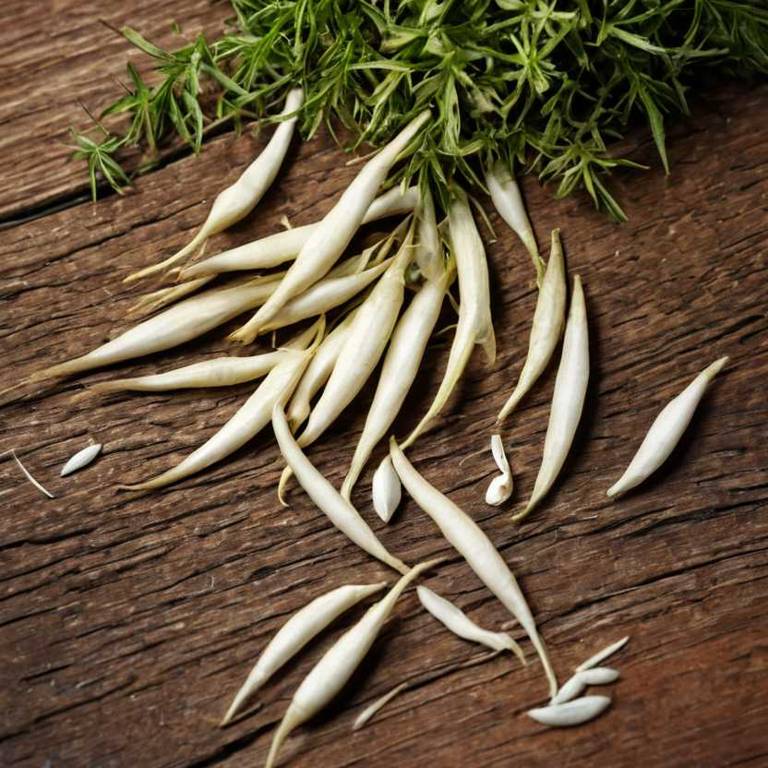
Trigonella foenum-graecum
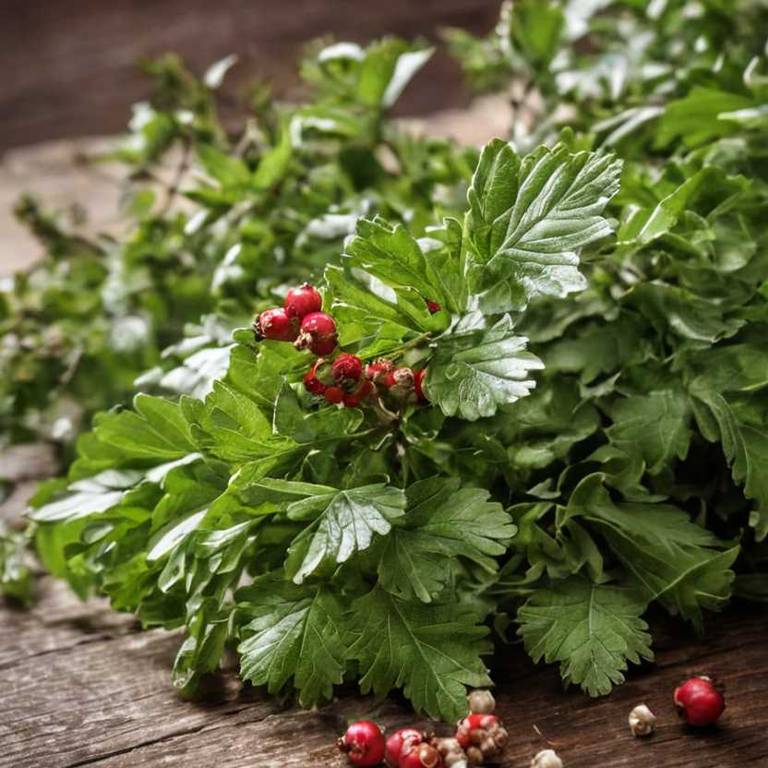
Crataegus monogyna
View all Antibradiquinic herbs →

Antibradyarrhythmic

Antibradyarhythmic activity refers to the ability of certain substances to stabilize the heart's electrical activity and prevent abnormal rhythms or irregular heartbeats. Herbs such as Ilex paraguariensis, Coffea arabica, and Camellia sinensis exhibit this biological property through the controlled modulation of cardiac conduction.

Associated herbs: 7

Occurs naturally in

Ilex paraguariensis

Coffea arabica

Camellia sinensis

View all Antibradyarrhythmic herbs →

Antibradycardic

An antiarrhythmic activity refers to the ability of a substance to restore a normal heart rhythm or control irregular heartbeats. Certain medicinal herbs, such as Solanum dulcamara, Mandragora officinarum, and Duboisia myoides, contain alkaloids that can exert this effect on the cardiovascular system.

Associated herbs: 12

Occurs naturally in

Solanum dulcamara

Mandragora officinarum

Duboisia myoporoides

View all Antibradycardic herbs →

Antibradykinetic

Antibradykinesia refers to the biological ability of a substance to inhibit or reduce excessive, involuntary, or hyperkinetic muscle movements. This activity is often used in pharmacology to treat conditions characterized by motor restlessness or tremors, with herbs such as Salvia rosmarinus (rosemary) being studied for these potential neuromodulatory effects.

Associated herbs: 1

Occurs naturally in

Salvia rosmarinus

View all Antibradykinetic herbs →

Antibradykinic

Antibacterial activity refers to the ability of a substance to inhibit the growth of or destroy harmful bacteria. Many medicinal herbs, such as Mentha canadensis, Capsicum frutescens, and Mentha spicata, possess this property due to their rich concentration of bioactive compounds.

Associated herbs: 36

Occurs naturally in

Mentha canadensis

Capsicum frutescens

Mentha spicata

View all Antibradykinic herbs →

Antibronchitic

Antibronchitic activity refers to the ability of a substance to alleviate or prevent inflammation and constriction in the bronchial tubes, thereby facilitating easier breathing. Herbs such as Micromeria varia exhibit this biological activity by helping to reduce airway irritation and clear respiratory passages.

Associated herbs: 455

Occurs naturally in

Micromeria ericifolia

Elsholtzia ciliata

Cuscuta europaea

View all Antibronchitic herbs →

Antibronchoconstrictor

Antibronchoconstrictors act by relaxing the smooth muscles of the airways, thereby preventing the narrowing of the bronchial tubes and facilitating easier breathing. Herbs such as Pimpinella aromatica, Allium ampeloprasum, and Simaba orinocensis exhibit this biological activity, making them useful in managing respiratory conditions like asthma or bronchitis.

Associated herbs: 77

Occurs naturally in

Pimpinella aromatica

Allium ampeloprasum

Simaba orinocensis

View all Antibronchoconstrictor herbs →

Antibrucellosic

Antibrucellosic activity refers to the ability of certain medicinal substances to inhibit the growth or eliminate Brucella bacteria, which are the causative agents of brucellosis. Examples of herbs that exhibit this biological activity include Thymus vulgaris, Cinnamomum aromaticum, and Peumus boldus.

Associated herbs: 47

Occurs naturally in

Thymus vulgaris

Cinnamomum aromaticum

Peumus boldus

View all Antibrucellosic herbs →

Antiburn

Antiburn activity refers to the ability of medicinal herbs to reduce inflammation, soothe skin irritation, and accelerate the healing process of thermal or chemical burns. Herbs such as Camphora officinalis, Teucrium asiaticum, and Ocimum basilicum exhibit this property by providing cooling effects and protecting damaged tissues from further injury.

Associated herbs: 20

Occurs naturally in

Camphora officinarum

Teucrium asiaticum

Ocimum basilicum

View all Antiburn herbs →

Antibursitic

Antibursitic activity refers to the ability of a substance to reduce or prevent the formation of bursae, which are fluid-filled sacs that can become inflamed or filled with excess fluid. Herbs such as Hippomane mancinella exhibit this biological activity by helping to mitigate swelling and fluid accumulation in these tissues.

Associated herbs: 1

Occurs naturally in

Hippomane mancinella

View all Antibursitic herbs →

Antibutylcholinesterase

Acetylcholinesterase inhibitors work by preventing the breakdown of the neurotransmitter acetylcholine, thereby increasing its concentration in the synaptic cleft to improve nerve impulse transmission. Herbs such as Huperzia serrata, Narcissus tazetta, and Hippeastrum vittatum exhibit this activity, making them subjects of interest for treating cognitive impairments like Alzheimer's disease.

Associated herbs: 8

Occurs naturally in

Narcissus tazetta

Huperzia serrata

Hippeastrum vittatum

View all Antibutylcholinesterase herbs →

Anticalculic

Anticalcific activity refers to the ability of a substance to prevent or inhibit the formation of calcium deposits, such as kidney or bladder stones, within the body. Herbs like Annona muricata, Solanum nigrum, and Chaenomeles japonica exhibit this property by helping to regulate mineral excretion and prevent crystallization.
Associated herbs: 119

Occurs naturally in

Annona muricata

Solanum nigrum

Chaenomeles japonica

View all Anticalculic herbs →

Anticancer (Bladder)

Certain medicinal herbs exhibit anticancer activity against bladder cancer by inhibiting tumor cell proliferation and inducing apoptosis in malignant cells. Examples of plants known to demonstrate these potential therapeutic effects include Prunus persica, Solanum dulcamara, and Urtica spicata.

Associated herbs: 24

Occurs naturally in

Prunus persica

Solanum dulcamara

Urtica spatulata

View all Anticancer (Bladder) herbs →

Anticancer (Breast)

Certain medicinal herbs exhibit anticancer activity against breast cancer by inhibiting tumor cell proliferation and inducing apoptosis in malignant tissues. Examples of plants demonstrating this biological potential include Pimpinella aromatica, Sarracenia flava, and Croton eluteria.

Associated herbs: 550

Occurs naturally in

Pimpinella aromatica

Sarracenia flava

Croton eluteria

View all Anticancer (Breast) herbs →

Anticancer (Cervix)

Certain medicinal herbs possess anticancer properties specifically targeting cervical cancer by inhibiting the proliferation and survival of malignant cells. For example, plants such as Micromeria varia have demonstrated potential in disrupting the growth of cervical cancer cell lines through bioactive phytochemicals.

Associated herbs: 499

Occurs naturally in

Micromeria ericifolia

Pimpinella aromatica

Sarracenia flava

View all Anticancer (Cervix) herbs →

Anticancer (Colon)

Certain medicinal herbs exhibit anticancer activity against colon cancer by inhibiting tumor cell proliferation and inducing apoptosis in malignant cells. Examples of plants demonstrating this biological potential include Pimpinella aromatica, Thymus vulgaris, and Allium ampeloprasum.

Associated herbs: 323

Occurs naturally in

Pimpinella aromatica

Thymus vulgaris

Allium ampeloprasum

View all Anticancer (Colon) herbs →

Anticancer (Duodenum)

Certain medicinal herbs exhibit anticancer activity in the duodenum by inhibiting the proliferation of malignant cells and inducing apoptosis within the upper small intestine. For instance, plants such as Helena speciosa, Zingiber officinale, and Curcuma longa contain bioactive compounds that help suppress tumor growth in this specific gastrointestinal region.

Associated herbs: 4

Occurs naturally in

Hellenia speciosa

Zingiber officinale

Curcuma longa

View all Anticancer (Duodenum) herbs →

Anticancer (Esophagus)

Certain medicinal herbs exhibit anticancer activity against esophageal cancer by inhibiting tumor cell proliferation and inducing apoptosis in malignant tissues. For instance, plants such as Potentilla indica, Juglans nigra, and Arbutus unedo contain bioactive compounds that may help suppress the progression of esophageal malignancies.

Associated herbs: 56

Occurs naturally in

Potentilla indica

Juglans nigra

Arbutus unedo

View all Anticancer (Esophagus) herbs →

Anticancer (Esophagus)?

Certain medicinal herbs exhibit anticancer activity against esophageal cancer by inducing apoptosis and inhibiting the proliferation of malignant cells in the esophageal lining. Examples of plants documented for such potential biological activity include Rhus glabra, Diospyros virginiana, and Prunus persica.

Associated herbs: 80

Occurs naturally in

Rhus glabra

Diospyros virginiana

Prunus persica

View all Anticancer (Esophagus)? herbs →

Anticancer (Forestomach)

Certain medicinal herbs exhibit anticancer activity specifically against forestomach tumors by inhibiting abnormal cell proliferation and inducing apoptosis in gastric tissues. Examples of plants demonstrating this protective biological activity include Pimpinella aromatica, Thymus vulgaris, and Allium ampeloprasum.

Associated herbs: 229

Occurs naturally in

Pimpinella aromatica

Thymus vulgaris

Allium ampeloprasum

View all Anticancer (Forestomach) herbs →

Anticancer (Gastric)

Certain medicinal herbs possess anticancer activities specifically targeting gastric cells by inducing apoptosis or inhibiting tumor cell proliferation in the stomach lining. Examples of plants demonstrating this biological activity include Croton euperianum, Tagetes erecta, and Foeniculum vulgare.

Associated herbs: 28

Occurs naturally in

Croton eluteria

Tagetes erecta

Foeniculum vulgare

View all Anticancer (Gastric) herbs →

Anticancer (Kidney)

Certain medicinal herbs possess anticancer properties specifically targeting kidney cells by inducing apoptosis and inhibiting the proliferation of renal tumor cells. Examples of plants exhibiting this biological activity include Thymus vulgaris, Cinnamomum aromaticum, and Peumus boldus.

Associated herbs: 48

Occurs naturally in

Thymus vulgaris

Cinnamomum aromaticum

Peumus boldus

View all Anticancer (Kidney) herbs →

Anticancer (Liver)

Certain medicinal herbs exhibit anticancer activity against liver cells by inducing apoptosis in malignant cells and inhibiting tumor growth through antioxidant mechanisms. Examples of plants demonstrating this hepatoprotective and anticancer potential include Pimpinella aromatica, Thymus vulgaris, and Allium ampeloprasum.

Associated herbs: 255

Occurs naturally in

Pimpinella aromatica

Thymus vulgaris

Allium ampeloprasum

View all Anticancer (Liver) herbs →

Anticancer (Lung)

Certain medicinal herbs exhibit anticancer activity against lung cancer by inducing apoptosis in malignant cells and inhibiting tumor proliferation. Examples of plants known for these potential therapeutic properties include Pimpinella aromatica, Sarracenia flava, and Thymus vulgaris.

Associated herbs: 407

Occurs naturally in

Pimpinella aromatica

Sarracenia flava

Thymus vulgaris

View all Anticancer (Lung) herbs →

Anticancer (Mammary)

Certain medicinal herbs exhibit anticancer activity specifically targeting mammary cells by inducing apoptosis and inhibiting the proliferation of breast cancer lineages. Examples of plants known for this biological activity include Helena speciosa, Zingiber officinale, and Curcuma longa.

Associated herbs: 4

Occurs naturally in

Hellenia speciosa

Zingiber officinale

Curcuma longa

View all Anticancer (Mammary) herbs →

Anticancer (Mouth)

Certain medicinal herbs possess anticancer properties specifically targeting oral tissues by inhibiting the proliferation of malignant cells and inducing apoptosis in oral cancer cells. For example, plants such as Potentilla indica, Juglans nigra, and Arbutus unedo contain bioactive compounds that may help protect the oral cavity from cancerous transformations.

Associated herbs: 56

Occurs naturally in

Potentilla indica

Juglans nigra

Arbutus unedo

View all Anticancer (Mouth) herbs →

Anticancer (Oral)

Certain medicinal herbs exhibit oral anticancer activity by delivering bioactive compounds through the digestive system to inhibit tumor growth or induce apoptosis in cancer cells. Examples of plants known for this biological potential include Araucaria bidwillii, Juniperus rigida var. rigida, and Juniperus seravschanica.

Associated herbs: 3

Occurs naturally in

Araucaria bidwillii

Juniperus rigida var. rigida

Juniperus seravschanica

View all Anticancer (Oral) herbs →

Anticancer (Pancreas)

Certain medicinal herbs exhibit anticancer activity specifically targeting the pancreas by inducing apoptosis in malignant cells and inhibiting tumor proliferation. Examples of plants demonstrating such potential include Thymus vulgaris, Pycnanthemum pycnanthemoides, and Santalum album.

Associated herbs: 154

Occurs naturally in

Thymus vulgaris

Pycnanthemum pycnanthemoides

Santalum album

View all Anticancer (Pancreas) herbs →

Anticancer (Prostate)

Certain medicinal herbs exhibit anticancer activity against prostate cancer by inhibiting tumor cell proliferation and inducing apoptosis in malignant cells. For instance, species such as Thymus vulgaris, Cinnamomum aromaticum, and Peumus boldus contain bioactive compounds that may help disrupt the growth of prostate cancer cells.

Associated herbs: 80

Occurs naturally in

Thymus vulgaris

Cinnamomum aromaticum

Peumus boldus

View all Anticancer (Prostate) herbs →

Anticancer (Skin)

Certain medicinal herbs possess anticancer properties specifically targeting skin cells by inhibiting tumor growth and inducing apoptosis in malignant cells. Examples of plants exhibiting this biological activity include Pimpinella aromatica, Thymus vulgaris, and Allium ampeloprasum.

Associated herbs: 246

Occurs naturally in

Pimpinella aromatica

Thymus vulgaris

Allium ampeloprasum

View all Anticancer (Skin) herbs →

Anticancer (Stomach)

Certain medicinal herbs exhibit anticancer activity in the stomach by inhibiting tumor cell proliferation and inducing apoptosis in gastric cancer cells. Examples of plants known for this biological activity include Allium ampeloprasum, Hellenia speciosa, and Raphanus sativus subsp. raphanum.

Associated herbs: 10

Occurs naturally in

Allium ampeloprasum

Hellenia speciosa

Raphanus raphanistrum subsp. sativus

View all Anticancer (Stomach) herbs →

Anticanker

Anticanker activity refers to the ability of certain medicinal herbs to inhibit the growth, spread, or severity of canker diseases, which are typically caused by pathogenic bacteria or fungi that damage plant tissues. Examples of plants exhibiting this biological activity include Pimpinella aromatica, Erythrina fusca, and Rhus glabra.

Associated herbs: 533

Occurs naturally in

Pimpinella aromatica

Erythrina fusca

Rhus glabra

View all Anticanker herbs →

Anticapillarihemorrhagic

Anticapillaryhemorrhagic activity refers to the ability of a substance to prevent or reduce the leakage of blood from capillaries by strengthening the integrity of the capillary walls. Herbs such as Panax quinquefolius (American ginseng) and Aesculus hippocastanum (Horse chestnut) exhibit this property by improving vascular resistance and reducing capillary permeability.

Associated herbs: 2

Occurs naturally in

Panax quinquefolius

Aesculus hippocastanum

View all Anticapillarihemorrhagic herbs →

Anticapillary-Fragility

Anticapillary-fragility refers to the ability of certain medicinal herbs to strengthen the walls of the capillaries and reduce their tendency to rupture or leak. This activity helps improve microcirculation and prevents symptoms such as bruising, edema, and petechiae. Examples of herbs exhibiting this biological activity include Pimpinella aromatica, Sarracenia flava, and Allium ampeloprasum.

Associated herbs: 252

Occurs naturally in

Pimpinella aromatica

Sarracenia flava

Allium ampeloprasum

View all Anticapillary-Fragility herbs →

Anticapillary-Fragility?

Anticapillary-fragility refers to the ability of certain compounds to strengthen the walls of small blood vessels and reduce their permeability. This biological activity helps prevent spontaneous bleeding and bruising by enhancing the structural integrity of the capillary endothelium, as seen in herbs such as Vaccinium myrtillus (bilberry).

Associated herbs: 1

Occurs naturally in

Vaccinium myrtillus

View all Anticapillary-Fragility? herbs →

Anticarbuncular

Anticarbuncular activity refers to the ability of a substance to prevent or treat carbuncles, which are severe, cluster-like skin infections caused by multiple interconnected boils. Herbs such as Salvia miltiorrhiza exhibit this property by utilizing their anti-inflammatory and antibacterial components to combat the underlying infection and reduce swelling.

Associated herbs: 1

Occurs naturally in

Salvia miltiorrhiza

View all Anticarbuncular herbs →

Anticarcinomic

Anticarcinnomic activity refers to the ability of certain substances to inhibit the development, growth, or spread of cancer cells within the body. Several medicinal herbs exhibit this property, including species such as Premna serratifolia, Cassinia longifolia, and Pimpinella aromatica.

Associated herbs: 980

Occurs naturally in

Premna serratifolia

Cassinia longifolia

Pimpinella aromatica

View all Anticarcinomic herbs →

Anticarcinomic (Breast)

Anticarcinomic activity in the context of breast cancer refers to the ability of specific herbal compounds to inhibit the growth, proliferation, or survival of malignant breast cancer cells. Various medicinal plants, such as Pimpinella aromatica, Strongylodon macrobotrys, and Magnolia denudata, have demonstrated potential in suppressing tumor development through these mechanisms.

Associated herbs: 382

Occurs naturally in

Pimpinella aromatica

Strongylodon macrobotrys

Magnolia denudata

View all Anticarcinomic (Breast) herbs →

Anticarcinomic (Colon)

Anticarcimonic activity in the colon refers to the ability of certain medicinal herbs to inhibit the growth, proliferation, or spread of cancer cells within the large intestine. Herbs such as Cinnamomum aromaticum, Peumus boldus, and Humulus lupulus exhibit these properties by potentially inducing apoptosis or reducing inflammation in colonic tissues.

Associated herbs: 44

Occurs naturally in

Cinnamomum aromaticum

Peumus boldus

Humulus lupulus

View all Anticarcinomic (Colon) herbs →

Anticarcinomic (Kidney)

Anticarcinomic activity in the kidney refers to the ability of certain medicinal herbs to inhibit the growth, proliferation, or spread of cancerous cells within renal tissues. Plants such as Annona squamosa (sugar apple) exhibit this property by utilizing bioactive compounds to induce apoptosis or disrupt the metabolic pathways of kidney tumor cells.

Associated herbs: 1

Occurs naturally in

Annona squamosa

View all Anticarcinomic (Kidney) herbs →

Anticarcinomic (Lung)

Anticarcinomic activity in the lungs refers to the ability of certain plant compounds to inhibit the growth, spread, or development of lung cancer cells. Medicinal herbs such as Cinnamomum aromaticum, Peumus boldus, and Humulus lupulus exhibit these properties by potentially inducing apoptosis or preventing tumor cell proliferation.

Associated herbs: 44

Occurs naturally in

Cinnamomum aromaticum

Peumus boldus

Humulus lupulus

View all Anticarcinomic (Lung) herbs →

Anticarcinomic (Pancreas)

Anticarcinoimic activity in the pancreas refers to the ability of certain medicinal herbs to inhibit the growth, proliferation, or spread of pancreatic cancer cells. For example, plants such as Annona squamosa (custard apple) contain bioactive compounds that have demonstrated potential in suppressing pancreatic tumor progression.

Associated herbs: 1

Occurs naturally in

Annona squamosa

View all Anticarcinomic (Pancreas) herbs →

Anticarcinomic (Prostate)

Anticarcinomic activity in the prostate refers to the ability of certain medicinal herbs to inhibit the growth, proliferation, or survival of prostate cancer cells. Examples of plants demonstrating this biological activity include Annona squamosa (sugar apple) and Curcuma longa (turmeric).

Associated herbs: 1

Occurs naturally in

Annona squamosa

View all Anticarcinomic (Prostate) herbs →

Anticardiospasmic

Anticardiospasmic activity refers to the ability of a substance to relax the smooth muscles of the heart and blood vessels, thereby preventing or relieving painful spasms and irregular contractions. Herbs such as Erythrina fusca, Thymus vulgaris, and Allium ampeloprasum exhibit this property, helping to stabilize cardiac rhythm and improve blood flow.

Associated herbs: 347

Occurs naturally in

Erythrina fusca

Thymus vulgaris

Allium ampeloprasum

View all Anticardiospasmic herbs →

Anticardotic

Anticardiotonic activity refers to the ability of a substance to reduce or counteract the stimulating effects of cardiac glycosides on the heart muscle. Herbs or plant extracts exhibiting this property, such as Solanum lycopersicum, can help mitigate excessive heart contractions and stabilize cardiac rhythm.

Associated herbs: 1

Occurs naturally in

Solanum lycopersicum

View all Anticardotic herbs →

Anticariogenic?

Anticarcinogenic activity refers to the ability of a substance to inhibit or prevent the development and spread of cancer cells within the body. Many medicinal herbs, such as Carica papaya, Daucus carota, and Spinacia oleracea, exhibit these properties by protecting cells from DNA damage and suppressing tumor growth.

Associated herbs: 5

Occurs naturally in

Carica papaya

Daucus carota

Spinacia oleracea

View all Anticariogenic? herbs →

Anticarpal-Tunnel

Certain medicinal herbs exhibit anticarpal tunnel activity by reducing inflammation and alleviating pressure on the median nerve within the wrist. Examples of plants that demonstrate these therapeutic properties include Erythrina fusca, Thymus vulgaris, and Allium ampeloprasum.

Associated herbs: 363

Occurs naturally in

Erythrina fusca

Thymus vulgaris

Allium ampeloprasum

View all Anticarpal-Tunnel herbs →

Anticataleptic

Anticataleptic activity refers to the ability of a substance to counteract catalepsy, a condition characterized by muscular rigidity and abnormal postures often associated with neurological disorders. Medicinal herbs such as Phelloendron amurense, Casimiroa edulis, and Dictamnus albus exhibit this biological property, potentially aiding in the restoration of normal motor function.

Associated herbs: 4

Occurs naturally in

Phellodendron amurense

Casimiroa edulis

Dictamnus albus

View all Anticataleptic herbs →