Explore herbs biological activities

  • 11249 Plants
  • |
  • 30137 Compounds
  • |
  • 1951 Activities
  • |
  • 132161 Studies

Explore Herbs


Alphabet


Biological Activity

View all →

Bioactive Compounds

View all →

List of herbs biological activities

Showing 577-624 out of 1951 results

Antiacetyltransferase

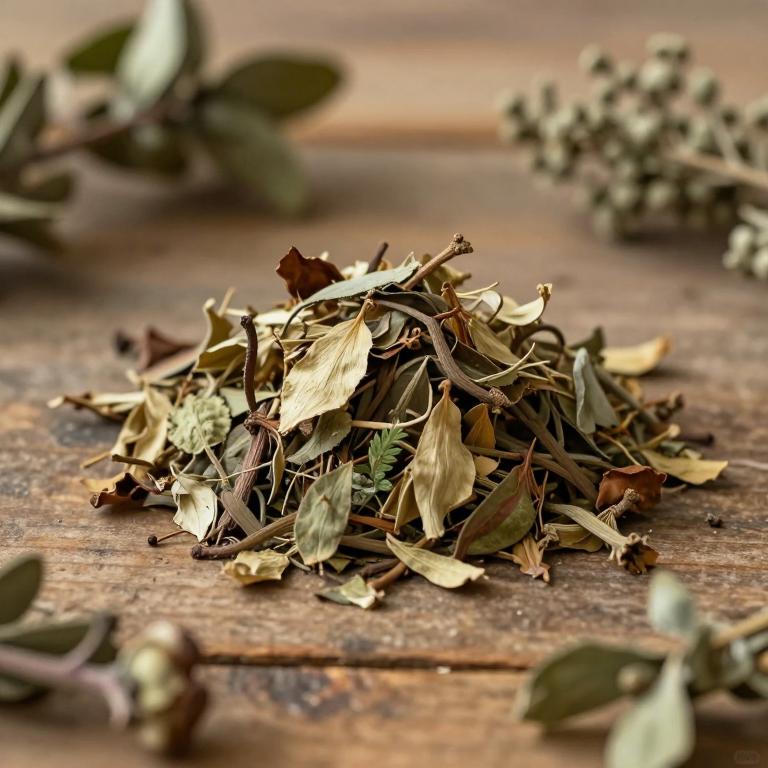
Antiacetyltransferase activity refers to the ability of a substance to inhibit the enzymes responsible for transferring acetyl groups to proteins or other molecules, which can help regulate cellular processes like inflammation and gene expression. Herbs such as Magnolia obovata and Magnolia officinalis exhibit this biological activity, potentially offering therapeutic benefits in managing metabolic and inflammatory disorders.

Associated herbs: 2
Occurs naturally in

Magnolia obovata

Magnolia officinalis

View all Antiacetyltransferase herbs →

Antiacrocyanotic

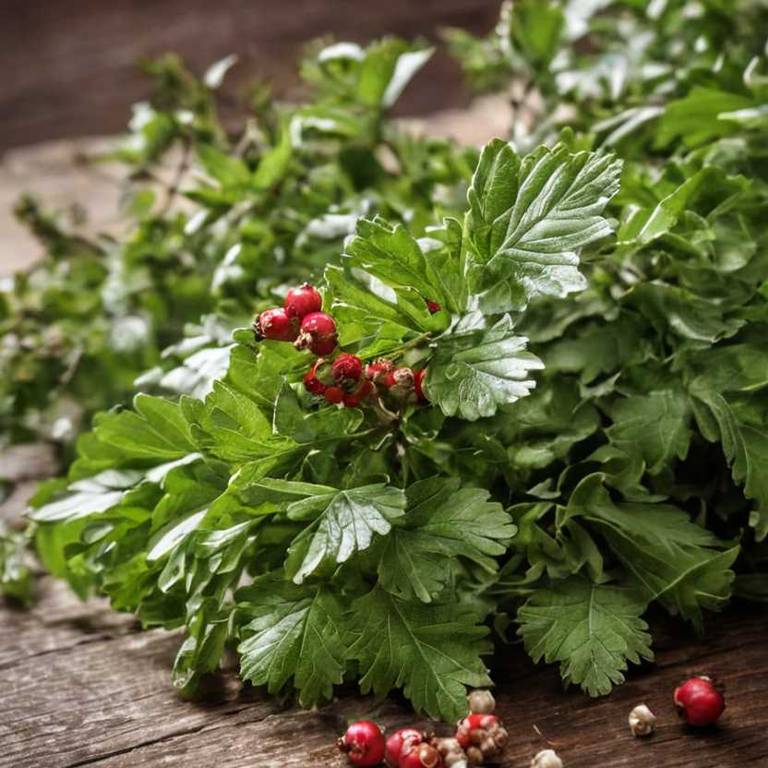
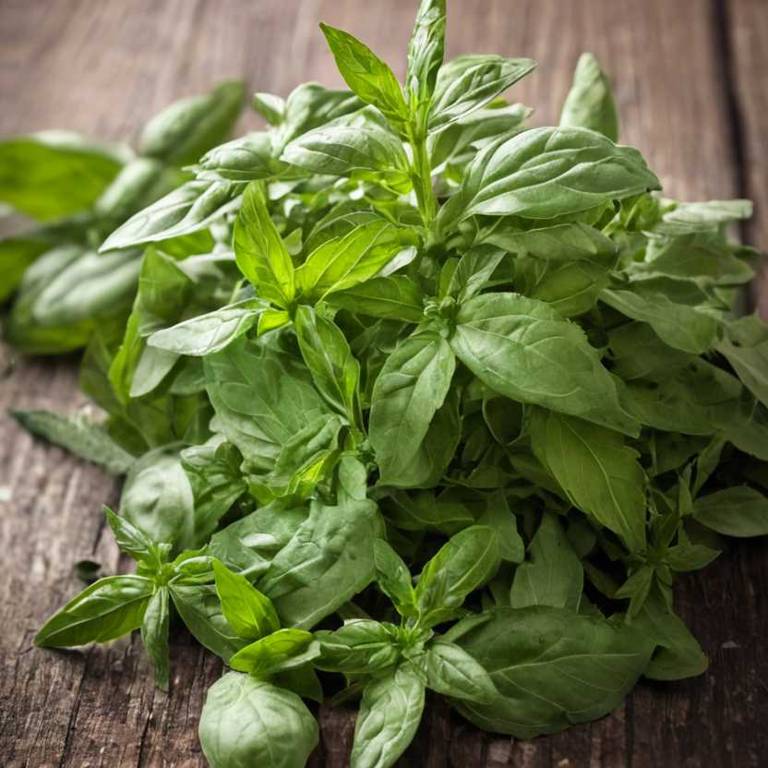
Antiacrocyanotic activity refers to the ability of a substance to prevent or reduce the formation of acrocyanosis, a condition characterized by the bluish discoloration of the extremities due to poor circulation. Herbs such as Crataegus monogyna, Ocimum basilicum, and Crataegus rhipidophylla exhibit this property by helping to improve peripheral blood flow and vascular tone.

Associated herbs: 11

Occurs naturally in

Crataegus monogyna

Ocimum basilicum

Crataegus rhipidophylla

View all Antiacrocyanotic herbs →

Antiacrodermatitic

Antiacrödermatitic activity refers to the ability of a substance to reduce inflammation and irritation of the skin, particularly in conditions involving scaling or crusting. Various medicinal herbs exhibit this property, such as Pimpinella aromatica, Rhus glabra, and Thymus vulgaris.

Associated herbs: 374

Occurs naturally in

Pimpinella aromatica

Rhus glabra

Thymus vulgaris

View all Antiacrodermatitic herbs →

Antiacrodynic

Antiacrodynic activity refers to the ability of certain substances to inhibit the formation of acrolein, a toxic and irritating aldehyde produced during the breakdown of lipids. Herbs such as Erythrina fusca, Thymus vulgaris, and Allium ampeloprasum exhibit this biological activity, helping to mitigate oxidative damage and cellular irritation.

Associated herbs: 355

Occurs naturally in

Erythrina fusca

Thymus vulgaris

Allium ampeloprasum

View all Antiacrodynic herbs →

Antiacromegalic (biphasic)

Antiacromegalic (biphasic) activity refers to the ability of a substance to regulate cellular growth by inhibiting excessive proliferation while simultaneously preventing or reversing atrophy. This dual action ensures that cells maintain a healthy, balanced physiological state rather than simply suppressing all growth. An example of a medicinal herb exhibiting this biphasic activity is Prunus armeniaca (apricot).

Associated herbs: 1

Occurs naturally in

Prunus armeniaca

View all Antiacromegalic (biphasic) herbs →

Antiadenocarcinoma

Antiadenocarcinoma refers to the biological ability of certain substances to inhibit the growth, progression, or spread of adenocarcinomas, which are cancers originating in glandular tissues. Various medicinal herbs, such as Aristolochia debilis and Asarum canadense, have been studied for their potential to demonstrate this activity against specific glandular tumor cells.

Associated herbs: 2
Occurs naturally in

Aristolochia debilis

Asarum canadense

View all Antiadenocarcinoma herbs →

Antiadenocarcinomic

Antiadenocarcinomic activity refers to the ability of a substance to inhibit the development, growth, or spread of adenocarcinomas, which are malignant tumors arising from glandular epithelial tissues. Various medicinal herbs, such as Withania somnifera (Ashwagandha), exhibit this property by inducing apoptosis or suppressing tumor cell proliferation.

Associated herbs: 1

Occurs naturally in

Withania somnifera

View all Antiadenocarcinomic herbs →

Antiadenomacarcinogenic

Antiadenocarcinogenic activity refers to the ability of certain substances to inhibit the development or progression of adenocarcinomas, which are malignant tumors arising from glandular epithelial tissues. Various medicinal herbs exhibit this property, including Helena speciosa, Zingiber officinale, and Curcuma longa, by utilizing their bioactive compounds to disrupt cancer cell growth and signaling pathways.

Associated herbs: 4

Occurs naturally in

Hellenia speciosa

Zingiber officinale

Curcuma longa

View all Antiadenomacarcinogenic herbs →

Antiadenomic

Antiadenomic activity refers to the ability of a substance to inhibit the abnormal proliferation or swelling of glandular tissues within the body. Medicinal herbs such as Micromeria varia exhibit this biological activity, making them potential candidates for treating conditions involving glandular hypertrophy.

Associated herbs: 608

Occurs naturally in

Micromeria ericifolia

Pimpinella aromatica

Sarracenia flava

View all Antiadenomic herbs →

Antiadenoviral

Antiadenoviral activity refers to the ability of certain medicinal herbs to inhibit the replication or entry of adenoviruses, which are common causes of respiratory and gastrointestinal infections. Herbs such as Pimpinella aromatica, Thymus vulgaris, and Allium ampeloprasum exhibit this biological activity through their diverse bioactive compounds.

Associated herbs: 211

Occurs naturally in

Pimpinella aromatica

Thymus vulgaris

Allium ampeloprasum

View all Antiadenoviral herbs →

Antiadenovirus

Antiadenovirus activity refers to the ability of certain medicinal herbs to inhibit the replication, entry, or spread of adenoviruses within host cells. Examples of plants exhibiting this biological activity include Thymus vulgaris, Rheum officinale, and Podophyllum peltatum.

Associated herbs: 116

Occurs naturally in

Thymus vulgaris

Rheum officinale

Podophyllum peltatum

View all Antiadenovirus herbs →

Antiadrenalinic

Antiadrenalic activity refers to the ability of a substance to inhibit or reduce the physiological effects and secretion of adrenaline (epinephrine) from the adrenal glands. This property is often utilized to help regulate blood pressure and calm the sympathetic nervous system. Herbs such as Rhus glabra, Foeniculum vulgare, and Diospyros virginiana have been noted for exhibiting this biological activity.

Associated herbs: 97

Occurs naturally in

Rhus glabra

Foeniculum vulgare

Diospyros virginiana

View all Antiadrenalinic herbs →

Antiaflatoxin

Anti-aflatoxin activity refers to the ability of certain medicinal herbs to inhibit the growth of Aspergillus fungi or neutralize the toxic metabolites they produce. For example, plants such as Micromeria varia exhibit this biological activity, helping to prevent the contamination of food supplies by these harmful toxins.

Associated herbs: 411

Occurs naturally in

Micromeria ericifolia

Pimpinella aromatica

Thymus vulgaris

View all Antiaflatoxin herbs →

Antiakathisic

Antiakathisic activity refers to the ability of a substance to reduce or prevent akathisia, a distressing state of motor restlessness and an inner sense of urgency to move. Medicinal herbs such as Pimpinella aromatica, Erythrina fusca, and Thymus vulgaris exhibit this property, potentially offering a natural way to alleviate these movement-related side effects.

Associated herbs: 522

Occurs naturally in

Pimpinella aromatica

Erythrina fusca

Thymus vulgaris

View all Antiakathisic herbs →

Antialdosteronic

Antialdosteronic activity refers to the ability of a substance to inhibit or counteract the effects of aldosterone, a hormone that regulates salt and water balance in the body. Herbs exhibiting this biological activity can help manage hypertension and fluid retention by reducing sodium reabsorption in the kidneys. Examples of plants with this potential include Thymus vulgaris, Lepidium meyenii, and Melia azedarach.

Associated herbs: 148

Occurs naturally in

Thymus vulgaris

Lepidium meyenii

Melia azedarach

View all Antialdosteronic herbs →

Antialkali?

Antialkali activity refers to the ability of certain medicinal herbs to counteract or neutralize alkaline substances, helping to restore physiological pH balance within biological systems. Herbs such as Allium ampeloprasum, Lepidium meyenii, and Melia azedarach exhibit this property, which can be useful in managing conditions driven by improper alkalinity.

Associated herbs: 160

Occurs naturally in

Allium ampeloprasum

Lepidium meyenii

Melia azedarach

View all Antialkali? herbs →

Antialkalotic

Antialkalotic activity refers to the ability of a substance to neutralize or reduce the acidity of a biological environment, such as stomach acid. Herbs like Thymus vulgaris, Allium ampeloprasum, and Annona muricata exhibit this property, helping to alleviate symptoms of hyperacidity and gastrointestinal discomfort.

Associated herbs: 159

Occurs naturally in

Thymus vulgaris

Allium ampeloprasum

Annona muricata

View all Antialkalotic herbs →

Antialopecic

Anti-alopecic activity refers to the ability of certain substances to prevent or reverse hair loss by stimulating hair follicle growth or improving scalp circulation. Medicinal herbs such as Pimpinella aromatica, Rhus glabra, and Thymus vulgaris exhibit this property, helping to restore hair density and combat thinning.

Associated herbs: 574

Occurs naturally in

Pimpinella aromatica

Rhus glabra

Thymus vulgaris

View all Antialopecic herbs →

Antialzheimeran?

Anti-Alzheimeran activity refers to the ability of medicinal herbs to protect the brain from neurodegeneration by reducing oxidative stress and inhibiting the accumulation of amyloid-beta plaques. Herbs such as Micromeria varia exhibit this potential by helping to preserve cognitive functions and prevent the loss of neurons associated with the disease.

Associated herbs: 378

Occurs naturally in

Micromeria ericifolia

Pimpinella aromatica

Sarracenia flava

View all Antialzheimeran? herbs →

Antiamblyopic

Antiamblyopic activity refers to the ability of a substance to prevent or mitigate amblyopia, a condition characterized by reduced vision in one eye due to improper stimulation during childhood. Medicinal herbs such as Pimpinella aromatica, Erythrina fusca, and Thymus vulgaris exhibit this biological property, potentially supporting visual development and neurological function.

Associated herbs: 364

Occurs naturally in

Pimpinella aromatica

Erythrina fusca

Thymus vulgaris

View all Antiamblyopic herbs →

Antiamyloid-Beta

Anti-amyloid-beta activity refers to the ability of certain compounds to prevent the aggregation of amyloid-beta proteins, which are toxic accumulations linked to the development of Alzheimer's disease. Medicinal herbs such as Thymus vulgaris, Prunus persica, and Prunus cerasus exhibit this property by inhibiting the formation of these plaques and potentially protecting neural pathways.

Associated herbs: 26

Occurs naturally in

Thymus vulgaris

Prunus persica

Prunus cerasus

View all Antiamyloid-Beta herbs →

Antiamyloidosic

Antiamyloidotic activity refers to the ability of a substance to inhibit the formation or aggregation of amyloid proteins, which are pathological deposits linked to neurodegenerative diseases like Alzheimer's. Herbs such as Colchicum autumnale and Gloriosa superba exhibit this property, offering potential therapeutic pathways for preventing protein misfolding in the brain.

Associated herbs: 2
Occurs naturally in

Colchicum autumnale

Gloriosa superba

View all Antiamyloidosic herbs →

Antianabolic

An anabolic activity refers to the biological process of promoting protein synthesis and the building of complex molecules to facilitate tissue growth and muscle repair. Herbs such as Eleutherococcus senticosus exhibit these properties by helping to regulate metabolic processes and supporting the body's ability to rebuild cells and increase energy stores.

Associated herbs: 1

Occurs naturally in

Eleutherococcus senticosus

View all Antianabolic herbs →

Antianacarditic

Antianaeritic activity refers to the ability of a substance to help reduce or prevent sudden, irregular heartbeats known as palpitations. Herbs such as Polygonum aviculare, Urtica spicata, and Persicaria hydropiper are recognized for possessing these properties to help stabilize cardiac rhythm.

Associated herbs: 35

Occurs naturally in

Polygonum aviculare

Urtica spatulata

Persicaria hydropiper

View all Antianacarditic herbs →

Antianaphylactic

Anti-anaphylactic activity refers to the ability of a substance to prevent or reduce the severity of an allergic reaction caused by the sudden release of histamine and other mediators from mast cells. Herbs such as Pimpinella aromatica, Eucalyptus siderophloia, and Thymus vulgaris exhibit this property, helping to stabilize cell membranes and mitigate inflammatory responses during an allergic episode.

Associated herbs: 600

Occurs naturally in

Pimpinella aromatica

Eucalyptus siderophloia

Thymus vulgaris

View all Antianaphylactic herbs →

Antianesthetic

Anti-anesthetic activity refers to the ability of certain substances to counteract or reverse the effects of anesthetic agents, potentially restoring consciousness or sensory perception. For example, certain phytochemicals found in plants like Hippomane mancinella can interfere with neurological signaling, demonstrating potent effects on the central nervous system.

Associated herbs: 1

Occurs naturally in

Hippomane mancinella

View all Antianesthetic herbs →

Antianeurysm

Antianeuryism refers to the biological ability of certain substances to prevent or reduce the formation and swelling of aneurysms in blood vessel walls. Herbs such as Aesculus hippocastanum (Horse Chestnut) exhibit this activity by improving vascular tone and strengthening capillary resistance to mitigate the risk of vessel dilation.

Associated herbs: 1

Occurs naturally in

Aesculus hippocastanum

View all Antianeurysm herbs →

Antiangiotensic

Antiangiogenic activity refers to the ability of a substance to inhibit angiogenesis, which is the physiological process of forming new blood vessels from pre-existing ones. By suppressing this process, these herbs can help prevent the blood supply required for tumor growth and various inflammatory diseases. A notable example of an herb exhibiting this biological activity is Salvia rosmarinus (rosemary).

Associated herbs: 1

Occurs naturally in

Salvia rosmarinus

View all Antiangiotensic herbs →

Antianorectic

An anorectic biological activity refers to the ability of a substance to suppress appetite and reduce the desire to eat. Herbs such as Pimpinella aromatica, Erythrina fusca, and Rhus glabra exhibit these properties, making them potential natural agents for weight management.

Associated herbs: 516

Occurs naturally in

Pimpinella aromatica

Erythrina fusca

Rhus glabra

View all Antianorectic herbs →

Antianoxic

Antioxidant activity refers to the ability of medicinal herbs to neutralize harmful free radicals, thereby preventing oxidative stress and cellular damage within the body. Herbs such as Ferula gummosa, Magnolia denudata, and Solanum dulcamara exhibit this property, helping to protect biological structures from degradation.

Associated herbs: 67

Occurs naturally in

Ferula gummosa

Magnolia denudata

Solanum dulcamara

View all Antianoxic herbs →

Antiapertif

Antiaperitif activity refers to the ability of a substance to inhibit the secretion of gastric juices and reduce the urge to eat, thereby helping to alleviate symptoms of hunger or excessive appetite. Herbs such as Pimpinella anisum, Foeniculum vulgare, and Apium graveolens exhibit this property, which can be useful in managing digestive discomfort or appetite regulation.

Associated herbs: 22
Occurs naturally in

Pimpinella aromatica

Foeniculum vulgare

Apium graveolens

View all Antiapertif herbs →

Antiaphthic

Antiaphthic activity refers to the biological ability of a substance to prevent, treat, or alleviate aphthous ulcers, commonly known as mouth sores. Several medicinal herbs exhibit this property, including Annona muricata, Solanum nigrum, and Chaenomeles japonica.

Associated herbs: 119

Occurs naturally in

Annona muricata

Solanum nigrum

Chaenomeles japonica

View all Antiaphthic herbs →

Antiapneic

Antiapneic activity refers to the ability of a substance to prevent or reverse apnea, which is the temporary cessation of breathing. Certain medicinal herbs, such as Strychnos nux-vomica, Ilex paraguariensis, and Firmiana simplex, possess these properties by stimulating the respiratory centers in the central nervous system.

Associated herbs: 15

Occurs naturally in

Strychnos nux-vomica

Ilex paraguariensis

Firmiana simplex

View all Antiapneic herbs →

Antiappetant

An anorectic or antiappetant activity refers to the ability of a substance to suppress hunger and reduce food intake by influencing satiety signals in the brain or digestive system. Various medicinal herbs exhibit this property, such as Pimpinella anisum, Foeniculum vulgare, and Apium graveolens, which can help in managing weight by curbing appetite.

Associated herbs: 26

Occurs naturally in

Pimpinella aromatica

Foeniculum vulgare

Apium graveolens

View all Antiappetant herbs →

Antiarabiflavinotic

Antiarabiflavinotic activity refers to the ability of certain medicinal substances to inhibit the formation or progression of arabiflavin, a pigment-related process often associated with specific cellular discolorations. Herbs such as Erythrina fusca, Thymus vulgaris, and Allium ampeloprasum exhibit this biological property, making them potentially useful in treating related dermatological or metabolic conditions.

Associated herbs: 362

Occurs naturally in

Erythrina fusca

Thymus vulgaris

Allium ampeloprasum

View all Antiarabiflavinotic herbs →

Antiarachidonate

Antiarachidonate activity refers to the ability of certain compounds to inhibit the release or metabolism of arachidonic acid, thereby reducing the production of inflammatory mediators like prostaglandins. This mechanism helps suppress inflammation and pain, a property found in medicinal herbs such as Pimpinella aromatica, Croton eluteria, and Thymus vulgaris.

Associated herbs: 131

Occurs naturally in

Pimpinella aromatica

Croton eluteria

Thymus vulgaris

View all Antiarachidonate herbs →

Antiasphyctic

Antiasphyctic activity refers to the ability of a substance to prevent or alleviate suffocation by improving cellular respiration or enhancing the oxygenation of tissues. Herbs such as Humulus lupulus, Daucus carota, and Ribes nigrum exhibit this property by helping the body maintain efficient metabolic functions during periods of oxygen deprivation.

Associated herbs: 9

Occurs naturally in

Humulus lupulus

Daucus carota

Ribes nigrum

View all Antiasphyctic herbs →

Antiasthenic

Antiasthenic activity refers to the ability of a substance to combat asthenia, which is a state of abnormal physical weakness, fatigue, or loss of energy. Herbs such as Allium ampeloprasum, Annona muricata, and Medicago sativa exhibit this property by helping to restore vitality and improve overall physiological stamina.

Associated herbs: 14

Occurs naturally in

Allium ampeloprasum

Annona muricata

Medicago sativa

View all Antiasthenic herbs →

Antiasthmatic?

Antiasthmatic activity refers to the ability of medicinal herbs to reduce airway inflammation, relax bronchial smooth muscles, and prevent bronchospasms to alleviate breathing difficulties. This biological effect is exhibited by various plants, including Allium ampeloprasum, Melia azedarach, and Medicago sativa.

Associated herbs: 36

Occurs naturally in

Allium ampeloprasum

Melia azedarach

Medicago sativa

View all Antiasthmatic? herbs →

Antiataxic

Antiataxic activity refers to the ability of a substance to reduce or prevent ataxia, a neurological condition characterized by a lack of voluntary coordination of muscle movements. Certain medicinal herbs, such as Oryza sativa, Trigonella foenum-graecum, and Helianthus annuus, are being studied for their potential to exert this neuroprotective effect.

Associated herbs: 33

Occurs naturally in

Oryza sativa

Trigonella foenum-graecum

Helianthus annuus

View all Antiataxic herbs →

Antiatheromic

Antiatherogenic activity refers to the ability of a substance to prevent or slow the formation of fatty deposits, such as cholesterol plaques, within the arterial walls. Herbs such as Rheum officinale, Dianthus caryophyllus, and Foeniculum vulgare exhibit this property by helping to regulate lipid levels and reduce the risk of cardiovascular disease.

Associated herbs: 120

Occurs naturally in

Rheum officinale

Dianthus caryophyllus

Foeniculum vulgare

View all Antiatheromic herbs →

Antiatherotic

Antiatherotic activity refers to the ability of a substance to prevent or reduce the buildup of fatty deposits and cholesterol plaques within the arterial walls. Herbs such as Portulaca oleracea exhibit this property by helping to regulate lipid levels and protecting blood vessels from inflammatory damage.

Associated herbs: 1

Occurs naturally in

Portulaca oleracea

View all Antiatherotic herbs →

Antiautistic

Anti-autistic biological activity refers to the potential of certain medicinal herbs to mitigate symptoms associated with autism spectrum disorder, such as oxidative stress, neuroinflammation, or neurotransmitter imbalances. Examples of plants studied for these neuroprotective properties include Oryza sativa, Trigonella foenum-graecum, and Medicago sativa.

Associated herbs: 17

Occurs naturally in

Oryza sativa

Trigonella foenum-graecum

Medicago sativa

View all Antiautistic herbs →

Antiazotemic

Antiazotecemic activity refers to the ability of a substance to help lower elevated levels of nitrogenous waste products, such as urea and uric acid, in the blood. This biological activity is often achieved by improving kidney function or enhancing the excretion of nitrogenous compounds through urine. Examples of herbs exhibiting this property include Frangula alnus, Robinia pseudoacacia, and Vinca minor.

Associated herbs: 7

Occurs naturally in

Frangula alnus

Robinia pseudoacacia

Vinca minor

View all Antiazotemic herbs →

Antibacillary

Antibacterials are medicinal herbs that possess the ability to inhibit the growth of or directly destroy harmful bacteria. Examples of plants exhibiting this biological activity include Micromeria varia and various species of Curcuma.

Associated herbs: 272

Occurs naturally in

Micromeria ericifolia

Elsholtzia pilosa

Eucalyptus siderophloia

View all Antibacillary herbs →

Antibacillus

Antibacterial activity refers to the ability of certain medicinal herbs to inhibit the growth of or destroy harmful bacteria, helping to prevent or treat infections. Examples of plants possessing this biological activity include Berberis aquifolium, Podophyllum peltatum, and Sambucus nigra.

Associated herbs: 85

Occurs naturally in

Berberis aquifolium

Podophyllum peltatum

Sambucus nigra

View all Antibacillus herbs →

Antibackache

Antibackache refers to the biological ability of certain medicinal herbs to alleviate pain and tension in the lumbar and spinal regions through anti-inflammatory or analgesic properties. Examples of plants exhibiting this activity include Erythrina fusca, Thymus vulgaris, and Allium ampeloprasum.

Associated herbs: 347

Occurs naturally in

Erythrina fusca

Thymus vulgaris

Allium ampeloprasum

View all Antibackache herbs →

Antiberiberi

Antiberi beri refers to the biological activity of medicinal herbs used to prevent or treat beriberi, a disease caused by a deficiency of vitamin B1 (thiamine). Herbs such as Erythrina fusca, Thymus vulgaris, and Allium ampeloprasum exhibit this property by helping to restore essential vitamin levels or support metabolic functions.

Associated herbs: 347

Occurs naturally in

Erythrina fusca

Thymus vulgaris

Allium ampeloprasum

View all Antiberiberi herbs →