Explore herbs biological activities

  • 11249 Plants
  • |
  • 30137 Compounds
  • |
  • 1951 Activities
  • |
  • 132161 Studies

Explore Herbs


Alphabet


Biological Activity

View all →

Bioactive Compounds

View all →

List of herbs biological activities

Showing 529-576 out of 1951 results

AntiCFS

Anti-CFS refers to the biological activity of medicinal herbs used to alleviate the symptoms of Chronic Fatigue Syndrome, such as persistent exhaustion and cognitive impairment. Examples of plants demonstrating this potential include Pimpinella aromatica, Erythrina fusca, and Rhus glabra.

Associated herbs: 556

Occurs naturally in

Pimpinella aromatica

Erythrina fusca

Rhus glabra

View all AntiCFS herbs →

AntiCRP

Anti-CRP activity refers to the ability of a substance to reduce levels of C-reactive protein, a key biomarker used to monitor systemic inflammation in the body. Herbs such as Oryza sativa (rice), Helianthus annuus (sunflower), and Juglans nigra (black walnut) exhibit this activity by helping to suppress inflammatory processes and promote cardiovascular health.

Associated herbs: 26

Occurs naturally in

Oryza sativa

Helianthus annuus

Juglans nigra

View all AntiCRP herbs →

AntiCTS

Anti-CTS refers to the biological ability of certain medicinal herbs to inhibit or reduce convulsions and seizure-like activities in the nervous system. Examples of plants exhibiting this anticonvulsant property include Pimpinella aromatica, Erythrina fusca, and Thymus vulgaris.

Associated herbs: 399

Occurs naturally in

Pimpinella aromatica

Erythrina fusca

Thymus vulgaris

View all AntiCTS herbs →

AntiCVI

AntiCVIs, or anti-cardiovascular inflammatory activities, refer to the ability of certain medicinal herbs to reduce inflammation within the blood vessels and heart tissue to prevent cardiovascular diseases. Herbs such as Pimpinella aromatica, Erythroxylum novogranatense, and Rheum officinale exhibit these properties by helping to regulate inflammatory responses and protect the circulatory system.

Associated herbs: 192

Occurs naturally in

Pimpinella aromatica

Erythroxylum novogranatense

Rheum officinale

View all AntiCVI herbs →

AntiCVS

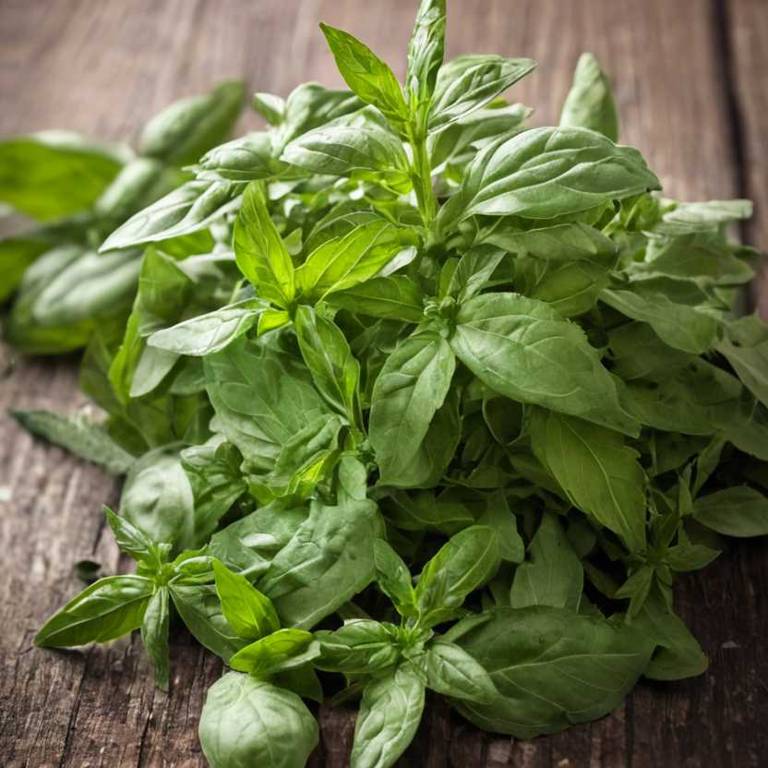
AntiCVS refers to biological activities that protect the cardiovascular system by improving blood circulation, regulating blood pressure, and strengthening heart muscle function. Herbs such as Crataegus monogyna, Ocimum basilicum, and Fraxinus ornus exhibit these properties, helping to mitigate risks associated with heart and vascular diseases.

Associated herbs: 14

Occurs naturally in

Crataegus monogyna

Ocimum basilicum

Fraxinus ornus

View all AntiCVS herbs →

AntiCorpus-Luteum

Anti-corpus luteum activity refers to the biological capacity of certain substances to inhibit the function of the corpus luteum, thereby reducing the production of progesterone and potentially affecting the menstrual cycle or pregnancy maintenance. Medicinal herbs such as Helianthus annuus, Ceiba pentandra, and Abelmoschus esculentus are studied for their potential to exert these physiological effects through their diverse phytochemical compositions.

Associated herbs: 5

Occurs naturally in

Helianthus annuus

Ceiba pentandra

Abelmoschus esculentus

View all AntiCorpus-Luteum herbs →

AntiCrohn's

Anti-Crohn's biological activity refers to the ability of certain medicinal herbs to reduce intestinal inflammation and mitigate the autoimmune responses characteristic of Crohn's disease. Herbs such as Pimpinella aromatica, Erythrina fusca, and Rhus glabra exhibit these properties by helping to soothe the gastrointestinal tract and regulate immune activity.

Associated herbs: 655

Occurs naturally in

Pimpinella aromatica

Erythrina fusca

Rhus glabra

View all AntiCrohn's herbs →

AntiCystic-Fibrosis

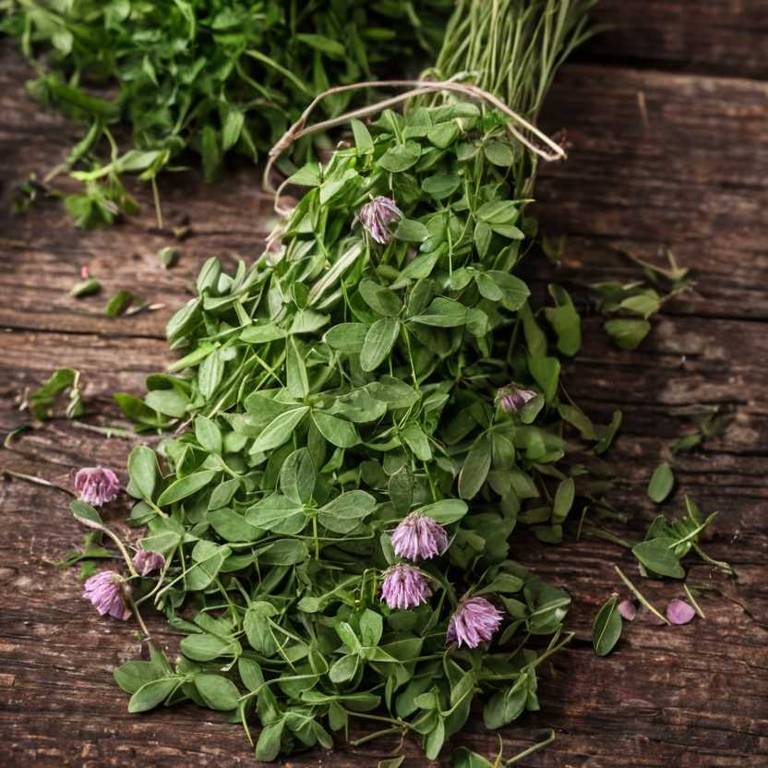
Anti-cystic fibrosis activity refers to the ability of certain compounds to reduce the excessive scarring and structural damage within lung tissue caused by chronic inflammation. Herbs such as Trifolium pratense (Red Clover) are studied for this potential, as they contain bioactive molecules that may help mitigate the fibrotic processes associated with the disease.

Associated herbs: 1

Occurs naturally in

Trifolium pratense

View all AntiCystic-Fibrosis herbs →

AntiDNA

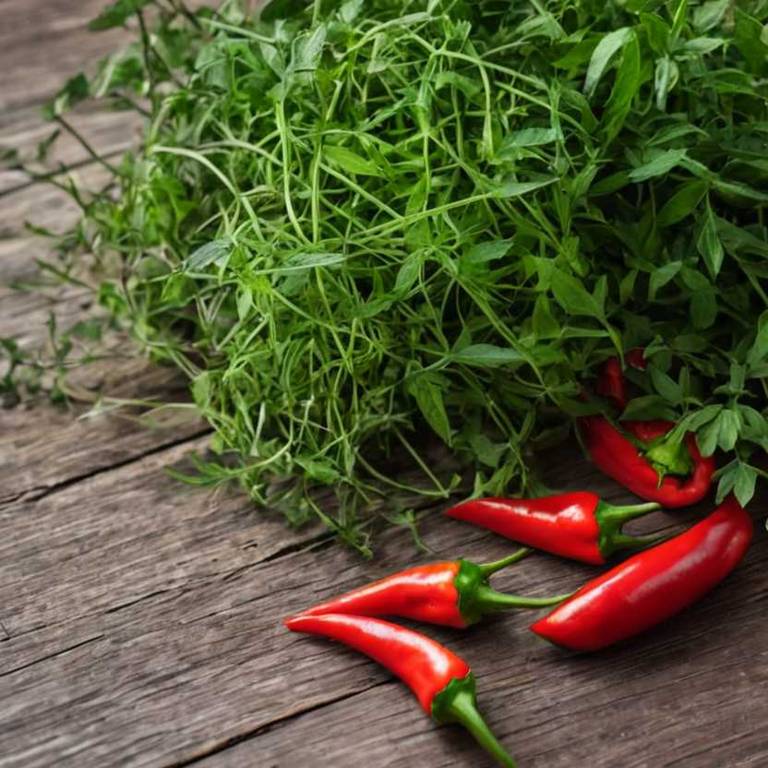
Anti-DNA activity refers to the ability of certain herbal compounds to inhibit or interfere with DNA processes, such as preventing DNA damage, inhibiting DNA replication in cancer cells, or modulating gene expression. Medicinal herbs like Mentha canadensis, Capsicum frutescens, and Mentha spicata exhibit these activities through bioactive phytochemicals that can protect cellular integrity or target pathological genetic mechanisms.

Associated herbs: 15

Occurs naturally in

Mentha canadensis

Capsicum frutescens

Mentha spicata

View all AntiDNA herbs →

AntiEBV

Anti-EBV refers to the biological activity of a substance in inhibiting or suppressing the replication of the Epstein-Barr virus. Medicinal herbs exhibiting this property, such as Micromeria varia, can help prevent the virus from infecting host cells or spreading within the body.

Associated herbs: 359

Occurs naturally in

Micromeria ericifolia

Pimpinella aromatica

Sarracenia flava

View all AntiEBV herbs →

AntiGTF

Anti-GTF (Anti-glucose tolerance factor) activity refers to the ability of certain medicinal compounds to inhibit the effects of glucose tolerance factor, thereby helping to regulate blood sugar levels and improve insulin sensitivity. Herbs such as Pimpinella aromatica, Magnolia denudata, and Melia azedarach exhibit this biological activity, making them potential candidates for managing metabolic disorders.

Associated herbs: 283

Occurs naturally in

Pimpinella aromatica

Magnolia denudata

Melia azedarach

View all AntiGTF herbs →

AntiHIV

Anti-HIV biological activity refers to the ability of certain medicinal plants to inhibit the replication, entry, or progression of the Human Immunodeficiency Virus within a host. Various botanical species, such as Premna serratifolia, Cuscuta europaea, and Cassinia longifolia, have demonstrated these inhibitory properties through their diverse bioactive compounds.

Associated herbs: 1174

Occurs naturally in

Premna serratifolia

Cuscuta europaea

Cassinia longifolia

View all AntiHIV herbs →

AntiHIV-Integrase

Anti-HIV integrase activity refers to the ability of certain botanical compounds to inhibit the HIV integrase enzyme, preventing the virus from inserting its genetic material into the host cell's DNA. Medicinal herbs such as Pteridium aquilinum, Echinacea pallida, and Cynara cardunculus have demonstrated this potential, offering a natural pathway for disrupting the viral replication cycle.

Associated herbs: 6

Occurs naturally in

Pteridium aquilinum

Echinacea pallida

Cynara cardunculus

View all AntiHIV-Integrase herbs →

AntiHSV-1

Anti-HSV-1 refers to the ability of certain medicinal herbs to inhibit the replication or spread of the Herpes Simplex Virus Type 1 within host cells. Various botanical extracts, such as those derived from Cephalotaxus harringtonia and Ginkgo biloba, demonstrate this antiviral activity by interfering with the virus's life cycle.

Associated herbs: 2

Occurs naturally in

Cephalotaxus harringtonia

Ginkgo biloba

View all AntiHSV-1 herbs →

AntiHodgkin's

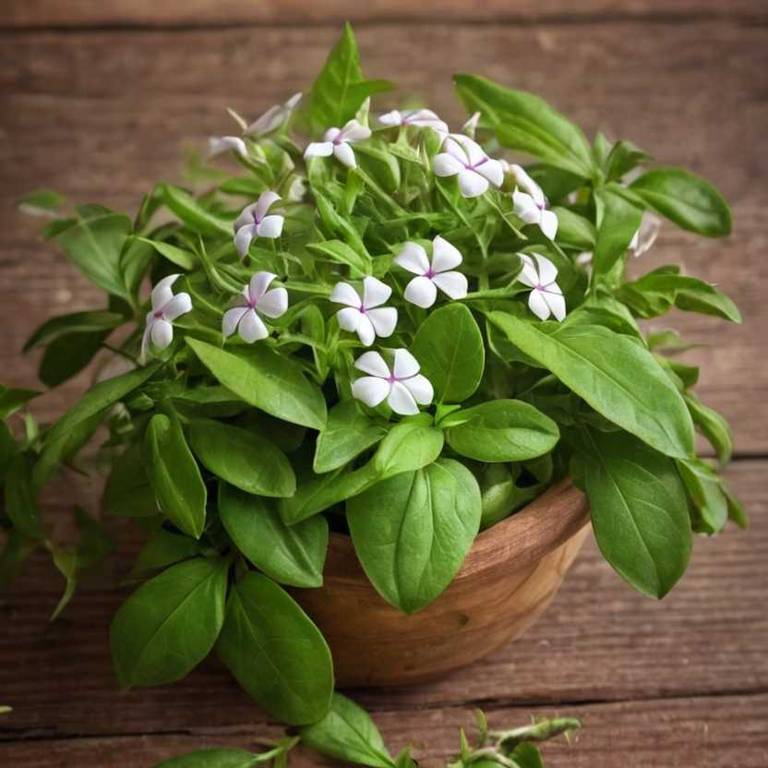
Anti-Hodgkin's activity refers to the ability of certain medicinal herbs to inhibit the proliferation of Hodgkin lymphoma cells, a type of cancer originating in the lymphatic system. A prominent example of a plant exhibiting this biological activity is Catharanthus roseus, which produces alkaloids used in chemotherapy to target malignant cells.

Associated herbs: 1

Occurs naturally in

Catharanthus roseus

View all AntiHodgkin's herbs →

AntiHot-Flash

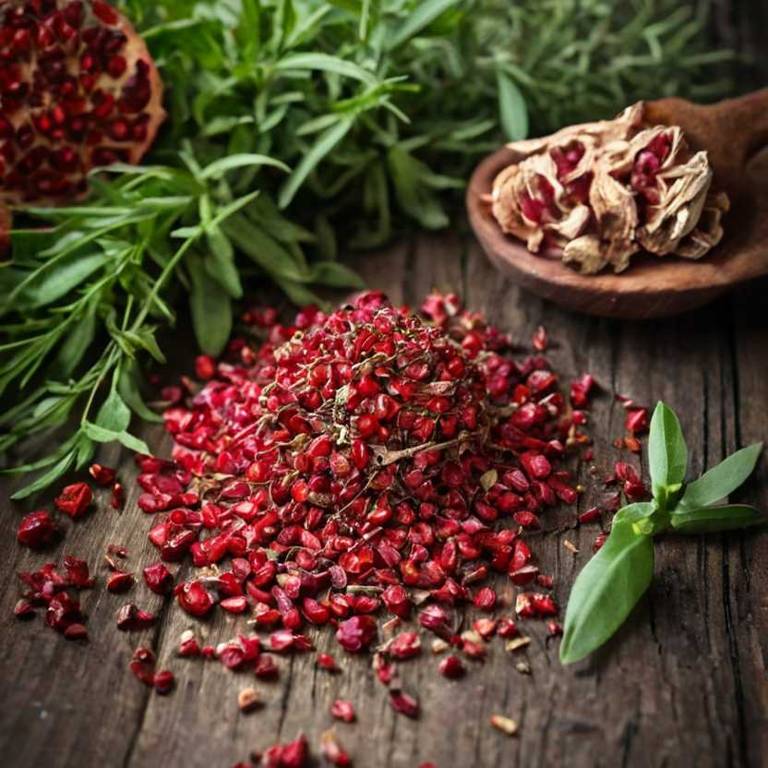
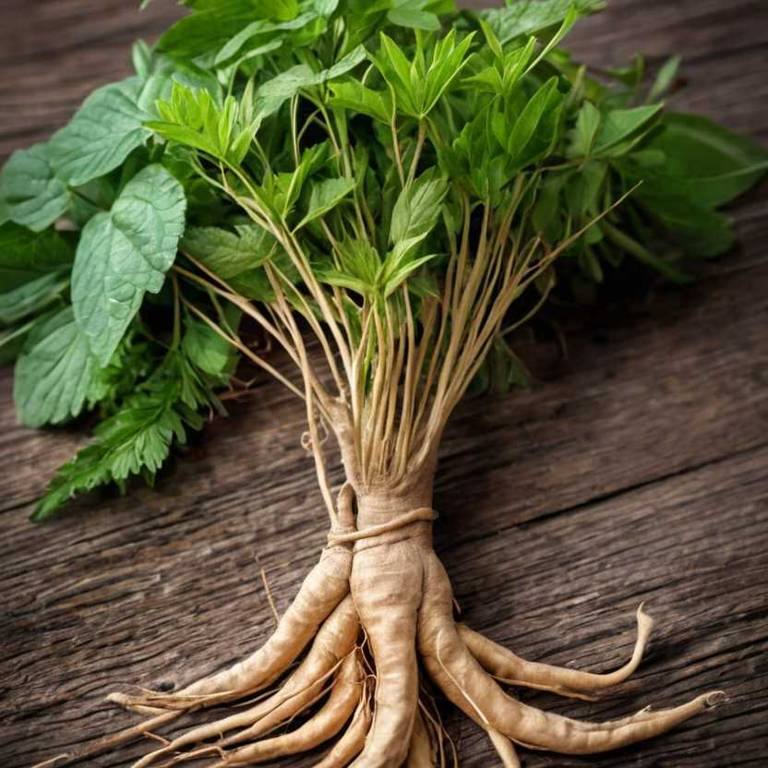
Anti-hot-flash activity refers to the ability of certain medicinal herbs to reduce the frequency and severity of sudden waves of heat and sweating associated with menopause. Herbs such as Punica granatum (pomegranate), Panax ginseng, and Glycyrrhiza glabra (licorice) exhibit this property by helping to regulate hormonal balance and stabilize the body's thermoregulatory system.

Associated herbs: 3

Occurs naturally in

Punica granatum

Panax ginseng

Glycyrrhiza glabra

View all AntiHot-Flash herbs →

AntiIBD

Anti-IBD activity refers to the ability of certain medicinal herbs to reduce inflammation and restore intestinal barrier function in patients suffering from Inflammatory Bowel Disease. Common examples of herbs exhibiting this therapeutic effect include Aloe succotrina, which helps soothe the digestive tract and modulate immune responses.

Associated herbs: 1

Occurs naturally in

Aloe succotrina

View all AntiIBD herbs →

AntiKaposi's

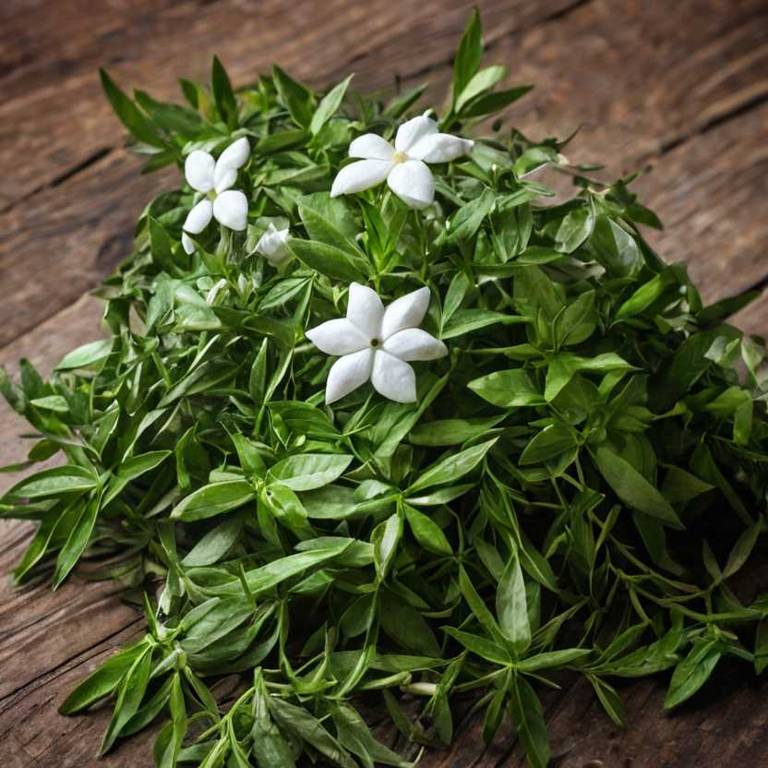
Anti-Kaposi's activity refers to the ability of certain medicinal substances to inhibit the proliferation and spread of Kaposi's sarcoma, a type of cancer caused by human herpesvirus 8. This biological activity is notably exhibited by alkaloids derived from herbs such as Vinca minor (common periwinkle) and Catharanthus roseus ( Madagascar periwinkle).

Associated herbs: 2

Occurs naturally in

Vinca minor

Catharanthus roseus

View all AntiKaposi's herbs →

AntiLegionella

Anti-Legionella activity refers to the ability of certain medicinal herbs to inhibit the growth or survival of Legionella bacteria, which are responsible for causing severe respiratory infections like Legionnaires' disease. Natural compounds found in plants such as Pimpinella aromatica, Thymus vulgaris, and Allium ampeloprasum demonstrate this potent antimicrobial effect by disrupting the pathogen's biological processes.

Associated herbs: 271

Occurs naturally in

Pimpinella aromatica

Thymus vulgaris

Allium ampeloprasum

View all AntiLegionella herbs →

AntiLyme

Anti-Lyme activity refers to the biological capacity of certain medicinal herbs to inhibit the growth of Borrelia burgdorferi or mitigate the inflammatory response triggered by its infection. Plants such as Pimpinella aromatica, Erythrina fusca, and Rhus glabra exhibit these properties, offering potential therapeutic support against Lyme disease.

Associated herbs: 565

Occurs naturally in

Pimpinella aromatica

Erythrina fusca

Rhus glabra

View all AntiLyme herbs →

AntiMD

AntiMD activity refers to the ability of certain medicinal herbs to inhibit or reduce the formation and progression of microdontia or related developmental dental irregularities. Herbs such as Foeniculum vulgare, Helianthus annuus, and Medicago sativa have been studied for their potential therapeutic roles in modulating such biological processes.

Associated herbs: 35

Occurs naturally in

Foeniculum vulgare

Helianthus annuus

Medicago sativa

View all AntiMD herbs →

AntiMDR

AntiMDDR activity refers to the ability of certain compounds to overcome Multidrug Resistance, a phenomenon where cancer cells use efflux pumps to expel chemotherapeutic drugs before they can take effect. By inhibiting these resistance mechanisms, medicinal herbs such as Populus balsamifera, Daucus carota, and Eriodictyon californicum can help restore the effectiveness of existing cancer treatments.

Associated herbs: 11

Occurs naturally in

Populus balsamifera

Daucus carota

Eriodictyon californicum

View all AntiMDR herbs →

AntiMRSA

Anti-MRSA activity refers to the ability of certain medicinal herbs to inhibit or kill Methicillin-resistant Staphylococcus aureus, a highly drug-resistant bacterium. This biological property is exhibited by various botanical extracts, such as Thymus vulgaris, Rheum officinale, and Rumex trisetifer.

Associated herbs: 132

Occurs naturally in

Thymus vulgaris

Rheum officinale

Rumex trisetifer

View all AntiMRSA herbs →

AntiMS

Anti-MS refers to biological activities that help mitigate the progression or symptoms of Multiple Sclerosis by reducing neuroinflammation and protecting the myelin sheath. Various medicinal herbs, such as Pimpinella aromatica, Rhus glabra, and Thymus vulgaris, have demonstrated potential in supporting these neuroprotective processes.

Associated herbs: 525

Occurs naturally in

Pimpinella aromatica

Rhus glabra

Thymus vulgaris

View all AntiMS herbs →

AntiMSG-Sensitivity

Anti-MSG sensitivity refers to the ability of certain medicinal herbs to mitigate or prevent the adverse physiological reactions, such as headaches or nausea, caused by excessive consumption of Monosodium Glutamate. Herbs such as Oryza sativa (rice), Trigonella foenum-graecum (fenugreek), and Medicago sativa (alfalfa) exhibit this activity by helping to stabilize metabolic responses to glutamate.

Associated herbs: 17

Occurs naturally in

Oryza sativa

Trigonella foenum-graecum

Medicago sativa

View all AntiMSG-Sensitivity herbs →

AntiMeniere's

Anti-Meniere's activity refers to the ability of certain medicinal herbs to alleviate the symptoms of Meniere's disease, such as vertigo, tinnitus, and hearing loss, by improving inner ear circulation or reducing fluid pressure. Herbs such as Erythrina fusca, Thymus vulgaris, and Allium ampeloprasum are noted for possessing these therapeutic properties.

Associated herbs: 371

Occurs naturally in

Erythrina fusca

Thymus vulgaris

Allium ampeloprasum

View all AntiMeniere's herbs →

AntiMorning-Sickness

Anti-morning sickness refers to the biological ability of certain medicinal herbs to alleviate nausea and vomiting experienced during early pregnancy. Herbs such as Oryza sativa (rice), Trigonella foenum-graecum (fenugreek), and Medicago sativa (alfalfa) are often studied for their potential to stabilize digestive functions and reduce these symptoms.

Associated herbs: 17

Occurs naturally in

Oryza sativa

Trigonella foenum-graecum

Medicago sativa

View all AntiMorning-Sickness herbs →

AntiNF-kB

Anti-NF-$\kappa$B activity refers to the ability of certain compounds to inhibit the activation of the Nuclear Factor kappa B signaling pathway, which is a primary regulator of inflammation and immune responses in the body. By blocking this pathway, these substances can prevent the expression of pro-inflammatory genes, a property found in medicinal herbs such as Pimpinella aromatica, Rhus glabra, and Thymus vulgaris.

Associated herbs: 177

Occurs naturally in

Pimpinella aromatica

Rhus glabra

Thymus vulgaris

View all AntiNF-kB herbs →

AntiNKC

Anti-NKC (Natural Killer Cell) activity refers to the ability of certain compounds to suppress or inhibit the function and proliferation of Natural Killer cells, which are critical components of the innate immune system. This biological activity is often studied in the context of modulating immune responses, with herbs such as Curcuma longa (Turmeric) demonstrating potential inhibitory effects on these immune cells.

Associated herbs: 1

Occurs naturally in

Curcuma longa

View all AntiNKC herbs →

AntiPAF

AntiPAF activity refers to the ability of certain bioactive compounds to inhibit Platelet-Activating Factor, a potent phospholipid mediator involved in inflammation, platelet aggregation, and anaphylaxis. Medicinal herbs such as Helianthus annuus, Astragalus mongholicus, and Pterocarpus marsupium exhibit this property, making them potential sources for developing treatments for inflammatory and cardiovascular diseases.

Associated herbs: 7

Occurs naturally in

Helianthus annuus

Astragalus mongholicus

Pterocarpus marsupium

View all AntiPAF herbs →

AntiPGE2

Anti-PGE2 activity refers to the ability of a substance to inhibit the production or action of Prostaglandin E2, a key lipid mediator responsible for driving inflammation, fever, and pain. Herbs such as Thymus vulgaris, Cyperus rotundus, and Sambucus nigra exhibit this biological activity, making them effective natural agents for reducing inflammatory responses.

Associated herbs: 99

Occurs naturally in

Thymus vulgaris

Cyperus rotundus

Sambucus nigra

View all AntiPGE2 herbs →

AntiPMS

Anti-PMS biological activity refers to the ability of certain medicinal herbs to alleviate the physical and emotional symptoms associated with Premenstrual Syndrome, such as bloating, irritability, and abdominal pain. Examples of plants exhibiting this therapeutic effect include Pimpinella aromatica, Erythrina fusca, and Rhus glabra.

Associated herbs: 684

Occurs naturally in

Pimpinella aromatica

Erythrina fusca

Rhus glabra

View all AntiPMS herbs →

AntiPaget's

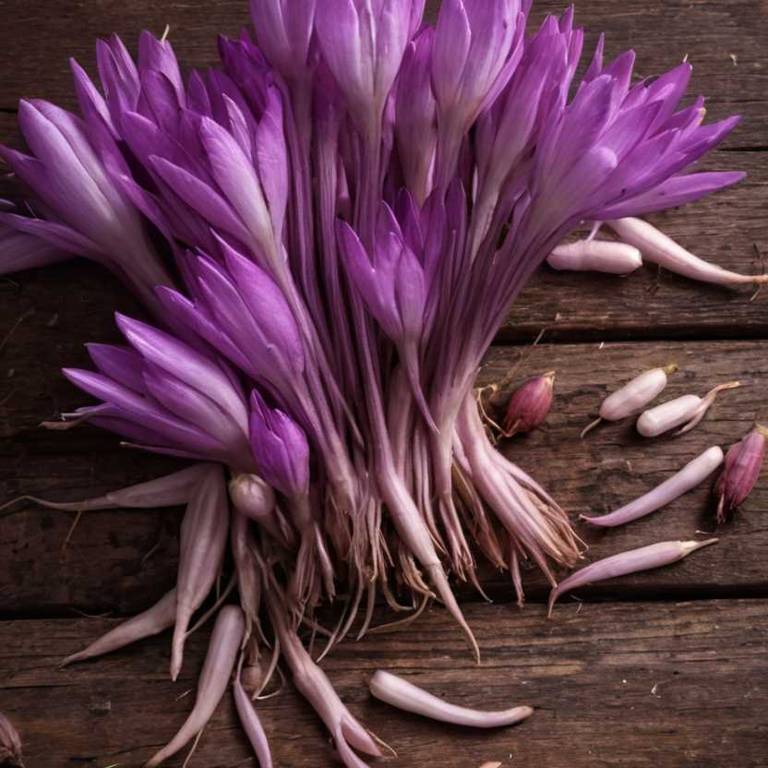
AntiPaget's activity refers to the biological capacity of certain medicinal herbs to inhibit the rapid and uncontrolled proliferation of cells, specifically targeting the mechanisms of cell division. Herbs such as Colchicum autumnale and Gloriosa superba exhibit this activity by interfering with microtubule formation, thereby preventing the mitotic process in dividing cells.

Associated herbs: 2

Occurs naturally in

Colchicum autumnale

Gloriosa superba

View all AntiPaget's herbs →

AntiRNA

AntiRNA activity refers to the ability of certain bioactive compounds to inhibit the production, stability, or function of specific RNA molecules, thereby regulating gene expression within a cell. Medicinal herbs such as Mentha canadensis, Capsicum frutescens, and Mentha spicata have demonstrated this capacity, potentially offering therapeutic benefits in controlling cellular processes related to inflammation or disease progression.

Associated herbs: 15

Occurs naturally in

Mentha canadensis

Capsicum frutescens

Mentha spicata

View all AntiRNA herbs →

AntiRSV

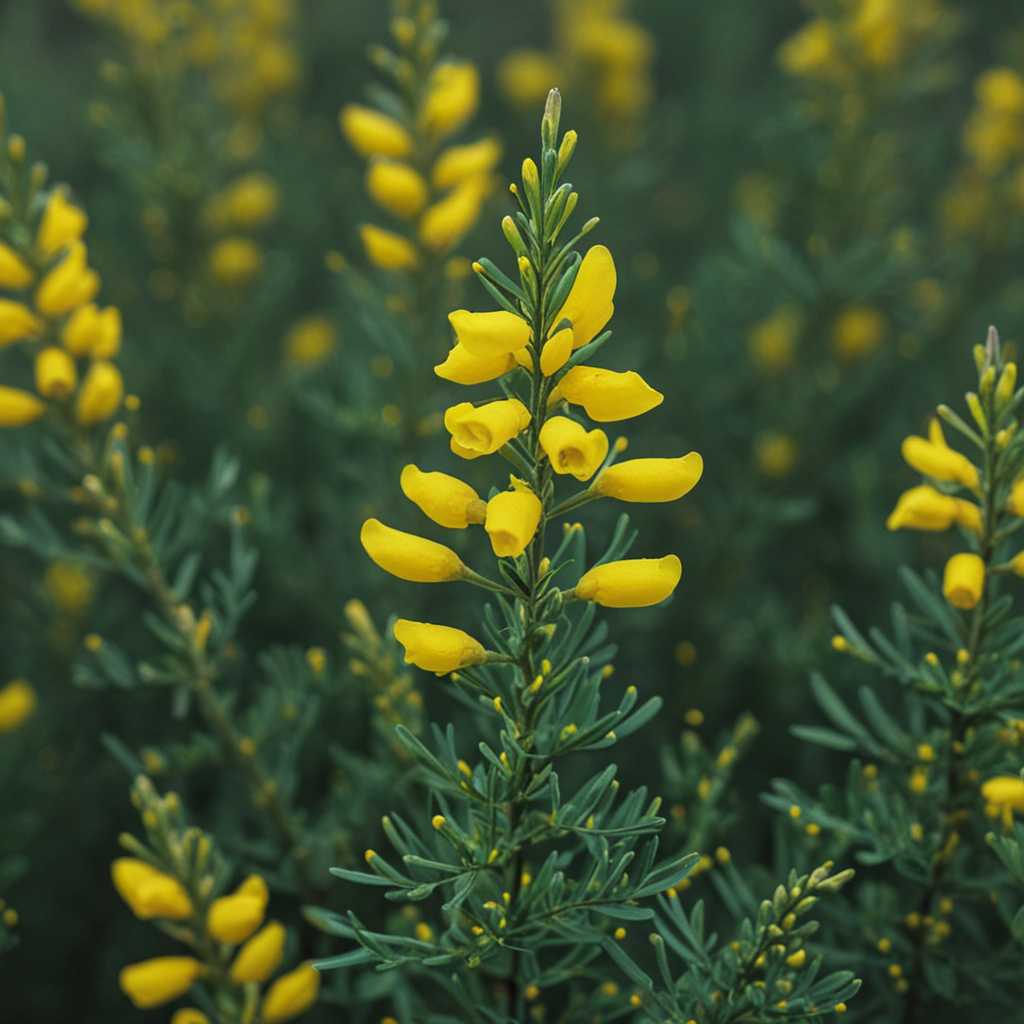
AntiRSV activity refers to the ability of certain medicinal herbs to inhibit the replication or spread of the Respiratory Syncytial Virus (RSV) within the host. Herbs such as Caulophyllum thalictroides, Baptisia tinctoria, and Genista tinctoria have demonstrated this biological potential by interfering with the viral life cycle.

Associated herbs: 7

Occurs naturally in

Caulophyllum thalictroides

Baptisia tinctoria

Genista tinctoria

View all AntiRSV herbs →

AntiRaynaud's

Anti-Raynaud's activity refers to the ability of certain medicinal herbs to alleviate the symptoms of Raynaud's phenomenon by improving peripheral blood circulation and reducing vasospasms in the extremities. Herbs such as Pimpinella aromatica, Erythrina fusca, and Rhus glabra exhibit this property by helping to dilate blood vessels and restore healthy blood flow to the fingers and toes.

Associated herbs: 562

Occurs naturally in

Pimpinella aromatica

Erythrina fusca

Rhus glabra

View all AntiRaynaud's herbs →

AntiReye's

Anti-Reye's activity refers to the ability of certain compounds to prevent or mitigate Reye's syndrome, a rare but serious condition characterized by acute encephalopathy and liver dysfunction. Medicinal herbs such as Pimpinella aromatica, Allium ampeloprasum, and Gardenia jasminoides exhibit this protective biological activity through their specific phytochemical profiles.

Associated herbs: 46

Occurs naturally in

Pimpinella aromatica

Allium ampeloprasum

Gardenia jasminoides

View all AntiReye's herbs →

AntiSeptic-Shock

Anti-septic shock activity refers to the ability of certain medicinal herbs to combat systemic infections and prevent the life-threatening physiological collapse caused by severe microbial toxicity. Herbs such as Medicago sativa, Apium graveolens, and Anisodus tangutica are recognized for their potential to stabilize bodily functions and mitigate the inflammatory cascades associated with septic conditions.

Associated herbs: 4

Occurs naturally in

Medicago sativa

Apium graveolens

Anisodus tanguticus

View all AntiSeptic-Shock herbs →

AntiSpina-Bifida

Anti-Spina-Bifida activity refers to the potential of medicinal herbs to provide protective or preventative effects against the neural tube defects that cause spina bifida during embryonic development. Research suggests that certain phytochemicals in plants such as Allium ampeloprasum, Annona muricata, and Prunus persica may help mitigate these developmental risks by supporting fetal neurodevelopment.

Associated herbs: 78

Occurs naturally in

Allium ampeloprasum

Annona muricata

Prunus persica

View all AntiSpina-Bifida herbs →

AntiSubstance-P

Anti-Substance-P activity refers to the ability of certain compounds to inhibit or antagonize Substance P, a neuropeptide responsible for transmitting pain signals and mediating inflammatory responses in the nervous system. Herbs such as Piper cubeba, Piper nigrum, and Xylopia aethiopica exhibit this biological activity, offering potential therapeutic benefits for managing pain and neuroinflammation.

Associated herbs: 4

Occurs naturally in

Piper cubeba

Piper nigrum

Xylopia aethiopica

View all AntiSubstance-P herbs →

AntiTGF-beta

Anti-TGF-beta activity refers to the ability of medicinal herbs to inhibit the Transforming Growth Factor-beta signaling pathway, which is a key driver in processes like tissue fibrosis, inflammation, and tumor progression. Herbs such as Thymus vulgaris, Cyperus rotundus, and Sambucus nigra exhibit this activity, offering potential therapeutic benefits in managing scarring and uncontrolled cell growth.

Associated herbs: 142

Occurs naturally in

Thymus vulgaris

Cyperus rotundus

Sambucus nigra

View all AntiTGF-beta herbs →

AntiTMJ

Anti-TMJ activity refers to the ability of medicinal herbs to alleviate symptoms of Temporomandibular Joint disorders, such as inflammation, muscle tension, and pain in the jaw area. Herbs such as Oryza sativa, Trigonella foenum-graecum, and Medicago sativa exhibit these properties by providing anti-inflammatory and analgesic effects that help soothe joint discomfort.

Associated herbs: 17

Occurs naturally in

Oryza sativa

Trigonella foenum-graecum

Medicago sativa

View all AntiTMJ herbs →

AntiTNF

Anti-TNF activity refers to the ability of certain herbal compounds to inhibit Tumor Necrosis Factor, a key pro-inflammatory cytokine responsible for driving chronic inflammatory diseases. Medicinal herbs such as Pimpinella aromatica, Croton eluater, and Thymus vulgaris exhibit this biological activity, making them potential natural agents for modulating the immune response.

Associated herbs: 146

Occurs naturally in

Pimpinella aromatica

Croton eluteria

Thymus vulgaris

View all AntiTNF herbs →

AntiTourette's

It appears there may be a typographical error in your request, as "AntiTourette's" is not a recognized biological or pharmacological term in medical science. If you are referring to anti-Tourette's activity (aimed at reducing tics and neurological symptoms), please see the explanation below: Herbs with anti-Tourette's biological activity work by modulating neurotransmitters, such as dopamine and GABA, to stabilize neurological signaling and reduce involuntary motor tics. Examples of plants studied for their neuroprotective or calming properties include Oryza sativa, Trigonella foenum-graecum, and Helianthus annuus. Note: If you intended to ask about a different term (such as Antioxidant, Antitubercular, or Antitumor), please clarify so I can provide the correct scientific explanation and herb samples.

Associated herbs: 32
Occurs naturally in

Oryza sativa

Trigonella foenum-graecum

Helianthus annuus

View all AntiTourette's herbs →

AntiUTI

AntiUTI activity refers to the ability of medicinal herbs to inhibit the growth of pathogenic bacteria or prevent their adhesion to the urinary tract, thereby helping to treat or prevent urinary tract infections. Various plants exhibit this property, such as Carum carvi, which contains antimicrobial essential oils, as well as species like Abies spectabilis and Strychnos nux-vomica.

Associated herbs: 35

Occurs naturally in

Abies spectabilis

Strychnos nux-vomica

Carum carvi

View all AntiUTI herbs →

AntiX-Radiation

Anti-X-radiation activity refers to the ability of certain medicinal herbs to protect cells from damage caused by ionizing radiation by neutralizing free radicals and repairing DNA. Herbs such as Curcuma longa (turmeric) and Curcuma aromatica exhibit this property due to their high concentrations of bioactive compounds like curcuminoids.

Associated herbs: 2
Occurs naturally in

Curcuma longa

Curcuma aromatica

View all AntiX-Radiation herbs →

Antiabscess

Antiabscess activity refers to the ability of medicinal herbs to inhibit the formation and spread of localized collections of pus caused by bacterial infections. Plants such as Tecoma stans, Handroanthus heptaphyllus, and Handroanthus impetiginosus exhibit these properties, helping to combat the underlying pathogens and reduce inflammation.

Associated herbs: 3

Occurs naturally in

Tecoma stans

Handroanthus heptaphyllus

Handroanthus impetiginosus

View all Antiabscess herbs →

Antiacetylcholine

Antiacetylcholine activity refers to the ability of a substance to inhibit the action of acetylcholine, a key neurotransmitter, by blocking its receptors or inhibiting its release. This biological activity is often utilized to treat conditions such as muscle spasms or certain neurological disorders, and it can be found in medicinal herbs like Micromeria varia.

Associated herbs: 175

Occurs naturally in

Micromeria ericifolia

Eucalyptus siderophloia

Croton eluteria

View all Antiacetylcholine herbs →