Explore herbs biological activities

  • 11249 Plants
  • |
  • 30137 Compounds
  • |
  • 1951 Activities
  • |
  • 132161 Studies

Explore Herbs


Alphabet


Biological Activity

View all →

Bioactive Compounds

View all →

List of herbs biological activities

Showing 481-528 out of 1951 results

Adrenalytic

An adrenalytic herb possesses the biological activity of suppressing or reducing the activity of the adrenal glands, often by decreasing the secretion of hormones like cortisol. Examples of plants exhibiting this effect include Glaucium flavum, Annona squamosa, and Eschscholzia californica.

Associated herbs: 4

Occurs naturally in
Glaucium flavum
Annona squamosa
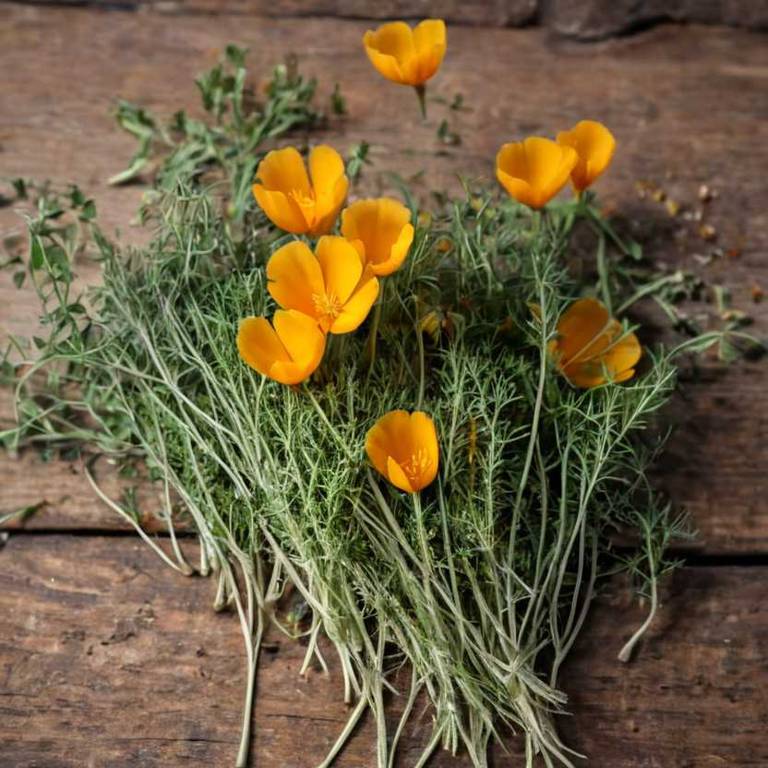
Eschscholzia californica
View all Adrenalytic herbs →

Adrenergic-Blocker

An adrenergic blocker is a substance that inhibits the action of epinephrine and norepinephrine, thereby reducing the stimulation of the sympathetic nervous system to lower blood pressure and heart rate. Various medicinal herbs exhibit this activity, including Uncaria guianensis, Rauvolfia serpentina, and Catharanthus lanceus.

Associated herbs: 11

Occurs naturally in

Uncaria guianensis

Rauvolfia serpentina

Catharanthus lanceus

View all Adrenergic-Blocker herbs →

Adrenocorticotrophic

Adrenocorticotropic activity refers to the ability of a substance to stimulate the adrenal cortex to release hormones, such as cortisol, which help the body manage stress and regulate metabolism. Medicinal herbs like Berberis aquifolium, Berberis sheriffiana, and Coptis chinensis exhibit this biological activity, potentially aiding in the modulation of the endocrine system.

Associated herbs: 20

Occurs naturally in

Berberis aquifolium

Berberis sheridaniana

Coptis chinensis

View all Adrenocorticotrophic herbs →

Adrenocorticotropic

Adrenocorticotropic activity refers to the ability of a substance to stimulate the adrenal cortex to release hormones, such as cortisol, which help the body manage stress and regulate metabolism. Medicinal herbs like Glycyrrhiza glabra, Glycyrrhiza uraensis, and Abrus precatorius exhibit this biological activity by influencing the hypothalamic-pituitary-adrenal axis.

Associated herbs: 4

Occurs naturally in

Abrus precatorius

Glycyrrhiza uralensis

Glycyrrhiza glabra

View all Adrenocorticotropic herbs →

Adrenolytic

An adrenolytic agent is a substance that reduces sympathetic nervous system activity by inhibiting the release or action of adrenaline (epinephrine) and noradrenaline. This biological activity is often utilized to lower blood pressure and reduce physiological stress, as seen in herbs such as Rauvolfia serpentina, Berberis aquifolium, and Podophyllum peltatum.

Associated herbs: 40

Occurs naturally in

Berberis aquifolium

Rauvolfia serpentina

Podophyllum peltatum

View all Adrenolytic herbs →

Adrenostimulant

An adrenostimulant is a substance that increases the activity of the adrenal glands or stimulates the release of adrenaline, thereby enhancing physiological alertness and metabolic functions. Medicinal herbs such as Aegle marmelos, Skimmia arborescens, and Zanthoxylum americanum exhibit this activity by boosting the body's sympathetic nervous system response.

Associated herbs: 7

Occurs naturally in

Aegle marmelos

Skimmia arborescens

Zanthoxylum americanum

View all Adrenostimulant herbs →

Aedifuge

Aedifuge herbs possess biological properties that help to prevent or alleviate the accumulation of excess fluids and waste products within the body's tissues. Common examples of plants exhibiting this activity include Achillea millefolium, Artemisia gmellinii var. gmellinii, and Cichorium intybus.

Associated herbs: 3

Occurs naturally in

Achillea millefolium

Artemisia gmelinii var. gmelinii

Cichorium intybus

View all Aedifuge herbs →

Aggregant

Aggregants are substances that promote the gathering or clumping of particles, often facilitating the formation of larger structures or the consolidation of cells. This biological activity can be observed in medicinal herbs such as Allium ampeloprasum, Annona muricata, and Santalum album.

Associated herbs: 149

Occurs naturally in

Allium ampeloprasum

Annona muricata

Santalum album

View all Aggregant herbs →

Akt-Inhibitor

Akt inhibitors are bioactive compounds that suppress the protein kinase B (Akt) signaling pathway, which is frequently overactive in various cancer cells and contributes to tumor growth and survival. Several medicinal herbs contain natural compounds with this inhibitory effect, including Vaccinium macrocarpum, Reynoutria japonica, and Eucalyptus wandoo.

Associated herbs: 8

Occurs naturally in

Vaccinium macrocarpon

Reynoutria japonica
Eucalyptus wandoo

View all Akt-Inhibitor herbs →

Albuminurigenic

Albuminuric activity refers to the biological capacity of certain substances to stimulate the production and secretion of albumin, a vital protein in the blood. Herbs such as Carica papaya, Lepidium sativum, and Moringa oleifera exhibit this property, which can assist in managing protein levels and supporting overall metabolic health.

Associated herbs: 6

Occurs naturally in

Carica papaya
Lepidium sativum

Moringa oleifera

View all Albuminurigenic herbs →

Alcohol-Dehydrogenase-Inhibitor

Alcohol dehydrogenase (ADH) inhibitors act by binding to the enzyme responsible for converting alcohols into aldehydes, thereby regulating metabolic pathways and potentially reducing toxic byproduct formation. Medicinal herbs such as Petasites japonicus, Punica granatum, and Gentiana lutea exhibit this biological activity through specific phytochemicals that can modulate alcohol metabolism in the body.

Associated herbs: 30

Occurs naturally in

Petasites japonicus

Punica granatum

Gentiana lutea

View all Alcohol-Dehydrogenase-Inhibitor herbs →

Aldehyde-Oxidase-Inhibitor

Aldehyde oxidase inhibitors are compounds that suppress the activity of the enzyme aldehyde oxidase, thereby preventing the metabolic breakdown of certain drugs and increasing their therapeutic effectiveness. Medicinal herbs such as Pimpinella aromatica, Erythroxylum novogranatense, and Rheum officinale contain bioactive constituents that exhibit this specific inhibitory activity.

Associated herbs: 318

Occurs naturally in

Pimpinella aromatica

Erythroxylum novogranatense

Rheum officinale

View all Aldehyde-Oxidase-Inhibitor herbs →

Algicide

Algaecides are substances produced by medicinal herbs that inhibit the growth or cause the destruction of unwanted algae in aquatic ecosystems. For example, plants such as Acorus calamus (Sweet Flag) exhibit this biological activity, making them useful for natural water treatment.

Associated herbs: 1

Occurs naturally in

Acorus calamus

View all Algicide herbs →

Algistat

Algistatic activity refers to the ability of a substance to inhibit the growth and multiplication of microorganisms without necessarily killing them. Herbs such as Gardenia jasminoides, Plantago major, and Aloysia citrodora exhibit this biological activity, helping to prevent bacterial proliferation in infected tissues.

Associated herbs: 5

Occurs naturally in

Gardenia jasminoides

Plantago major

Aloysia citrodora

View all Algistat herbs →

Allelochemic

Allelochimic activity refers to the process where medicinal herbs release specific chemical compounds into the environment to influence the growth, survival, or reproduction of neighboring organisms. For example, species such as Micromeria varia exhibit this behavior by secreting secondary metabolites that can inhibit the development of competing plant species or deter potential herbivores.

Associated herbs: 742

Occurs naturally in

Micromeria ericifolia

Elsholtzia ciliata

Pimpinella aromatica

View all Allelochemic herbs →

Allergenic?

An allergenic biological activity refers to the capacity of certain herb components to trigger an immune hypersensitivity response, potentially causing symptoms such as skin rashes, respiratory distress, or systemic allergic reactions in sensitive individuals. Examples of herbs that may exhibit this activity include Ferula gummosa, Thymus vulgaris, and Satureja thymbra.

Associated herbs: 58

Occurs naturally in

Ferula gummosa

Thymus vulgaris

Satureja thymbra

View all Allergenic? herbs →

Alpha-Reductase-Inhibitor

Alpha-reductase inhibitors work by blocking the enzyme responsible for converting testosterone into dihydrotestosterone (DHT), which helps regulate hormone levels and prevent conditions like androgenetic alopecia or prostate enlargement. Several medicinal herbs exhibit this biological activity, including Pimpinella aromatica, Strongylodon macrobotrys, and Thymus vulgaris.

Associated herbs: 435

Occurs naturally in

Pimpinella aromatica

Strongylodon macrobotrys

Thymus vulgaris

View all Alpha-Reductase-Inhibitor herbs →

Alzheimerigenic

An alzheimerigenic biological activity refers to the capacity of a substance to induce symptoms, neurotoxicity, or pathological changes characteristic of Alzheimer's disease. Certain medicinal herbs, such as Pilocarpus jaborandi, Pilocarpus microphyllus, and Pilocarpus racemosus, exhibit this activity through the release of alkaloids that can disrupt cholinergic homeostasis.

Associated herbs: 4

Occurs naturally in

Pilocarpus jaborandi

Pilocarpus microphyllus

Pilocarpus racemosus

View all Alzheimerigenic herbs →

Amblyopic

The term "amblyopic" refers to a biological activity that aids in the improvement or treatment of amblyopia, commonly known as "lazy eye," by enhancing visual acuity and neurological connections between the eye and the brain. Herbs such as Punica granatum (Pomegranate) and Withania somnifera (Ashwagandha) are studied for their potential neuroprotective and antioxidant properties that may support visual function and cognitive processing.

Associated herbs: 2

Occurs naturally in

Punica granatum

Withania somnifera

View all Amblyopic herbs →

Amebicide

An amebicide is a medicinal substance used to kill or inhibit the growth of amoebae, which are protozoan parasites responsible for diseases like amoebic dysentery. Various herbs possess this biological activity, such as Berberis aquifolium, Carapichea ipecacuanha, and Podophyllum peltatum.

Associated herbs: 63

Occurs naturally in

Berberis aquifolium

Carapichea ipecacuanha

Podophyllum peltatum

View all Amebicide herbs →

Ametic

Ametic activity refers to the ability of a substance to inhibit or prevent the production and release of histamine from mast cells. Herbs such as Robinia pseudoacacia exhibit this property, making them potentially useful in managing allergic responses and inflammatory conditions.

Associated herbs: 1

Occurs naturally in

Robinia pseudoacacia

View all Ametic herbs →

Amnesigenic

An amnesigenic biological activity refers to the ability of a substance to induce memory loss or impair the cognitive processes required for memory formation. This effect is typically caused by the inhibition of neurotransmitters, such as acetylcholine, which are essential for learning and recall. Examples of plants that exhibit amnesigenic properties through their alkaloids include Mandragora officinarum (Mandrake) and certain species of Solanum.

Associated herbs: 12

Occurs naturally in

Triticum aestivum

Mandragora officinarum

Solanum tuberosum

View all Amnesigenic herbs →

Amphetaminagenic

Amphetaminagenic activity refers to the ability of certain substances to stimulate the central nervous system by promoting the release or inhibiting the reuptake of neurotransmitters like dopamine and norepinephrine, similar to the effects of amphetamines. Certain medicinal herbs, such as Pimpinella anisum, Foeniculum vulgare, and Carum carvi, exhibit this biological activity due to the presence of specific volatile compounds like anethole.

Associated herbs: 20

Occurs naturally in

Pimpinella aromatica

Foeniculum vulgare

Carum carvi

View all Amphetaminagenic herbs →

Amphicholeretic

Amphicholeretic activity refers to the biological capacity of a substance to exert both stimulatory and inhibitory effects on the metabolic or physiological processes of an organism. This dual-action characteristic is observed in medicinal herbs such as Glaucium flavum, Nardostachys jatamansi (often associated with Nardostachys species), and Papaver bracteatum.

Associated herbs: 11

Occurs naturally in

Glaucium flavum

Nandina domestica

Papaver bracteatum

View all Amphicholeretic herbs →

Amphiestrogenic

Antihemostatic activity refers to the ability of a substance to prevent or stop bleeding by promoting blood clotting or repairing damaged blood vessels. Herbs such as Abrus precatorius, Glycyrrhiza uranensis, and Brassica oleracea exhibit this biological activity, helping to control hemorrhage through their various bioactive compounds.

Associated herbs: 5

Occurs naturally in

Abrus precatorius

Glycyrrhiza uralensis

Brassica oleracea

View all Amphiestrogenic herbs →

Amphiglycemic?

Amphiglycemic activity refers to the ability of a substance to regulate blood glucose levels by both lowering high blood sugar (hypoglycemic effect) and preventing low blood sugar (hyperglycemic effect). Herbs such as Rhus glabrum, Thymus vulgaris, and Cinnamomum aromaticum exhibit this dual capacity, helping to maintain metabolic homeostasis.

Associated herbs: 188

Occurs naturally in

Rhus glabra

Thymus vulgaris

Cinnamomum aromaticum

View all Amphiglycemic? herbs →

Amphitensive

An amphitensive biological activity refers to a substance that possesses both stimulatory and inhibitory effects depending on the physiological state or concentration used. For example, herbs such as Zingiber officinale (ginger) can exhibit these dual properties by acting as a stimulant for digestion while simultaneously providing anti-inflammatory inhibition.

Associated herbs: 1

Occurs naturally in

Zingiber officinale

View all Amphitensive herbs →

Analgesic-Synergist

An analgesic-synergist refers to a biological activity where a medicinal herb enhances the pain-relieving effects of another substance through a combined, cooperative mechanism. This interaction allows for a greater reduction in pain sensitivity than if the herbs were used individually, often by targeting multiple pain pathways simultaneously. Examples of herbs that exhibit such synergistic properties include Ilex paraguariensis, Galanthus nivalis, and Firmiana simplex.

Associated herbs: 14

Occurs naturally in

Ilex paraguariensis

Galanthus nivalis

Firmiana simplex

View all Analgesic-Synergist herbs →

Anaphrodisiac

Anaphrodisiac activity refers to the biological ability of certain substances to decrease or suppress sexual desire and libido. Medicinal herbs such as Erythroxylum novogranatense, Cinnamomum aromaticum, and Dianthus caryophyllus have been identified as possessing this inhibitory effect on sexual drive.

Associated herbs: 56

Occurs naturally in

Erythroxylum novogranatense

Cinnamomum aromaticum

Dianthus caryophyllus

View all Anaphrodisiac herbs →

Ancylostomicide

Ancylostomicide refers to the biological ability of certain medicinal herbs to eliminate or inhibit the development of hookworms (Ancylostoma) within a host. Herbs such as Pimpinella aromatica, Elsholtzia pilosa, and Thymus vulgaris exhibit this activity, making them potential natural agents for treating parasitic infections.

Associated herbs: 103

Occurs naturally in

Pimpinella aromatica

Elsholtzia pilosa

Thymus vulgaris

View all Ancylostomicide herbs →

Androgenic?

An androgenic biological activity refers to the ability of a substance to mimic or stimulate the effects of male sex hormones, such as testosterone, within the body. Certain medicinal herbs, including Erythrina fusca, Thymus vulgaris, and Allium ampeloprasum, are studied for their potential to influence these hormonal pathways.

Associated herbs: 371

Occurs naturally in

Erythrina fusca

Thymus vulgaris

Allium ampeloprasum

View all Androgenic? herbs →

Anemiagenic

Anemiagenic biological activity refers to the capacity of certain medicinal herbs to stimulate the production of red blood cells or enhance the body's ability to utilize iron, thereby helping to prevent or treat anemia. Examples of herbs that exhibit this restorative effect on blood levels include Pimpinella aromatica, Thymus vulgaris, and Lepidium meyenii.

Associated herbs: 322

Occurs naturally in

Pimpinella aromatica

Thymus vulgaris

Lepidium meyenii

View all Anemiagenic herbs →

Anesthetic-potentiator

An anesthetic potentiator is a substance that enhances the effects of anesthetic drugs, allowing for a reduction in the required dose while increasing the depth of sedation. Herbs such as Mandragora officinarum (mandrake) and Atropa belladonna (deadly nightshade) exhibit this activity due to their high concentrations of alkaloids that influence the central nervous system.

Associated herbs: 2

Occurs naturally in

Mandragora officinarum

Atropa bella-donna

View all Anesthetic-potentiator herbs →

Angiotensin-Receptor-Blocker

Angiotensin-receptor blockers (ARBs) act by inhibiting the binding of angiotensin II to its receptors, which helps relax blood vessels and lower blood pressure. Certain medicinal herbs, such as Mimosa tenuiflora, Pimpinella aromatica, and Erythrina fusca, exhibit this biological activity by modulating the renin-angiotensin system to support cardiovascular health.

Associated herbs: 617

Occurs naturally in

Mimosa tenuiflora

Pimpinella aromatica

Erythrina fusca

View all Angiotensin-Receptor-Blocker herbs →

Anhydrotic

An anhydrotic biological activity refers to the ability of a substance to reduce or suppress excessive sweating by inhibiting the activity of sweat glands. Medicinal herbs exhibiting this property, such as Annona muricata, Prunus persica, and Solanum dulcamara, can be utilized to manage hyperhidrosis or regulate body temperature.

Associated herbs: 53

Occurs naturally in

Annona muricata

Prunus persica

Solanum dulcamara

View all Anhydrotic herbs →

Ankylostomacide

Ankylostomacide activity refers to the biological capacity of certain medicinal herbs to inhibit the growth or survival of Ankylostoma species, which are parasitic hookworms. Plants such as Pimpinella aromatica, Elsholtzia pilosa, and Thymus vulgaris exhibit this property, making them potential natural agents for treating intestinal helminth infections.

Associated herbs: 98

Occurs naturally in

Pimpinella aromatica

Elsholtzia pilosa

Thymus vulgaris

View all Ankylostomacide herbs →

Anorectic

An anorectic biological activity refers to the ability of a substance to suppress appetite and reduce the sensation of hunger in an organism. Certain medicinal herbs, such as Castañospermum australe, Nicotiana rustica, and Juglans regia, exhibit these properties and can be used to help manage food intake.

Associated herbs: 21

Occurs naturally in

Castanospermum australe

Nicotiana rustica

Juglans regia

View all Anorectic herbs →

Anorectic?

An anorectic biological activity refers to the ability of a substance to suppress appetite and reduce the sensation of hunger. Herbs exhibiting this property, such as Aloe succotrina, Bletilla striata, and Ginkgo biloba, are often studied for their potential role in managing weight and treating obesity.

Associated herbs: 5

Occurs naturally in

Aloe succotrina

Bletilla striata

Ginkgo biloba

View all Anorectic? herbs →

Ant-Repellent

Certain medicinal herbs possess anti-repellent biological activity by utilizing natural volatile compounds that interfere with the sensory perceptions of insects. For instance, botanical extracts from species such as Helianthus annuus, Menyantha trifoliata, and Camellia sinensis can act as effective deterrents to prevent insects from landing or feeding on a host.

Associated herbs: 5

Occurs naturally in

Helianthus annuus

Menyanthes trifoliata

Camellia sinensis

View all Ant-Repellent herbs →

Anti-5-HT

Anti-5-HT activity refers to the ability of a substance to inhibit or modulate serotonin (5-hydroxytryptamine) receptors, which helps regulate mood, pain perception, and gastrointestinal motility. Several medicinal herbs, such as Zingiber officinale, Aframomum melegueta, and Alpinia galanga, exhibit this biological activity, potentially offering therapeutic benefits for neurological and digestive disorders.

Associated herbs: 3

Occurs naturally in

Zingiber officinale

Aframomum melegueta

Alpinia galanga

View all Anti-5-HT herbs →

Anti-IgE

Anti-IgE activity refers to the ability of certain substances to inhibit the production or binding of Immunoglobulin E, the antibody primarily responsible for triggering allergic reactions and asthma. Herbs such as Arctium lappa (Burdock) exhibit this biological activity, helping to suppress the underlying mechanisms of hypersensitivity and allergic inflammation.

Associated herbs: 1

Occurs naturally in

Arctium lappa

View all Anti-IgE herbs →

Anti-LDL

Anti-LDL activity refers to the ability of certain compounds to reduce levels of low-density lipoprotein, commonly known as "bad" cholesterol, in the bloodstream. This biological process helps prevent the accumulation of arterial plaque and lowers the overall risk of cardiovascular diseases. Examples of herbs exhibiting this activity include Mentha canadensis, Capsicum frutescens, and Mentha spicata.

Associated herbs: 15

Occurs naturally in

Mentha canadensis

Capsicum frutescens

Mentha spicata

View all Anti-LDL herbs →

Anti-cAMP-Phosphodiesterase

Anti-cAMP-phosphodiesterase activity refers to the ability of a substance to inhibit the enzyme phosphodiesterase, thereby preventing the breakdown of cyclic adenosine monophosphate (cAMP) within cells. By maintaining higher levels of cAMP, these herbs can enhance intracellular signaling processes related to muscle relaxation, neurotransmission, and metabolic regulation. An example of a plant that exhibits this biological activity is Sesamum indicum (sesame).

Associated herbs: 1

Occurs naturally in

Sesamum indicum

View all Anti-cAMP-Phosphodiesterase herbs →

AntiADD

AntiADD refers to the biological capacity of certain medicinal herbs to alleviate symptoms associated with Attention Deficit Disorder, such as hyperactivity and cognitive instability. Examples of plants demonstrating this activity include Pimpinella aromatica, Thymus vulgaris, and Allium ampeloprasum.

Associated herbs: 209

Occurs naturally in

Pimpinella aromatica

Thymus vulgaris

Allium ampeloprasum

View all AntiADD herbs →

AntiAGE

AntiAGE activity refers to the ability of certain compounds to inhibit the formation of Advanced Glycation End-products, which are harmful proteins created when excess sugar binds to proteins or lipids in the body. By preventing this process, these herbs help protect cells from oxidative stress and age-related damage, a property exhibited by plants such as Pimpinella aromatica, Erythrina fusca, and Rhus glabra.

Associated herbs: 435

Occurs naturally in

Pimpinella aromatica

Erythrina fusca

Rhus glabra

View all AntiAGE herbs →

AntiAIDS

Anti-AIDS biological activity refers to the ability of medicinal herbs to inhibit the replication of the Human Immunodeficiency Virus (HIV) or to bolster the immune system against its destructive effects. Various plants, such as Punica granatum, Terminalia arjuna, and Trichosanthes kirilowii, have demonstrated potential in this area through their diverse bioactive compounds.

Associated herbs: 7

Occurs naturally in

Punica granatum

Terminalia arjuna

Trichosanthes kirilowii

View all AntiAIDS herbs →

AntiAddisonian

Anti-Addisonian activity refers to the ability of a substance to help restore or support adrenal gland function and mitigate the symptoms of adrenal insufficiency. Herbs such as Aloe succotrina and certain nutritional components found in Oryza sativa may be utilized to help stabilize physiological responses related to cortisol production and metabolic balance.

Associated herbs: 30

Occurs naturally in

Oryza sativa

Helianthus annuus

Aloe succotrina

View all AntiAddisonian herbs →

AntiBehcet's

Anti-Behcet's activity refers to the ability of certain medicinal herbs to suppress the systemic inflammation and vascular damage characteristic of Behcet's disease. Herbs such as Colchicum autumnale and Gloriosa superba exhibit this activity by inhibiting neutrophil migration and reducing the inflammatory response in the blood vessels.

Associated herbs: 2

Occurs naturally in

Colchicum autumnale

Gloriosa superba

View all AntiBehcet's herbs →