Explore herbs bioactive compounds

  • 10547 Plants
  • |
  • 22410 Compounds
  • |
  • 460 Activities
  • |
  • 132161 Studies

Explore Herbs


Alphabet


Biological Activity

View all →

Bioactive Compounds

View all →

List of herbs bioactive compounds

Showing 721-460 out of 460 results

Camphor

Camphor is a volatile, aromatic monoterpene found in various medicinal plants that is widely utilized for its analgesic, antiseptic, and anti-inflammatory properties. This bioactive compound can be sourced from various botanical species, such as Acacia catechu, Acanthopanax brachypus, and Achillea clypeolata.

Associated herbs: 16

Occurs naturally in

Alpinia japonica

Artemisia absinthium

Artemisia annua

View all Camphor herbs →

Emodin

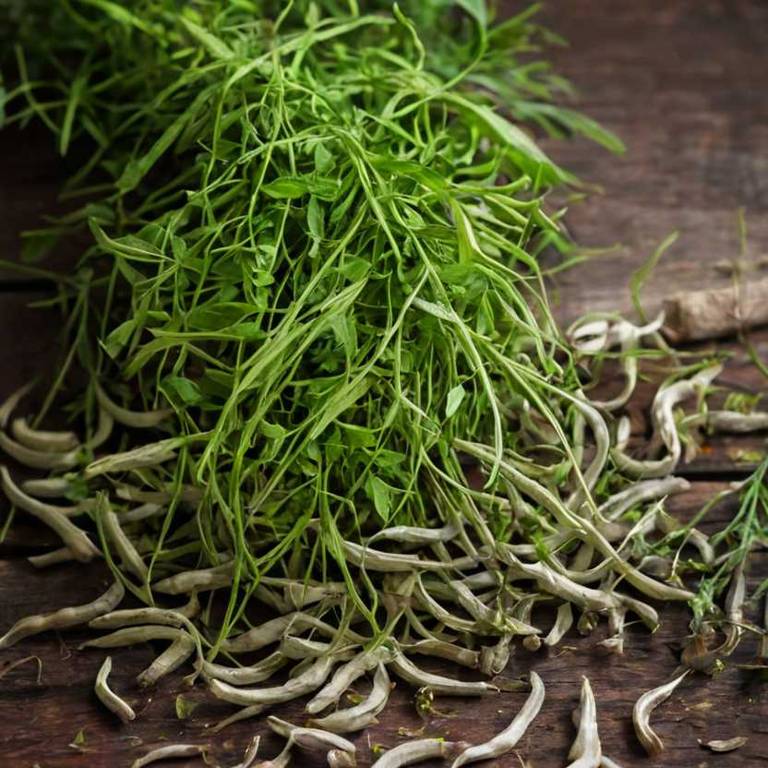
Emodin is a bioactive anthraquinone derivative known for its potent anti-inflammatory, antioxidant, and laxative properties. This compound can be found in various medicinal plants, such as Aloe barbadensis, Aloe vera, and Alyxia sinensis.

Associated herbs: 10

Occurs naturally in
Cassia occidentalis

Emex spinosa

Polygonum

View all Emodin herbs →

F2

F2 is a bioactive compound found in various medicinal herbs that serves as a key phytochemical marker for evaluating their therapeutic potential. Examples of plants containing this compound include Allium sativum, Cleome droserifolia, and Desmodium ascendens.

Associated herbs: 12

Occurs naturally in

Allium sativum

Cleome droserifolia

Desmodium adscendens

View all F2 herbs →

Limonene

Limonene is a naturally occurring terpene responsible for the distinct citrusy aroma and significant antioxidant and anti-inflammatory properties found in many medicinal plants. This bioactive compound is prominently present in various herbs, such as Aegle marmelos, Agastache rugosa, and Aloysia citrodora.

Associated herbs: 18

Occurs naturally in

Achillea millefolium

Algrizea minor

Anethum graveolens

View all Limonene herbs →

Linoleic acid

Linoleic acid is an essential polyunsaturated fatty acid that plays a critical role in maintaining skin barrier function and supporting various anti-inflammatory biological processes. This bioactive compound can be found in several medicinal plants, such as Abrus precatorius, Acer saccharum, and Achillea nobilis.

Associated herbs: 20

Occurs naturally in

Acacia auriculiformis

Acacia concinna

Adenopus breviflorus

View all Linoleic acid herbs →

Sesquiterpenes

Sesquiterpenes are a diverse class of bioactive compounds composed of three isoprene units that play a crucial role in the therapeutic properties of many medicinal plants. These compounds are commonly found in various herbal species, such as Acanthopanax brachypus and Achillea millefolium.

Associated herbs: 18

Occurs naturally in

Aquilaria

Aquilaria sinensis

Cedrus libani

View all Sesquiterpenes herbs →

Terpenoids

Terpenoids are a diverse class of organic compounds derived from isoprene units that play crucial roles in plant defense and provide significant therapeutic benefits, such as anti-inflammatory and antimicrobial properties. These bioactive molecules are found in various medicinal herbs, including Abelmoschus esculentus (okra), Abies pindrow, and Abies sibirica (fir species).

Associated herbs: 22

Occurs naturally in

Alisma orientale

Arisaema dracontium

Artemisia

View all Terpenoids herbs →

albiflorin

Albiblorin is a bioactive flavonoid found in various medicinal plants that is often studied for its potential anti-inflammatory and antioxidant properties. This compound is specifically present in herbs such as Althaea officinalis, Citrus reticulata, and Glycyrrhiza uralensis.

Associated herbs: 6

Occurs naturally in

Althaea officinalis

Citrus reticulata

Glycyrrhiza uralensis

View all albiflorin herbs →

alcohol

Alcohol is a bioactive compound that acts as a solvent in plants, often facilitating the extraction of other therapeutic constituents and contributing to the antimicrobial and anesthetic properties of medicinal extracts. Various herbs contain different alcoholic components or utilize them in their chemical profiles, such as Aloe greatheadii var. davyana, Blumea balsamifera, and Calotropis procera.

Associated herbs: 18

Occurs naturally in

Aloe greatheadii var. davyana

Amomum tsao-ko

Blumea balsamifera

View all alcohol herbs →

arjunolic acid

Arjunolic acid is a bioactive triterpene found in various medicinal herbs that is studied for its potential anti-inflammatory and antioxidant properties. This specific compound is notably present in species such as Combretum dolichopetalum, Combretum leprosum, and Combretum microphyllum.

Associated herbs: 12

Occurs naturally in

Combretum dolichopetalum

Combretum leprosum

Combretum microphyllum

View all arjunolic acid herbs →

artemisinic acid

Artemisinic acid is a key sesquiterpene derivative that serves as a critical precursor in the biosynthesis of artemisinin, a potent compound used to treat malaria. This bioactive substance is primarily found in medicinal herbs such as Artemisia annua and Artemisia deserti.

Associated herbs: 3

Occurs naturally in

Artemisia annua

Artemisia deserti

Artemisia herba-alba

View all artemisinic acid herbs →

ascorbate

Ascorbate, commonly known as Vitamin C, is a potent antioxidant bioactive compound that supports immune function and protects cells from oxidative damage. This essential nutrient can be found in various medicinal and edible herbs, such as Allium porrum, Amorphophallus xiei, and Brassica oleracea var. acephalata.

Associated herbs: 22

Occurs naturally in

Allium porrum

Amorphophallus xiei

Brassica oleracea var. acephala

View all ascorbate herbs →

chamazulene

Chamazulene is a bioactive blue pigment produced during the steam distillation of certain medicinal herbs, known for its potent anti-inflammatory and antioxidant properties. This compound is commonly found in plants such as Achillea millefolium (Yarrow), Artemisia absinthium (Wormwood), and Artemisia arborescens.

Associated herbs: 11

Occurs naturally in

Achillea millefolium

Artemisia absinthium

Artemisia arborescens

View all chamazulene herbs →

compound 2

Since you did not provide the specific name or chemical structure of "compound 2," I have provided a template below. Please reply with the name of the compound (e.g., Quercetin, Berberine, or a specific alkaloid) so I can write the exact scientific explanation for you. ### Template (Fill in the bracketed information): Compound 2 is a bioactive [insert class, e.g., alkaloid/flavonoid] known for its significant [insert property, e.g., anti-inflammatory/antimicrobial] therapeutic effects. This specific compound is naturally found in various medicinal herbs, including Abrus mollis, Alpinia officinarum, and Areca catechu. ### Example (If "Compound 2" was actually Alpinin): Alpinin is a bioactive terpenoid recognized for its potent antioxidant and neuroprotective properties in pharmacological studies. This compound is a primary constituent found in medicinal herbs such as Abrus mollis, Alpinia officinarum, and Areca catechu.

Associated herbs: 31

Occurs naturally in

Abrus mollis

Alpinia officinarum

Areca catechu

View all compound 2 herbs →

compound 4

Compound 4 is a bioactive constituent identified within various medicinal plants, known for contributing to the specific therapeutic properties of the species in which it is found. This particular compound has been documented in diverse botanical sources, including Abrus mollis, Alpinia officinarum, and Arabidopsis thaliana.

Associated herbs: 31

Occurs naturally in

Abrus mollis

Alpinia officinarum

Arabidopsis thaliana

View all compound 4 herbs →

dichloromethane

Dichloromethane is a volatile organic solvent frequently used in laboratory settings to extract bioactive compounds, such as alkaloids and terpenoids, from medicinal plant tissues. It is commonly employed during the chemical profiling of various herbs, including Acacia mangium, Adenanthera bicolor, and Ajuga remotis.

Associated herbs: 18

Occurs naturally in

Acacia mangium

Adenanthera bicolor

Ajuga remota

View all dichloromethane herbs →

diosmetin

Diosmetin is a bioactive flavone known for its potent antioxidant, anti-inflammatory, and neuroprotective properties in medicinal plants. This compound can be found in various herbal species, such as Artemisia absinthium, Artemisia judaica, and Asphodelus macrocarpus.

Associated herbs: 22

Occurs naturally in

Artemisia absinthium

Artemisia judaica

Asphodelus bento-rainhae

View all diosmetin herbs →

elemol

Elemol is a sesquiterpene hydrocarbon known for its diverse biological activities, including anti-inflammatory, antimicrobial, and antioxidant properties. This bioactive compound can be found in various medicinal herbs such as Alpinia galanga, Anemone altaica, and Atractylodes lancea.

Associated herbs: 17

Occurs naturally in

Alpinia galanga

Anemone altaica

Atractylodes lancea

View all elemol herbs →

embelin

Embelin is a bioactive quinone derivative known for its potent antioxidant, anti-inflammatory, and anti-cancer properties. This compound can be found in various medicinal plants, including Ardisia crenata, Ardisia javanica, and Azadirachta indica.

Associated herbs: 9

Occurs naturally in

Ardisia crenata

Ardisia javanica

Azadirachta indica

View all embelin herbs →

epicatechin gallate

Epicatechin gallate is a potent bioactive polyphenol known for its significant antioxidant, anti-inflammatory, and neuroprotective properties. This compound is naturally found in various medicinal plants, such as Acacia catechu, Acacia nilotica, and Camellia sinensis.

Associated herbs: 12

Occurs naturally in

Acacia catechu

Acacia nilotica

Camellia sinensis

View all epicatechin gallate herbs →

genistin

Genistin is a natural isoflavone known for its potent antioxidant, anti-inflammatory, and estrogenic properties, which contribute to its role in promoting overall metabolic and cellular health. This bioactive compound can be found in various medicinal plants and legumes, such as Achillea ketenoaglui, Bacopa monnieri, and Cicer arietinum.

Associated herbs: 19

Occurs naturally in

Achillea ketenoglui

Bacopa monnieri

Cicer arietinum

View all genistin herbs →

ginsenoside Rg3

Ginsenoside Rg3 is a potent bioactive saponin known for its significant pharmacological properties, including anti-tumor, anti-inflammatory, and neuroprotective effects. This compound is primarily found in various species of the Panax genus, such as Panax ginseng, Panax notoginseng, and Panax vietnamensis.

Associated herbs: 3

Occurs naturally in

Panax ginseng

Panax notoginseng

Panax vietnamensis

View all ginsenoside Rg3 herbs →

glucosides

Glucosides are bioactive compounds consisting of a sugar molecule bound to a non-sugar functional group, which often enhances the solubility and stability of the molecule within medicinal plants. These compounds are found in various therapeutic herbs, including Caragana balchaschensis, Centratherum punctatum, and Dalbergia sissoo.

Associated herbs: 19

Occurs naturally in

Caragana balchaschensis

Centratherum punctatum

Dalbergia sissoo

View all glucosides herbs →

glutathione (GSH)

Glutathione (GSH) is a powerful endogenous antioxidant that plays a critical role in protecting cells from oxidative stress and supporting detoxification processes within the body. This bioactive compound can be found in various medicinal and model organisms, including Bacopa monnieri, Camellia sinensis, and the model plant Arabidopsis thaliana.

Associated herbs: 15

Occurs naturally in

Arabidopsis thaliana

Bacopa monnieri

Camellia sinensis

View all glutathione (GSH) herbs →

glycoproteins

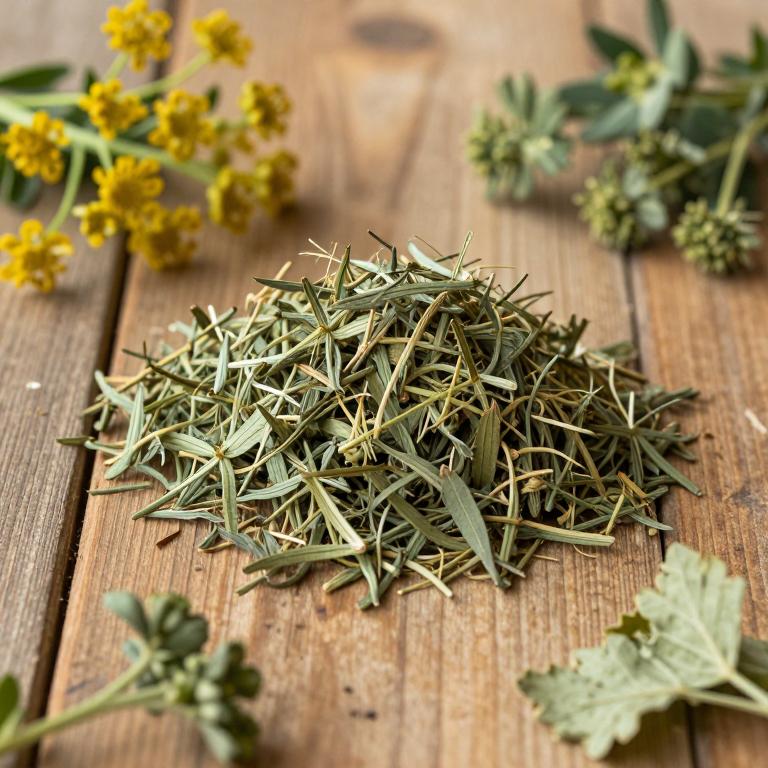
Glycoproteins are complex bioactive molecules consisting of sugar chains covalently bonded to proteins, which play crucial roles in supporting immune function and promoting tissue repair. These compounds are found in various medicinal herbs, such as Aloe vera, Baptisia tinctoria, and Echinacea angustifolia.

Associated herbs: 13

Occurs naturally in

Aloe vera

Baptisia tinctoria
Echinacea angustifolia

View all glycoproteins herbs →

hydrolyzable tannins

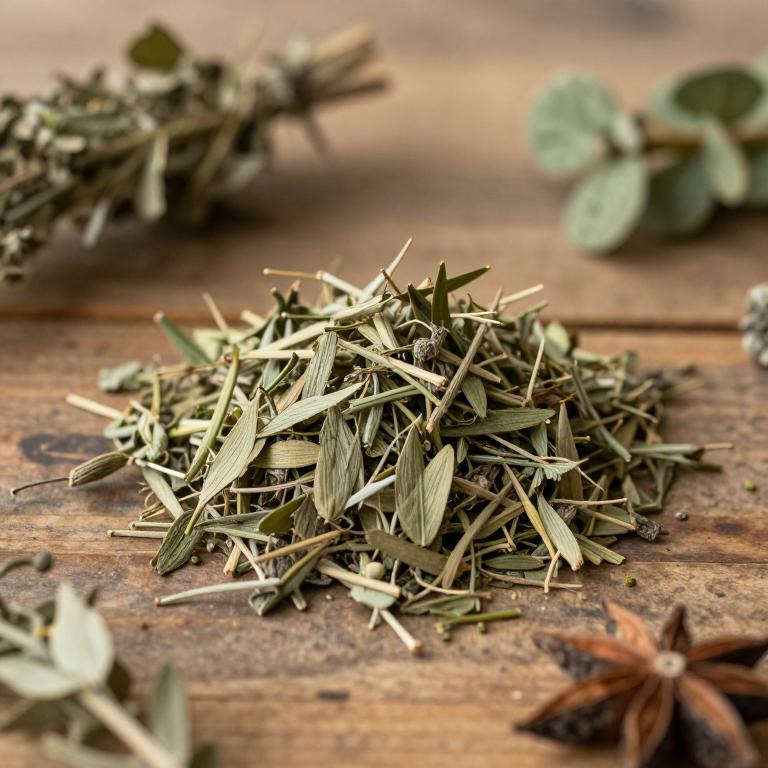
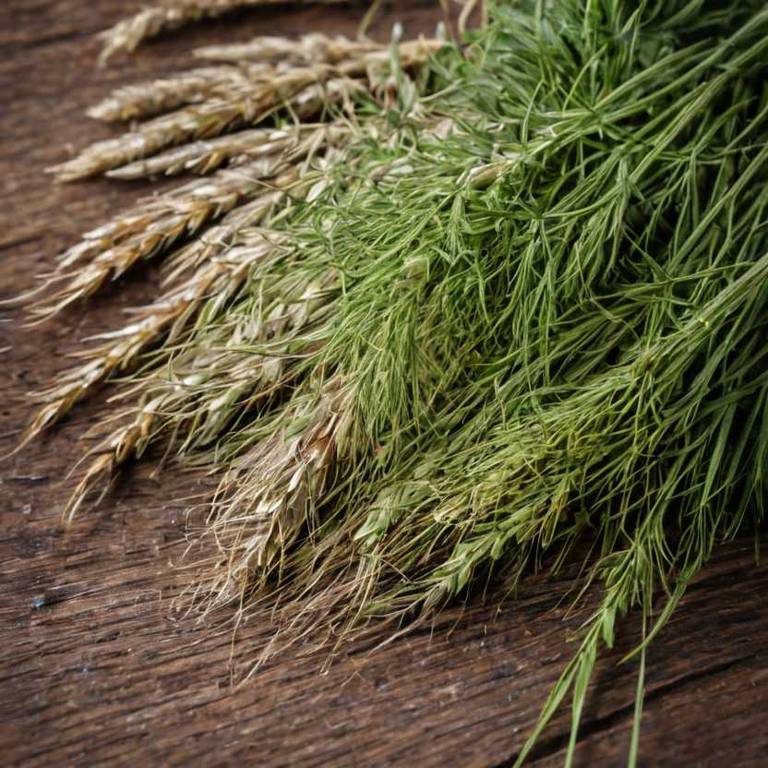
Hydrolyzable tannins are a class of bioactive polyphenols formed by the esterification of sugars with phenolic acids, which often exhibit potent antioxidant and antimicrobial properties. These compounds are found in various medicinal plants, including Acacia, Acanthospermum hispidum, and Agrimonia asiatica.
Associated herbs: 25

Occurs naturally in

Acacia
Acanthospermum hispidum

Agrimonia asiatica

View all hydrolyzable tannins herbs →

isoleucine

Isoleucine is an essential branched-chain amino acid that plays a critical role in muscle metabolism, immune function, and the regulation of blood glucose levels. This bioactive compound can be found in various medicinal herbs, including Allium sativum (garlic), Bauhinia racemosa, and Camellia sinensis (tea).

Associated herbs: 16

Occurs naturally in

Allium sativum

Bauhinia racemosa

Camellia sinensis

View all isoleucine herbs →

jaceosidin

Jaceosidin is a bioactive flavone known for its diverse pharmacological properties, including anti-inflammatory, antioxidant, and potential anti-cancer activities. This compound is commonly found in various medicinal herbs, such as Anvillea radicata, Artemisia, and Artemisia argyi.

Associated herbs: 12

Occurs naturally in

Anvillea radiata

Artemisia

Artemisia argyi

View all jaceosidin herbs →

lignins

Lignins are complex organic polymers found in the cell walls of plants that provide structural rigidity, protection against pathogens, and essential fiber content. These bioactive compounds are abundant in various medicinal and fibrous herbs, such as Agave sisalana, Ananas erectifolius, and Areca catechu.

Associated herbs: 21

Occurs naturally in

Agave sisalana

Ananas erectifolius

Areca catechu

View all lignins herbs →

loliolide

Loliolide is a bioactive lactone compound known for its potential pharmacological properties, including antioxidant and anti-inflammatory activities. It can be found in various medicinal plants such as Achillea millefolium, Bacopa monnieri, and Clerodendrum polycephalum.

Associated herbs: 20

Occurs naturally in

Achillea millefolium

Bacopa monnieri

Clerodendrum polycephalum

View all loliolide herbs →

malate

Malate is a bioactive organic acid that plays a critical role in cellular energy metabolism and antioxidant defense within the body. This compound can be found in various medicinal herbs, such as Andrographis paniculata, Astragalus membranaceus, and Cicer arietinum.

Associated herbs: 13

Occurs naturally in

Andrographis paniculata

Astragalus membranaceus

Cicer arietinum

View all malate herbs →

monoterpenoid indole alkaloids

Monoterpenoid indole alkaloids are a diverse class of bioactive secondary metabolites formed through the structural fusion of a monoterpene unit and a tryptamine derivative. These compounds are widely recognized for their potent pharmacological activities, such as anti-cancer and anti-malarial properties, and are found in medicinal plants like Alstonia scholaris, Camp Totheca acuminata, and Catharanthus roseus.

Associated herbs: 8

Occurs naturally in

Alstonia scholaris

Camptotheca acuminata

Catharanthus roseus

View all monoterpenoid indole alkaloids herbs →

oxalate

Oxalate is a naturally occurring organic acid found in various plants that can bind to calcium to form insoluble crystals, potentially contributing to the formation of kidney stones if consumed in excessive amounts. Common medicinal and dietary herbs containing this compound include Arachis hypogaea (peanut), Averrhoa carambola (starfruit), and Cyperus esculentus (tiger nut).

Associated herbs: 21

Occurs naturally in

Arachis hypogaea

Averrhoa carambola

Cyperus esculentus

View all oxalate herbs →

piceatannol

Piceatannol is a potent stilbenoid antioxidant that has demonstrated significant anti-inflammatory, anti-cancer, and neuroprotective properties in various biological studies. This bioactive compound can be found in several medicinal plants, including Acorus calamus, Callistemon rigidus, and Caragana tibetica.

Associated herbs: 15

Occurs naturally in

Acorus calamus

Callistemon rigidus

Caragana tibetica

View all piceatannol herbs →

pinoresinol

Pinoresinol is a bioactive lignan known for its diverse pharmacological properties, including significant antioxidant, anti-inflammatory, and potential anticancer activities. This compound can be found in various medicinal herbs, such as Cochlospermum vitifolium, Coptis japonica, and Coptis japonica var. dissecta.

Associated herbs: 22

Occurs naturally in

Cochlospermum vitifolium

Coptis japonica

Coptis japonica var. dissecta

View all pinoresinol herbs →

quinine

Quinine is a potent alkaloid primarily used for its antimalarial properties and its ability to treat certain cardiac arrhythmias. This bioactive compound is naturally extracted from the bark of various medicinal plants, most notably from the Cinchona genus, including species such as Cinchona calisaya and Anogeissus latifolia.

Associated herbs: 8

Occurs naturally in

Anogeissus latifolia

Cinchona

Cinchona calisaya

View all quinine herbs →

sabinene

Sabiinene is a naturally occurring monoterpene hydrocarbon known for its diverse pharmacological properties, including anti-inflammatory and antimicrobial activities. This bioactive compound can be found in various medicinal herbs, such as Achillea multifida, Aframomum danielii, and Cinnamomum migao.

Associated herbs: 19

Occurs naturally in

Achillea multifida

Aframomum daniellii

Cinnamomum migao

View all sabinene herbs →

salvinorin A

Salvinorin A is a potent naturally occurring diterpenoid that acts as a highly selective kappa-opioid receptor agonist, producing intense hallucinogenic effects. This bioactive compound is most famously found in the leaves of the psychoactive herb Salvia divinorum.

Associated herbs: 1

Occurs naturally in

Salvia divinorum

View all salvinorin A herbs →

taraxerol

Taraxerol is a bioactive triterpenoid known for its significant pharmacological properties, including anti-inflammatory, antioxidant, and potential anti-tumor activities. This compound can be found in various medicinal plants, such as Alchornea latifolia, Asystasia buettneriana, and Capparis decidua.

Associated herbs: 29

Occurs naturally in

Alchornea latifolia

Asystasia buettneri

Calophyllum cordato-oblongum

View all taraxerol herbs →

tetrandrine

Tetrandrine is a bioactive isoquinoline alkaloid known for its significant pharmacological properties, including anti-inflammatory, vasodilatory, and calcium channel blocking effects. This compound is primarily found in medicinal herbs such as Aristolochia fangchi, Chelidonium majus, and Isopyrpyum thalictroides.

Associated herbs: 8

Occurs naturally in

Aristolochia fangchi

Chelidonium majus

Isopyrum thalictroides

View all tetrandrine herbs →

theobromine

Theobromine is a naturally occurring alkaloid that acts as a mild stimulant to the central nervous system and serves as a vasodilator to increase blood flow. This bioactive compound is commonly found in various botanical sources, including Coffea arabica, Coffea canephora, and Camellia sinensis.

Associated herbs: 9

Occurs naturally in

Camellia sinensis

Coffea

Coffea arabica

View all theobromine herbs →

uridine

Uridine is a naturally occurring pyrimidine nucleoside that plays a critical role in cellular metabolism, particularly in the synthesis of RNA and the maintenance of neurological health. It can be found in various medicinal plants, including species such as Acanthus ilicifolius, Alangium kurzii, and Anemone altaica.

Associated herbs: 26

Occurs naturally in

Acanthus ilicifolius

Alangium kurzii

Anemone altaica

View all uridine herbs →

vasicine

Vasicine is a bioactive quinazoline alkaloid primarily recognized for its potent bronchodilatory and expectorant properties, which help in treating respiratory conditions like asthma and bronchitis. This compound is found in medicinal herbs such as Adhatoda vasica (also known as Justicia adhatoda) and Peganum harmala.

Associated herbs: 9

Occurs naturally in

Adhatoda vasica

Justicia adhatoda

Peganum harmala

View all vasicine herbs →

wedelolactone

Wedelolactone is a bioactive flavonoid known for its potent anti-inflammatory, antioxidant, and anti-tumor properties. This compound is found in several medicinal herbs, including Cissus quadrangularis, Eclipta alba, and Eclipta prostrata.

Associated herbs: 5

Occurs naturally in

Cissus quadrangularis

Eclipta alba

Eclipta prostrata

View all wedelolactone herbs →

1,8-cineol

1,8-cineole, also known as eucalyptol, is a natural monoterpene ether valued in pharmacology for its potent anti-inflammatory, antimicrobial, and mucolytic properties. This bioactive compound is found in various medicinal herbs, including species such as Achillea wilhelmsii, Cyclotrichium leucotrichum, and Dracocephalum polychaeatum.

Associated herbs: 22

Occurs naturally in

Achillea wilhelmsii

Cyclotrichium leucotrichum

Dracocephalum polychaetum

View all 1,8-cineol herbs →

4,5-dicaffeoylquinic acid

4,5-dicaffeoylquinic acid is a potent bioactive polyphenol known for its significant antioxidant, anti-inflammatory, and neuroprotective properties. This compound can be found naturally in various medicinal herbs, including Ainsliaea fragrans, Artemisia indica, and Artemisia rupestris.

Associated herbs: 15

Occurs naturally in

Ainsliaea fragrans

Artemisia indica

Artemisia rupestris

View all 4,5-dicaffeoylquinic acid herbs →

Asiatic acid

Asiatic acid is a potent triterpenoid bioactive compound known for its significant neuroprotective, anti-inflammatory, and wound-healing properties. It is primarily found in medicinal herbs such as Centella asiatica, Bacopa monnieri, and Actinidia macrosperma.

Associated herbs: 1

Occurs naturally in

Centella asiatica

View all Asiatic acid herbs →

EGb

EGb refers to a standardized extract derived from the leaves of medicinal plants, most notably used in the form of Ginkgo biloba extract. This bioactive compound is primarily characterized by its specific concentration of flavonoid glycosides and terpene lactones, which are studied for their neuroprotective and circulatory benefits.

Associated herbs: 1

Occurs naturally in

Ginkgo biloba

View all EGb herbs →