Explore herbs bioactive compounds

  • 10547 Plants
  • |
  • 22410 Compounds
  • |
  • 460 Activities
  • |
  • 132161 Studies

Explore Herbs


Alphabet


Biological Activity

View all →

Bioactive Compounds

View all →

List of herbs bioactive compounds

Showing 529-460 out of 460 results

naphthoquinones

Naphthoquinones are a class of bioactive compounds characterized by a specific chemical structure that often imparts strong antioxidant, antimicrobial, and anti-inflammatory properties to medicinal plants. These versatile molecules are found in various therapeutic herbs, including Alkanna tinctoria, Arnebia euchroma, and Abies spectabilis.

Associated herbs: 24

Occurs naturally in

Abies spectabilis

Alkanna tinctoria

Arnebia euchroma

View all naphthoquinones herbs →

raffinose

Raffinose is a trisaccharide composed of galactose, glucose, and fructose that serves as a prebiotic carbohydrate in various medicinal plants. This bioactive compound can be found in several herbs and legumes, including Angelica acutiloba, Cajanus cajan, and Canavalia ensiformis.

Associated herbs: 23

Occurs naturally in

Angelica acutiloba

Cajanus cajan

Canavalia ensiformis

View all raffinose herbs →

silybin

Silybin is a potent bioactive flavonolignan known for its significant antioxidant, anti-inflammatory, and hepatoprotective properties. This compound can be found in various medicinal plants, including Anastatica hierochuntica, Artemisia annua, and Helichrysum splendidum.

Associated herbs: 5

Occurs naturally in

Anastatica hierochuntica

Artemisia annua

Helichrysum splendidum

View all silybin herbs →

Ba

Ba refers to a class of bioactive compounds that play significant roles in the therapeutic properties of various medicinal plants. These compounds are found in several botanical species, including Achillea clavennae, Aloe vera, and Angelica dahurica.

Associated herbs: 36

Occurs naturally in
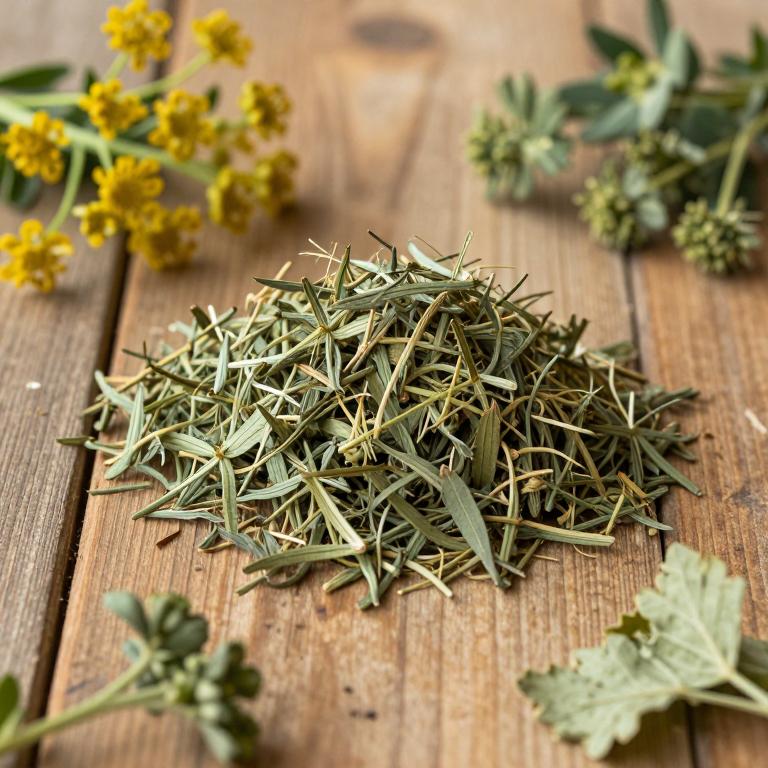
Achillea clavennae

Aloe vera

Angelica dahurica

View all Ba herbs →

D-limonene

D-limonene is a naturally occurring monoterpene widely recognized for its potent antioxidant, anti-inflammatory, and antimicrobial properties. This bioactive compound is a key aromatic component found in various medicinal herbs, such as Agastache rugosa, Aloysia citrodora, and Amomum microcarpum.

Associated herbs: 35

Occurs naturally in

Agastache rugosa

Aloysia citrodora

Amomum microcarpum

View all D-limonene herbs →

DPPH

DPPH (2,2-diphenyl-1-picrylhydrazyl) is not a bioactive compound found within herbs, but rather a stable free radical used in scientific assays to measure the antioxidant capacity of plant extracts. Researchers use this reagent to determine how effectively herbal compounds can neutralize radicals, a process commonly applied to testing the antioxidant potency of plants like Acacia kempeana, Acacia ligulata, and Allium cepa.

Associated herbs: 30

Occurs naturally in

Acacia kempeana

Acacia ligulata

Allium cepa

View all DPPH herbs →

IBA

Indole-3-butyric acid (IBA) is a potent bioactive compound belonging to the auxin family that plays a crucial role in regulating plant growth and exhibiting significant pharmacological properties. This compound can be found in various medicinal plants, including Adhatoda beddomei, Aegle marmelos, and Aerva lanata.

Associated herbs: 36

Occurs naturally in

Adhatoda beddomei

Aegle marmelos

Aerva lanata

View all IBA herbs →

Na+

Sodium ions ($\text{Na}^+$) act as essential electrolytes that facilitate nerve impulse transmission and maintain osmotic balance within plant cells. These ions are naturally present in various medicinal herbs, including Achras sapota, Aloysia citriodora, and Apocynum venetum.

Associated herbs: 22

Occurs naturally in

Achras sapota

Aloysia citrodora

Apocynum venetum

View all Na+ herbs →

ROS

Reactive Oxygen Species (ROS) are highly reactive molecules, such as free radicals, that play a dual role in plants by acting as essential signaling molecules for growth and as defense mechanisms against environmental stress. While often associated with oxidative stress, controlled levels of ROS are vital for physiological processes in various plants, including Aloe vera, Arabidopsis thaliana, and Arachis hypogaea.

Associated herbs: 31

Occurs naturally in

Aloe vera

Arabidopsis thaliana

Arachis hypogaea

View all ROS herbs →

Rf

It appears there may be a misunderstanding regarding the term Rf, as it is not a bioactive compound, but rather a scientific measurement used in chromatography. Rf (Retardation Factor) is a dimensionless value used in Thin Layer Chromatography to identify substances by measuring the distance a compound travels relative to the solvent front. While not a compound itself, researchers use Rf values to verify the presence of bioactive constituents in medicinal herbs such as Panax ginseng, Panax notoginseng, and Panax pseudoararica.

Associated herbs: 4

Occurs naturally in

Panax

Panax ginseng

Panax notoginseng

View all Rf herbs →

Ursolic acid

Ursolic acid is a natural pentacyclic triterpenoid known for its potent anti-inflammatory, antioxidant, and anti-tumor properties. It is found in various medicinal plants, including Abutilon muticum, Acanthopanax senticosus, and Acanthopanax sessiliflorus.

Associated herbs: 20

Occurs naturally in

Anredera cordifolia

Carissa carandas

Entada abyssinica

View all Ursolic acid herbs →

Z-ligustilide

Z-ligustilide is a bioactive phthalide derivative primarily known for its potent anti-inflammatory, analgesic, and vasodilatory properties in medicinal applications. This specific compound is a major constituent found in various species of the Angelica genus, including Angelica biserrata, Angelica dahurica, and Angelica keiskei.

Associated herbs: 9

Occurs naturally in

Angelica biserrata

Angelica dahurica

Angelica keiskei

View all Z-ligustilide herbs →

alanine

Alanine is a non-essential amino acid that plays a crucial role in energy metabolism and the synthesis of proteins within the body. This bioactive compound can be found in various medicinal herbs, such as Amaranthus cruentus, Amaranthus hybridus, and Astragalus chinensis.

Associated herbs: 24

Occurs naturally in

Amaranthus cruentus

Amaranthus hybridus
Astragalus chinensis
View all alanine herbs →

aloin

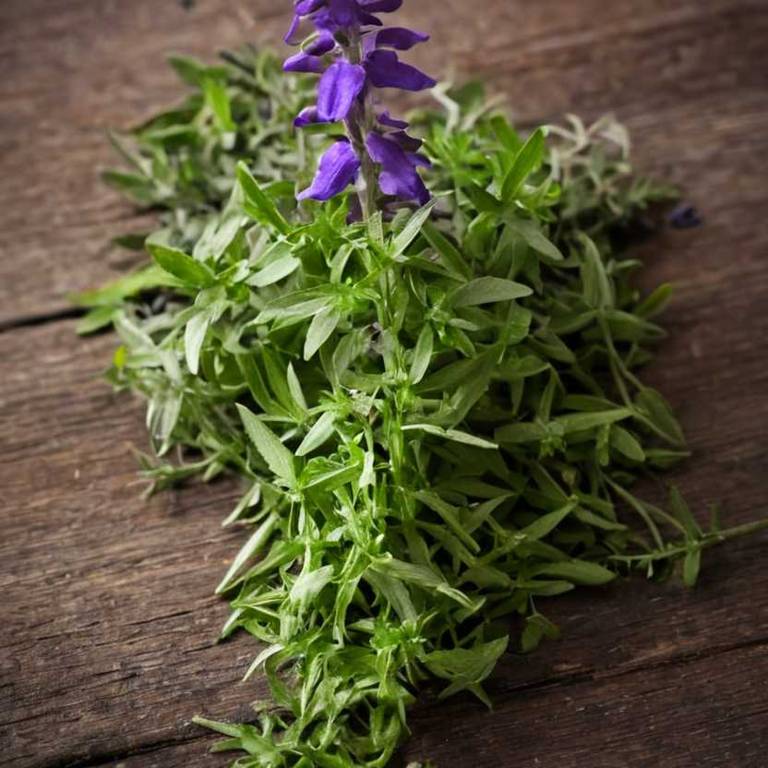
Aloin is a potent bioactive anthraquinone compound found in various medicinal herbs, primarily known for its powerful stimulant laxative effects. This compound is most notably concentrated in species such as Aloe vera, Aloe arborescens, and Aloe barbadensis.
Associated herbs: 6

Occurs naturally in

Aloe

Aloe arborescens

Aloe barbadensis

View all aloin herbs →

aristolochic acids

Aristolochic acids are potent bioactive compounds found in certain medicinal herbs that are known to be highly nephrotoxic and carcinogenic. These compounds are primarily present in species of the Aristolochia genus, including Aristolochia argentina and Aristolochia baetica.

Associated herbs: 16

Occurs naturally in

Aristolochia

Aristolochia argentina

Aristolochia baetica

View all aristolochic acids herbs →

astragaloside IV

Astragaloside IV is a potent bioactive saponin primarily known for its significant immunomodulatory, anti-inflammatory, and cardioprotective properties. This compound is most abundantly found in various species of the Astragalus genus, including Astragalus membranaceus, Astragalus brachypterus, and Astragalus flavescens.

Associated herbs: 7

Occurs naturally in

Astragalus

Astragalus brachypterus

Astragalus flavescens

View all astragaloside IV herbs →

caftaric acid

Caftaric acid is a bioactive phenolic compound known for its significant antioxidant, anti-inflammatory, and neuroprotective properties. It is commonly found in various medicinal herbs, including Bidens pilosa, Cichorium intybus, and Crepis incana.

Associated herbs: 20

Occurs naturally in

Bidens pilosa

Cichorium intybus

Crepis incana

View all caftaric acid herbs →

cyanidin

Cyanidin is a potent anthocyanin pigment responsible for the vibrant red and purple hues found in various medicinal plants. This bioactive compound can be found in diverse herbs and botanicals such as Allium sativum, Antidesma thwaiteasianum, and Apium graveolens.

Associated herbs: 30

Occurs naturally in

Allium sativum

Antidesma thwaitesianum

Apium graveolens

View all cyanidin herbs →

esculetin

Esculetin is a natural coumarin derivative found in various medicinal plants, known for its potent antioxidant, anti-inflammatory, and antimicrobial properties. This bioactive compound can be found in several herbal species, including Alchemilla speciosa, Artemisia capillaris, and Artemisia montana.

Associated herbs: 26

Occurs naturally in

Alchemilla speciosa

Artemisia capillaris

Artemisia montana

View all esculetin herbs →

ethyl gallate

Ethyl gallate is a bioactive ester derived from gallic acid that exhibits significant antioxidant, anti-inflammatory, and antimicrobial properties. This compound can be found in various medicinal plants, such as Acacia farinascens, Alchornea trewiioides, and Ampelopsis humuliifolia var. heterophylla.

Associated herbs: 32

Occurs naturally in

Acacia farnesiana

Alchornea trewioides

Ampelopsis humulifolia var. heterophylla

View all ethyl gallate herbs →

flavanone

Flavanones are a class of bioactive flavonoids characterized by a specific carbon skeleton that provides significant antioxidant, anti-inflammatory, and antimicrobial properties. These compounds are found in various medicinal plants, including Abacopteris penangiana, Bauhinia variegata, and Blumea balsamifera.

Associated herbs: 21

Occurs naturally in

Abacopteris penangiana

Bauhinia variegata

Blumea balsamifera

View all flavanone herbs →

gallocatechin

Gallocatechin is a potent polyphenolic antioxidant belonging to the flavan-3-ol group, known for its significant anti-inflammatory and neuroprotective properties. This bioactive compound can be found in various medicinal plants, such as Camellia sinensis (green tea), Crocus sativus (saffron), and Croton celtdifolius.

Associated herbs: 30

Occurs naturally in

Camellia sinensis

Crocus sativus

Croton celtidifolius

View all gallocatechin herbs →

ginsenoside Re

Ginsenoside Re is a bioactive saponin belonging to the protopanaxatriol group, known for its potential roles in regulating glucose metabolism and providing neuroprotective benefits. This specific compound is primarily found in medicinal herbs such as Panax ginseng, Panax japonicus var. major, and certain species within the Ginkgo genus.

Associated herbs: 6

Occurs naturally in

Ginkgo biloba

Panax ginseng

Panax japonicus var. major

View all ginsenoside Re herbs →

harmaline

Harmaline is a naturally occurring beta-carboline alkaloid known for its psychoactive properties and its ability to act as a reversible monoamine oxidase inhibitor (MAOI). This bioactive compound is found in various medicinal plants, including Banisteriopsis caapi, Peganum harmala, and Silene undulata.

Associated herbs: 4

Occurs naturally in

Banisteriopsis caapi

Peganum harmala

Silene undulata

View all harmaline herbs →

hederagenin

Hederagenin is a bioactive triterpenoid saponin known for its potential pharmacological properties, including anti-inflammatory and antioxidant activities. This compound can be found in various medicinal herbs, such as Acanthopanax hypoolecus, Akebia quinata, and Caryocar glabrum.

Associated herbs: 19

Occurs naturally in

Acanthopanax hypoleucus

Akebia quinata

Caryocar glabrum

View all hederagenin herbs →

hinesol

Hinesol is a bioactive sesquiterpene compound found in various medicinal herbs that is studied for its potential pharmacological properties, including anti-inflammatory and antimicrobial activities. It is primarily identified in botanical species such as Aquilaria agallocha, Atractylodes, and Atractylodes chinensis.

Associated herbs: 9

Occurs naturally in

Aquilaria agallocha

Atractylodes

Atractylodes chinensis

View all hinesol herbs →

melatonin

Melatonin is a bioactive compound that plays a crucial role in regulating the body's circadian rhythms and promoting restorative sleep cycles. This hormone can be found naturally in various medicinal plants, including Areca catechu, Camellia sinensis, and Eriobotrya japonica.

Associated herbs: 27

Occurs naturally in

Areca catechu

Camellia sinensis

Eriobotrya japonica

View all melatonin herbs →

methyl salicylate

Methyl salicylate is a natural organic compound often found in medicinal herbs, known for its soothing analgesic and anti-inflammatory properties when applied topically. It is a key bioactive constituent in various plants, such as Betula lenta (sweet birch), Abutilon pannosum, and Baccaurea ramiflora.

Associated herbs: 22

Occurs naturally in

Abutilon pannosum

Baccaurea ramiflora

Betula lenta

View all methyl salicylate herbs →

ochratoxin A

Ochratoxin A is a potent mycotoxin produced by certain fungi that can act as a nephrotoxic and carcinogenic agent when present in botanical materials. This bioactive compound can be found as a contaminant in various plants, including Angelica sinensis, Arachis hypogaea (peanut), and Areca catechu.

Associated herbs: 33

Occurs naturally in

Angelica sinensis

Arachis hypogaea

Areca catechu

View all ochratoxin A herbs →

octadecanoic acid

Octadecanoic acid, commonly known as stearic acid, is a saturated fatty acid that serves as a vital bioactive component in various medicinal plants, contributing to their anti-inflammatory and antioxidant properties. This compound can be found in several therapeutic herbs, including Achillea millefolium, Aegle marmelos, and Andrographis paniculata.

Associated herbs: 24

Occurs naturally in

Achillea millefolium

Aegle marmelos

Andrographis paniculata

View all octadecanoic acid herbs →

riboflavin

Riboflavin, also known as vitamin B2, is a vital bioactive compound that plays a crucial role in energy production and the maintenance of healthy cellular functions within the body. It can be found in various medicinal and edible plants, such as Amaranthus, Arachis hypogaea (peanut), and Areca catechu.

Associated herbs: 30

Occurs naturally in

Amaranthus

Arachis hypogaea

Areca catechu

View all riboflavin herbs →

safrole

Safrole is a naturally occurring phenylpropene that serves as a key bioactive constituent in several medicinal herbs, often contributing to their pharmacological properties. It is commonly found in species such as Abrus precatorius, Asarum heterocarpum, and Asarum sieboldii.

Associated herbs: 17

Occurs naturally in

Abrus precatorius

Asarum heterotropoides

Asarum sieboldii

View all safrole herbs →

succinic acid

Succinic acid is a naturally occurring dicarboxylic acid that plays a vital role in cellular energy production and exhibits significant antioxidant and anti-inflammatory properties. This bioactive compound can be found in various medicinal plants, including Aloe arborescens var. natalensis, Annona squamosa, and Anoectochilus roxburgii.

Associated herbs: 39

Occurs naturally in

Aloe arborescens var. natalensis

Annona squamosa

Anoectochilus roxburghii

View all succinic acid herbs →

tiliroside

Tiliroside is a bioactive flavonoid glycoside known for its significant antioxidant, anti-inflammatory, and potential anticancer properties. This compound can be found in various medicinal herbs, such as Agriemonia pilosa, Anafacalis sinica, and Chiarantodendron pentadactylon.

Associated herbs: 30

Occurs naturally in

Agrimonia pilosa

Anaphalis sinica

Chiranthodendron pentadactylon

View all tiliroside herbs →

withanolide

Withanolides are a group of naturally occurring steroidal lactones found in various medicinal plants that exhibit potent anti-inflammatory, antioxidant, and neuroprotective properties. These bioactive compounds are prominent in herbs such as Bacopa monnieri, Physalis pruinosa, and Capsicum anomalum.

Associated herbs: 5

Occurs naturally in

Bacopa monnieri

Physalis pruinosa

Tubocapsicum anomalum

View all withanolide herbs →

xanthohumol

Xanthohumol is a bioactive prenylated chalcone known for its potent antioxidant, anti-inflammatory, and anti-cancer properties. This compound can be found in various medicinal plants, including Humulus lupulus (hops), Fritillaria cirrhosa, and Lonchocarpus haberi.

Associated herbs: 4

Occurs naturally in

Fritillaria cirrhosa

Humulus lupulus

Lonchocarpus haberi

View all xanthohumol herbs →

xanthone

Xanthones are a diverse class of bioactive polyphenolic compounds known for their potent antioxidant, anti-inflammatory, and antimicrobial properties. These compounds are found in various medicinal plants, including Belamcanda chinensis, Caesalpinia sappan, and Centaurium erythraea.

Associated herbs: 18

Occurs naturally in

Belamcanda chinensis

Caesalpinia sappan

Centaurium erythraea

View all xanthone herbs →

zeaxanthin

Zeaxanthin is a potent carotenoid pigment found in various medicinal herbs that functions as a powerful antioxidant to protect cells from oxidative damage. This bioactive compound can be found in diverse plant species, including Allium fistulosum, Amorphophallus xiei, and Capsicum annuum.

Associated herbs: 21

Occurs naturally in

Allium fistulosum

Amorphophallus xiei

Capsicum annuum

View all zeaxanthin herbs →

2,4-D

It appears there may be a misunderstanding regarding the classification of 2,4-D (2,4-Dichlorophenoxyacetic acid), as it is a widely used synthetic herbicide rather than a natural bioactive compound found in medicinal herbs. While substances like those in Anethum graveolens, Angelica sinensis, and Bacopa monnieri are natural phytochemicals, 2,4-D is a man-made chemical compound used to control broadleaf weeds.

Associated herbs: 23

Occurs naturally in

Anethum graveolens

Angelica sinensis

Bacopa monnieri

View all 2,4-D herbs →

3,5-dicaffeoylquinic acid

3,5-dicaffeoylquinic acid is a potent bioactive polyphenol known for its significant antioxidant, anti-inflammatory, and neuroprotective properties. This specific compound can be found in various medicinal herbs, including Achillea millefolium, Ainsliaea fragrans, and Artemisia rupestris.

Associated herbs: 24

Occurs naturally in

Achillea millefolium

Ainsliaea fragrans

Artemisia herba-alba

View all 3,5-dicaffeoylquinic acid herbs →

D-glucose

D-glucose is a fundamental monosaccharide that serves as a primary energy source for cellular metabolism and plays a crucial role in the structural integrity of various plant components. This bioactive sugar is naturally present in a wide range of medicinal plants, including Alisma orientale, Aloe saponaria, and Aronia melanocarpa.

Associated herbs: 22

Occurs naturally in

Alisma orientale

Aloe saponaria

Aronia melanocarpa

View all D-glucose herbs →

Glycyrrhizic acid

Glycyrrhizic acid is a bioactive triterpenoid saponin known for its potent anti-inflammatory, antiviral, and anti-tumor properties. This compound is primarily found in medicinal herbs such as Glycyrrhiza glabra (licorice), Glycyrrhiza, and Ephedra sinica.

Associated herbs: 4

Occurs naturally in

Glycyrrhiza

Glycyrrhiza glabra

Glycyrrhiza inflata

View all Glycyrrhizic acid herbs →

Linalool

Linalool is a naturally occurring terpene alcohol known for its soothing aromatic properties and significant anti-inflammatory and antimicrobial activities. This bioactive compound can be found in various medicinal plants, including Abies balsamea, Acanthopanax brachypus, and Acanthopanax leucorrhizus.

Associated herbs: 26

Occurs naturally in

Actinidia macrosperma

Alchornea cordifolia

Allium sativum

View all Linalool herbs →

PA

PA (Protocatechuic acid) is a bioactive phenolic compound known for its potent antioxidant, anti-inflammatory, and neuroprotective properties. It can be found in various medicinal plants and botanical species, including Arabidopsis thaliana, Aralia cordata, and Arnebia benthamii.

Associated herbs: 33

Occurs naturally in

Arabidopsis thaliana

Aralia cordata

Arnebia benthamii

View all PA herbs →

Rh1

Rh1 is a specific type of ginsenoside, a bioactive saponin belonging to the protopanaxadiol group, known for its potential neuroprotective and anti-inflammatory properties. This compound is primarily found in medicinal herbs such as Panax ginseng, Panax quinquefolius, and is also identified in certain extracts of Ginkgo biloba.

Associated herbs: 4

Occurs naturally in

Ginkgo biloba

Panax

Panax ginseng

View all Rh1 herbs →

afzelin

Afzelin is a bioactive flavonoid glycoside known for its diverse pharmacological properties, including antioxidant, anti-inflammatory, and potential anticancer activities. This compound can be found in various medicinal plants, such as Amygdalus persica, Cassia grandis, and Copaifera langsdorffii.

Associated herbs: 21

Occurs naturally in

Amygdalus persica

Cassia grandis

Copaifera langsdorffii

View all afzelin herbs →

arctigenin

Arctigenin is a bioactive lignan known for its significant anti-inflammatory, antioxidant, and potential anti-tumor properties. This compound can be found in various medicinal herbs, including Arctium lappa (Burdock), Carthamus tinctorius (Safflower), and Cnicus benedictus (Blessed Thistle).

Associated herbs: 10

Occurs naturally in

Arctium lappa

Carthamus tinctorius

Cnicus benedictus

View all arctigenin herbs →

atractylon

Atractylon is a bioactive sesquiterpene lactone found in certain medicinal herbs that is primarily recognized for its potential anti-inflammatory and gastroprotective properties. This compound is a key constituent of plants within the Atractylodes genus, most notably in species such as Atractylodes chinensis and Atractylodes japonica.

Associated herbs: 7

Occurs naturally in

Atractylodes

Atractylodes chinensis

Atractylodes japonica

View all atractylon herbs →