Explore herbs biological activities

  • 10547 Plants
  • |
  • 22410 Compounds
  • |
  • 460 Activities
  • |
  • 132161 Studies

Explore Herbs


Alphabet


Biological Activity

View all →

Bioactive Compounds

View all →

List of herbs biological activities

Showing 97-144 out of 460 results

Cardiovascular

Herbs with cardiovascular biological activity possess compounds that help regulate blood pressure, improve circulation, or strengthen the heart muscle. Common examples of plants exhibiting these effects include Alchemilla, Alhagi, and Berberis vulgaris.

Associated herbs: 43

Occurs naturally in

Alchemilla

Alhagi

Berberis vulgaris

View all Cardiovascular herbs →

Hallucinogenic

Hallucinogenic activity refers to the ability of certain medicinal herbs to alter sensory perception, cognition, and consciousness by affecting the central nervous system. Common examples of plants exhibiting this biological activity include Anadenanthera colubrina, Brugmansia, and Cannabis sativa.

Associated herbs: 12

Occurs naturally in

Anadenanthera colubrina

Cannabis sativa

Datura stramonium

View all Hallucinogenic herbs →

Thrombolytic

Thrombolytic activity refers to the ability of a substance to dissolve blood clots by breaking down the fibrin mesh that holds them together. Medicinal herbs exhibiting this property, such as Adenia, Eugenia rotundifolia, and Allamanda nerifolia, can help restore blood flow and prevent complications related to thrombosis.

Associated herbs: 35

Occurs naturally in

Adenia

Aegialitis rotundifolia

Allamanda schottii

View all Thrombolytic herbs →

Antihepatotoxic

Antihepatotoxic activity refers to the ability of certain medicinal herbs to protect the liver from damage caused by toxins, inflammation, or chemical agents. Examples of plants exhibiting this protective biological activity include Abrus cantoniensis, Achillea millefolium, and Ampelopsis brevipedunculata.

Associated herbs: 25

Occurs naturally in

Abrus melanospermus subsp. melanospermus

Achillea millefolium

Ampelopsis glandulosa var. brevipedunculata

View all Antihepatotoxic herbs →

Choleretic

A choleretic agent is a substance that stimulates the liver to increase the production and secretion of bile into the bile ducts. This biological activity aids in the digestion of fats and promotes smoother gastrointestinal transit, as seen in herbs such as Centaurium sanguinolentum, Cichorium intybus, and Cynara scolymus.

Associated herbs: 25

Occurs naturally in

Centaurea saligna
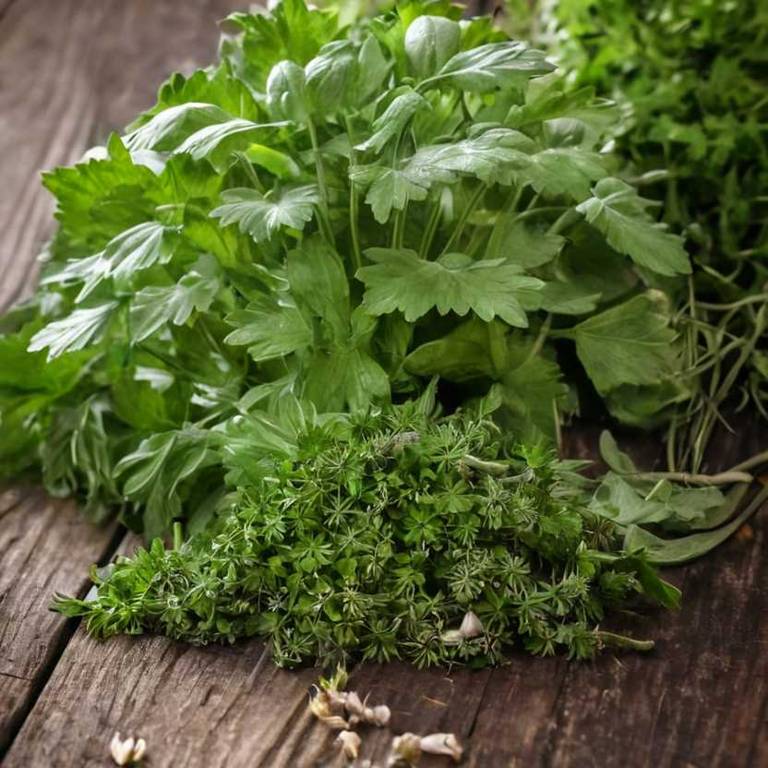
Cichorium intybus

Cynara cardunculus subsp. cardunculus
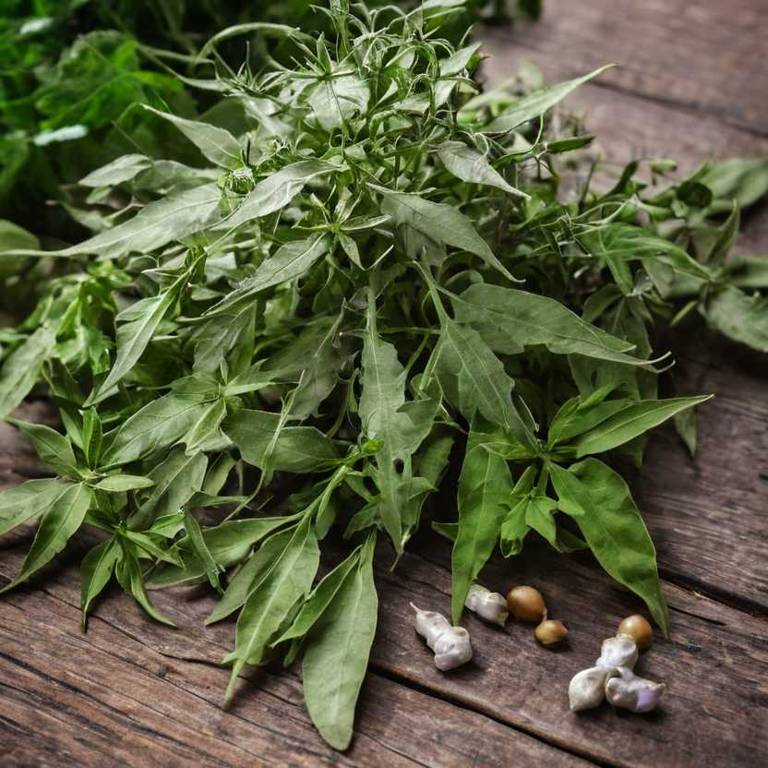
View all Choleretic herbs →

Inflammatory

Inflammatory biological activity refers to the body's natural immune response to injury or infection, which medicinal herbs can help modulate to reduce swelling, redness, and pain. Various plants exhibit these properties, including species such as Achillea fragrantissima, Achillea nobilis, and Albizia lebbeck.

Associated herbs: 26

Occurs naturally in

Achillea crithmifolia

Achillea fragrantissima

Albizia lebbeck

View all Inflammatory herbs →

Antistress

Antistress biological activity refers to the ability of certain herbs to help the body resist or adapt to various forms of physical, emotional, or environmental stressors by stabilizing physiological functions. Medicinal plants such as Acanthopanax senticosus, Abelmoschus esculentus, and Actiniopteris radiata exhibit this property by modulating the body's stress response systems to promote overall equilibrium.

Associated herbs: 15

Occurs naturally in

Abelmoschus esculentus

Actiniopteris radiata

Allium sativum

View all Antistress herbs →

Bronchodilator

A bronchodilator is a substance that works by relaxing the smooth muscles of the airways, allowing them to widen and making breathing easier for individuals with respiratory distress. Various medicinal herbs exhibit this biological activity, including species such as Acacia leucophloea, Amaranthus spinosus, and Amburania cearensis.

Associated herbs: 27

Occurs naturally in

Amaranthus spinosus

Amburana cearensis

Aspalathus linearis

View all Bronchodilator herbs →

Prebiotic

Prebiotic herbs contain non-digestible compounds, such as complex polysaccharides and fibers, that selectively stimulate the growth and activity of beneficial microorganisms in the gut. Examples of herbs exhibiting this biological activity include Acorus gramineus, Astragalus membranaceus, and Cannabis sativa.

Associated herbs: 21

Occurs naturally in

Acorus gramineus

Astragalus mongholicus

Cannabis sativa

View all Prebiotic herbs →

Cytostatic

Cytostatic activity refers to the ability of a substance to inhibit cell growth and proliferation without necessarily killing the cells outright. Herbs such as Allamanda schottii, Andrographis paniculata, and Calotropis gigantea exhibit this property, making them subjects of interest in cancer research for their potential to arrest the cell cycle.

Associated herbs: 26

Occurs naturally in

Allamanda schottii

Andrographis paniculata

Calotropis gigantea

View all Cytostatic herbs →

Phytotoxic

Phytotoxicity refers to the capacity of certain plants or their chemical constituents to exert toxic effects on living organisms, including plants, animals, and humans. Examples of herbs exhibiting this biological activity include Araucaria heterophylla, Arisaema tortuosum, and Calotropis procera, which contain bioactive compounds that can cause cellular damage or physiological harm.

Associated herbs: 35

Occurs naturally in

Araucaria heterophylla

Arisaema tortuosum

Calotropis procera

View all Phytotoxic herbs →

Vasodilator

A vasodilator is a substance that causes the smooth muscles of blood vessels to relax, leading to an increase in vessel diameter and improved blood flow. Many medicinal herbs, such as Allanblackia floribunda, Andropogon muricatus, and Bacopa monnieri, exhibit this biological activity to help lower blood pressure and enhance systemic circulation.

Associated herbs: 28

Occurs naturally in

Bacopa monnieri

Calea sessiliflora

Chrysopogon zizanioides

View all Vasodilator herbs →

Antihistaminic

Antihistamines are substances that block the action of histamine, a chemical released by the immune system that triggers allergic symptoms like itching, swelling, and sneezing. Certain medicinal herbs, such as Albizia lebbeck, Allium cepa, and Ammi visnaga, possess this biological activity and can help mitigate allergic reactions.

Associated herbs: 24

Occurs naturally in

Albizia lebbeck

Allium cepa

Berberis vulgaris

View all Antihistaminic herbs →

Antirheumatic

Antirheumatic activity refers to the ability of certain medicinal herbs to reduce inflammation, alleviate joint pain, and improve mobility in patients suffering from rheumatic diseases. Examples of plants exhibiting this biological activity include Acanthopanax senticosus, Aegopodium podagraria, and Anabasis.

Associated herbs: 27

Occurs naturally in

Aegopodium podagraria

Anabasis

Botryodiscia tetrandra

View all Antirheumatic herbs →

Antileukemic

Anti-leukemic activity refers to the ability of certain medicinal substances to inhibit the growth, proliferation, or survival of white blood cells associated with leukemia. Various plants, such as Ajuga, Alpinia galanga, and Ananas comosus, contain bioactive compounds that demonstrate this potential to combat cancerous blood cells.

Associated herbs: 21

Occurs naturally in

Ajuga

Alpinia galanga

Ananas comosus

View all Antileukemic herbs →

Carcinogenic

A carcinogenic biological activity refers to the ability of a substance to promote or induce the formation of cancer by causing genetic mutations or uncontrolled cell growth. Certain medicinal plants, such as Ageratum conyzoides, Areca catechu, and Aristolochia species, contain toxic compounds that can trigger such malignant transformations.

Associated herbs: 18

Occurs naturally in

Amblynotus rupestris

Areca catechu

Aristolochia

View all Carcinogenic herbs →

Insect-Repellent

Insect-repellent biological activity refers to the ability of certain medicinal herbs to emit volatile compounds that deter, confuse, or drive away harmful insects. Examples of plants exhibiting this defensive property include Adenosoma buchneroides, Artemisia absinthium, and Artemisia mendozana.

Associated herbs: 24

Occurs naturally in

Adenosma indiana

Artemisia absinthium

Artemisia mendozana

View all Insect-Repellent herbs →

Nephrotoxic

Nephrotoxicity refers to a biological activity where certain substances cause direct structural or functional damage to the kidneys, potentially leading to renal failure. Examples of herbs known to exhibit this toxic effect include Allium schoenoprasum, Amaranthus retroflexus, and Aristolochia.

Associated herbs: 22

Occurs naturally in

Allium schoenoprasum

Amaranthus retroflexus

Aristolochia

View all Nephrotoxic herbs →

Antiemetic

An antiemetic biological activity refers to the ability of a substance to prevent or relieve nausea and vomiting. Several medicinal herbs exhibit this property, including species such as Artemisia nilagirica, Artemisia parviflora, and Ballota.

Associated herbs: 14

Occurs naturally in

Artemisia nilagirica

Artemisia parviflora

Ballota

View all Antiemetic herbs →

Antifatigue

Antifatigue activity refers to the ability of certain medicinal herbs to reduce physical and mental exhaustion by enhancing metabolic efficiency and restoring cellular energy levels. Common examples of herbs exhibiting this biological activity include Acanthopanax senticosus, Acorus tatarinowii, and Angelica sinensis.

Associated herbs: 21

Occurs naturally in

Acorus verus

Angelica sinensis

Astragalus

View all Antifatigue herbs →

Antiphlogistic

Anti-inflammatory activity refers to the ability of a substance to reduce swelling, pain, and redness by inhibiting the chemical processes that trigger an immune response. Many medicinal herbs possess this property, such as various species of the Achillea genus, including Achillea collina, Achillea pratensis, and Achillea wilhelmsii.

Associated herbs: 22

Occurs naturally in

Achillea collina

Achillea pratensis

Achillea wilhelmsii

View all Antiphlogistic herbs →

Contraceptive

Certain medicinal herbs possess contraceptive activity by modulating hormonal levels or interfering with reproductive processes to prevent pregnancy. Examples of plants exhibiting this biological activity include Allium sativum, Andrographis paniculata, and Anthoclesta.

Associated herbs: 18

Occurs naturally in

Allium sativum

Andrographis paniculata

Anthocleista

View all Contraceptive herbs →

Hemolytic

Hemolytic activity refers to the ability of a substance to cause the destruction of red blood cells, leading to the rupture of their membranes and the release of hemoglobin into the surrounding plasma. Certain medicinal herbs, such as Aristolochia esperanzae, Aristolochia gibertii, and Asteriscus graveolenes, exhibit this biological activity due to specific bioactive compounds within their tissues.

Associated herbs: 24

Occurs naturally in

Anonychium africanum

Aristolochia esperanzae

Aristolochia gibertii

View all Hemolytic herbs →

Antiarrhythmic

Antiarrhythmic activity refers to the ability of a substance to restore a normal heart rhythm by regulating the electrical impulses of the cardiac muscle. Certain medicinal herbs, such as Aconitum, Aconitum heterophyllum, and Aralia elata var. mandshurica, possess bioactive compounds that can help stabilize these rhythms and manage irregular heartbeats.

Associated herbs: 19

Occurs naturally in

Aconitum

Aconitum heterophyllum

Aralia elata var. glabrescens

View all Antiarrhythmic herbs →

Anticholinergic

Anticholinergic activity refers to the ability of a substance to inhibit the action of acetylcholine, a primary neurotransmitter, by blocking its binding to acetylcholine receptors in the nervous system. This mechanism can lead to physiological effects such as reduced secretions, decreased gastrointestinal motility, and increased heart rate, as seen in herbs like Atropa belladonna or certain compounds found in Berberis vulgaris.

Associated herbs: 23

Occurs naturally in

Allium sativum

Atropa komarovii

Berberis vulgaris

View all Anticholinergic herbs →

Osteogenic

Osteogenic activity refers to the ability of certain substances to stimulate the formation, growth, and differentiation of new bone tissue. Herbs such as Aloe vera, Angelica pubescens, and Astragalus membranaceus exhibit this biological activity by promoting bone mineralization and enhancing the regenerative processes of osteoblasts.

Associated herbs: 18

Occurs naturally in

Aloe succotrina

Angelica pubescens

Astragalus mongholicus

View all Osteogenic herbs →

Antianxiety

Antianxiety biological activity refers to the ability of certain plant compounds to reduce psychological distress and calm the central nervous system. Various medicinal herbs, such as Achillea umbellata, Acorus tatarinoowii, and Albizia, exhibit these properties by helping to modulate stress responses in the body.

Associated herbs: 19

Occurs naturally in

Achillea umbellata

Acorus verus

Afrohybanthus enneaspermus

View all Antianxiety herbs →

Antimitotic

Antimitotic activity refers to the ability of a substance to inhibit cell division by interfering with the formation or function of the mitotic spindle during mitosis. Herbs such as Agave intermixta, Calycopteryx floribunda, and Celosia argentea exhibit this biological activity, making them potential candidates for cancer research due to their ability to stop the proliferation of abnormal cells.

Associated herbs: 17

Occurs naturally in

Agave intermixta

Celosia argentea

Colchicum autumnale

View all Antimitotic herbs →

Antimycotic

Antimycotic activity refers to the ability of a substance to inhibit the growth of or destroy pathogenic fungi. Various medicinal herbs exhibit this property, such as Allium sativum (garlic), Azadirachta indica (neem), and Catharanthus roseus ( Madagascar periwinkle).

Associated herbs: 19

Occurs naturally in

Allium sativum

Azadirachta indica

Catharanthus roseus

View all Antimycotic herbs →

Febrifuge

A febrifuge is a medicinal substance or herb used specifically to reduce fever by lowering the body's elevated temperature. Examples of plants possessing this biological activity include Aegle marmelos, Ageratum conyzoides, and Alnus glutinosa.

Associated herbs: 22

Occurs naturally in

Aegle marmelos

Alnus glutinosa

Camphora parthenoxylon

View all Febrifuge herbs →

Stomachic

A stomachic is a substance that stimulates the appetite and promotes healthy digestive functions by increasing the secretion of gastric juices. Herbs possessing this biological activity, such as Aegle marmelos, Anethum graveolens, and Dendrobium devonianum, are used to improve digestion and alleviate discomfort.

Associated herbs: 16

Occurs naturally in

Aegle marmelos

Anethum graveolens

Dendrobium devonianum

View all Stomachic herbs →

Allelopathic

Allelopathy is a biological phenomenon where a plant releases specific chemical compounds, known as allelochemicals, into the environment to influence the growth, survival, or reproduction of neighboring organisms. This mechanism often serves as a form of chemical warfare to reduce competition for resources, a trait observed in medicinal herbs such as Anadenanthera colubrina, Calotropis procera, and Chenopodium album.

Associated herbs: 21

Occurs naturally in

Anadenanthera colubrina

Calotropis procera

Chenopodiastrum murale

View all Allelopathic herbs →

Antipruritic

Antipruritic activity refers to the ability of a substance to relieve or prevent itching by reducing inflammation and calming sensory nerve responses in the skin. Herbs such as Angelica sinensis, Cannabis, and Chenopodium album exhibit these properties, making them useful in treating various dermatological irritations.

Associated herbs: 12

Occurs naturally in

Angelica sinensis

Bassia scoparia

Cannabis

View all Antipruritic herbs →

Antisecretory

Antisecretory activity refers to the ability of a substance to inhibit or reduce the excessive secretion of fluids, such as gastric acid or intestinal juices, within the body. Medicinal herbs like Azadirachta indica, Bauhinia purpurea, and Calophyllum brasiliense exhibit this property, making them effective in managing gastrointestinal disorders.

Associated herbs: 17

Occurs naturally in

Annickia chlorantha

Azadirachta indica

Bauhinia purpurea

View all Antisecretory herbs →

Emetic

An emetic is a substance that induces vomiting, typically used in traditional medicine to expel toxins or irritants from the digestive tract. Examples of herbs that possess this biological activity include Aerva persica, Alnus glutinosa, and Brunfelsia uniflora.

Associated herbs: 16

Occurs naturally in

Aerva javanica

Alnus glutinosa

Brunfelsia uniflora

View all Emetic herbs →

Fibrinolytic

Fibrinolytic activity refers to the biological ability of a substance to break down fibrin, the protein involved in blood clot formation, thereby promoting the dissolution of clots. Herbs such as Allium cepa, Allium elburzense, and Allium sativum exhibit this activity, helping to improve blood flow and prevent thrombosis.

Associated herbs: 15

Occurs naturally in

Allium cepa

Allium elburzense

Allium sativum

View all Fibrinolytic herbs →

Memory-Enhancer

Memory-enhancing herbs work by improving synaptic plasticity and protecting neurons from oxidative stress to optimize cognitive functions. Common examples of plants with this biological activity include Bacopa monnieri, Centella asiatica, and Clerodendrum paniculatum.

Associated herbs: 8

Occurs naturally in

Bacopa monnieri

Celastrus paniculatus

Centella asiatica

View all Memory-Enhancer herbs →

Antiatherogenic

Antiatherogenic activity refers to the ability of a substance to prevent or reduce the formation of fatty deposits, such as cholesterol plaques, within the arterial walls. Herbs such as Allium sativum (garlic), Andrographis paniculata, and Artemisia scoparia exhibit this property by helping to maintain healthy lipid profiles and protecting blood vessels from damage.

Associated herbs: 12

Occurs naturally in

Allium sativum

Andrographis paniculata

Artemisia scoparia

View all Antiatherogenic herbs →

Antitubercular

Antitubercular activity refers to the ability of certain medicinal herbs to inhibit the growth of or eliminate Mycobacterium tuberculosis, the bacterium responsible for tuberculosis. Examples of plants exhibiting this biological activity include Arctium lappa, Artemisia nilagirica, and Artemisia parviflora.

Associated herbs: 24

Occurs naturally in

Arctium lappa

Artemisia nilagirica

Artemisia parviflora

View all Antitubercular herbs →

Disinfectant

Disinfectant biological activity refers to the ability of medicinal herbs to eliminate or inhibit the growth of pathogenic microorganisms such as bacteria, fungi, and viruses. Herbs like Embelia schimperi, Maesa lanceolata, and Moringa peregrina exhibit this property, making them effective in sanitizing wounds or treating infections.

Associated herbs: 12

Occurs naturally in

Arctostaphylos uva-ursi

Coleus hadiensis

Decaspermum blancoi

View all Disinfectant herbs →

Emmenagogue

An emmenagogue is a substance that stimulates or increases menstrual flow and can help regulate the menstrual cycle. Herbs such as Achillea millefolium (Yarrow) and Alchemilla velebitica are often recognized for possessing this biological activity.

Associated herbs: 20

Occurs naturally in

Achillea

Achillea millefolium

Alchemilla plicatula

View all Emmenagogue herbs →

Galactagogue

Galactagogues are substances or herbs that stimulate or increase the production of breast milk in lactating women. Common examples of herbs known for this biological activity include Arundo donax, Asparagus racemosus, and Carica papaya.

Associated herbs: 17

Occurs naturally in

Asparagus racemosus

Carica papaya

Carum carvi

View all Galactagogue herbs →

Vermifuge

Vermifuge refers to the biological activity of substances that expel parasitic worms from the digestive tract of a host. Common medicinal herbs that exhibit this property include Artemisia absinthium, Ballota, and Brunfelsia uniflora.

Associated herbs: 15

Occurs naturally in

Artemisia absinthium

Ballota

Brunfelsia uniflora

View all Vermifuge herbs →

Alpha-Amylase-Inhibitor

Alpha-amylase inhibitors are bioactive compounds in medicinal herbs that slow down the digestion of carbohydrates by blocking the enzyme responsible for breaking starch into glucose. This activity helps manage blood sugar levels after meals, a property found in plants such as Phaseolus vulgaris, Tambourissa peltata, and Vigna unguiculata.

Associated herbs: 3

Occurs naturally in

Phaseolus vulgaris

Tambourissa peltata

Vigna unguiculata

View all Alpha-Amylase-Inhibitor herbs →

Angiogenic

Angiogenic activity refers to the biological process by which medicinal herbs stimulate the formation of new blood vessels from pre-existing ones to improve circulation and tissue repair. For example, herbs such as Angelica dahurica, Ginkgo biloba, and Lavandula angustifolia exhibit these properties, which can aid in wound healing and nutrient delivery to damaged areas.

Associated herbs: 9

Occurs naturally in

Angelica dahurica

Ginkgo biloba

Lavandula angustifolia

View all Angiogenic herbs →

Antidermatophytic

Anti-dermatomycosis refers to the biological activity of medicinal herbs that inhibits the growth or destroys dermatophytes, which are the fungi responsible for skin infections like ringworm and athlete's foot. Examples of plants exhibiting this antifungal property include Allium cepa, Aristolochia paucinervis, and Calpornia aurea subsp. aurea.

Associated herbs: 11

Occurs naturally in

Allium cepa

Aloysia trifida

Aristolochia paucinervis

View all Antidermatophytic herbs →

Antiestrogenic

Antiestrogenic activity refers to the ability of certain compounds to inhibit or block the effects of estrogen in the body, often by competing for estrogen receptors or regulating hormone levels. Herbs such as Ajuga, Bonellia macrocarpa, and Butea superba exhibit this biological activity, making them subjects of interest for managing hormone-sensitive conditions.

Associated herbs: 12

Occurs naturally in

Ajuga

Bonellia macrocarpa

Butea superba

View all Antiestrogenic herbs →

Demulcent

A demulcent is a substance that forms a soothing, protective film over mucous membranes to relieve irritation caused by inflammation or dryness. Herbs such as Abutilon indicum, Acacia leucophloea, and Aegle marmelos exhibit this activity, making them effective in treating conditions like sore throats and gastric ulcers.

Associated herbs: 10

Occurs naturally in

Abutilon indicum

Aegle marmelos

Aerva javanica

View all Demulcent herbs →