Explore herbs bioactive compounds

  • 10547 Plants
  • |
  • 22410 Compounds
  • |
  • 460 Activities
  • |
  • 132161 Studies

Explore Herbs


Alphabet


Biological Activity

View all →

Bioactive Compounds

View all →

List of herbs bioactive compounds

Showing 625-460 out of 460 results

trigonelline

Trigonelline is a bioactive alkaloid known for its diverse pharmacological properties, including potential neuroprotective, anti-diabetic, and anti-inflammatory effects. This compound can be found in various medicinal plants, such as Aerva persica, Amaranthus cruentus, and Amaranthus hybridus.

Associated herbs: 25

Occurs naturally in

Aerva persica

Amaranthus cruentus

Amaranthus hybridus

View all trigonelline herbs →

APX

APX (likely referring to a specific bioactive profile or a shorthand for certain terpenoids/flavonoids found in these species) represents a group of bioactive compounds known for their potent antioxidant and anti-inflammatory properties. These compounds are characteristic of medicinal herbs such as Achillea millefolium, Andrographis paniculata, and Artemisia aucheri.

Associated herbs: 24

Occurs naturally in

Achillea millefolium

Andrographis paniculata

Artemisia aucheri

View all APX herbs →

D-galactose

D-galactose is a simple monosaccharide sugar that serves as a vital component in various glycosides and glycoconjugates found within medicinal plants. This bioactive compound can be found in several botanical sources, including Acacia catechu, Afzelia africana, and Allium sativum.

Associated herbs: 27

Occurs naturally in

Acacia catechu

Afzelia africana

Allium sativum

View all D-galactose herbs →

EGCG

Epigallocatechin gallate (EGCG) is a potent polyphenol and a major bioactive catechin known for its powerful antioxidant, anti-inflammatory, and metabolic-boosting properties. This compound is most abundantly found in plants such as Camellia sinensis, Camellia sinensis var. assamica, and Parkia roxburgii.

Associated herbs: 4

Occurs naturally in

Camellia sinensis

Camellia sinensis var. assamica

Parkia roxburghii

View all EGCG herbs →

Polyphenols

Polyphenols are a diverse group of bioactive compounds found in plants that function as potent antioxidants to protect cells from oxidative damage. Many medicinal herbs are rich in these compounds, including species such as Abelmoschus esculentus, Abrus precatorius, and Acacia albida.

Associated herbs: 31

Occurs naturally in

Allium sativum

Andrachne aspera

Artemisia sieversiana

View all Polyphenols herbs →

TFC

Total Flavonoid Content (TFC) represents the sum of all flavonoid compounds present in a plant, which serve as potent antioxidants and anti-inflammatory agents. These bioactive compounds are found in various medicinal herbs, including Alcea kurdicica, Aloe vera, and Amaranthus spinosus.

Associated herbs: 30

Occurs naturally in

Alcea kurdica

Aloe vera

Amaranthus spinosus

View all TFC herbs →

Taxol

Taxol is a potent bioactive compound primarily known for its ability to inhibit cell division, making it a critical agent in chemotherapy for treating various cancers. While it is most famously derived from the Pacific yew tree, related taxane derivatives can be found in medicinal plants such as Calotropis gigantea, Cardiospermum halicacabum, and Corylus.

Associated herbs: 8

Occurs naturally in

Taxus

Taxus brevifolia

Taxus canadensis

View all Taxol herbs →

aristolochic acid I

Aristolochic acid I is a potent nephrotoxic and carcinogenic bioactive compound found in several medicinal herbs. It is primarily associated with species such as Aristolochia, Aristolochia fangchi, and Aristolochia indica.

Associated herbs: 12

Occurs naturally in

Aristolochia

Aristolochia fangchi

Aristolochia indica

View all aristolochic acid I herbs →

astilbin

Astilbin is a bioactive flavonoid known for its significant antioxidant, anti-inflammatory, and neuroprotective properties. This compound can be found in various medicinal herbs, including Ampelopsis grosseventata, Astilbe thunbergii, and Bafodeya benna.

Associated herbs: 16

Occurs naturally in

Ampelopsis grossedentata

Astilbe thunbergii

Bafodeya benna

View all astilbin herbs →

azadirachtin

Azadirachtin is a potent limonoid compound primarily known for its powerful insecticidal and anti-inflammatory properties. It is the principal bioactive constituent found in the Neem tree (Azadirachta indica), where it serves as a natural defense mechanism against pests.

Associated herbs: 1

Occurs naturally in

Azadirachta indica

View all azadirachtin herbs →

bacoside A

Bacoside A is a key bioactive saponin found in certain medicinal herbs that is primarily recognized for its neuroprotective and cognitive-enhancing properties. It is most notably found in Bacopa monnieri, where it works to repair damaged neurons and improve memory and learning functions.

Associated herbs: 1

Occurs naturally in

Bacopa monnieri

View all bacoside A herbs →

beta-amyrin

Beta-amyrin is a natural pentacyclic triterpenoid known for its significant anti-inflammatory, antioxidant, and potential anticancer properties. This bioactive compound can be found in various medicinal plants, including Acer truncatum, Anadenanthera colubrina, and Ardisia elliptica.

Associated herbs: 21

Occurs naturally in

Acer truncatum

Anadenanthera colubrina

Ardisia elliptica

View all beta-amyrin herbs →

bisdemethoxycurcumin

Bisdemethoxycurcumin is a natural bioactive curcuminoid known for its potent antioxidant, anti-inflammatory, and neuroprotective properties. This compound is primarily found in various species of the Curcuma genus, including Curcuma longa and Curcuma domestica.

Associated herbs: 8

Occurs naturally in

Curcuma

Curcuma domestica

Curcuma longa

View all bisdemethoxycurcumin herbs →

catechol

Catechol is a bioactive phenolic compound characterized by a benzene ring with two adjacent hydroxyl groups, which contributes to its potent antioxidant and metal-chelating properties. This compound can be found in various medicinal herbs, including Artemisia princeps, Blumea laciniaata, and Brassica oleracea.

Associated herbs: 20

Occurs naturally in

Artemisia princeps

Blumea laciniata

Brassica oleracea

View all catechol herbs →

copper (Cu)

Copper (Cu) is an essential trace mineral that acts as a vital cofactor for various enzymes, playing a crucial role in antioxidant defense, iron metabolism, and cellular energy production. It can be found naturally occurring in medicinal herbs such as Ajuga bracteosa, Aloe vera, and Apium graveolens.

Associated herbs: 36

Occurs naturally in

Ajuga bracteosa

Aloe vera

Apium graveolens

View all copper (Cu) herbs →

dihydroquercetin

Dihydroquercetin, also known as taxifolin, is a potent flavonoid bioactive compound recognized for its strong antioxidant, anti-inflammatory, and cardioprotective properties. It can be found naturally in various medicinal herbs and plants, including Agriophyllum squarrosum, Allium cepa, and Ampelopsis grossedentata.

Associated herbs: 21

Occurs naturally in

Agriophyllum squarrosum

Allium cepa

Ampelopsis grossedentata

View all dihydroquercetin herbs →

ferruginol

Ferruginol is a bioactive diterpene quinone known for its potent antioxidant, anti-inflammatory, and antimicrobial properties. This compound can be found in various medicinal plants, such as Callitris endlicheri, Callitris glaucophylla, and Clerodendrum glabrum.

Associated herbs: 14

Occurs naturally in

Callitris endlicheri

Callitris glaucophylla

Clerodendrum glabrum

View all ferruginol herbs →

fumaric acid

Fumaric acid is a naturally occurring dicarboxylic acid that plays a vital role in the citric acid cycle, contributing to various metabolic processes and antioxidant activities within the body. This bioactive compound can be found in several medicinal herbs, including Artabotrys hexapetalus, Astragalus membranaceus, and Blumea balsamifera.

Associated herbs: 23

Occurs naturally in

Artabotrys hexapetalus

Astragalus membranaceus

Blumea balsamifera

View all fumaric acid herbs →

geniposidic acid

Geniposidic acid is a bioactive iridoid glycoside known for its significant anti-inflammatory, neuroprotective, and gastroprotective properties. This compound can be found in various medicinal herbs, such as Diodia teres, Dipsacus asperoides, and Eremophila longifolia.

Associated herbs: 9

Occurs naturally in

Diodia teres

Dipsacus asperoides

Eremophila longifolia

View all geniposidic acid herbs →

geraniin

Geraniin is a bioactive hydrolyzable tannin known for its potent antioxidant, anti-inflammatory, and antimicrobial properties. This compound can be found in various medicinal herbs, such as Acalypha hispida, Acalypha wilkesiana, and Acer nikoense.

Associated herbs: 16

Occurs naturally in

Acalypha hispida

Acalypha wilkesiana

Acer nikoense

View all geraniin herbs →

ginsenoside Ro

Ginsenoside Ro is a specific type of triterpenoid saponin known for its diverse pharmacological activities, including anti-inflammatory, antioxidant, and potential anti-tumor properties. This bioactive compound can be found in various medicinal plants, such as Panax ginseng, Achyranthes aspera, and Nicotiana tabacum.

Associated herbs: 6

Occurs naturally in

Achyranthes aspera

Nicotiana tabacum

Panax ginseng

View all ginsenoside Ro herbs →

glycoside

A glycoside is a bioactive compound consisting of a sugar molecule bound to a non-sugar functional group, which often enhances the compound's solubility and biological activity within the body. Many medicinal plants utilize these compounds for defense or therapeutic purposes, as seen in herbs like Aegle marmelos, Andrographis paniculata, and Calotropis procera.

Associated herbs: 19

Occurs naturally in

Aegle marmelos

Andrographis paniculata

Calotropis procera

View all glycoside herbs →

hydroxychavicol

Hydroxychaevicol is a bioactive phenolic compound known for its significant antioxidant and antimicrobial properties. It is primarily found in various species of the Piper genus, such as Piper betle and Piper puberulum.

Associated herbs: 2

Occurs naturally in

Piper betle

Piper puberulum

View all hydroxychavicol herbs →

hypaconitine

Hypaconitine is a potent diterpene alkaloid found in certain medicinal plants that acts as a powerful neurotoxin by modulating sodium channels in the nervous system. This bioactive compound is primarily concentrated in species of the genus Aconitum, such as Aconitum carmichaelii and Aconitum coreanum.

Associated herbs: 12

Occurs naturally in

Aconitum

Aconitum carmichaelii

Aconitum coreanum

View all hypaconitine herbs →

indirubin

Indirubin is a bioactive red pigment belonging to the indigo dye family, known for its potent anti-inflammatory, anti-tumor, and anti-proliferative properties. It is naturally found in various medicinal herbs, including Angelica sinensis, Baphicacanthus cusia, and Barleria prionitis.

Associated herbs: 12

Occurs naturally in

Angelica sinensis

Baphicacanthus cusia

Barleria prionitis

View all indirubin herbs →

isothiocyanates

Isothiocyanates are potent bioactive compounds found in cruciferous plants that are known for their strong pungent aroma and significant anticancer and anti-inflammatory properties. These compounds are prominently produced when cells from herbs such as Armoracia rusticana (horseradish), Brassica, and Brassica nigra (black mustard) are damaged.

Associated herbs: 14

Occurs naturally in

Armoracia rusticana

Brassica

Brassica nigra

View all isothiocyanates herbs →

lauric acid

Lauric acid is a medium-chain saturated fatty acid known for its potent antimicrobial, antifungal, and anti-inflammatory properties. This bioactive compound can be found in various medicinal herbs, including Arbutus andraena, Artemisia annua, and Cinnamomum camphora.

Associated herbs: 16

Occurs naturally in

Arbutus andrachne

Artemisia annua

Cinnamomum camphora

View all lauric acid herbs →

licochalcone A

Licochalcone A is a bioactive chalcone derivative known for its potent antioxidant, anti-inflammatory, and antimicrobial properties. This compound is primarily found in various species of licorice, including Glycyrrhiza glabra, Glycyrrhiza inflata, and Glycyrrhiza euricarpas.

Associated herbs: 5

Occurs naturally in

Glycyrrhiza eurycarpa

Glycyrrhiza glabra

Glycyrrhiza inflata

View all licochalcone A herbs →

linoleic

Linoleic acid is an essential polyunsaturated fatty acid that plays a crucial role in maintaining skin barrier function and supporting overall cellular health. This bioactive compound can be found in various medicinal plants, such as Amygdalus communis var. amara, Amygdalus communis var. dulcis, and Apium graveolens.

Associated herbs: 27

Occurs naturally in

Amygdalus communis var. amara

Amygdalus communis var. dulcis

Apium graveolens

View all linoleic herbs →

nimbolide

Nimbolide is a bioactive tetranortriterpenoid known for its potent anti-inflammatory, anti-cancer, and anti-malarial properties. This compound is primarily found in medicinal plants such as Azadirachta indica (Neem), Azadirachta excelsa, and Clausena anisata.

Associated herbs: 3

Occurs naturally in

Azadirachta excelsa

Azadirachta indica

Clausena anisata

View all nimbolide herbs →

nitrate

Nitrate is a bioactive inorganic compound found in various medicinal herbs that can be converted into nitric oxide within the body to promote vasodilation and improve blood circulation. Examples of plants containing this compound include Apocynum venetum, Brassica rapa subsp. chinensis, and Capsicum annuum.

Associated herbs: 16

Occurs naturally in

Apocynum venetum

Brassica rapa subsp. chinensis

Capsicum annuum

View all nitrate herbs →

oridonin

Oridonin is a bioactive diterpenoid derived from medicinal herbs that possesses significant anti-inflammatory, anti-tumor, and antiviral properties. It is primarily found in plants of the Isodon genus, such as Isodon japonicus and Isodon rubescens.

Associated herbs: 5

Occurs naturally in

Isodon

Isodon japonicus

Isodon rubescens

View all oridonin herbs →

oxymatrine

Oxymatrine is a bioactive quinolizidine alkaloid known for its significant pharmacological properties, including anti-inflammatory, anti-tumor, and anti-viral activities. This compound can be found in various medicinal herbs, such as Euchresta tubulosa, Rehmannia glutinosa, and Scutellaria baicalensis.

Associated herbs: 8

Occurs naturally in

Euchresta tubulosa

Rehmannia glutinosa

Scutellaria baicalensis

View all oxymatrine herbs →

piperitone

Piperitone is a monoterpene ketone found in various medicinal herbs, known for its distinct aromatic properties and potential biological activities. This bioactive compound is a key constituent in plants such as Achillea fragrantissima, Anemopsis californica, and Artemisia judaica.

Associated herbs: 17

Occurs naturally in

Achillea fragrantissima

Anemopsis californica

Artemisia herba-alba

View all piperitone herbs →

polydatin

Polydatin is a potent bioactive polyphenol, specifically a stilbene glucoside, known for its significant antioxidant, anti-inflammatory, and neuroprotective properties. It is a primary constituent found in various medicinal herbs, most notably in species such as Polygonum multiflorum, Polygonum cuspitatum, and Polygonum aviculare.

Associated herbs: 8

Occurs naturally in

Polygonum aviculare

Polygonum cuspidatum

Polygonum multiflorum

View all polydatin herbs →

polyphenolic

Polyphenols are a diverse group of bioactive compounds found in plants that function as potent antioxidants to protect cells from oxidative stress and inflammation. These compounds are abundant in various medicinal herbs, including Allium cepa (onion), Areca catechu (betel nut), and Chrysanthemum pungens.

Associated herbs: 21

Occurs naturally in

Allium cepa

Areca catechu

Cachrys pungens

View all polyphenolic herbs →

salicin

Salicin is a naturally occurring phenolic glycoside found in various medicinal plants that serves as a precursor to salicylic acid, offering potent analgesic and anti-inflammatory effects. This bioactive compound can be sourced from several botanical species, including Coronilla varia, Moringa oleifera, and Phaseolus lunatus.

Associated herbs: 13

Occurs naturally in

Coronilla varia

Moringa oleifera

Phaseolus lunatus

View all salicin herbs →

scoparone

Scoparon is a bioactive coumarin derivative found in various medicinal plants that exhibits significant pharmacological properties, including anti-inflammatory and antioxidant activities. This compound is notably present in several species of the Artemisia genus, such as Artemisia capillaris, Artemisia scoparia, and Artemisia vestita.

Associated herbs: 17

Occurs naturally in

Artemisia capillaris

Artemisia scoparia

Artemisia vestita

View all scoparone herbs →

tea tree oil

Tea tree oil is a potent bioactive compound known for its strong antimicrobial, anti-inflammatory, and antiseptic properties. It is most commonly extracted from the leaves of the medicinal herb Melaleuca alternifolia.

Associated herbs: 1

Occurs naturally in

Melaleuca alternifolia

View all tea tree oil herbs →

trans-anethole

Trans-anetthole is a naturally occurring phenylpropene compound known for its distinct anise-like aroma and potent pharmacological properties, including antioxidant, antimicrobial, and anti-inflammatory activities. This bioactive constituent is found in various medicinal plants, such as Alhagi maurorum, Chamerion angustifolium, and Foeniculum vulgare.

Associated herbs: 9

Occurs naturally in

Alhagi maurorum

Chamerion angustifolium

Foeniculum vulgare

View all trans-anethole herbs →

trans-caryophyllene

Trans-caryophyllene is a potent sesquiterpene known for its significant anti-inflammatory, analgesic, and antimicrobial properties due to its ability to interact with cannabinoid receptors in the body. This bioactive compound can be found in various medicinal plants, including Acacia nilotica, Artemisia absinthium, and Astragalus persicus.

Associated herbs: 29

Occurs naturally in

Acacia nilotica

Artemisia absinthium

Astrodaucus persicus

View all trans-caryophyllene herbs →

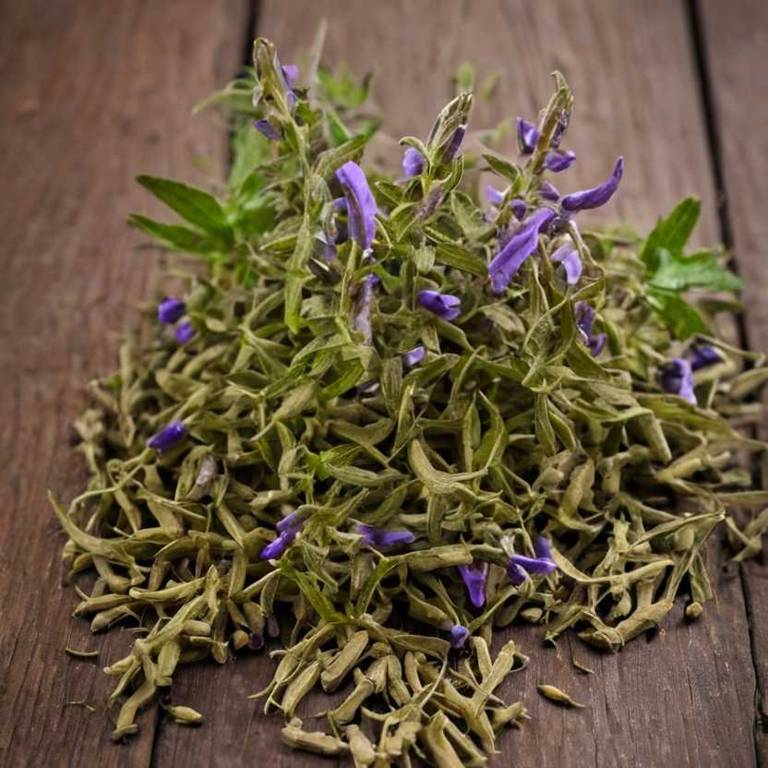
triglycerides

Triglycerides are bioactive lipid compounds composed of a glycerol backbone bonded to three fatty acid chains, serving as a vital energy storage component within plant cells. These lipids are found in various medicinal herbs, such as Ajuga, Allium sativum (garlic), and Borassus flabellifer ( Palmyra palm), where they contribute to the plant's nutritional and therapeutic profile.

Associated herbs: 18

Occurs naturally in
Ajuga

Allium sativum

Borassus flabellifer

View all triglycerides herbs →

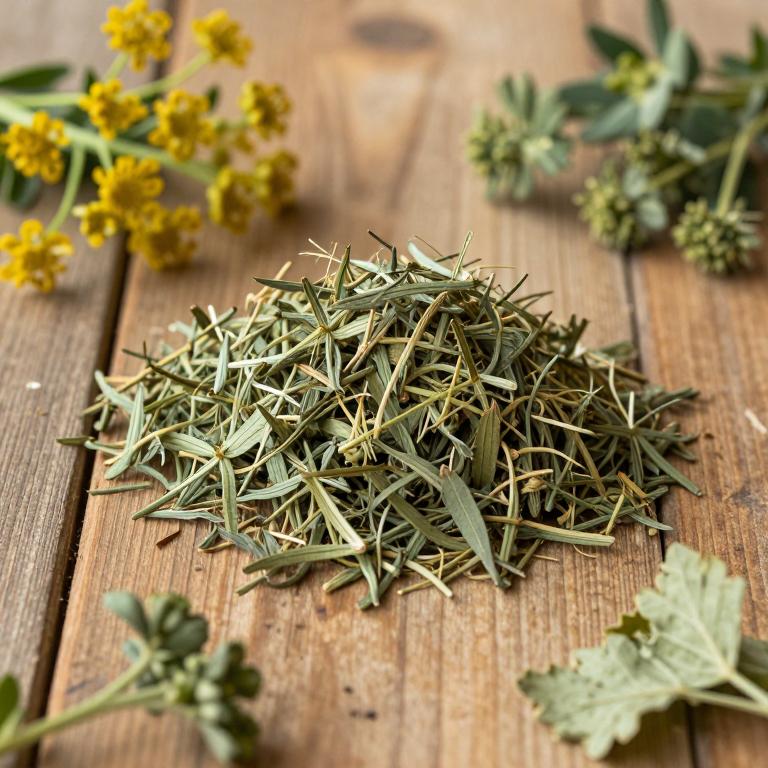
trypsin inhibitors

Trypsin inhibitors are bioactive compounds that interfere with the digestive enzyme trypsin, thereby limiting the breakdown of proteins in the gastrointestinal tract. These substances are commonly found in various medicinal and legume-based herbs, such as Bauhinia variegata, Cajanus cajan, and Canavalia ensiformis.

Associated herbs: 18

Occurs naturally in

Bauhinia variegata
Cajanus cajan

Canavalia ensiformis
View all trypsin inhibitors herbs →

vicenin-2

Vicenin-2 is a bioactive coumarin derivative known for its significant pharmacological properties, including antioxidant and anti-inflammatory activities. This compound can be found in various medicinal herbs such as Abrus mollis, Achillea millefolium, and Artemisia argyi.
Associated herbs: 16

Occurs naturally in

Abrus mollis

Achillea millefolium

Artemisia argyi

View all vicenin-2 herbs →

withanone

Withanone is a potent steroidal lactone known for its neuroprotective, anti-inflammatory, and potential anti-cancer properties. This bioactive compound is primarily found in medicinal herbs such as Withania somnifera, commonly known as Ashwagandha.

Associated herbs: 1

Occurs naturally in

Withania somnifera

View all withanone herbs →

5-hydroxymethylfurfural

5-hydroxymethylfurfural (HMF) is a bioactive furan derivative found in various medicinal plants, known for its diverse pharmacological properties including antioxidant, anti-inflammatory, and potential anti-diabetic activities. This compound can be identified in several botanical species, such as Cassia fistula, Citrus medica var. sarcodactylis, and Cynodon dactylon.

Associated herbs: 16

Occurs naturally in

Cassia fistula

Citrus medica var. sarcodactylis

Cynodon dactylon

View all 5-hydroxymethylfurfural herbs →

6-shogaol

6-shogaol is a potent bioactive compound derived from the dehydration of gingerol, known for its significant anti-inflammatory, antioxidant, and neuroprotective properties. This compound is found in various medicinal herbs, including Zingiber officinale (ginger), Piper interruptum (black pepper), and Brassica rapa (field mustard).

Associated herbs: 3

Occurs naturally in

Brassica rapa

Piper interruptum

Zingiber officinale

View all 6-shogaol herbs →