Explore herbs biological activities

  • 10547 Plants
  • |
  • 22410 Compounds
  • |
  • 460 Activities
  • |
  • 132161 Studies

Explore Herbs


Alphabet


Biological Activity

View all →

Bioactive Compounds

View all →

List of herbs biological activities

Showing 385-432 out of 460 results

CNS-Active

CNS-active herbs possess compounds that can cross the blood-brain barrier to directly influence the functions of the central nervous system. These plants may act by modulating neurotransmitters to alter mood, cognition, or sensory perception, as seen in species such as Pycnocoma cornuta.

Associated herbs: 1

Occurs naturally in

Pycnocoma cornuta

View all CNS-Active herbs →

Cathartic

A cathartic biological activity refers to the ability of a substance to stimulate bowel movements and accelerate the passage of waste through the intestines, often used to treat constipation. Herbs such as Alnus glutinosa (Alder) or Senna exhibit this effect by increasing intestinal motility or drawing water into the colon.

Associated herbs: 1

Occurs naturally in

Alnus glutinosa

View all Cathartic herbs →

Cerebroprotective

Cerebroprotective activity refers to the ability of a substance to shield the brain from damage caused by factors such as oxidative stress, inflammation, or ischemia. Herbs like Andrographis paniculata exhibit this property by helping to preserve neuronal integrity and prevent cell death during neurological distress.

Associated herbs: 1

Occurs naturally in

Andrographis paniculata

View all Cerebroprotective herbs →

Cholekinetic

Cholikinetic activity refers to the ability of a substance to stimulate the secretion of bile from the gallbladder and promote its flow into the duodenum. This process aids in the emulsification and digestion of dietary fats, with herbs such as Curcuma longa (turmeric) commonly exhibiting this effect.

Associated herbs: 1

Occurs naturally in

Curcuma longa

View all Cholekinetic herbs →

Cicatrizant

A cicatrizant is a biological property that promotes the healing and regeneration of damaged skin tissue by accelerating the formation of new scars. Herbs with this activity, such as Acacia cavena, are often used in topical treatments to repair wounds and soothe skin lesions.

Associated herbs: 2

Occurs naturally in
Erythrina crista-galli

Vachellia caven

View all Cicatrizant herbs →

Coagulant

A coagulant biological activity refers to the ability of a substance to promote the clotting of blood or the solidification of liquids. Herbs with this property, such as Nasturtium officinale or Nectandra angustifolia, are often utilized in traditional medicine to stop bleeding and facilitate wound healing.

Associated herbs: 1

Occurs naturally in

Nectandra angustifolia

View all Coagulant herbs →

Convulsant

A convulsant is a substance that induces seizures or involuntary muscle contractions by disrupting the normal electrical activity within the central nervous system. Certain medicinal plants, such as those containing strychnine like Strychnos nux-vomica, exhibit this biological activity when consumed in toxic quantities.

Associated herbs: 1

Occurs naturally in

Strychnos

View all Convulsant herbs →

Dentifrice

A dentifrice biological activity refers to the ability of a substance to be used as an agent for cleaning, freshening, and maintaining the health of the teeth and gums. Many medicinal herbs possess this property due to their natural cleansing, astringent, or antimicrobial characteristics, such as Ziziphus joazeiro.

Associated herbs: 1

Occurs naturally in

Sarcomphalus joazeiro

View all Dentifrice herbs →

Detoxicant

Detoxication refers to the biological ability of certain herbs to neutralize, eliminate, or counteract harmful substances and toxins within a living organism. Examples of plants exhibiting this activity include Erodium stephanianum, Geranium sibiricum, and Geranium wilfordii.

Associated herbs: 3

Occurs naturally in

Erodium stephanianum

Geranium sibiricum

Geranium wilfordii

View all Detoxicant herbs →

Elastase-Inhibitor

Elastase inhibitors are medicinal substances that prevent the enzyme elastase from breaking down elastin, a crucial protein responsible for maintaining the elasticity and structural integrity of skin and connective tissues. By inhibiting this enzyme, these herbs help prevent tissue degradation and may offer anti-aging or anti-inflammatory benefits, as seen in plants like Jungia floribunda.

Associated herbs: 1

Occurs naturally in

Jungia floribunda

View all Elastase-Inhibitor herbs →

Estrogen-Agonist

An estrogen agonist is a substance that mimics the structure of the hormone estrogen, allowing it to bind to and activate estrogen receptors in the body. This biological activity can trigger hormonal responses similar to those of natural estradiol, a property commonly found in herbs such as Humulus lupulus (hops) and red clover.

Associated herbs: 1

Occurs naturally in

Humulus lupulus

View all Estrogen-Agonist herbs →

Euphoriant

Euphoriant biological activity refers to the ability of certain substances to induce feelings of intense well-being, euphoria, or heightened pleasure by stimulating the central nervous system. This effect is often achieved through the modulation of neurotransmitters such as dopamine or endorphins, as seen in herbs like Piper methysticum (kava).

Associated herbs: 1

Occurs naturally in

Piper latifolium

View all Euphoriant herbs →

Fetotoxic

Hepatotoxicity refers to a form of liver damage caused by exposure to certain substances, which can lead to inflammation, cell death, or impaired liver function. Some medicinal herbs, such as Acanthus montanus, can exhibit this biological activity if consumed in excessive amounts or used inappropriately.

Associated herbs: 1

Occurs naturally in

Acanthus montanus

View all Fetotoxic herbs →

Glucosidase-Inhibitor

Glucosidase inhibitors work by blocking the enzymes responsible for breaking down complex carbohydrates into simple sugars, thereby slowing down sugar absorption in the digestive tract. This biological activity is significant for managing blood glucose levels and is exhibited by medicinal herbs such as Tambourissa peltata.

Associated herbs: 1

Occurs naturally in

Tambourissa peltata

View all Glucosidase-Inhibitor herbs →

Goitrogenic

Goitrogenic activity refers to the ability of certain substances to interfere with the thyroid gland's ability to uptake iodine, potentially leading to an enlargement of the gland known as a goiter. Herbs possessing this biological activity, such as Adiantum capillus-veneris or certain cruciferous plants, may disrupt normal hormone synthesis if consumed in excessive amounts.

Associated herbs: 1

Occurs naturally in

Adiantum capillus-veneris

View all Goitrogenic herbs →

Gonadotropic

Gonadotropic activity refers to the ability of a substance to stimulate the functions of the gonads, thereby promoting the production of sex hormones and regulating reproductive cycles. Herbs such as Lithospermum arvose exhibit this biological activity by supporting hormonal balance and enhancing reproductive health.

Associated herbs: 1

Occurs naturally in

Buglossoides arvensis

View all Gonadotropic herbs →

Growth-Inhibitor

A growth inhibitor is a biological agent that slows or prevents the proliferation of cells, such as bacteria, fungi, or cancer cells, by interfering with their metabolic processes or division cycles. Examples of medicinal herbs exhibiting this activity include Terminalia arjuna, which can inhibit the growth of certain pathogens, and various plants containing alkaloids that suppress tumor cell expansion.

Associated herbs: 1

Occurs naturally in

Terminalia arjuna

View all Growth-Inhibitor herbs →

Hemagglutinin

Hemagglutinin activity refers to the ability of certain biological substances to cause the clumping or agglutination of red blood cells, a process often studied to evaluate the presence of lectins or viral proteins. Medicinal herbs such as Macrotylomoma uniflorum exhibit this activity, which can play a significant role in their immunological and anti-pathogenic mechanisms.

Associated herbs: 1

Occurs naturally in

Macrotyloma uniflorum

View all Hemagglutinin herbs →

Hemorrhagic

Hemorrhagic activity refers to the biological ability of a substance to cause bleeding or the rupture of blood vessels within an organism. Certain medicinal plants, such as Calotropis gigantea, exhibit this effect due to the presence of potent toxins or proteolytic enzymes that damage vascular integrity.

Associated herbs: 1

Occurs naturally in

Calotropis gigantea

View all Hemorrhagic herbs →

Hepatotonic

A hepatotonic substance is a medicinal agent that stimulates and improves the overall functional capacity of the liver. Herbs with this biological activity, such as Tamarix gallica, help support liver regeneration and enhance metabolic processes.

Associated herbs: 1

Occurs naturally in

Tamarix gallica

View all Hepatotonic herbs →

Herbicide

Herbicidal activity refers to the ability of certain plant compounds to inhibit the growth, development, or survival of competing vegetation. Some medicinal herbs, such as Marrubium vulgare (White Horehound), exhibit this biological activity through the release of allelochemicals that suppress neighboring plant species.

Associated herbs: 1

Occurs naturally in

Marrubium vulgare

View all Herbicide herbs →

Histidine-Kinase-Inhibitor

Histidine kinase inhibitors function by disrupting the two-component signaling systems that bacteria and certain fungi use to sense and respond to environmental changes. By blocking these essential enzymes, these compounds can effectively arrest microbial growth and prevent the development of virulence. Herbs such as Iris tectorum have demonstrated this biological activity, showcasing their potential as natural antimicrobial agents.

Associated herbs: 1

Occurs naturally in

Iris tectorum

View all Histidine-Kinase-Inhibitor herbs →

Hyaluronidase-Inhibitor

Hyaluronidase inhibitors work by preventing the enzyme hyaluronidase from breaking down hyaluronic acid, thereby preserving the structural integrity and moisture levels of the skin's extracellular matrix. By maintaining these glycosaminoglycans, these herbs help prevent skin sagging and dehydration, with species such as Citrus reticulata (tangerine peel) serving as effective natural examples.

Associated herbs: 1

Occurs naturally in

Citrus reticulata

View all Hyaluronidase-Inhibitor herbs →

Hypercholesterolemic

A hypercholesterolemic biological activity refers to the ability of a substance to increase the levels of cholesterol within the bloodstream. While most medicinal herbs are sought for their cholesterol-lowering properties, certain plants like Telfairia occidentalis may exhibit this activity under specific conditions or concentrations.

Associated herbs: 1

Occurs naturally in

Telfairia occidentalis

View all Hypercholesterolemic herbs →

Hypertensive

Herbs with antihypertensive activity possess compounds that help lower elevated blood pressure by relaxing blood vessels or reducing fluid volume in the body. An example of a medicinal plant known for such physiological effects is Catharanthus roseus, which contains alkaloids that can influence cardiovascular regulation.

Associated herbs: 1

Occurs naturally in

Catharanthus roseus

View all Hypertensive herbs →

Hyperthermic

Hyperthermic activity refers to the ability of certain medicinal herbs to increase the body's core temperature or stimulate metabolic heat production. This thermal effect is often utilized to improve circulation and boost the immune system, as seen in herbs like Panax ginseng.

Associated herbs: 1

Occurs naturally in

Panax ginseng

View all Hyperthermic herbs →

Inhibit Elastase

Inhibiting elastase involves blocking the enzyme responsible for breaking down elastin, a critical protein that maintains the elasticity and structural integrity of skin and connective tissues. By preventing this degradation, certain herbs such as Phaseolus coccineus, Phaseolus vulgaris var. nanus, and Pisum sativum can help protect against skin aging and loss of firmness.

Associated herbs: 3

Occurs naturally in

Lathyrus oleraceus

Phaseolus coccineus

Phaseolus vulgaris

View all Inhibit Elastase herbs →

Inhibit Prostaglandin Synthesis

Inhibiting prostaglandin synthesis involves blocking the enzymes responsible for producing these lipid compounds, which are key mediators of inflammation, pain, and fever. By reducing these chemical signals, certain medicinal herbs can act as natural anti-inflammatory agents, such as Allium sativum (garlic) or Curcuma longa (turmeric).

Associated herbs: 1

Occurs naturally in

Allium sativum

View all Inhibit Prostaglandin Synthesis herbs →

Inotropic

An inotropic effect refers to the ability of a substance to alter the force or strength of muscular contractions, most commonly used to describe changes in the heart's contraction power. For instance, herbs such as Terminalia arjuna exhibit positive inotropic activity, which helps enhance the heart's pumping efficiency and supports overall cardiovascular function.

Associated herbs: 1

Occurs naturally in

Terminalia arjuna

View all Inotropic herbs →

Intoxicant

An intoxicant is a substance that alters mental functions, such as perception, mood, or consciousness, by affecting the central nervous system. Common examples of herbs possessing this biological activity include Cannabis sativa, which produces psychoactive compounds like THC.

Associated herbs: 1

Occurs naturally in

Cannabis sativa

View all Intoxicant herbs →

Lactogenic

Lactogenic activity refers to the ability of certain substances to stimulate or increase the production of breast milk in nursing mothers. Herbs with this biological activity, such as Hordeum vulgare (barley) and fenugreek, are often used in traditional medicine to support lactation.

Associated herbs: 1

Occurs naturally in

Hordeum vulgare

View all Lactogenic herbs →

Lectin

Lectins are specialized proteins found in certain medicinal herbs that function by binding specifically to carbohydrate molecules on the surface of cells. This biological activity can influence various physiological processes, such as cell signaling or immune responses, and is notably present in species like Dioscorea alata and Dioscorea japonica.

Associated herbs: 2

Occurs naturally in

Dioscorea alata

Dioscorea japonica

View all Lectin herbs →

Lipogenic

Lipogenic biological activity refers to the metabolic process of promoting the synthesis of fatty acids and the formation of new fat stores within the body. While many medicinal herbs are used to inhibit this process, some can exhibit lipogenic effects under certain conditions, such as Momordica charantia (bitter melon) in specific metabolic contexts.

Associated herbs: 1

Occurs naturally in

Momordica charantia

View all Lipogenic herbs →

Lipotropic

Lipotropic activity refers to the ability of a substance to promote the breakdown and metabolism of fats, particularly helping to prevent the accumulation of lipids in the liver. Herbs such as Vernonia amygdalina and Vernonia guineensis exhibit this property, aiding in the reduction of fat deposits and supporting overall metabolic health.

Associated herbs: 1

Occurs naturally in

Baccharoides guineensis

View all Lipotropic herbs →

Lipoxygenase-Inhibitor

Lipoxygenase inhibitors work by blocking the lipoxygenase enzyme, which prevents the conversion of arachidonic acid into pro-inflammatory leukotrienes and other mediators. By interrupting this specific biochemical pathway, these herbs can effectively reduce inflammation and swelling within the body. A notable example of a plant possessing this biological activity is Larrea tridentata, commonly known as creosote bush.

Associated herbs: 1

Occurs naturally in

Larrea tridentata
View all Lipoxygenase-Inhibitor herbs →

MAO-Inhibitor

Monoamine oxidase (MAO) inhibitors are compounds that prevent the breakdown of key neurotransmitters such as serotonin, dopamine, and norepinephrine, thereby increasing their availability in the brain. This biological activity is often linked to antidepressant and neuroprotective effects, and it can be found in various medicinal plants, such as Mentha aquatica.

Associated herbs: 1

Occurs naturally in

Mentha aquatica

View all MAO-Inhibitor herbs →

Mast-Cell-Stabilizer

Mast-cell stabilizers are substances that prevent the release of inflammatory mediators, such as histamine, from mast cells to reduce allergic reactions and inflammation. Many medicinal herbs exhibit this property, including Osmanthus fragrans, which helps mitigate hypersensitivity responses in the body.

Associated herbs: 1

Occurs naturally in

Osmanthus fragrans

View all Mast-Cell-Stabilizer herbs →

Mosquitocide

Mosquitoicide refers to the biological ability of certain plant extracts to kill or repel mosquito larvae and adults, disrupting their life cycle. Many medicinal herbs possess this property, such as Eucalyptus tereticornis, which contains volatile oils that act as potent natural insecticides.

Associated herbs: 1

Occurs naturally in

Eucalyptus tereticornis

View all Mosquitocide herbs →

Mucolytic

A mucolytic agent works by breaking down the chemical structure of mucus, making it thinner and less viscous to facilitate easier expectoration. Medicinal herbs such as Glehnia littoralis exhibit this biological activity, helping to clear respiratory congestion by reducing the stickiness of phlegm.

Associated herbs: 1

Occurs naturally in

Glehnia littoralis

View all Mucolytic herbs →

Myorelaxant

Myorelaxant activity refers to the ability of a substance to reduce muscle tension and alleviate spasms by acting on the neuromuscular system. Herbs such as Kunzea ericoides and valerian demonstrate this effect, helping to soothe muscle stiffness and promote physical relaxation.

Associated herbs: 1

Occurs naturally in

Kunzea ericoides

View all Myorelaxant herbs →

Nervine

Nervine herbs possess biological activities that specifically target and soothe the nervous system, helping to alleviate symptoms of anxiety, insomnia, or nervous exhaustion. These plants act as stabilizers for the mind and nerves, with examples including Chenopodium ambrosioides and lavender.

Associated herbs: 1

Occurs naturally in

Dysphania ambrosioides

View all Nervine herbs →

Neurostimulant

A neurostimulant is a substance that enhances neurological activity by increasing the firing rate of neurons or modulating neurotransmitters within the central nervous system. This activity can improve mental alertness, cognitive function, and focus, as seen in medicinal herbs such as Trichilia catigua.

Associated herbs: 1

Occurs naturally in

Trichilia catigua

View all Neurostimulant herbs →

Nitric-Oxide-Synthase-Inhibitor

Nitric Oxide Synthase (NOS) inhibitors work by reducing the production of nitric oxide, a signaling molecule that, when present in excess, can contribute to inflammation, oxidative stress, and various cardiovascular issues. By modulating these levels, certain medicinal herbs—such as Magnolia sieboldii—can help regulate vascular tone and mitigate inflammatory responses in the body.

Associated herbs: 1

Occurs naturally in

Magnolia sieboldii

View all Nitric-Oxide-Synthase-Inhibitor herbs →

Orexigenic

An orexigenic biological activity refers to the stimulation of appetite, often used to treat conditions characterized by malnutrition or loss of desire to eat. Herbs such as Achillea millefolium (Yarrow) and Artemisia absinthium (Wormwood) exhibit this effect by stimulating digestive secretions and promoting a sense of hunger.

Associated herbs: 2

Occurs naturally in

Achillea millefolium

Artemisia absinthium

View all Orexigenic herbs →

Oviposition-Stimulant

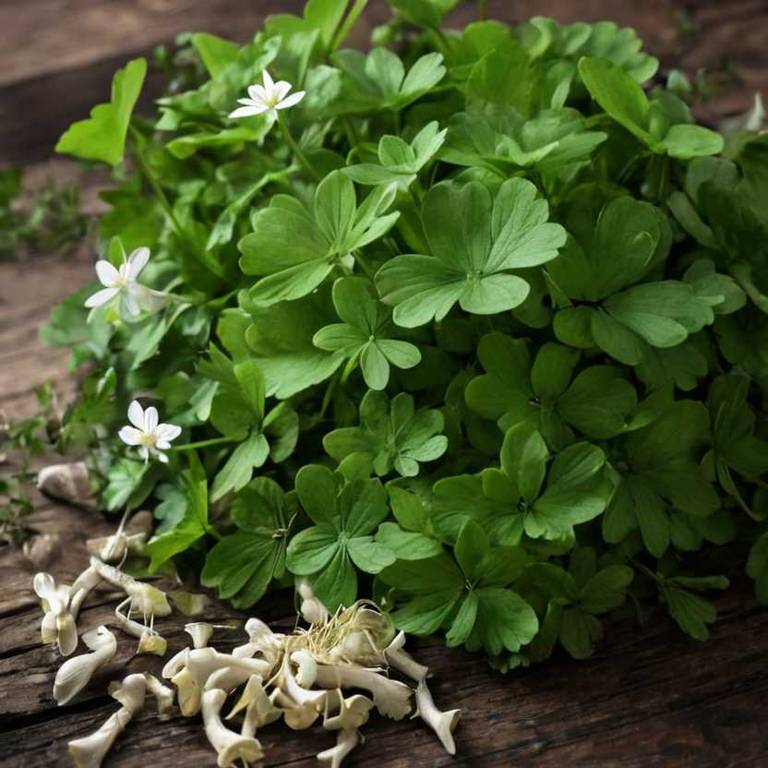
An oviposition-stimulant is a biological compound found in medicinal herbs that triggers a female insect to lay her eggs on a specific host plant. This activity is often used in integrated pest management to manipulate insect behavior, as seen with herbs like Oxalis japonica.

Associated herbs: 1

Occurs naturally in

Oxalis griffithii subsp. griffithii

View all Oviposition-Stimulant herbs →

Oxytoxic

An oxytoxic biological activity refers to the ability of a substance to increase the concentration of oxygen in the blood or tissues, thereby enhancing cellular respiration. Herbs such as Muehlenbeckia hastulata are noted for this activity, as they can help improve oxygenation levels within the body.

Associated herbs: 1

Occurs naturally in

Muehlenbeckia hastulata
View all Oxytoxic herbs →

PAF-Inducer

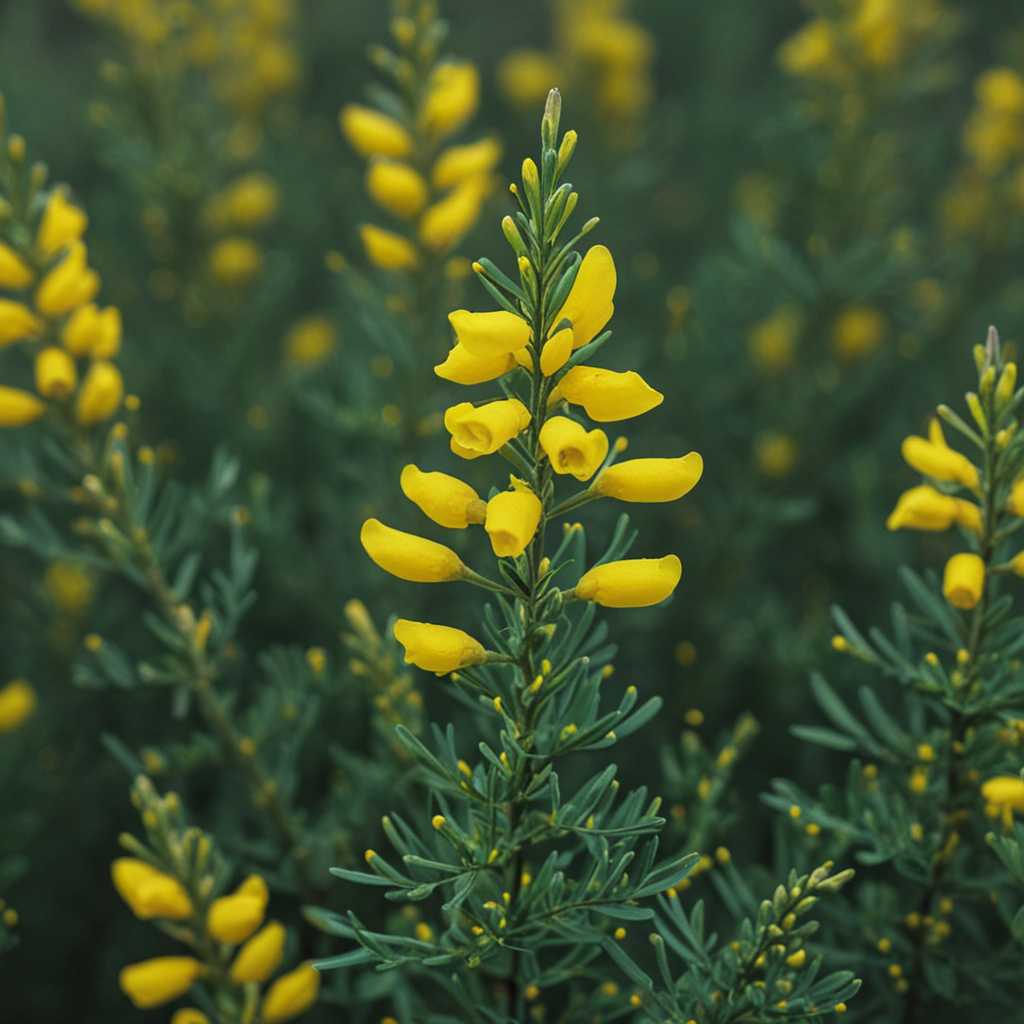
A PAF-inducer is a substance that triggers the release or activation of Platelet-Activating Factor (PAF), a potent phospholipid mediator involved in inflammatory responses, platelet aggregation, and vascular permeability. Certain medicinal herbs, such as Sophora flavescens, contain bioactive compounds that can induce this activity, playing a significant role in modulating the body's immune and inflammatory signaling pathways.
Associated herbs: 1

Occurs naturally in

Sophora flavescens

View all PAF-Inducer herbs →

Parasiticide

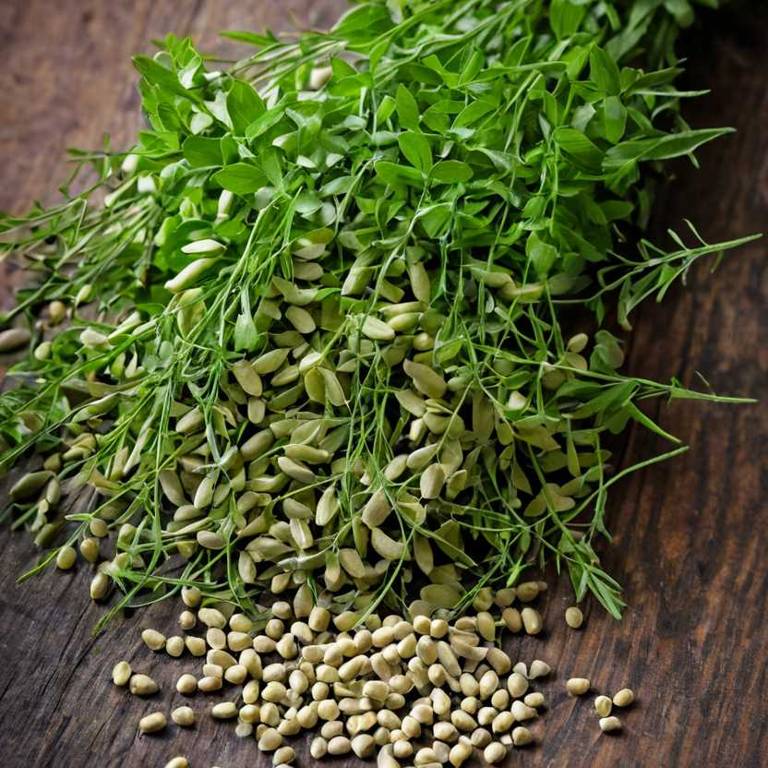
A parasiticide is a substance or herb that acts to destroy or expel parasites, such as worms or protozoa, from a host organism. Examples of herbs exhibiting this biological activity include Trigonella foenum-graecum (fenugreek) and Artemisia absinthium (wormwood).

Associated herbs: 1

Occurs naturally in

Trigonella foenum-graecum

View all Parasiticide herbs →