10 Best Herbal Juices For Snoring

Herbal juices have gained popularity as a natural remedy for snoring, with many people turning to them for their potential soothing and calming effects.
Certain herbs, such as fennel, ginger, and licorice root, are believed to help reduce inflammation in the throat and relax the muscles that contribute to snoring. These juices are often consumed before bedtime to promote better breathing during sleep, which can lead to fewer interruptions and a more restful night. While scientific evidence supporting their effectiveness is limited, many users report positive results from incorporating these herbal beverages into their routine.
As with any health remedy, it's advisable to consult a healthcare professional before relying solely on herbal juices for snoring issues.
Table of Contents
- 1. Valerian (Valeriana officinalis)
- 2. Licorice (Glycyrrhiza glabra)
- 3. Echinacea (Echinacea purpurea)
- 4. Ginger (Zingiber officinale)
- 5. Stinging nettle (Urtica dioica)
- 6. Chamomile (Matricaria chamomilla)
- 7. Rosemary (Rosmarinus officinalis)
- 8. Fennel (Foeniculum vulgare)
- 9. Black pepper (Piper nigrum)
- 10. Salvia (Salvia officinalis)
1. Valerian (Valeriana officinalis)
Valeriana officinalis, commonly known as valerian, is a traditional herb that has been used for centuries to promote relaxation and improve sleep quality.
Some studies suggest that valerian root may help reduce snoring by calming the nervous system and easing respiratory muscles during sleep. Herbal juices made from valerian root are often consumed as a natural remedy for sleep-related issues, including habitual snoring. These juices are typically prepared by steeping the dried root in water or combining it with other calming herbs like lemon balm or chamomile.
While more research is needed, many users report improved sleep patterns and reduced snoring after incorporating valerian-based herbal juices into their routine.
2. Licorice (Glycyrrhiza glabra)

Glycyrrhiza glabra, commonly known as licorice root, has been traditionally used in herbal medicine for its potential soothing effects on the respiratory system.
Some studies suggest that licorice root may help reduce inflammation in the airways, which could potentially alleviate symptoms associated with snoring by improving airflow. However, it is important to note that there is limited scientific evidence directly linking licorice root to the reduction of snoring. Herbal juices made from licorice root are sometimes used as natural remedies, though their effectiveness for snoring remains inconclusive.
As with any herbal supplement, it is advisable to consult a healthcare professional before use, especially for individuals with existing health conditions or those taking other medications.
3. Echinacea (Echinacea purpurea)

Echinacea purpurea, commonly known as purple coneflower, is a traditional herbal remedy often used for its immune-boosting properties.
While it is not directly known for treating snoring, some studies suggest that its anti-inflammatory effects may help reduce throat irritation and congestion, which are common contributors to snoring. Herbal juices made from echinacea may support respiratory health by improving overall airway function and reducing mucus production. However, it is important to note that echinacea should not be considered a primary treatment for snoring and should be used in conjunction with other recommended strategies such as weight management and positional therapy.
As with any herbal remedy, it is advisable to consult a healthcare professional before incorporating echinacea into a snoring treatment regimen.
4. Ginger (Zingiber officinale)
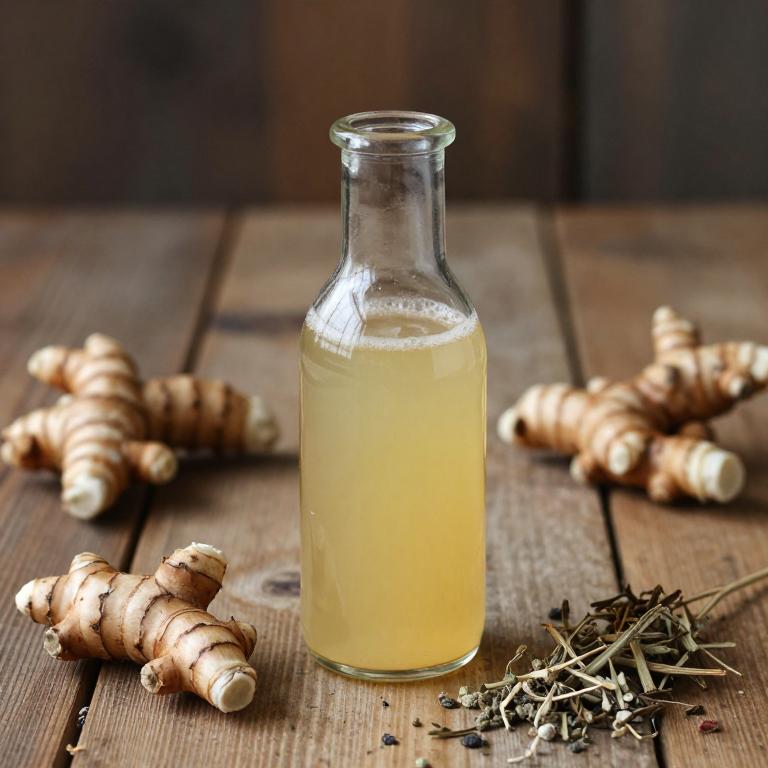
Zingiber officinale, commonly known as ginger, has been traditionally used for its medicinal properties, and recent studies suggest that ginger-based herbal juices may help reduce snoring.
The active compounds in ginger, such as gingerol and shogaol, possess anti-inflammatory and antioxidant effects that can help alleviate upper airway inflammation, a common cause of snoring. Consuming ginger juice, especially in the evening, may help relax the muscles in the throat and reduce the vibrations that lead to snoring. Some individuals report improved sleep quality and reduced nighttime snoring after incorporating ginger into their daily routine.
However, while ginger may offer potential benefits, it is advisable to consult a healthcare professional before using it as a remedy for snoring, especially if other underlying conditions are present.
5. Stinging nettle (Urtica dioica)

Urtica dioica, commonly known as stinging nettle, has been explored for its potential health benefits, including its possible impact on snoring.
Some proponents suggest that herbal juices made from stinging nettle may help reduce inflammation in the airways, which could potentially alleviate snoring. While there is limited scientific evidence directly linking stinging nettle juice to snoring reduction, some studies indicate that it may support respiratory health due to its high concentration of antioxidants and anti-inflammatory compounds. However, it is important to note that more research is needed to confirm these effects, and individuals should consult with a healthcare provider before using it as a remedy for snoring.
Overall, while stinging nettle may offer general health benefits, its effectiveness for specifically addressing snoring remains uncertain.
6. Chamomile (Matricaria chamomilla)

Matricaria chamomilla, commonly known as chamomile, is a herbal remedy that has been traditionally used for its calming and soothing properties.
While it is well-known for its role in promoting sleep and reducing anxiety, some studies suggest that chamomile may also help alleviate snoring by relaxing the muscles in the throat and reducing inflammation. Chamomile herbal juices, made from the dried flowers of the plant, can be consumed as a tea or diluted juice to support respiratory health and ease nighttime breathing. The anti-inflammatory and antispasmodic compounds in chamomile may contribute to reducing the vibration and obstruction that cause snoring.
However, it is important to consult with a healthcare professional before using chamomile as a treatment for snoring, especially if other underlying conditions are present.
7. Rosemary (Rosmarinus officinalis)

Rosmarinus officinalis, commonly known as rosemary, has been traditionally used for its aromatic and medicinal properties, and recent studies suggest that rosemary herbal juices may offer benefits for individuals experiencing snoring.
The essential oils in rosemary, such as camphor and pinene, are believed to act as natural decongestants, helping to reduce nasal congestion that can contribute to snoring. Consuming rosemary juice may also help improve respiratory function and promote clearer airways, potentially reducing the frequency and intensity of snoring episodes. Additionally, the anti-inflammatory and antioxidant properties of rosemary may support overall respiratory health, making it a natural alternative for those seeking non-pharmacological solutions.
However, while preliminary research is promising, more clinical studies are needed to fully understand the efficacy of rosemary herbal juices in treating snoring.
8. Fennel (Foeniculum vulgare)
Foeniculum vulgare, commonly known as fennel, has been traditionally used in herbal remedies for its potential benefits in reducing snoring.
The essential oils found in fennel, particularly anethol, are believed to have a soothing effect on the respiratory tract and may help relax the muscles in the throat, thereby reducing the vibrations that cause snoring. Some studies suggest that fennel juice can act as a natural expectorant, helping to clear mucus and improve airflow during sleep. However, it is important to note that while anecdotal evidence supports its use, scientific research on fennel's effectiveness for snoring is limited.
As with any herbal remedy, it is advisable to consult a healthcare professional before incorporating fennel juice into a snoring treatment regimen.
9. Black pepper (Piper nigrum)

Piper nigrum, commonly known as black pepper, has been traditionally used in herbal remedies for its potential health benefits, including its effects on respiratory function.
Some anecdotal evidence suggests that consuming black pepper in the form of herbal juice may help reduce snoring by improving nasal passage airflow and reducing inflammation. The active compound in black pepper, piperine, is believed to have anti-inflammatory and antioxidant properties that could support better breathing during sleep. However, scientific research on its direct impact on snoring is limited, and more studies are needed to confirm these effects.
While some individuals report positive results, it is advisable to consult a healthcare professional before using black pepper juice as a treatment for snoring.
10. Salvia (Salvia officinalis)

Salvia officinalis, commonly known as sage, has been traditionally used for its medicinal properties, and recent studies suggest that sage-based herbal juices may help reduce snoring.
The plant contains compounds such as thujone and flavonoids, which are believed to have anti-inflammatory and respiratory-stimulating effects. When consumed as a juice, sage may help clear nasal passages and strengthen throat muscles, thereby reducing obstructive breathing during sleep. Some individuals report improved sleep quality and reduced snoring after incorporating sage juice into their daily routine.
However, more clinical research is needed to fully understand its efficacy and safety for long-term use in managing snoring.