10 Best Herbal Capsules For Queasy Stomach
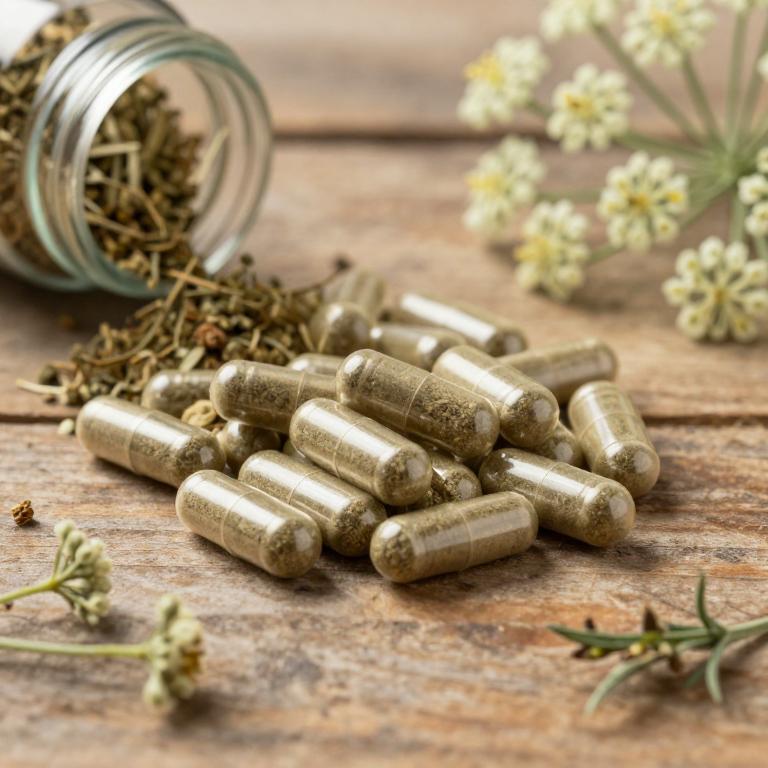
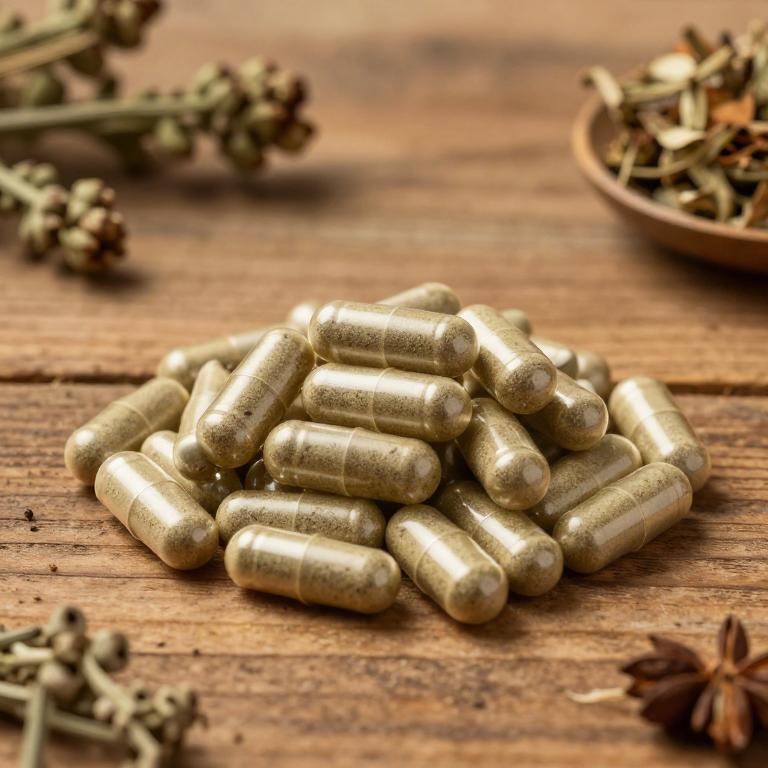
Herbal capsules are a popular natural remedy for relieving symptoms of a queasy stomach, often containing ingredients like ginger, peppermint, and chamomile, which are known for their soothing properties.
These capsules are typically easy to swallow and convenient for daily use, making them a preferred choice for those seeking non-pharmaceutical relief. They work by calming the digestive system and reducing nausea through their anti-inflammatory and antispasmodic effects. Many herbal capsules are available in various forms, such as tablets or soft gels, and can be found in health stores or online.
However, it is advisable to consult a healthcare professional before using them, especially if you have underlying health conditions or are taking other medications.
Table of Contents
- 1. Fennel (Foeniculum vulgare)
- 2. Thistle (Silybum marianum)
- 3. Ginger (Zingiber officinale)
- 4. Cumin (Cuminum cyminum)
- 5. Dog rose (Rosa canina)
- 6. Chamomile (Matricaria chamomilla)
- 7. Licorice (Glycyrrhiza glabra)
- 8. Chaste tree (Vitex agnus-castus)
- 9. Echinacea (Echinacea purpurea)
- 10. Love-in-a-mist (Peucedanum ostruthium)
1. Fennel (Foeniculum vulgare)
Foeniculum vulgare, commonly known as fennel, is a herbal remedy often used in the form of capsules to alleviate symptoms of a queasy stomach.
The essential oils in fennel, particularly anethole, are believed to have antispasmodic and carminative properties that can help ease digestive discomfort and reduce bloating. These capsules are typically made from dried fennel seeds and are available in various formulations for easy consumption. They are often recommended for individuals experiencing mild gastrointestinal issues such as indigestion or nausea.
However, it is advisable to consult a healthcare professional before using fennel capsules, especially for those with existing health conditions or who are pregnant.
2. Thistle (Silybum marianum)

Silybum marianum, also known as milk thistle, is a herbal remedy commonly used for its potential liver-protective properties.
Herbal capsules containing silybum marianum are often recommended for individuals experiencing a queasy stomach, as they may help support digestive health and reduce gastrointestinal discomfort. The active compound in milk thistle, silymarin, is believed to have antioxidant and anti-inflammatory effects that may aid in soothing the stomach lining. While it is generally considered safe, it is important to consult a healthcare professional before using these capsules, especially if you have existing medical conditions or are taking other medications.
Overall, silybum marianum herbal capsules may serve as a natural complement to managing mild digestive issues, though they should not replace conventional medical treatment.
3. Ginger (Zingiber officinale)
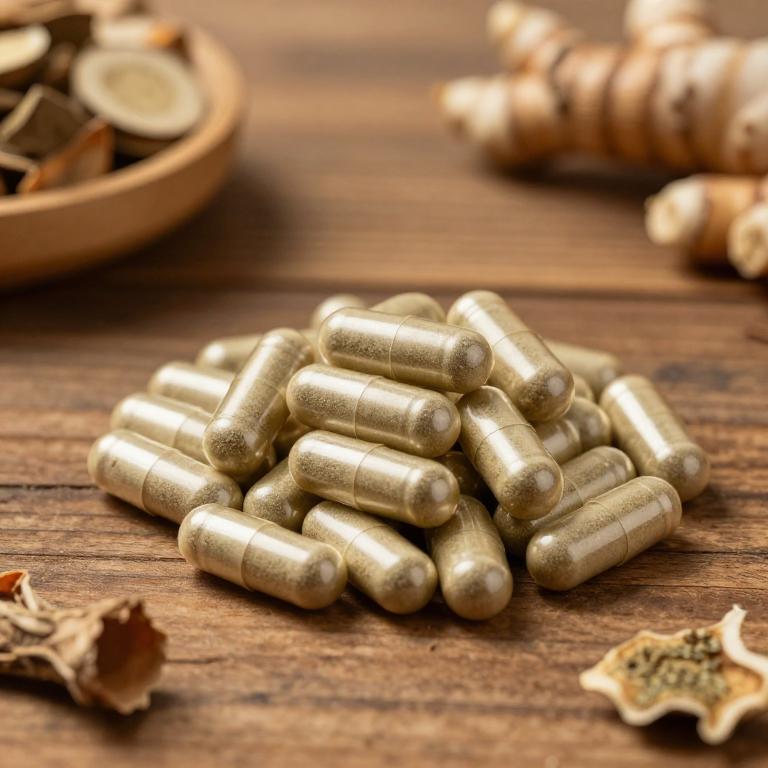
Zingiber officinale, commonly known as ginger, has been widely used for centuries to alleviate digestive discomfort and nausea.
When formulated into herbal capsules, it offers a convenient and concentrated form of this natural remedy. The active compounds in ginger, such as gingerol and shogaol, are known to reduce inflammation and stimulate digestion, making it effective for queasy stomachs. These capsules are often recommended for individuals experiencing motion sickness, morning sickness, or gastrointestinal upset.
Due to its mild side effects and natural origin, ginger capsules are a popular choice for those seeking a safe and effective alternative to conventional anti-nausea medications.
4. Cumin (Cuminum cyminum)
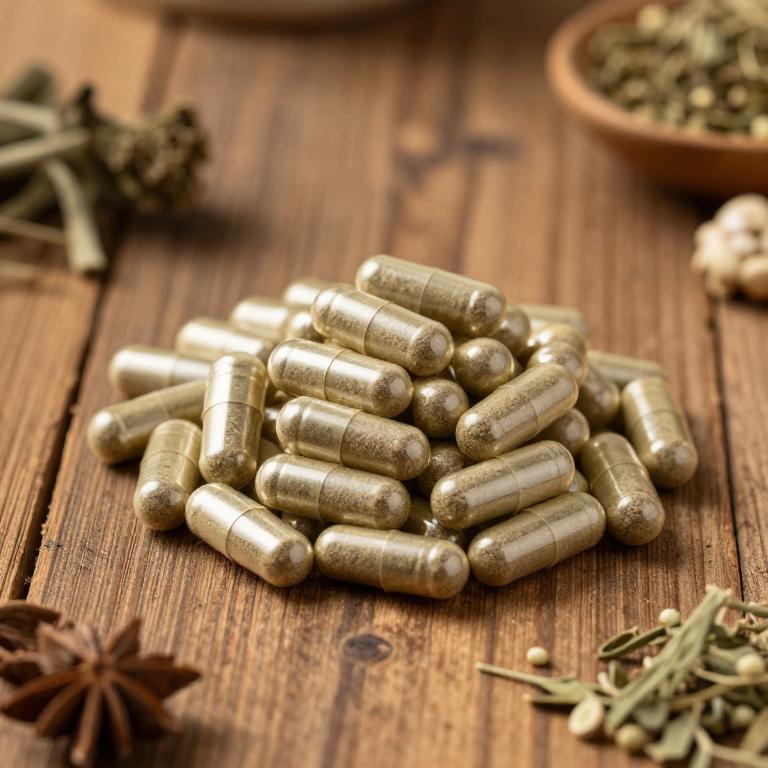
Cuminum cyminum, commonly known as cumin, is a popular herb used in traditional medicine for its digestive benefits.
Cumin herbal capsules are often recommended to alleviate symptoms of a queasy stomach due to their carminative and antispasmodic properties. These capsules contain essential oils and bioactive compounds that help reduce bloating, gas, and indigestion. The warming effect of cumin can also soothe the stomach and promote better digestion.
When taken as directed, cumin capsules may offer a natural and effective remedy for mild gastrointestinal discomfort.
5. Dog rose (Rosa canina)
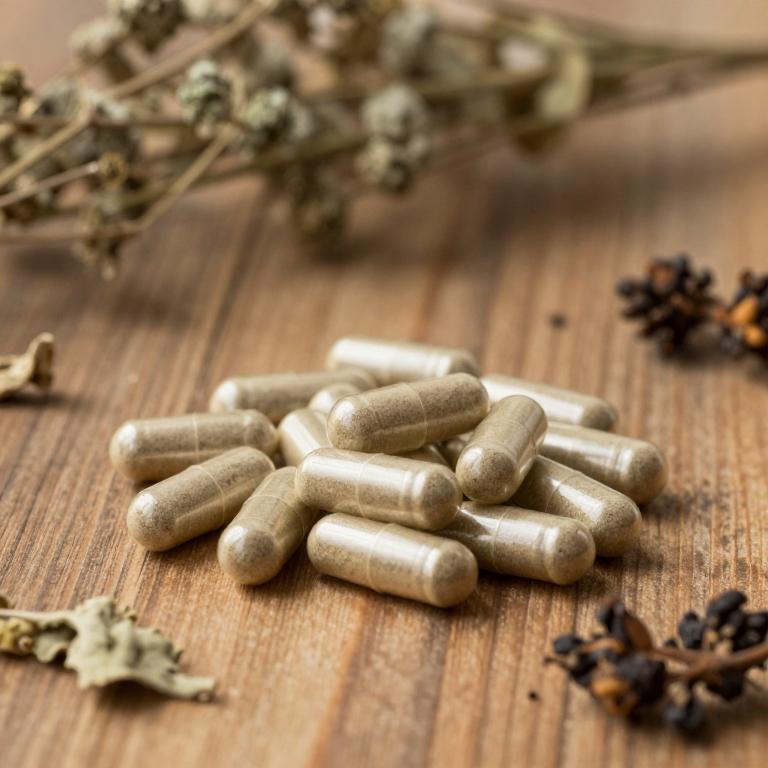
Rosa canina, also known as rosehip, is a traditional herbal remedy that has been used for centuries to support digestive health.
Rosa canina herbal capsules are made from the dried fruits of the Rosa canina plant, which are rich in bioactive compounds such as vitamins, antioxidants, and essential oils. These capsules are often used to soothe a queasy stomach due to their anti-inflammatory and gentle digestive properties. The natural constituents in rosehips help reduce stomach irritation and promote a feeling of comfort in the digestive tract.
As a complementary therapy, rosa canina capsules may offer relief for mild gastrointestinal discomfort when used as part of a holistic approach to digestive wellness.
6. Chamomile (Matricaria chamomilla)
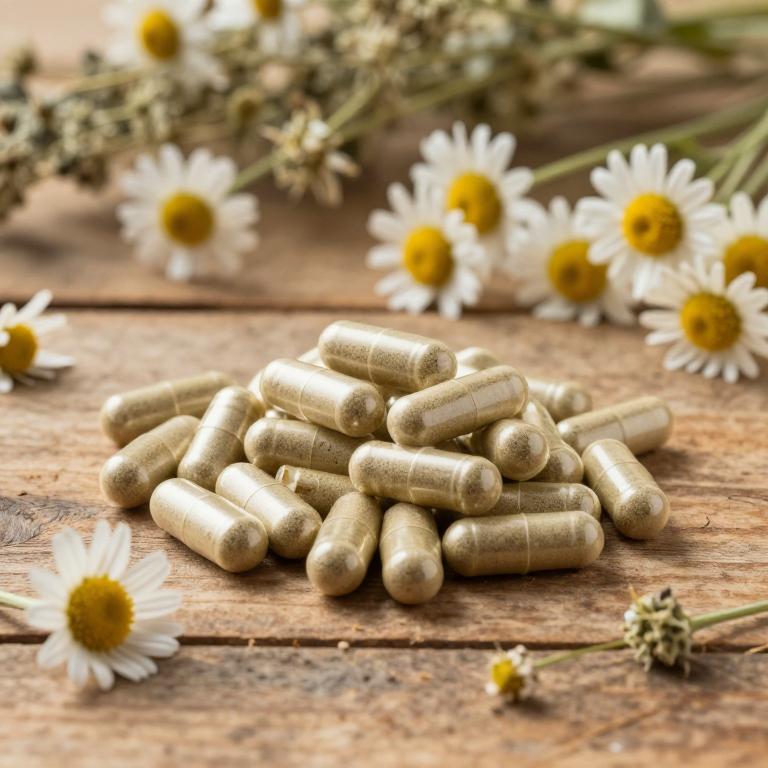
Matricaria chamomilla, commonly known as chamomile, is a widely used herb known for its calming and soothing properties.
Chamomile herbal capsules are often recommended for individuals experiencing a queasy stomach due to their ability to reduce inflammation and ease digestive discomfort. The active compounds in chamomile, such as apigenin and bisabolol, contribute to its effectiveness in alleviating symptoms like nausea and indigestion. These capsules are typically made from dried chamomile flowers and are available in various forms, including standardized extracts for consistent potency.
When taken as directed, chamomile capsules can serve as a natural and gentle remedy for digestive issues and stomach upset.
7. Licorice (Glycyrrhiza glabra)
Glycyrrhiza glabra, commonly known as licorice root, is widely used in herbal medicine for its soothing effects on the digestive system.
When formulated into capsules, glycyrrhiza glabra can help alleviate symptoms of a queasy stomach by reducing inflammation and protecting the stomach lining. Its active compound, glycyrrhizin, has anti-inflammatory and antacid properties that may ease nausea and indigestion. However, long-term use of licorice root capsules can lead to side effects such as high blood pressure due to its effect on sodium retention.
It is advisable to consult a healthcare professional before using glycyrrhiza glabra capsules, especially for individuals with preexisting health conditions.
8. Chaste tree (Vitex agnus-castus)
Vitex agnus-castus, commonly known as chaste tree berry, is often used in herbal medicine to support hormonal balance and may help alleviate symptoms of a queasy stomach.
The active compounds in vitex, such as flavonoids and iridoids, are believed to influence the pituitary gland and regulate hormonal fluctuations that can contribute to digestive discomfort. Herbal capsules containing vitex are typically taken in standardized doses to ensure consistent potency and effectiveness. While some studies suggest that vitex may reduce nausea and bloating, it is important to consult with a healthcare provider before use, especially for individuals with existing medical conditions or those taking medications.
As a complementary therapy, vitex agnus-castus capsules may offer a natural approach to managing queasy stomach symptoms when used under proper guidance.
9. Echinacea (Echinacea purpurea)
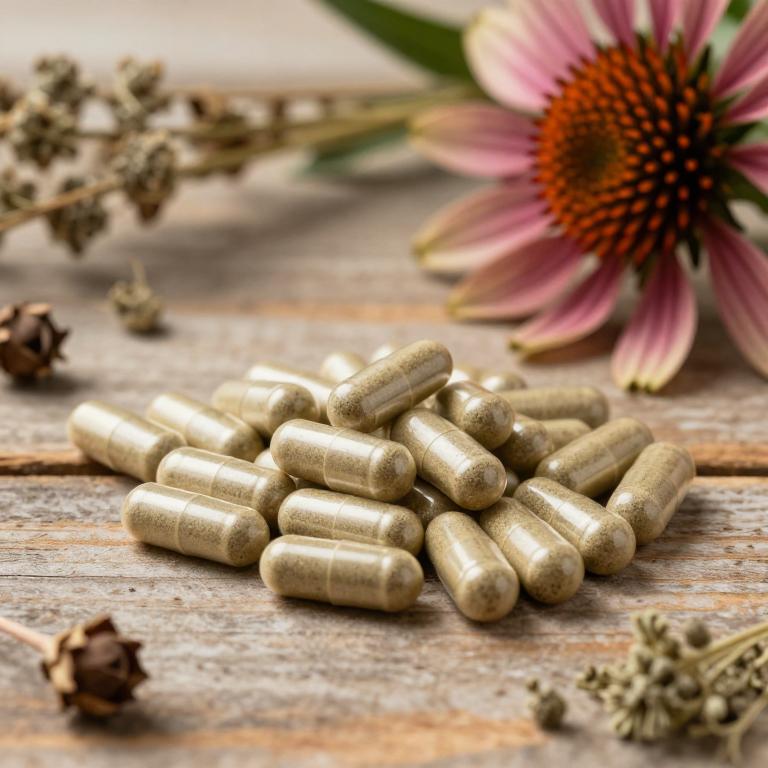
Echinacea purpurea, commonly known as purple coneflower, is a popular herbal remedy often used to support immune function and reduce inflammation.
When formulated into capsules, echinacea purpurea may help alleviate symptoms of a queasy stomach by soothing digestive discomfort and reducing irritation in the gastrointestinal tract. While some studies suggest it may have mild anti-inflammatory and antimicrobial properties, its effectiveness for digestive issues is still being explored. It is typically taken as a supplement, with recommended dosages varying based on the product and individual needs.
As with any herbal supplement, it is advisable to consult a healthcare professional before use, especially for those with existing medical conditions or taking other medications.
10. Love-in-a-mist (Peucedanum ostruthium)
Peucedanum ostruthium, also known as cow parsley or bishop's weed, is a traditional herbal remedy often used to support digestive health.
When formulated into herbal capsules, it may help alleviate symptoms of a queasy stomach by promoting digestion and reducing gastrointestinal discomfort. The plant contains compounds such as apiol and limonene, which are believed to have carminative and antispasmodic properties. These capsules are typically taken as a dietary supplement, often in combination with other herbs to enhance their effectiveness.
However, it is important to consult a healthcare professional before use, especially for individuals with pre-existing medical conditions or those taking other medications.