10 Best Herbal Lotions For Premenstrual Syndrome
Herbal lotions have gained popularity as a natural remedy for alleviating symptoms of premenstrual syndrome (PMS), offering a gentler alternative to conventional treatments.
These lotions often contain calming and anti-inflammatory herbs such as lavender, chamomile, and calendula, which are believed to help reduce bloating, cramps, and mood swings associated with PMS. Applying these herbal lotions topically can provide localized relief by soothing the muscles and promoting relaxation through their aromatic properties. Many women find that regular use of these lotions helps them feel more balanced and comfortable during their menstrual cycle.
However, it is important to consult with a healthcare provider before using herbal products, especially if you have known allergies or are taking other medications.
Table of Contents
- 1. Chaste tree (Vitex agnus-castus)
- 2. Chamomile (Matricaria chamomilla)
- 3. Stinging nettle (Urtica dioica)
- 4. Black cohosh (Cimicifuga racemosa)
- 5. Valerian (Valeriana officinalis)
- 6. Dog rose (Rosa canina)
- 7. Common mallow (Symphytum officinale)
- 8. English lavender (Lavandula angustifolia)
- 9. Ginger (Zingiber officinale)
- 10. Rosemary (Rosmarinus officinalis)
1. Chaste tree (Vitex agnus-castus)
Vitex agnus-castus, commonly known as chasteberry, is a herbal remedy often used in the form of a lotion to support women experiencing premenstrual syndrome (PMS).
These herbal lotions are believed to help regulate hormonal imbalances, which are a common cause of PMS symptoms such as mood swings, bloating, and breast tenderness. When applied topically, the active compounds in vitex may be absorbed through the skin, potentially providing localized relief and promoting overall hormonal harmony. While some studies suggest that vitex can reduce PMS symptoms when taken orally, the effectiveness of topical applications is less well-researched.
As with any herbal remedy, it is important to consult with a healthcare provider before using vitex agnus-castus lotion, especially if you have underlying health conditions or are taking other medications.
2. Chamomile (Matricaria chamomilla)
Matricaria chamomilla, commonly known as chamomile, is a popular herbal remedy used in the form of lotions to alleviate symptoms of premenstrual syndrome (PMS).
These lotions often contain essential oils extracted from the flowers of the plant, which are known for their calming and anti-inflammatory properties. When applied topically, chamomile lotions may help reduce menstrual cramps, bloating, and mood swings associated with PMS by promoting relaxation and improving circulation. Some studies suggest that the active compounds in chamomile, such as bisabolol and chamazulene, may have a soothing effect on the body.
While generally safe for most people, it is advisable to consult a healthcare provider before using chamomile lotions, especially if you have allergies or are pregnant.
3. Stinging nettle (Urtica dioica)
Urtica dioica, commonly known as stinging nettle, has been traditionally used in herbal remedies for its potential health benefits.
Urtica dioica herbal lotions are often formulated to support women experiencing premenstrual syndrome (PMS) due to their rich content of minerals, antioxidants, and anti-inflammatory compounds. These lotions may help alleviate symptoms such as bloating, irritability, and breast tenderness associated with PMS by promoting hormonal balance and reducing inflammation. When applied topically, the lotion can provide a soothing effect on the skin while delivering internal benefits through absorption.
However, it is advisable to consult a healthcare provider before using these products, especially for individuals with known allergies or medical conditions.
4. Black cohosh (Cimicifuga racemosa)
Cimicifuga racemosa, commonly known as black cohosh, is a herbal remedy often used in the form of lotion to alleviate symptoms of premenstrual syndrome (PMS).
These lotions are typically infused with essential oils and extracts from the plant, which are believed to have anti-inflammatory and calming properties. When applied topically, they may help reduce bloating, mood swings, and breast tenderness associated with PMS. While some studies suggest potential benefits, more research is needed to confirm their efficacy and safety.
As with any herbal treatment, it is advisable to consult a healthcare provider before use, especially for those with allergies or existing medical conditions.
5. Valerian (Valeriana officinalis)
Valeriana officinalis, commonly known as valerian, is a traditional herbal remedy that has been used for centuries to address various ailments, including sleep disorders and anxiety.
Recent studies suggest that valerian root may also offer relief for symptoms of premenstrual syndrome (PMS), such as irritability, mood swings, and insomnia. Herbal lotions containing valeriana officinalis are formulated to provide a soothing effect on the body, potentially reducing the physical and emotional discomfort associated with PMS. These lotions are often applied topically to the abdomen or lower back, where they can promote relaxation and ease tension.
While more research is needed, valeriana officinalis herbal lotions may serve as a natural alternative for women seeking relief from PMS symptoms without the use of pharmaceuticals.
6. Dog rose (Rosa canina)
Rosa canina, also known as dog rose, is a traditional herbal remedy that has been used for centuries to support women's health, including relief from premenstrual syndrome (PMS) symptoms.
Rosa canina herbal lotions are typically infused with the flowers and fruits of the Rosa canina plant, which are rich in antioxidants, vitamins, and essential oils that may help reduce inflammation and hormonal imbalance. These lotions are often applied topically to the abdomen or lower back to alleviate cramps, bloating, and mood swings associated with PMS. While they are not a substitute for medical treatment, many users report improved comfort and emotional well-being when using Rosa canina herbal lotions regularly.
As with any herbal remedy, it is advisable to consult a healthcare professional before incorporating it into a PMS management routine.
7. Common mallow (Symphytum officinale)

Symphytum officinale, commonly known as comfrey, is a traditional herbal remedy that has been used for centuries to support healing and reduce inflammation.
While it is often used in topical formulations such as salves and poultices, some herbal lotions containing Symphytum officinale have been explored for their potential benefits in managing premenstrual syndrome (PMS) symptoms. These lotions may help alleviate discomfort such as cramps, bloating, and breast tenderness by promoting circulation and reducing muscular tension. However, it is important to note that Symphytum officinale contains allantoin and pyrrolidone carboxylic acid, which may have mild irritant properties, so caution is advised with topical use.
As with any herbal treatment, it is recommended to consult with a healthcare provider before using Symphytum officinale lotions, especially for individuals with sensitive skin or underlying health conditions.
8. English lavender (Lavandula angustifolia)
Lavandula angustifolia, commonly known as English lavender, is widely used in herbal lotions for its calming and soothing properties.
These lotions are often formulated with lavender essential oil, which has been shown to reduce stress and anxiety, common symptoms of premenstrual syndrome (PMS). Applying lavender-infused lotions to the lower abdomen or temples can help alleviate cramps and promote relaxation during the premenstrual phase. The anti-inflammatory and analgesic properties of lavender may also contribute to reducing menstrual discomfort.
As a natural remedy, lavender herbal lotions offer a gentle and aromatherapy-based approach to managing PMS symptoms without the use of pharmaceuticals.
9. Ginger (Zingiber officinale)
Zingiber officinale, commonly known as ginger, has been traditionally used for its therapeutic properties, and recent studies suggest that ginger-based herbal lotions may offer relief for symptoms of premenstrual syndrome (PMS).
These lotions are often formulated with essential oils and extracts of fresh or dried ginger root, which are believed to have anti-inflammatory and analgesic effects. Applying ginger lotion to the abdomen or lower back can help alleviate cramps, bloating, and muscle tension associated with PMS. Some users report improved mood and reduced irritability when using ginger topical treatments during the menstrual cycle.
While more research is needed, ginger herbal lotions are considered a natural, non-invasive option for managing PMS symptoms.
10. Rosemary (Rosmarinus officinalis)
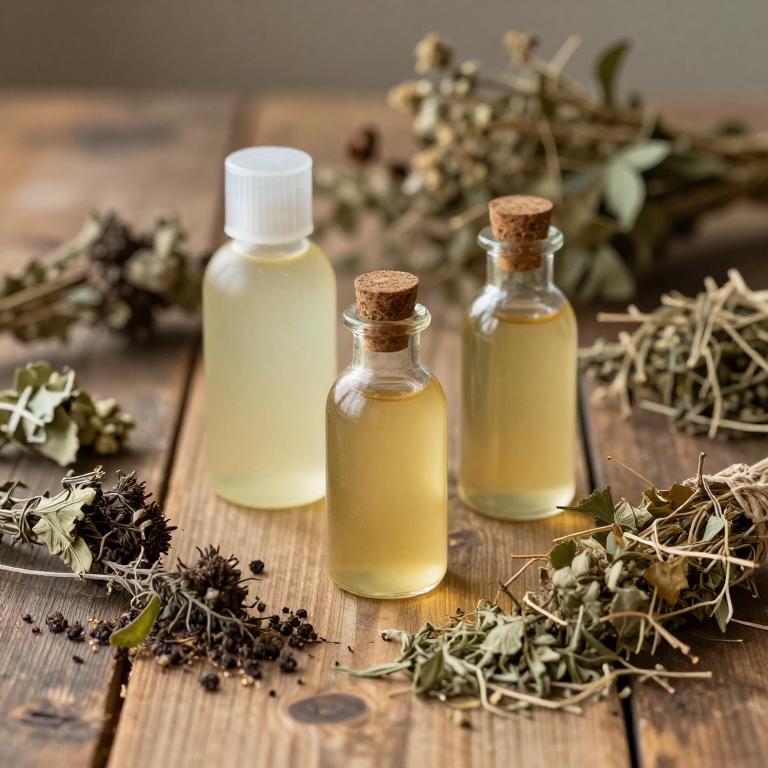
Rosmarinus officinalis, commonly known as rosemary, is widely used in herbal lotions for its potential benefits in alleviating symptoms of premenstrual syndrome (PMS).
These lotions often contain essential oils derived from rosemary leaves, which are believed to have antispasmodic and anti-inflammatory properties. Applying rosemary herbal lotion to the abdomen or lower back may help reduce cramps and muscle tension associated with PMS. The aromatic compounds in rosemary may also promote relaxation and ease mood swings, common during the premenstrual phase.
While more research is needed, many women find these natural remedies to be a soothing and accessible option for managing PMS symptoms.