10 Best Herbal Capsules For Premenstrual Syndrome
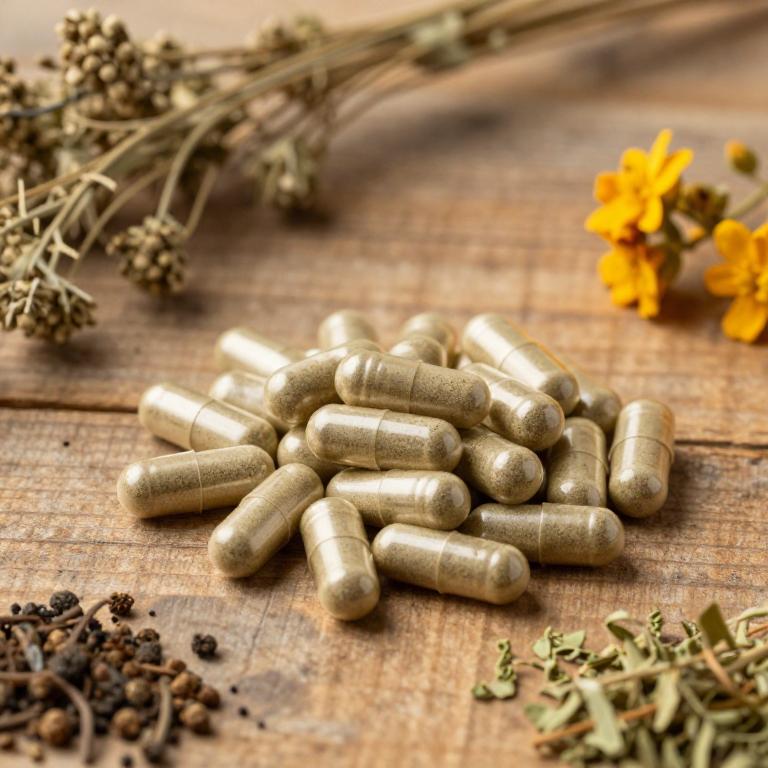
Herbal capsules have gained popularity as a natural remedy for managing premenstrual syndrome (PMS) symptoms, offering a gentler alternative to pharmaceutical treatments.
Commonly used herbs include chasteberry (Vitex agnus-castus), ginger, and evening primrose oil, which are believed to help regulate hormonal imbalances and reduce cramps, mood swings, and bloating. These capsules are typically standardized to ensure consistent potency and are available in various forms, such as softgels or tablets. While some studies suggest their efficacy, it is important to consult a healthcare provider before starting any herbal supplement to avoid potential interactions or side effects.
Overall, herbal capsules can be a valuable addition to a holistic approach for managing PMS, though individual responses may vary.
Table of Contents
- 1. Chaste tree (Vitex agnus-castus)
- 2. Black cohosh (Cimicifuga racemosa)
- 3. Stinging nettle (Urtica dioica)
- 4. Ginger (Zingiber officinale)
- 5. Heartworts (Leonurus cardiaca)
- 6. Fennel (Foeniculum vulgare)
- 7. White water lily (Nymphaea alba)
- 8. Cabbage palm (Sabal serrulata)
- 9. Chamomile (Matricaria chamomilla)
- 10. Anise (Pimpinella anisum)
1. Chaste tree (Vitex agnus-castus)
Vitex agnus-castus, commonly known as chasteberry, is a herbal supplement often used to alleviate symptoms of premenstrual syndrome (PMS).
It is believed to support hormonal balance by influencing the pituitary gland, which can help regulate menstrual cycles and reduce emotional and physical symptoms associated with PMS. Clinical studies suggest that vitex may help reduce breast tenderness, irritability, and mood swings in women experiencing PMS. Herbal capsules containing vitex agnus-castus are typically taken orally, with a recommended dosage of 40 to 80 mg per day.
As with any supplement, it is advisable to consult a healthcare provider before starting vitex, especially for those with underlying health conditions or taking other medications.
2. Black cohosh (Cimicifuga racemosa)
Cimicifuga racemosa, commonly known as black cohosh, is a herbal remedy often used in the form of capsules to alleviate symptoms of premenstrual syndrome (PMS).
It is believed to help reduce common PMS symptoms such as bloating, breast tenderness, mood swings, and irritability by influencing hormonal balance and reducing inflammation. Studies have suggested that black cohosh may act on the hypothalamic-pituitary-adrenal axis, potentially modulating the body's response to stress and hormonal fluctuations. While generally considered safe for short-term use, it is important to consult a healthcare provider before starting any herbal supplement, especially for individuals with hormone-sensitive conditions or those taking other medications.
As with any treatment, the effectiveness of Cimicifuga racemosa may vary among individuals, and it should be used as part of a comprehensive approach to managing PMS.
3. Stinging nettle (Urtica dioica)
Urtica dioica, commonly known as stinging nettle, has been traditionally used in herbal medicine for its potential health benefits, including relief from premenstrual syndrome (PMS) symptoms.
Herbal capsules containing Urtica dioica are often marketed as natural remedies to alleviate common PMS issues such as bloating, mood swings, and breast tenderness. These capsules are believed to work by reducing inflammation and balancing hormonal fluctuations that may contribute to PMS. Some studies suggest that the bioactive compounds in stinging nettle may support hormonal regulation and reduce oxidative stress in the body.
However, it is important to consult with a healthcare provider before using these supplements, especially for individuals with existing medical conditions or those taking other medications.
4. Ginger (Zingiber officinale)
Zingiber officinale, commonly known as ginger, has been traditionally used to alleviate symptoms of premenstrual syndrome (PMS).
Herbal capsules containing ginger extract are increasingly popular as a natural remedy for managing PMS-related discomfort such as bloating, cramps, and mood swings. Studies suggest that ginger may help reduce inflammation and regulate hormonal fluctuations, which are often associated with PMS. These capsules are typically made from standardized ginger root and are available in various dosages for convenience.
When used as part of a holistic approach, ginger herbal capsules can offer a safe and effective option for women seeking natural relief from PMS symptoms.
5. Heartworts (Leonurus cardiaca)
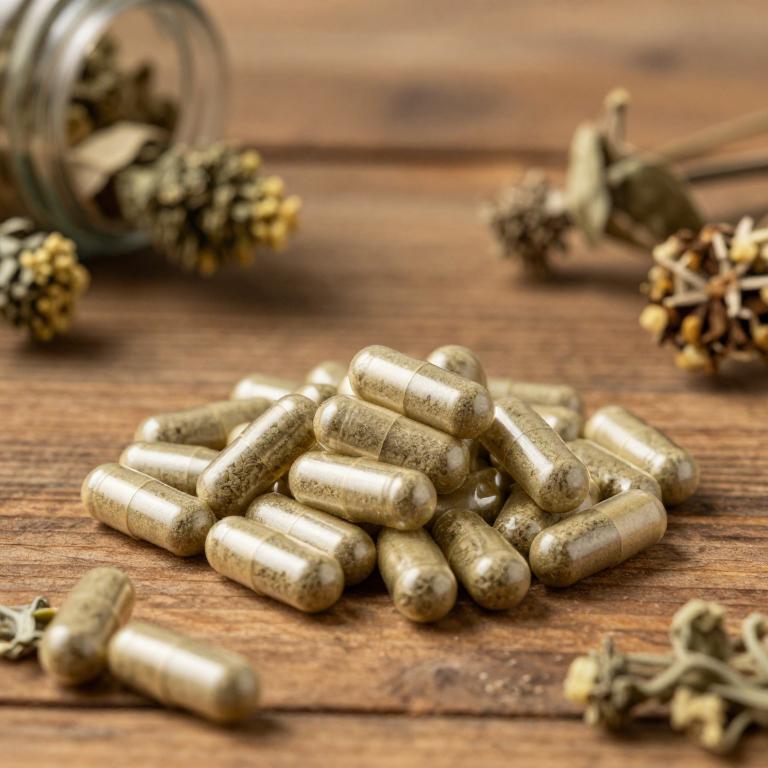
Leonurus cardiaca, commonly known as heartwarming or redweed, has been traditionally used in herbal medicine for its potential benefits in alleviating symptoms of premenstrual syndrome (PMS).
Herbal capsules containing Leonurus cardiaca are often recommended for their calming and anti-inflammatory properties, which may help reduce mood swings, bloating, and breast tenderness associated with PMS. Studies suggest that the herb may support hormonal balance and improve overall emotional well-being during the menstrual cycle. When used as part of a holistic approach, Leonurus cardiaca capsules may offer a natural alternative for women seeking relief from PMS symptoms.
However, it is important to consult with a healthcare provider before starting any herbal supplement to ensure safety and appropriateness for individual health needs.
6. Fennel (Foeniculum vulgare)
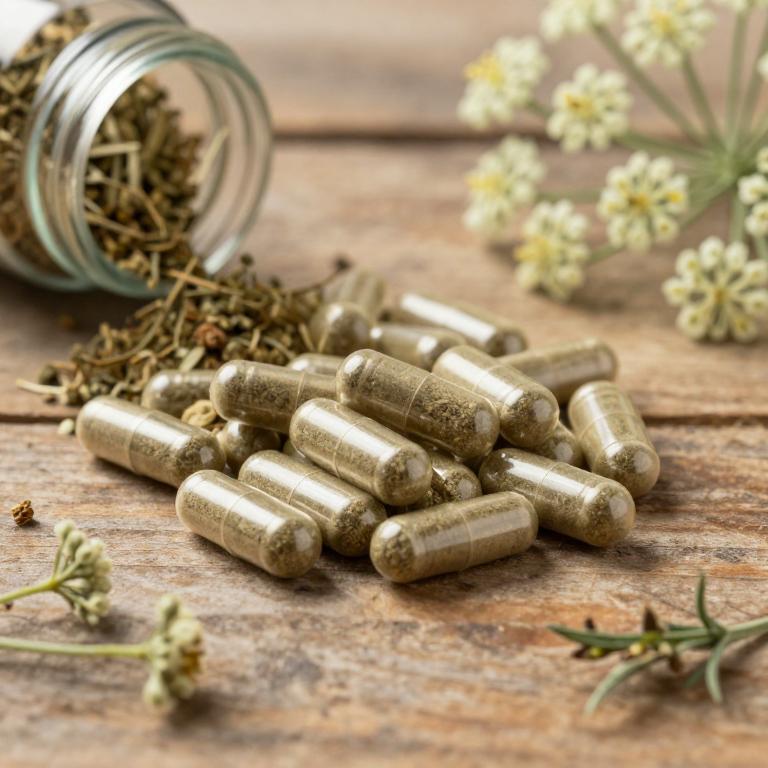
Foeniculum vulgare, commonly known as fennel, has been traditionally used to alleviate symptoms of premenstrual syndrome (PMS).
Herbal capsules containing fennel are often recommended for their potential to ease bloating, cramps, and mood swings associated with PMS. The active compounds in fennel, such as anethole and estragole, may help regulate hormonal imbalances and reduce gastrointestinal discomfort. Studies suggest that fennel may have mild estrogenic properties that could support hormonal equilibrium during the menstrual cycle.
However, it is important to consult a healthcare provider before use, especially for individuals with allergies or those taking other medications.
7. White water lily (Nymphaea alba)
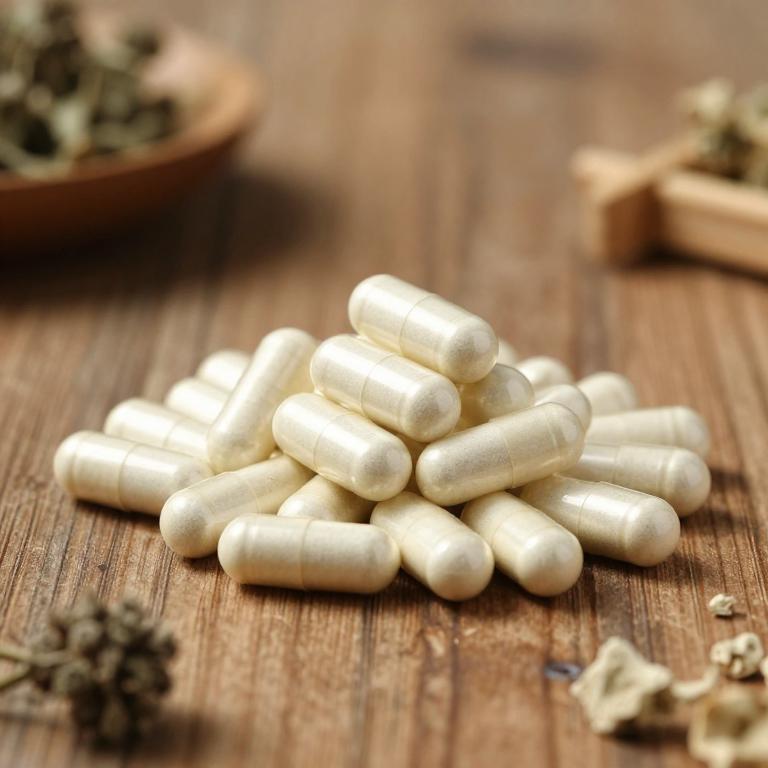
Nymphaea alba, commonly known as white water lily, has been traditionally used in herbal medicine for its calming and mood-stabilizing properties.
Herbal capsules containing Nymphaea alba are increasingly being explored as a natural remedy for premenstrual syndrome (PMS), due to their potential to alleviate symptoms such as irritability, anxiety, and mood swings. These capsules are believed to support hormonal balance and reduce emotional distress associated with the menstrual cycle. Clinical studies suggest that Nymphaea alba may have mild antidepressant and anxiolytic effects, making it a promising complementary therapy for PMS.
However, it is important to consult with a healthcare provider before using these capsules, especially for individuals with pre-existing medical conditions or those taking other medications.
8. Cabbage palm (Sabal serrulata)

Sabal serrulata herbal capsules are commonly used to help alleviate symptoms of premenstrual syndrome (PMS) due to their potential to regulate hormonal imbalances and reduce fluid retention.
This plant-based supplement is believed to support the body's natural detoxification processes, which may help ease bloating, mood swings, and breast tenderness associated with PMS. It is often taken in capsule form for convenience and consistency in dosage, making it a popular choice for women seeking natural remedies. While some studies suggest its efficacy, it is important to consult with a healthcare provider before starting any new herbal supplement, especially during menstruation or if you have underlying health conditions.
Overall, Sabal serrulata may offer a complementary approach to managing PMS symptoms when used as part of a holistic wellness plan.
9. Chamomile (Matricaria chamomilla)
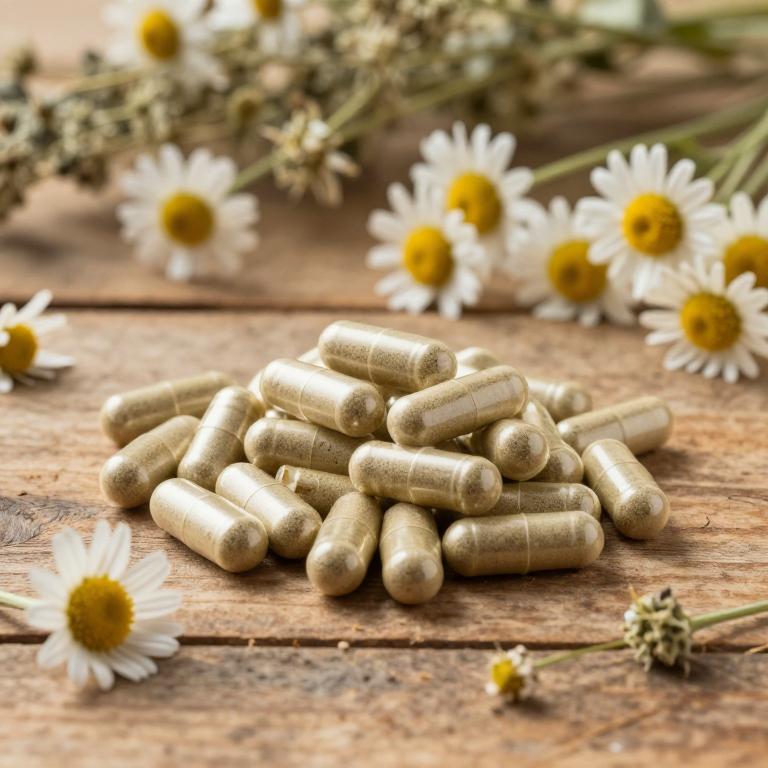
Matricaria chamomilla, commonly known as German chamomile, is often used in herbal capsules to help alleviate symptoms of premenstrual syndrome (PMS).
These capsules contain standardized extracts of the flower, which are rich in active compounds like flavonoids and essential oils. Studies suggest that chamomile may help reduce emotional and physical symptoms such as irritability, bloating, and breast tenderness associated with PMS. The mild sedative and anti-inflammatory properties of chamomile are believed to contribute to its effectiveness in managing these symptoms.
As a natural remedy, matricaria chamomilla herbal capsules are generally considered safe, though it is advisable to consult a healthcare provider before use, especially for those taking other medications or with existing health conditions.
10. Anise (Pimpinella anisum)
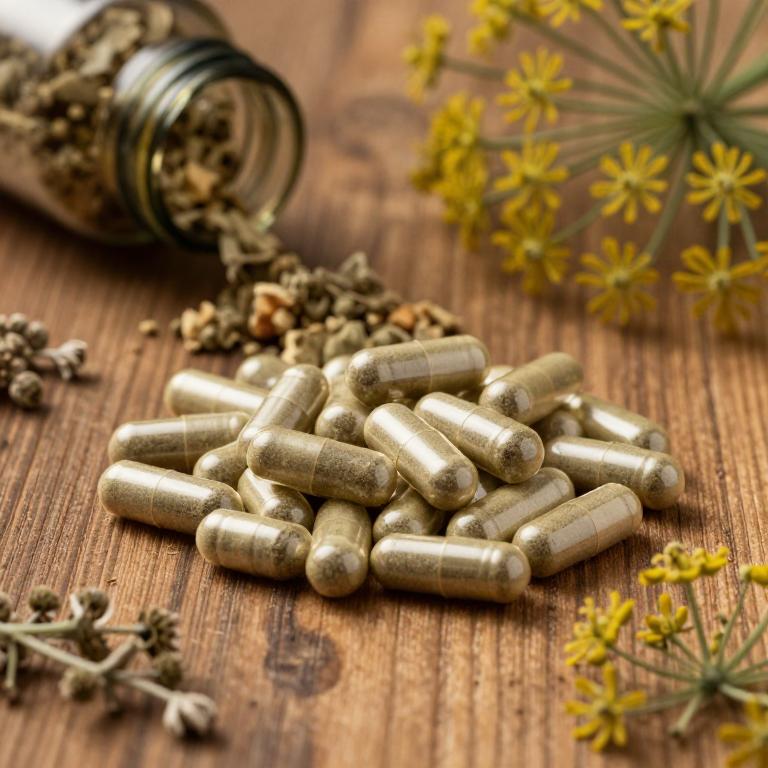
Pimpinella anisum, commonly known as anise, has been traditionally used in herbal medicine for its potential benefits in managing premenstrual syndrome (PMS).
The essential oil of anise contains compounds like anethol, which may help alleviate symptoms such as bloating, mood swings, and breast tenderness associated with PMS. Herbal capsules made from anise are often taken as a natural alternative to conventional PMS treatments, offering a gentle and holistic approach. Studies suggest that anise may help regulate hormonal imbalances and reduce gastrointestinal discomfort linked to the menstrual cycle.
However, it is important to consult a healthcare provider before starting any herbal supplement, especially for individuals with existing medical conditions or those taking other medications.