10 Best Herbal Lotions For Ovulation Pain
Herbal lotions for ovulation pain are natural remedies that combine soothing herbs with moisturizing ingredients to alleviate discomfort during the menstrual cycle.
These lotions often contain ingredients like chamomile, lavender, and ginger, which are known for their anti-inflammatory and calming properties. They can be applied directly to the lower abdomen to provide localized relief and reduce cramping associated with ovulation. Unlike traditional pain relievers, herbal lotions are generally considered safe and gentle for most people, making them a popular choice for those seeking natural alternatives.
However, it is important to consult with a healthcare provider before using any herbal product, especially if you have allergies or are pregnant.
Table of Contents
- 1. Chaste tree (Vitex agnus-castus)
- 2. Black cohosh (Cimicifuga racemosa)
- 3. White water lily (Nymphaea alba)
- 4. Stinging nettle (Urtica dioica)
- 5. Yarrow (Achillea millefolium)
- 6. Dog rose (Rosa canina)
- 7. Sanguisorba (Sanguisorba officinalis)
- 8. Turmeric (Curcuma longa)
- 9. German chamomile (Chamomilla recutita)
- 10. Chamomile (Matricaria chamomilla)
1. Chaste tree (Vitex agnus-castus)
Vitex agnus-castus, commonly known as chasteberry, is often used in herbal formulations to support hormonal balance and may help alleviate symptoms associated with ovulation pain.
Herbal lotions containing vitex are believed to promote menstrual regularity and reduce discomfort by influencing luteinizing hormone and prolactin levels in the body. These lotions are typically applied topically to the lower abdomen or back, providing a soothing effect that may ease cramping and bloating during the menstrual cycle. While they are generally considered safe for most adults, it is advisable to consult a healthcare provider before use, especially for those with existing medical conditions or who are pregnant.
Overall, vitex-based herbal lotions offer a natural alternative for managing ovulation pain, though their effectiveness can vary among individuals.
2. Black cohosh (Cimicifuga racemosa)
Cimicifuga racemosa, commonly known as black cohosh, is often used in herbal lotions to alleviate symptoms associated with ovulation pain, also called mittelschmerz.
These lotions typically contain essential oils and extracts of the plant, which are believed to have anti-inflammatory and analgesic properties. When applied topically, the herbal lotion may help reduce localized pain and discomfort by improving blood circulation and soothing the tissues around the reproductive organs. While some women find relief from using these natural remedies, it is important to consult a healthcare provider before starting any new treatment, especially if symptoms are severe or persistent.
Overall, cimicifuga racemosa herbal lotions offer a gentle, alternative approach for managing ovulation-related discomfort.
3. White water lily (Nymphaea alba)
Nymphaea alba, commonly known as white water lily, has been traditionally used in herbal medicine for its soothing and anti-inflammatory properties.
Herbal lotions made from Nymphaea alba are believed to help alleviate the discomfort associated with ovulation pain, often referred to as mittelschmerz, by reducing inflammation and promoting hormonal balance. These lotions are typically prepared by infusing the dried petals or leaves in a carrier oil, creating a nourishing and calming application for the lower abdomen. When applied externally, the lotion may help ease cramping and support the body's natural healing processes.
However, it is important to consult with a healthcare professional before using any herbal remedy, especially if you have underlying health conditions or are pregnant.
4. Stinging nettle (Urtica dioica)
Urtica dioica, commonly known as stinging nettle, is a herbal plant that has been traditionally used for its various health benefits, including its potential to alleviate symptoms related to ovulation pain.
When incorporated into herbal lotions, Urtica dioica may help reduce inflammation and soothe the discomfort associated with mittelschmerz, the pain experienced during ovulation. These lotions are often applied topically to the lower abdomen or pelvic area, allowing the plant's anti-inflammatory and analgesic properties to work directly on the affected region. The use of Urtica dioica in such formulations is believed to support hormonal balance and improve circulation, which may further ease ovulation-related pain.
However, it is important to consult with a healthcare provider before using these lotions, especially for those with sensitive skin or existing medical conditions.
5. Yarrow (Achillea millefolium)
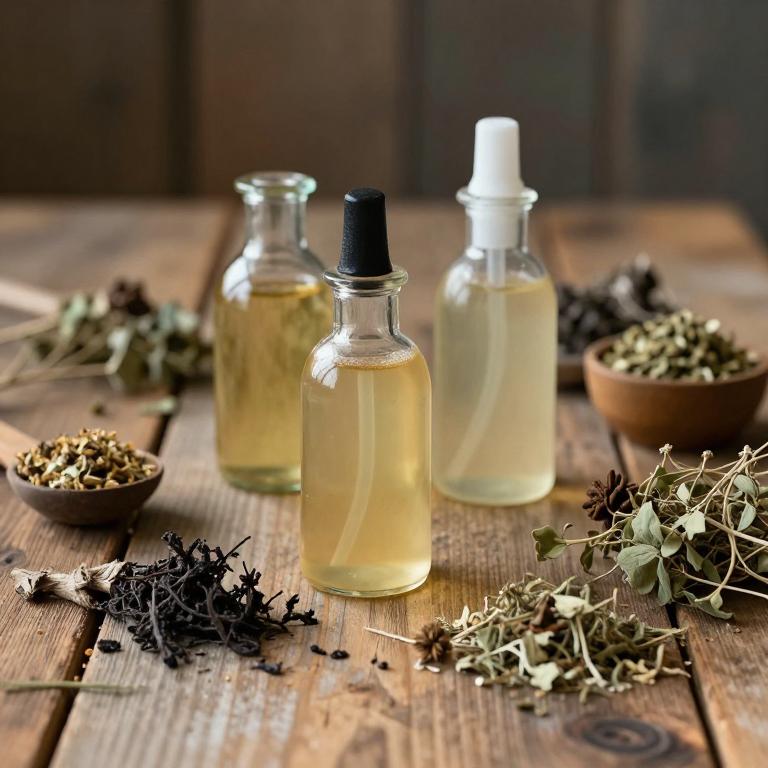
Achillea millefolium, commonly known as yarrow, has been traditionally used in herbal remedies for its anti-inflammatory and pain-relieving properties.
When formulated into a herbal lotion, it may offer relief for ovulation pain by reducing inflammation and soothing the uterine lining. The essential oils in yarrow, such as chamazulene and bisabolol, are believed to have mild analgesic and antispasmodic effects. To use, the lotion can be gently applied to the lower abdomen, ensuring it is not ingested and is suitable for sensitive skin.
While it may provide some comfort, it is advisable to consult a healthcare provider before using any herbal remedy, especially during reproductive health concerns.
6. Dog rose (Rosa canina)
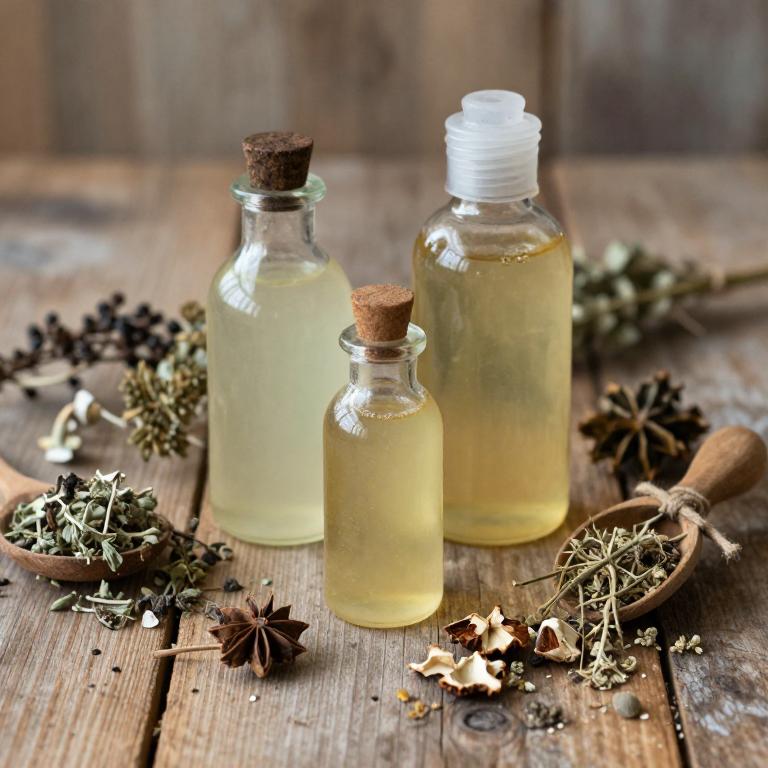
Rosa canina, also known as dog rose, is a traditional herbal remedy often used in the preparation of herbal lotions aimed at alleviating symptoms associated with ovulation pain.
These lotions typically contain a blend of Rosa canina oil and other natural ingredients, which are believed to have anti-inflammatory and soothing properties. The application of Rosa canina lotion may help reduce the discomfort and cramping experienced during ovulation by promoting circulation and easing muscle tension in the pelvic area. Many women find relief from ovulation pain by using these natural remedies as part of their holistic health routine.
However, it is advisable to consult with a healthcare provider before incorporating any new herbal treatment into one's regimen.
7. Sanguisorba (Sanguisorba officinalis)
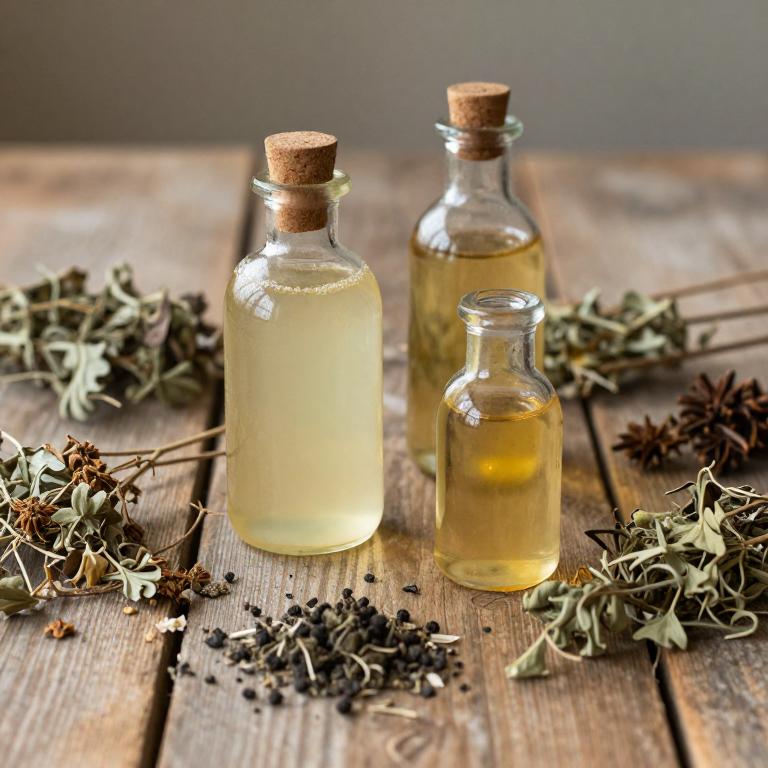
Sanguisorba officinalis, commonly known as sweet coltsfoot, has been traditionally used in herbal medicine for its anti-inflammatory and analgesic properties.
Herbal lotions made from Sanguisorba officinalis may help alleviate the pain associated with ovulation by reducing inflammation and soothing the sensitive tissues of the reproductive system. These lotions are typically prepared by infusing the plant's leaves and roots in a carrier oil, creating a nourishing and cooling application. While not a substitute for medical advice, some women use these natural remedies as complementary support during their menstrual cycle.
However, it is important to consult with a qualified herbalist or healthcare provider before using any herbal treatments, especially if you have underlying health conditions or are pregnant.
8. Turmeric (Curcuma longa)
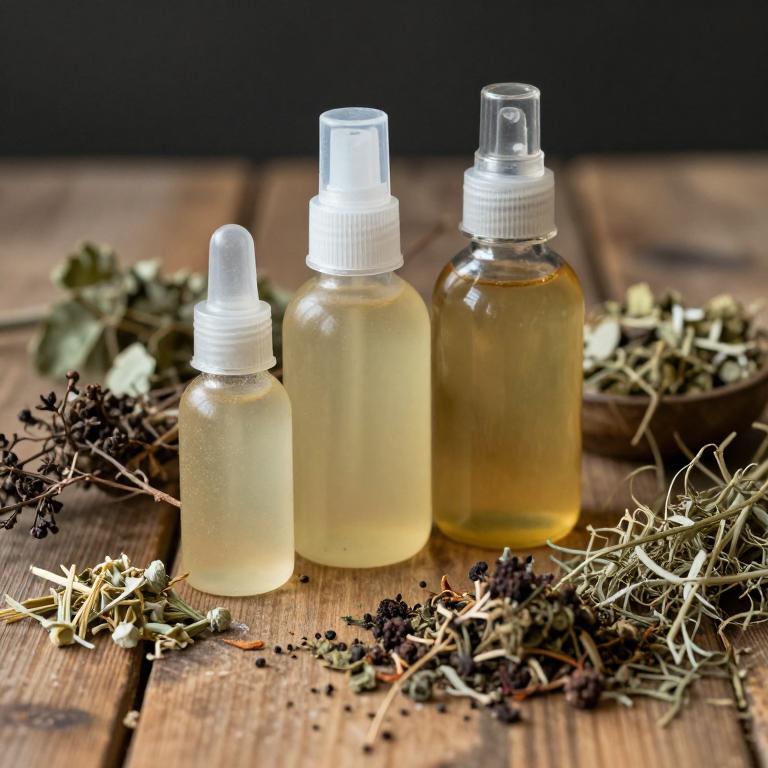
Curcuma longa, commonly known as turmeric, has been traditionally used for its anti-inflammatory and analgesic properties, making it a popular ingredient in herbal lotions for managing ovulation pain.
These lotions often contain curcumin, the active compound in turmeric, which helps reduce inflammation and discomfort associated with mittelschmerz. When applied topically, curcuma longa herbal lotions can provide localized relief by soothing the abdominal area without systemic side effects. However, it is important to consult a healthcare provider before using these products, especially if you have underlying health conditions or are pregnant.
While they may offer some relief, they should not replace professional medical advice or treatment for severe or persistent ovulation pain.
9. German chamomile (Chamomilla recutita)
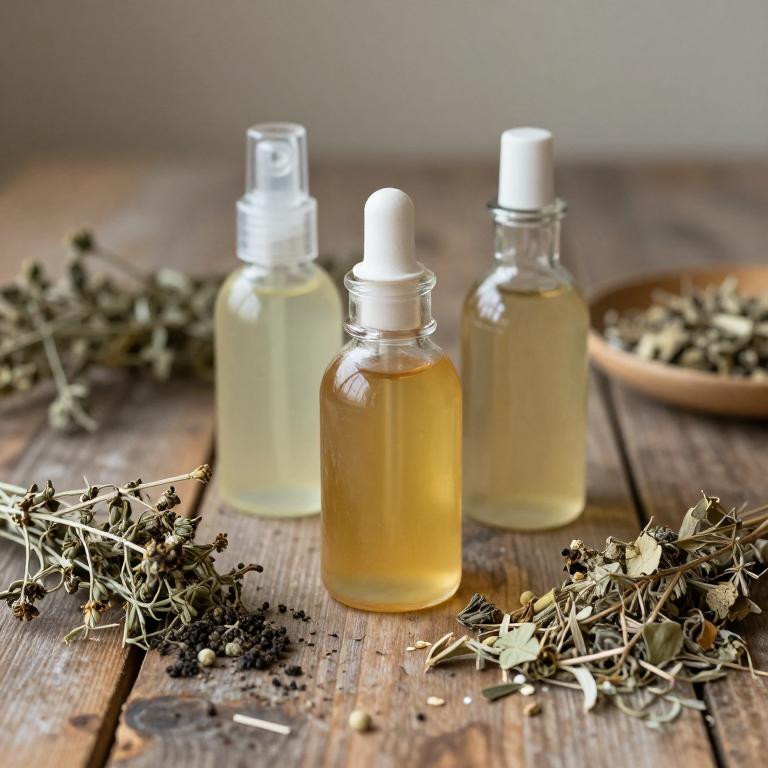
Chamomilla recutita, commonly known as German chamomile, is often used in herbal lotions to help alleviate the discomfort associated with ovulation pain, also known as mittelschmerz.
These lotions typically contain chamomile essential oil or dried chamomile flowers, which are known for their anti-inflammatory and soothing properties. When applied topically to the lower abdomen, the herbal lotion can provide localized relief by reducing muscle tension and inflammation. Many women find that regular use of chamomilla recutita lotions helps ease the cramping and pain that occurs during ovulation.
However, it is advisable to consult with a healthcare provider before using any herbal remedies, especially if you have known allergies or are pregnant.
10. Chamomile (Matricaria chamomilla)
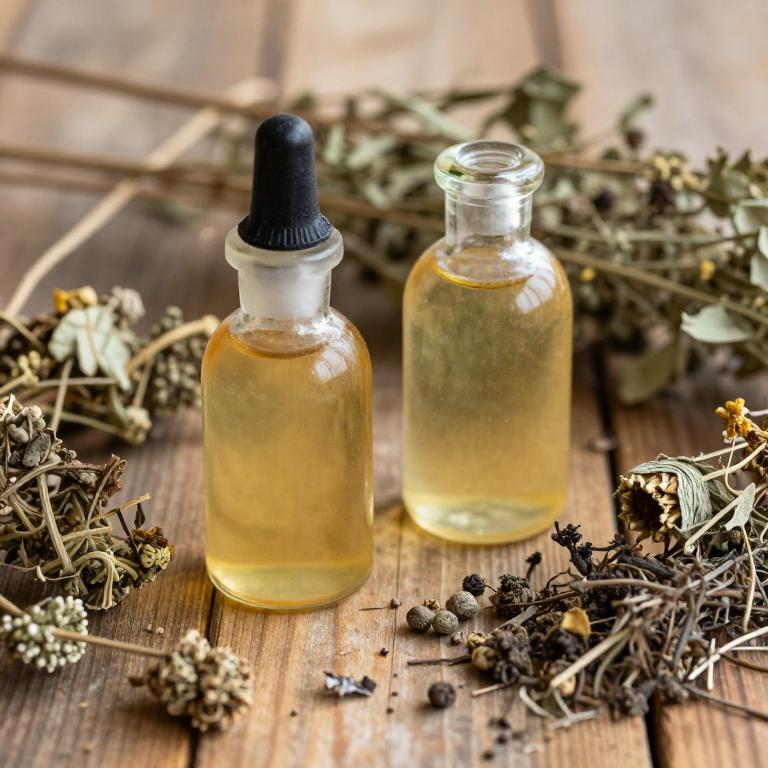
Matricaria chamomilla, commonly known as chamomile, is often used in herbal lotions to help alleviate the discomfort associated with ovulation pain due to its anti-inflammatory and soothing properties.
These lotions typically contain chamomile extract, which can help reduce inflammation and ease the cramping sensations experienced during ovulation. When applied topically to the lower abdomen, the cooling effect of chamomile may provide immediate relief and promote relaxation of the uterine muscles. While not a substitute for medical treatment, chamomile lotions are considered a natural remedy that can complement other pain management strategies.
However, individuals with allergies to ragweed or related plants should exercise caution when using chamomile-based products.