10 Best Herbal Capsules For Sour Taste In Mouth

Herbal capsules are commonly used to address a sour taste in the mouth, which can be caused by digestive issues, acid reflux, or an imbalance in gut flora.
These capsules often contain natural ingredients like ginger, licorice root, or fennel, which are known for their soothing and detoxifying properties. They work by neutralizing excess stomach acid and promoting healthy digestion, thereby reducing the unpleasant sour taste. Many herbal remedies are preferred over synthetic medications due to their gentler effects and fewer side effects.
However, it is important to consult a healthcare professional before starting any herbal treatment to ensure safety and effectiveness.
Table of Contents
- 1. Licorice (Glycyrrhiza glabra)
- 2. Ginger (Zingiber officinale)
- 3. Black pepper (Piper nigrum)
- 4. Fennel (Foeniculum vulgare)
- 5. Peppermint (Mentha piperita)
- 6. Ceylon cinnamon (Cinnamomum verum)
- 7. Cumin (Cuminum cyminum)
- 8. Echinacea (Echinacea purpurea)
- 9. Rosemary (Rosmarinus officinalis)
- 10. Salvia (Salvia officinalis)
1. Licorice (Glycyrrhiza glabra)
Glycyrrhiza glabra, commonly known as licorice root, is widely used in herbal medicine for its soothing properties.
Licorice root capsules are often taken to alleviate a sour taste in the mouth, which can be caused by digestive issues or acid reflux. The herb contains glycyrrhizin, a compound that may help neutralize stomach acid and reduce irritation in the throat and mouth. However, long-term use of licorice root can lead to side effects such as high blood pressure due to its mineralocorticoid-like effects.
It is advisable to consult a healthcare professional before using licorice root capsules, especially for prolonged periods or in individuals with pre-existing health conditions.
2. Ginger (Zingiber officinale)

Zingiber officinale, commonly known as ginger, is widely used in herbal formulations to address a sour taste in the mouth, which can be caused by digestive issues or imbalances in the body.
The active compounds in ginger, such as gingerol and shogaol, help stimulate digestion and reduce nausea, thereby alleviating the unpleasant sour taste. Herbal capsules containing zingiber officinale are convenient and easy to incorporate into daily routines for sustained relief. These capsules are often recommended in traditional medicine systems like Ayurveda and Chinese medicine for their natural and soothing properties.
Regular use of ginger herbal capsules can promote a balanced digestive system and improve overall oral comfort.
3. Black pepper (Piper nigrum)

Piper nigrum, commonly known as black pepper, is a popular herbal remedy used in traditional medicine for its potential to alleviate a sour taste in the mouth.
The active compound in black pepper, piperine, may help stimulate digestion and balance oral pH levels, which can reduce the sensation of sourness. Herbal capsules containing Piper nigrum are often used as a natural alternative to conventional remedies for digestive discomfort and oral health issues. These capsules are typically made from organic black pepper and are free from artificial additives, making them a safe option for many individuals.
However, it is advisable to consult a healthcare professional before using Piper nigrum capsules, especially for those with existing medical conditions or who are taking other medications.
4. Fennel (Foeniculum vulgare)
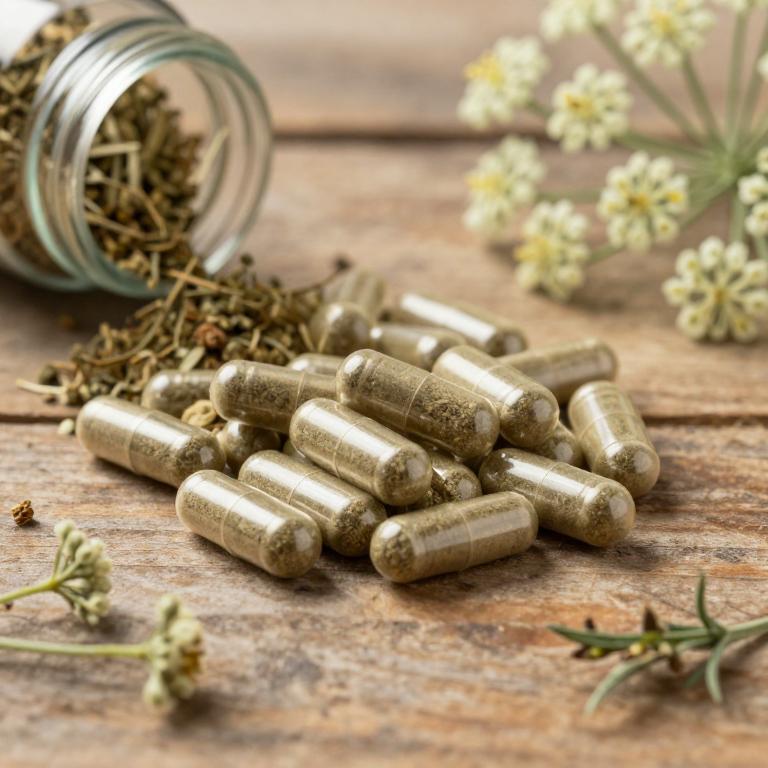
Foeniculum vulgare, commonly known as fennel, is often used in herbal capsules to address a sour taste in the mouth, a condition that may be linked to digestive or respiratory issues.
The essential oils in fennel, particularly anethol, are known for their ability to soothe the digestive system and reduce acid reflux, which can contribute to a sour or bitter taste. Herbal capsules containing fennel are typically taken in small doses, often after meals, to help neutralize stomach acid and promote proper digestion. These capsules are also believed to have antimicrobial properties that may help eliminate harmful bacteria causing oral or throat infections.
As a natural remedy, fennel capsules are often recommended for individuals seeking alternative treatments for persistent sour taste without the side effects of conventional medications.
5. Peppermint (Mentha piperita)

Mentha piperita, commonly known as peppermint, is a popular herbal remedy used in the form of capsules to alleviate a sour taste in the mouth.
The active compounds in peppermint, particularly menthol, can help soothe the oral cavity and neutralize unpleasant flavors by stimulating saliva production. These capsules are often recommended for individuals experiencing digestive discomfort, as peppermint can ease symptoms like nausea and indigestion that may contribute to a sour taste. The cooling effect of menthol also provides a refreshing sensation, making it a natural and pleasant option for oral relief.
When taken as directed, peppermint herbal capsules can offer a safe and effective solution for managing persistent sour taste without the use of synthetic medications.
6. Ceylon cinnamon (Cinnamomum verum)

Cinnamomum verum, also known as true cinnamon, is often used in herbal capsules to address a sour taste in the mouth, which can be a symptom of digestive imbalances or excess acidity.
The essential oils in cinnamon have antimicrobial and anti-inflammatory properties that may help neutralize harmful bacteria and reduce oral irritation. These capsules are typically made from the inner bark of the cinnamon tree and are used in traditional medicine to soothe the digestive system and promote a balanced oral environment. When taken regularly, they may help alleviate persistent sourness by improving digestion and reducing gastric reflux.
However, it is advisable to consult a healthcare professional before using cinnamon capsules, especially for individuals with diabetes or those taking blood-thinning medications.
7. Cumin (Cuminum cyminum)

Cuminum cyminum, commonly known as cumin, is a widely used herb that has been traditionally valued for its digestive and therapeutic properties.
Cumin herbal capsules are often used to alleviate a sour taste in the mouth, which can be caused by digestive issues or an imbalance in the body's internal environment. These capsules contain concentrated cumin seeds that are processed to enhance their potency and bioavailability. The warming and carminative properties of cumin help neutralize stomach acid and improve digestion, thereby reducing the sour taste.
Regular use of cumin capsules may support overall gastrointestinal health and promote a more balanced oral environment.
8. Echinacea (Echinacea purpurea)

Echinacea purpurea herbal capsules are commonly used for their immune-boosting properties, but some individuals may experience a sour taste in their mouth after taking them.
This sour taste is often attributed to the natural compounds present in the echinacea plant, such as sesquiterpene lactones, which can have a distinct flavor profile. While not harmful, the sour taste may be unpleasant for some users and could affect adherence to the supplement regimen. To mitigate this, some formulations include additional ingredients like licorice root or honey to balance the flavor.
It is advisable to consult a healthcare professional if the sour taste becomes bothersome or persists beyond the initial period of use.
9. Rosemary (Rosmarinus officinalis)
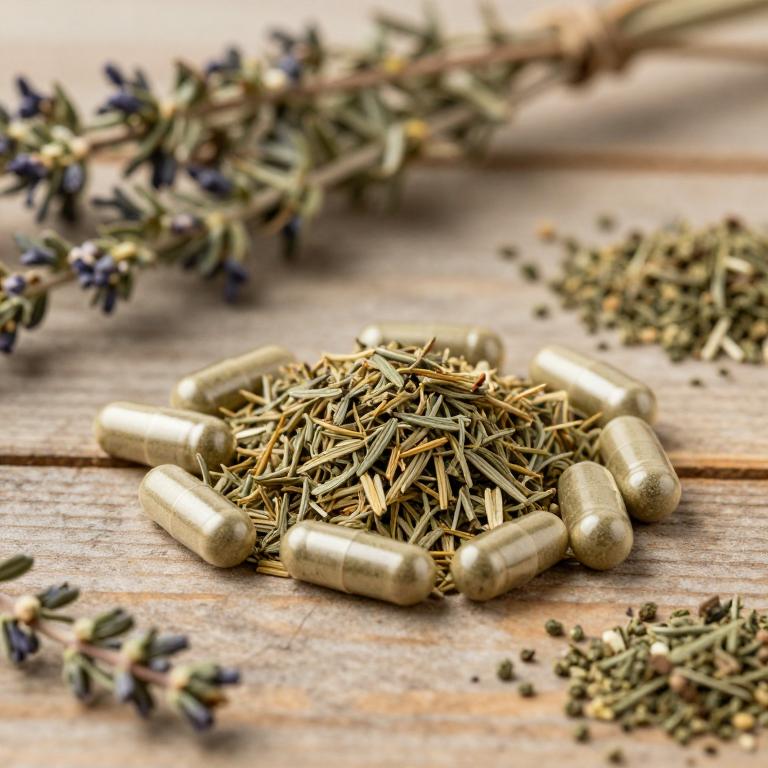
Rosmarinus officinalis, commonly known as rosemary, is a fragrant herb often used in herbal supplements to address a sour taste in the mouth.
These herbal capsules are formulated to support digestive health and may help neutralize an unpleasant sour or acidic sensation. Rosemary contains antioxidants and essential oils that can soothe the mouth and promote a more balanced taste. It is often recommended for individuals experiencing acid reflux or digestive imbalances that contribute to a sour mouth taste.
When taken as directed, rosemary capsules may offer natural relief and improve overall oral comfort.
10. Salvia (Salvia officinalis)

Salvia officinalis, commonly known as sage, is often used in herbal capsules to address a sour taste in the mouth, a condition that may be linked to digestive or hormonal imbalances.
The herb is valued for its antimicrobial and astringent properties, which can help neutralize excess acidity and reduce oral bacteria that contribute to an unpleasant taste. When taken as capsules, salvia officinalis is typically standardized to contain a specific concentration of active compounds, ensuring consistent efficacy. It is often recommended for individuals experiencing symptoms related to menopause, gastrointestinal issues, or poor oral hygiene.
However, it is important to consult a healthcare professional before use, especially for those with existing medical conditions or who are taking other medications.