10 Best Herbal Lozenges For Bitter Taste In Mouth
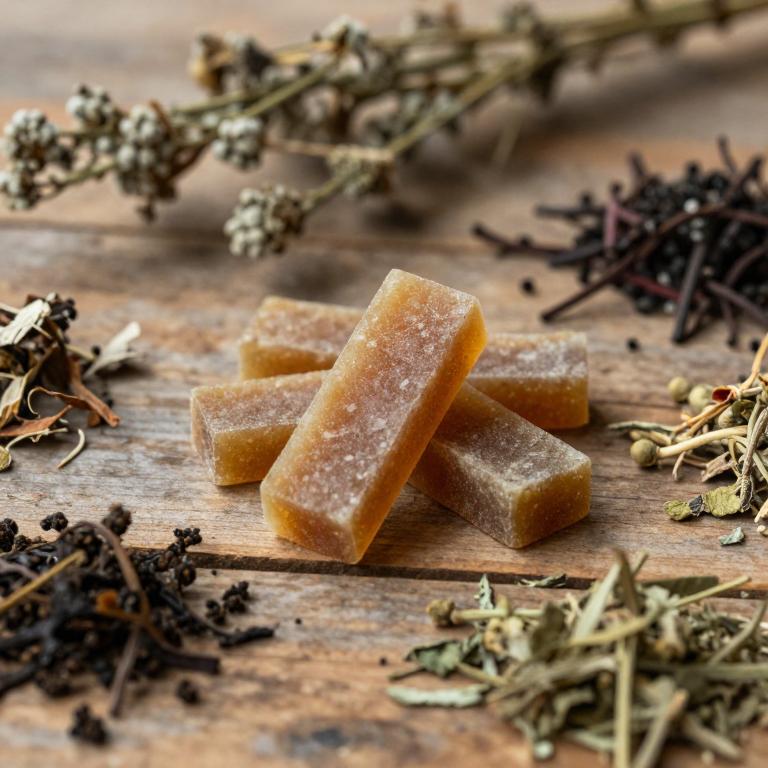
Herbal lozenges are commonly used to alleviate a bitter taste in the mouth, often caused by digestive issues, oral infections, or side effects of medications.
These lozenges typically contain natural ingredients such as ginger, licorice root, and peppermint, which help to soothe the throat and neutralize unpleasant flavors. The soothing properties of these herbs can also stimulate saliva production, which further helps in washing away the bitter taste. Many herbal lozenges are free from artificial additives, making them a preferred choice for individuals seeking natural remedies.
Regular use of these lozenges can provide relief and improve overall oral comfort.
Table of Contents
- 1. Peppermint (Mentha piperita)
- 2. Salvia (Salvia officinalis)
- 3. Licorice (Glycyrrhiza glabra)
- 4. Fennel (Foeniculum vulgare)
- 5. Ginger (Zingiber officinale)
- 6. Rosemary (Rosmarinus officinalis)
- 7. Black pepper (Piper nigrum)
- 8. Echinacea (Echinacea purpurea)
- 9. Oregano (Origanum vulgare)
- 10. Cumin (Cuminum cyminum)
1. Peppermint (Mentha piperita)
Mentha piperita, commonly known as peppermint, is a popular herbal ingredient used in lozenges to alleviate a bitter taste in the mouth.
These lozenges work by stimulating saliva production, which helps to neutralize and wash away the bitter compounds. The cooling and refreshing effect of peppermint also provides a pleasant sensory experience that can mask unpleasant tastes. Peppermint lozenges are often recommended for individuals experiencing bitterness due to digestive issues or mouth ulcers.
Their natural properties make them a safe and effective alternative to synthetic flavoring agents for those seeking herbal remedies.
2. Salvia (Salvia officinalis)
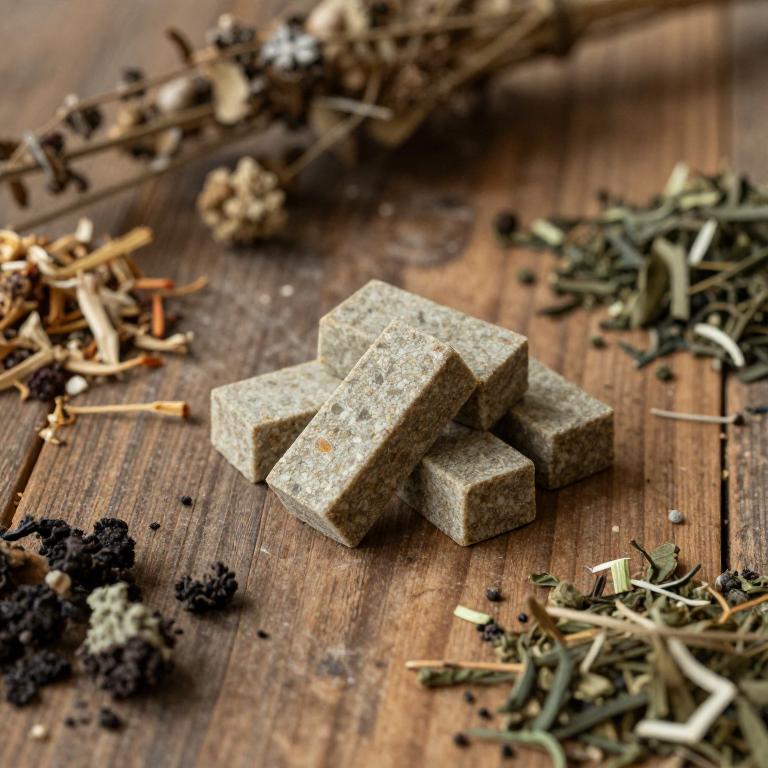
Salvia officinalis, commonly known as sage, is a popular herb used in the formulation of herbal lozenges to address a bitter taste in the mouth.
These lozenges are designed to soothe irritation and neutralize unpleasant flavors by leveraging the natural properties of sage, which contains compounds like thujone and rosmarinic acid. The bitterness often associated with sage can be mitigated through careful formulation, ensuring the lozenges provide a pleasant taste while delivering therapeutic benefits. Sage lozenges are often recommended for individuals experiencing oral discomfort, dry mouth, or postnasal drip, as they can help reduce inflammation and promote a sense of freshness.
Overall, salvia officinalis herbal lozenges offer a natural and effective solution for managing a bitter taste, enhancing oral comfort and improving overall well-being.
3. Licorice (Glycyrrhiza glabra)
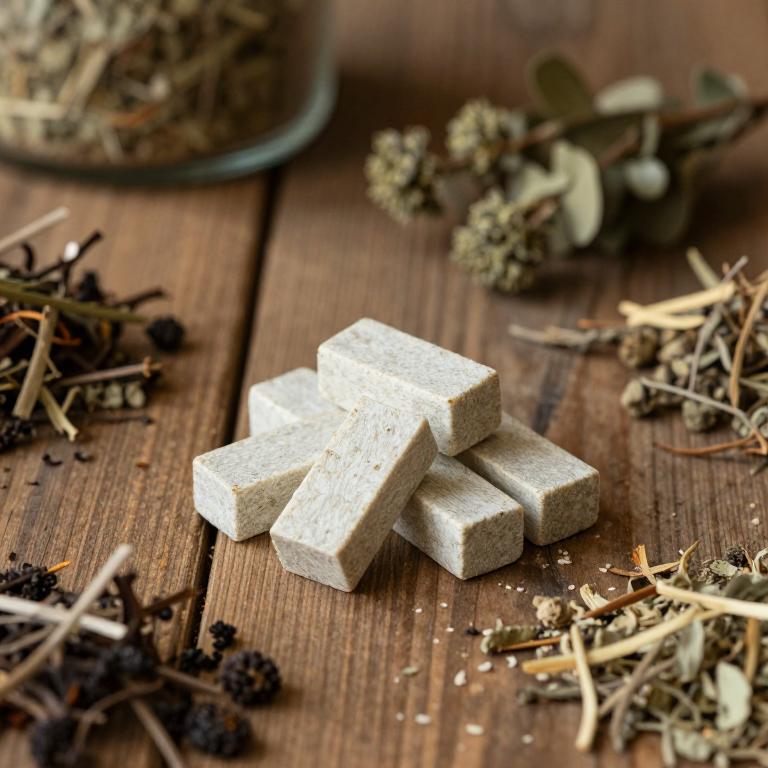
Glycyrrhiza glabra, commonly known as licorice root, is widely used in herbal lozenges to address a bitter taste in the mouth.
These lozenges are formulated to soothe the throat and reduce inflammation, making them popular for relieving soreness and discomfort. The active compound in licorice root, glycyrrhizin, has natural demulcent properties that coat the mouth and neutralize unpleasant tastes. Additionally, licorice root has mild expectorant effects, which can help clear mucus and improve overall oral comfort.
When used as a herbal lozenge, glycyrrhiza glabra offers a natural and effective solution for managing a persistent bitter taste.
4. Fennel (Foeniculum vulgare)
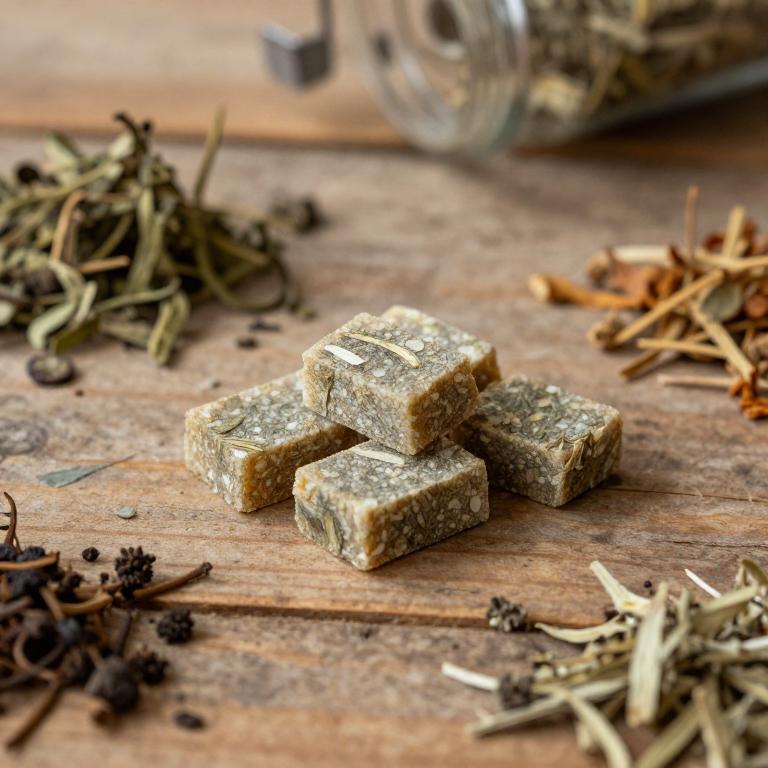
Foeniculum vulgare, commonly known as fennel, is often used in herbal lozenges to address a bitter taste in the mouth.
These lozenges are formulated with the essential oils and compounds found in fennel seeds, which are known for their mild licorice-like flavor and digestive benefits. The bitter taste in the mouth can be caused by various factors, including digestive issues, poor oral hygiene, or certain medications, and fennel lozenges may help alleviate this discomfort. By stimulating saliva production and neutralizing oral bacteria, fennel lozenges can improve oral freshness and reduce unpleasant tastes.
Additionally, the natural properties of fennel make it a popular choice for those seeking a natural remedy for persistent bitterness in the mouth.
5. Ginger (Zingiber officinale)
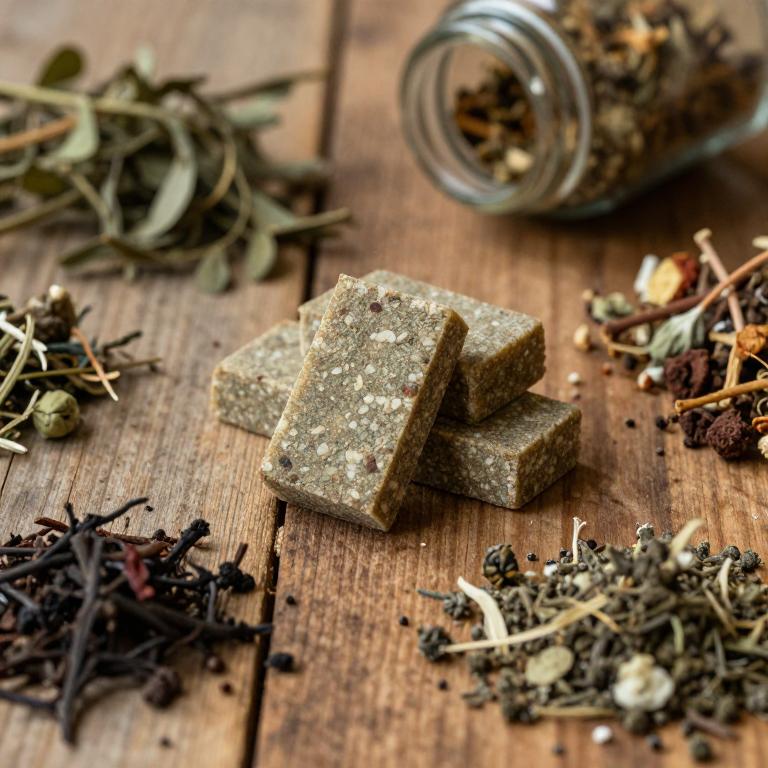
Zingiber officinale, commonly known as ginger, is a popular herbal ingredient used in lozenges to address a bitter taste in the mouth.
These lozenges work by stimulating saliva production, which helps to neutralize and wash away the bitter compounds. The active compounds in ginger, such as gingerol and shogaol, have natural anti-inflammatory and digestive properties that can soothe oral discomfort. Regular use of ginger lozenges may help reduce the lingering bitterness caused by certain foods, medications, or digestive issues.
They are generally safe for most adults and can be a natural alternative to conventional mouthwashes or antacid treatments.
6. Rosemary (Rosmarinus officinalis)
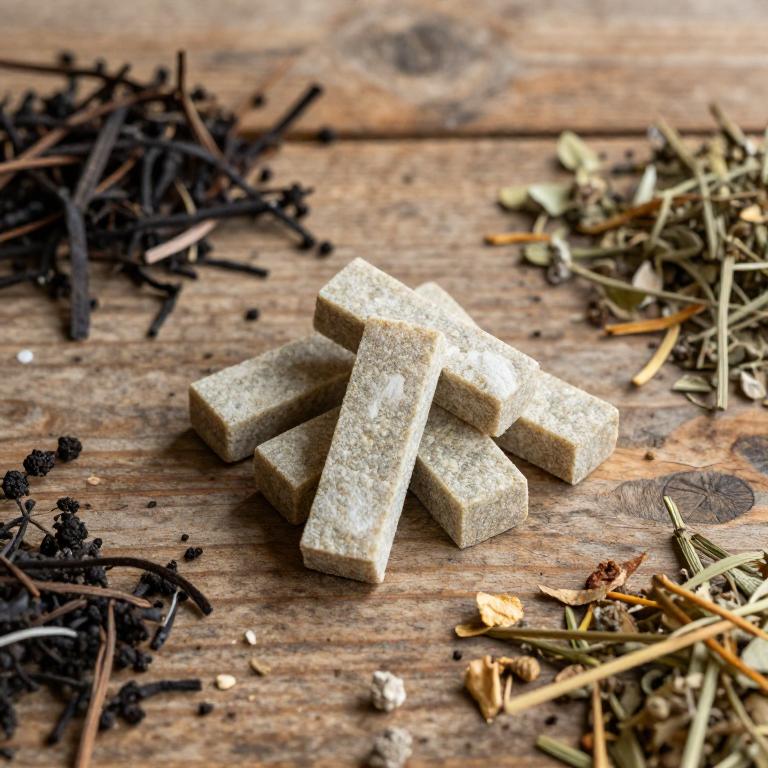
Rosmarinus officinalis, commonly known as rosemary, is a herbal ingredient often used in lozenges to address a bitter taste in the mouth.
These lozenges are formulated with rosemary essential oil, which is known for its aromatic and antioxidant properties. The bitter taste can be a result of various factors, such as digestive issues, mouth infections, or side effects of medications. By incorporating rosemary, these lozenges help neutralize unpleasant flavors and promote a fresher, more pleasant mouth sensation.
Additionally, rosemary has been traditionally used to support oral health and may help soothe irritated tissues in the mouth.
7. Black pepper (Piper nigrum)
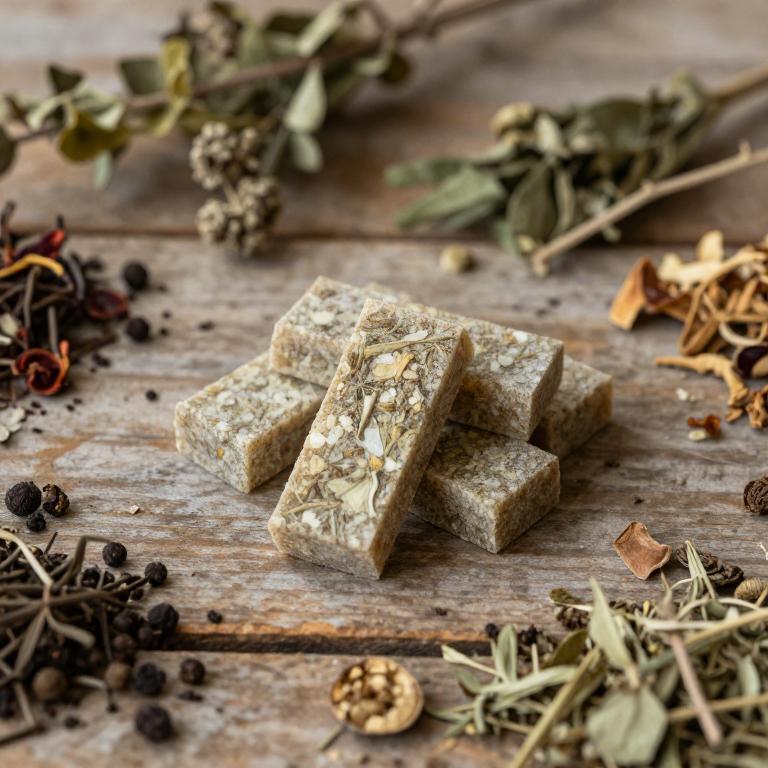
Piper nigrum, commonly known as black pepper, is often used in herbal lozenges to address a bitter taste in the mouth.
These lozenges harness the natural pungency of black pepper, which can help stimulate saliva production and neutralize unpleasant flavors. The active compound, piperine, is believed to enhance the sense of taste and may counteract bitterness by balancing the oral environment. Herbal lozenges containing Piper nigrum are typically used as a natural remedy for digestive discomfort or post-meal bitterness.
They offer a safe and effective alternative for those seeking to alleviate a persistent bitter taste without the use of synthetic medications.
8. Echinacea (Echinacea purpurea)
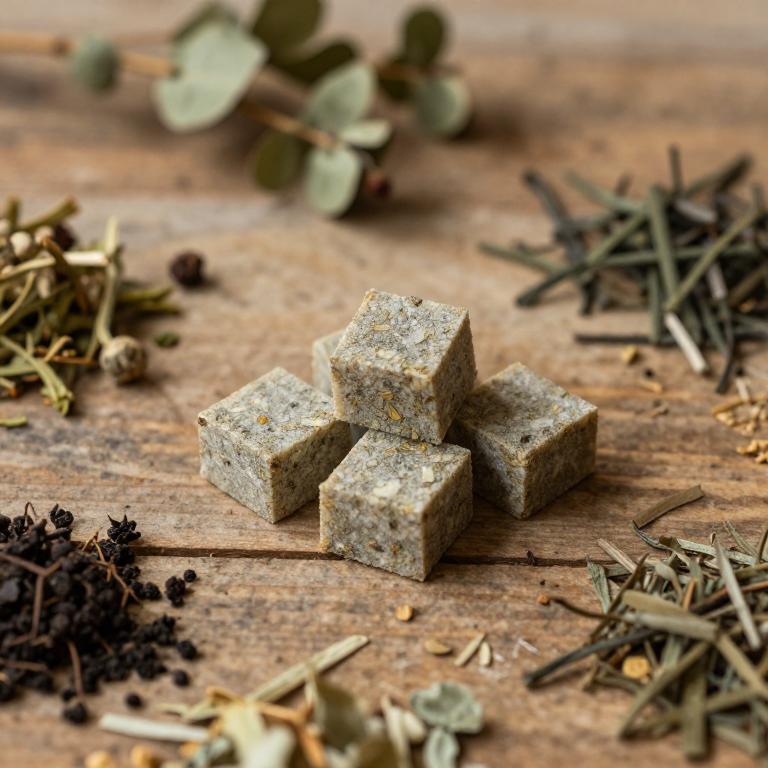
Echinacea purpurea herbal lozenges are formulated to help alleviate a bitter taste in the mouth, often associated with infections or digestive issues.
These lozenges contain the root and flower of the echinacea plant, which is known for its immune-boosting properties. The bitter taste may be due to the presence of compounds like alkamides and polysaccharides, which are naturally present in echinacea. While some users may find the taste unpleasant at first, the bitterness is generally considered a sign of the herb's potency.
To make the experience more palatable, some lozenges include additional flavorings or are designed to dissolve slowly, minimizing the intensity of the bitter flavor.
9. Oregano (Origanum vulgare)
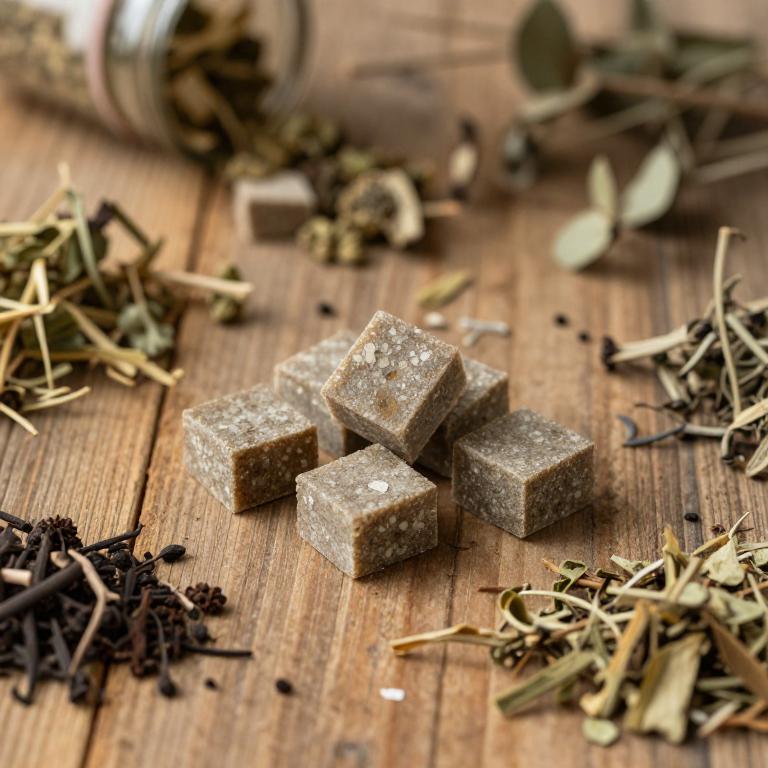
Origanum vulgare, commonly known as oregano, is a popular herb used in the formulation of herbal lozenges to address a bitter taste in the mouth.
These lozenges are often made by infusing dried oregano leaves in a sugar or honey base, allowing the aromatic and slightly spicy properties of the herb to soothe the oral cavity. The bitterness associated with oregano is typically mild and can help stimulate saliva production, which may help neutralize unpleasant tastes. Additionally, oregano contains compounds like thymol and carvacrol, which possess antimicrobial properties that may contribute to oral hygiene.
When used in lozenge form, Origanum vulgare offers a natural and effective way to manage a bitter taste while also providing potential therapeutic benefits for the mouth and throat.
10. Cumin (Cuminum cyminum)
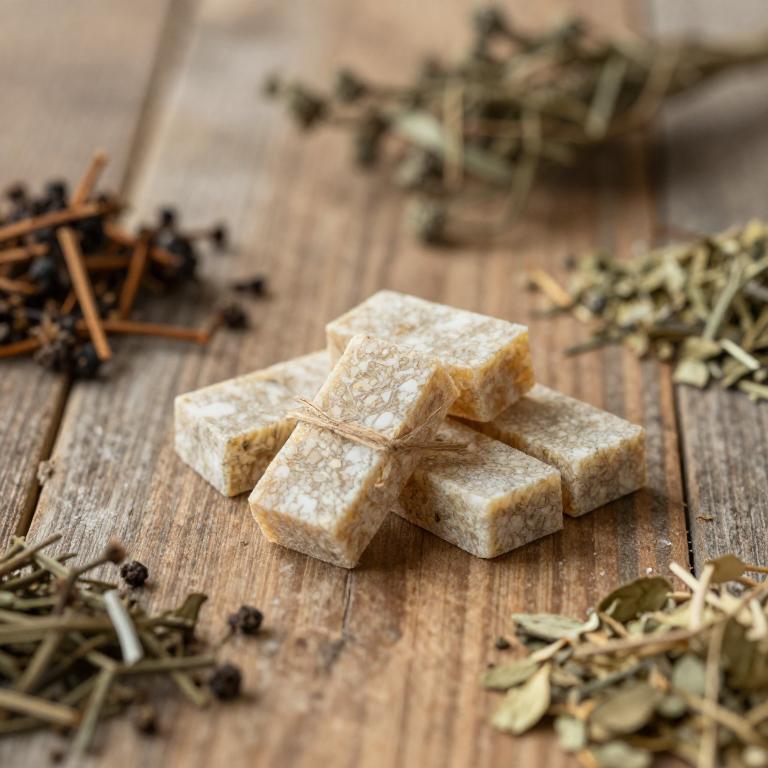
Cuminum cyminum, commonly known as cumin, is often used in herbal lozenges to address a bitter taste in the mouth.
These lozenges are formulated with cumin seeds, which have natural digestive and antimicrobial properties that can help reduce unpleasant oral sensations. The aromatic compounds in cumin may stimulate saliva production, aiding in the neutralization of bitter flavors. By incorporating cumin into lozenge form, the herb's benefits can be delivered in a convenient and palatable manner.
Regular use of cuminum cyminum herbal lozenges may provide relief from persistent bitterness, supporting overall oral comfort and digestive health.