10 Best Herbal Lotions For Bitter Taste In Mouth
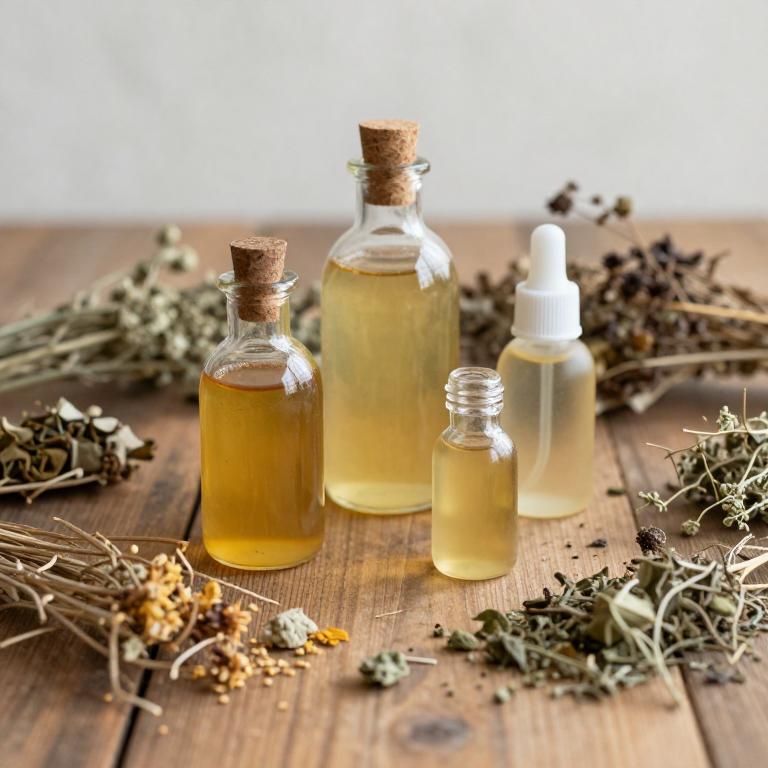
Herbal lotions are natural remedies often used to address a bitter taste in the mouth, which can be caused by digestive issues, poor oral hygiene, or dietary factors.
These lotions typically contain ingredients like mint, licorice root, and fennel, which are known for their soothing and anti-inflammatory properties. They work by calming the digestive system and reducing the buildup of toxins that may contribute to a bitter taste. Applying these lotions to the mouth or consuming them as herbal teas can help neutralize the bitterness and promote a more pleasant oral sensation.
Regular use of herbal lotions may also support overall digestive health and prevent recurring bitter taste issues.
Table of Contents
- 1. Peppermint (Mentha piperita)
- 2. Licorice (Glycyrrhiza glabra)
- 3. Fennel (Foeniculum vulgare)
- 4. Rosemary (Rosmarinus officinalis)
- 5. Ginger (Zingiber officinale)
- 6. Cumin (Cuminum cyminum)
- 7. Salvia (Salvia officinalis)
- 8. Black pepper (Piper nigrum)
- 9. English lavender (Lavandula angustifolia)
- 10. Thyme (Thymus vulgaris)
1. Peppermint (Mentha piperita)
Mentha piperita, commonly known as peppermint, is often used in herbal lotions to alleviate a bitter taste in the mouth.
These lotions typically contain essential oils derived from fresh or dried peppermint leaves, which have cooling and refreshing properties. The menthol in peppermint helps stimulate saliva production, which can help wash away the bitter compounds in the mouth. Additionally, the aromatic nature of peppermint can mask unpleasant tastes and provide a sense of relief.
As a natural remedy, mentha piperita herbal lotions are popular for their soothing effect on the oral cavity and their ability to freshen the breath.
2. Licorice (Glycyrrhiza glabra)
Glycyrrhiza glabra, commonly known as licorice root, is often used in herbal lotions to address a bitter taste in the mouth.
The active compounds in licorice, such as glycyrrhizin and flavonoids, have soothing and anti-inflammatory properties that can help reduce irritation and discomfort in the oral cavity. When incorporated into herbal lotions, these formulations may provide a cooling and mild sweetening effect, which can counteract the perception of bitterness. However, excessive use of licorice-based products may lead to side effects like hypertension due to its effects on sodium and potassium balance.
Therefore, it is advisable to use licorice herbal lotions under the guidance of a healthcare professional for safe and effective results.
3. Fennel (Foeniculum vulgare)
Foeniculum vulgare, commonly known as fennel, is often used in herbal lotions to address the issue of a bitter taste in the mouth.
These lotions are typically prepared by infusing fennel seeds or leaves in a carrier oil or alcohol, allowing the active compounds to be absorbed through the skin. The essential oils in fennel, such as anethol, are believed to have digestive and anti-inflammatory properties that may help reduce the lingering bitter taste. Using fennel herbal lotions can provide a natural alternative for those seeking relief without strong medicinal side effects.
However, it is important to consult a healthcare professional before using these lotions, especially for prolonged or chronic bitterness.
4. Rosemary (Rosmarinus officinalis)
Rosmarinus officinalis, commonly known as rosemary, is often used in herbal lotions for its aromatic and therapeutic properties.
These lotions are particularly valued for their ability to alleviate a bitter taste in the mouth, a condition that can result from poor digestion, mouth breathing, or certain medications. The essential oils in rosemary, such as rosmarinic acid and cineole, help to stimulate saliva production and neutralize unpleasant oral sensations. Regular use of rosemary herbal lotions can promote oral freshness and improve the overall sense of taste.
Additionally, these lotions may support digestive health, which can indirectly reduce the occurrence of a bitter taste in the mouth.
5. Ginger (Zingiber officinale)
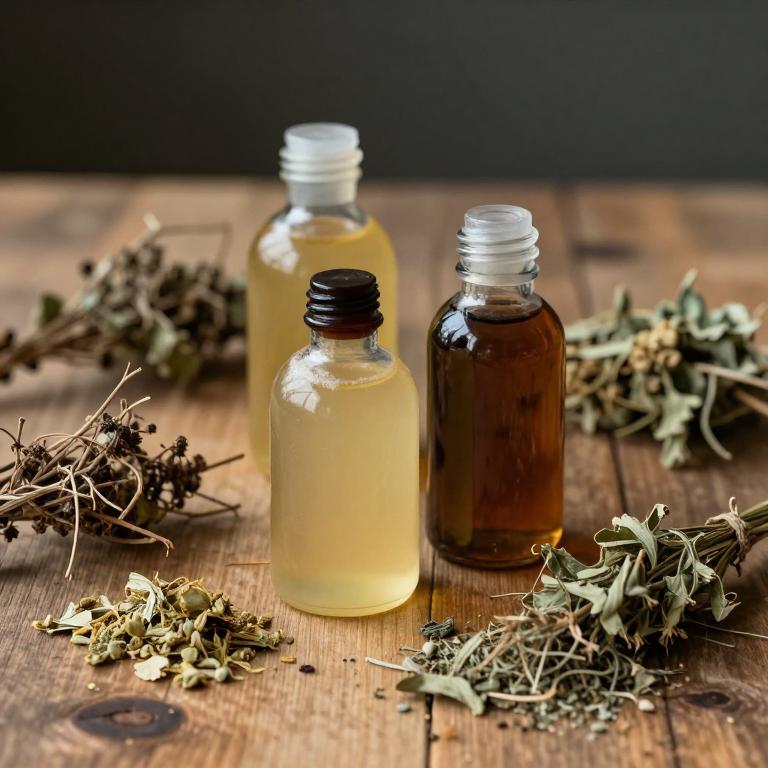
Zingiber officinale, commonly known as ginger, is often used in herbal lotions to address a bitter taste in the mouth.
These lotions typically contain extracts or essential oils of fresh or dried ginger root, which are known for their warming and digestive properties. The active compounds in ginger, such as gingerol and shogaol, can help soothe the palate and reduce the sensation of bitterness by stimulating saliva production and improving oral digestion. When applied topically or used in oral rinses, ginger-based lotions may offer a natural remedy for lingering bitter tastes after meals or due to certain health conditions.
However, it is important to consult a healthcare professional before using such products, especially for prolonged or severe cases of bitter taste.
6. Cumin (Cuminum cyminum)
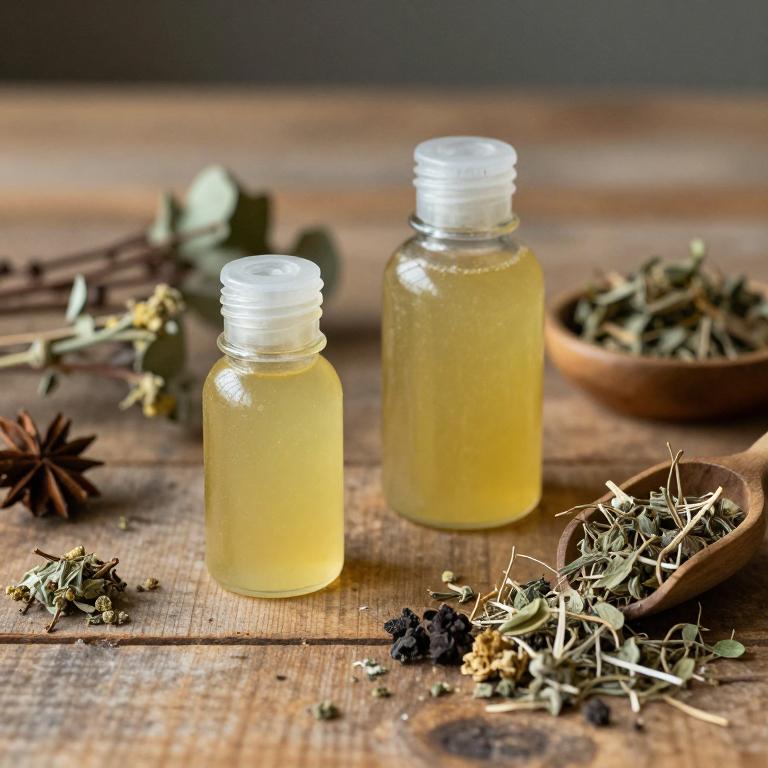
Cuminum cyminum, commonly known as cumin, is often used in herbal lotions to address a bitter taste in the mouth.
These lotions are typically prepared by infusing cumin seeds in a base of carrier oils or distilled water, allowing the essential oils and phytochemicals to be absorbed for their therapeutic effects. The aromatic compounds in cumin, such as cuminaldehyde and limonene, are believed to stimulate saliva production and neutralize oral bacteria that contribute to a bitter taste. By promoting digestive health and reducing oral discomfort, cumin-based lotions may help alleviate persistent bitterness.
However, it is important to consult a healthcare professional before using such remedies, especially for prolonged or severe cases.
7. Salvia (Salvia officinalis)
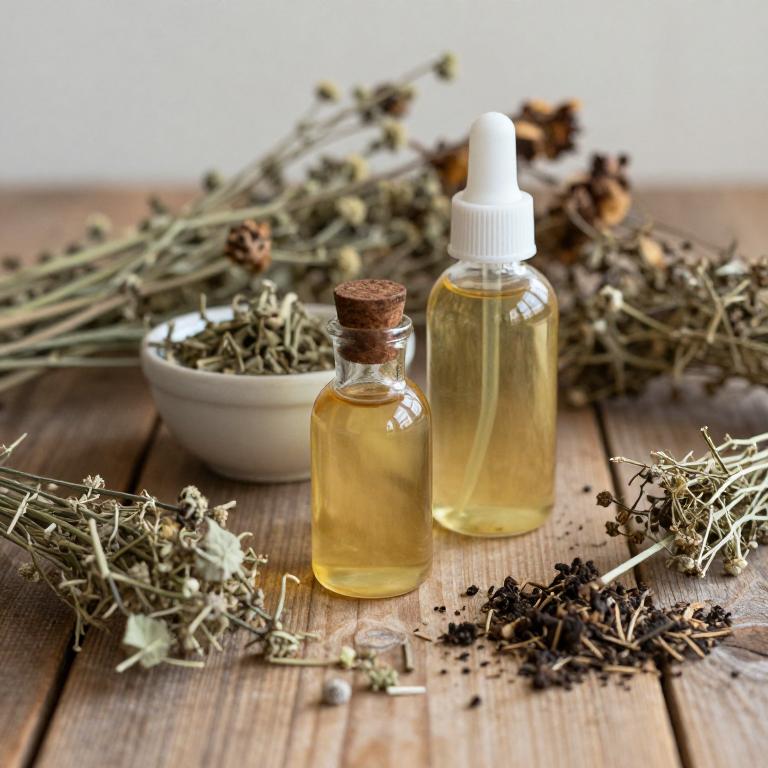
Salvia officinalis, commonly known as sage, is often used in herbal lotions to address a bitter taste in the mouth.
These lotions are typically infused with dried sage leaves, which are known for their antimicrobial and astringent properties. The bitter taste may be a result of oral infections, excessive saliva, or poor dental hygiene, and sage helps to neutralize these causes. When applied topically, the lotion can soothe inflamed tissues and reduce the unpleasant sensation.
However, it is important to consult a healthcare professional before using sage-based products, especially for prolonged periods or in individuals with certain medical conditions.
8. Black pepper (Piper nigrum)
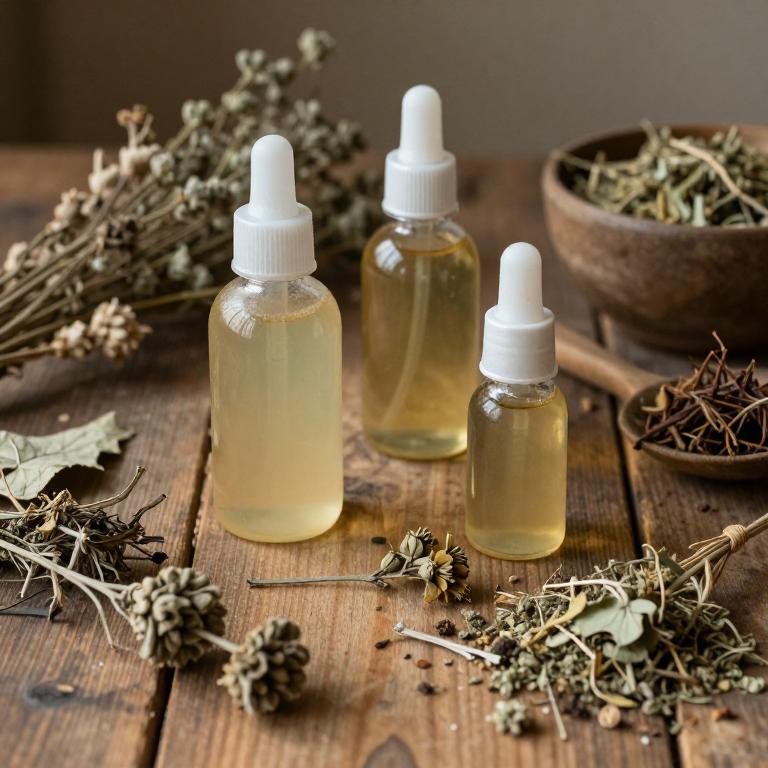
Piper nigrum, commonly known as black pepper, is often used in herbal lotions to address a bitter taste in the mouth.
The active compound in black pepper, piperine, is believed to stimulate saliva production and aid in the digestion of food, which can help alleviate a lingering bitter sensation. These herbal lotions are typically applied topically to the lips or throat area to provide a soothing effect. They are often used in traditional medicine to balance the digestive system and reduce the discomfort caused by an unpleasant taste.
However, it is important to consult a healthcare professional before using such remedies, especially if the bitter taste persists or is accompanied by other symptoms.
9. English lavender (Lavandula angustifolia)
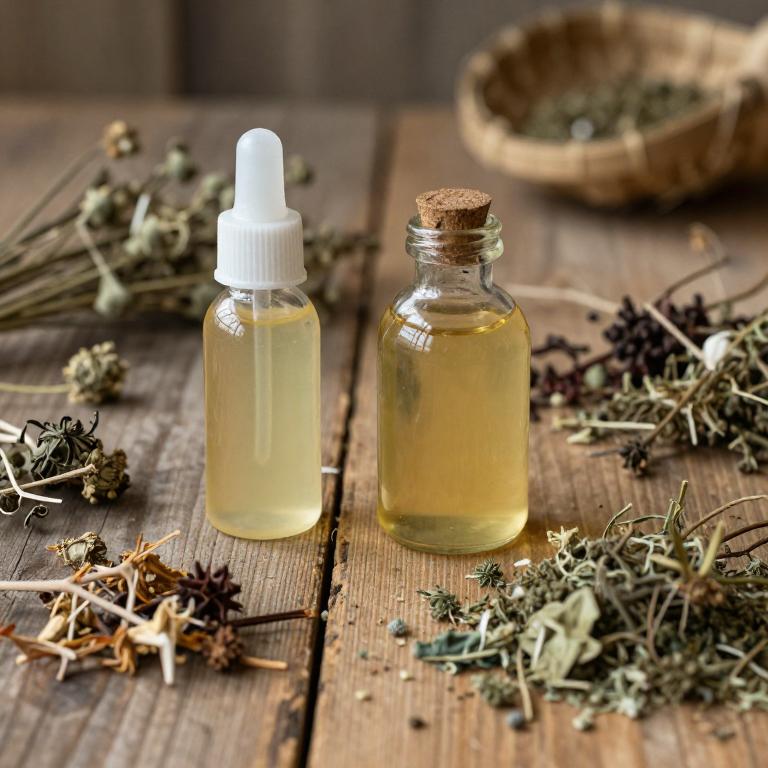
Lavandula angustifolia, commonly known as English lavender, is often used in herbal lotions for its calming and soothing properties.
These lotions are typically infused with lavender essential oil, which has a naturally sweet and floral aroma that can help mask a bitter taste in the mouth. The cooling effect of lavender may also provide a refreshing sensation that counteracts bitterness, making it popular in oral care products. Additionally, lavender's anti-inflammatory and antiseptic qualities can support oral health, further contributing to a more pleasant taste.
As a natural remedy, lavender-based lotions offer a gentle and aromatic solution for those experiencing persistent bitterness in the mouth.
10. Thyme (Thymus vulgaris)
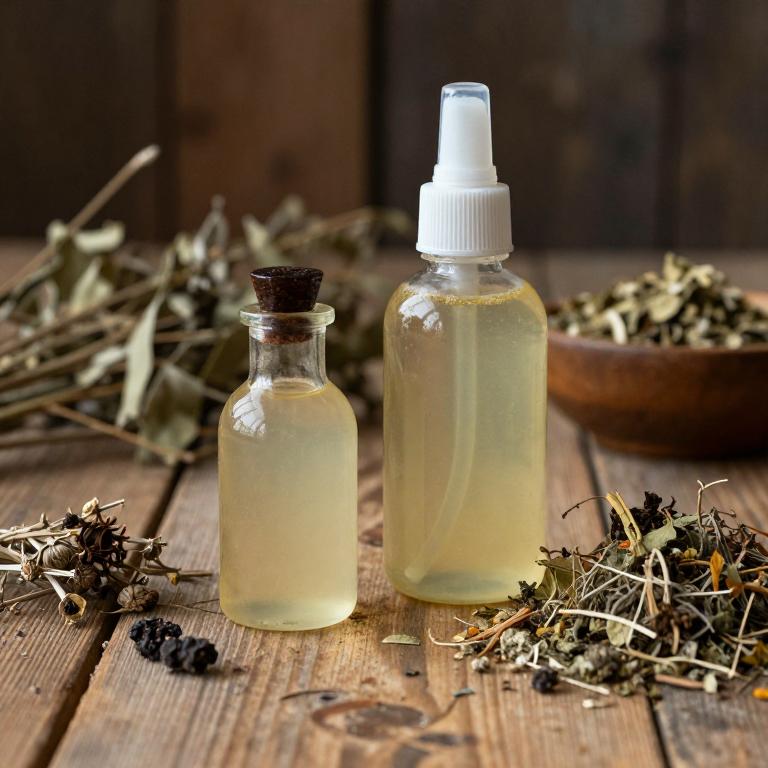
Thymus vulgaris, commonly known as thyme, is often used in herbal lotions for its aromatic and therapeutic properties.
These lotions are traditionally prepared by infusing thyme oil into a base of water or alcohol, creating a soothing and refreshing application. While thymus vulgaris is primarily known for its respiratory benefits, some users report a slight bitter taste in the mouth after applying the lotion, which is a natural consequence of the herb's strong essential oils. The bitterness is generally not harmful and may indicate the presence of active compounds that contribute to the lotion's efficacy.
To minimize the bitter aftertaste, it is recommended to dilute the lotion further or apply it to the skin rather than the mucous membranes.