10 Best Herbal Lozenges For Morning Sickness
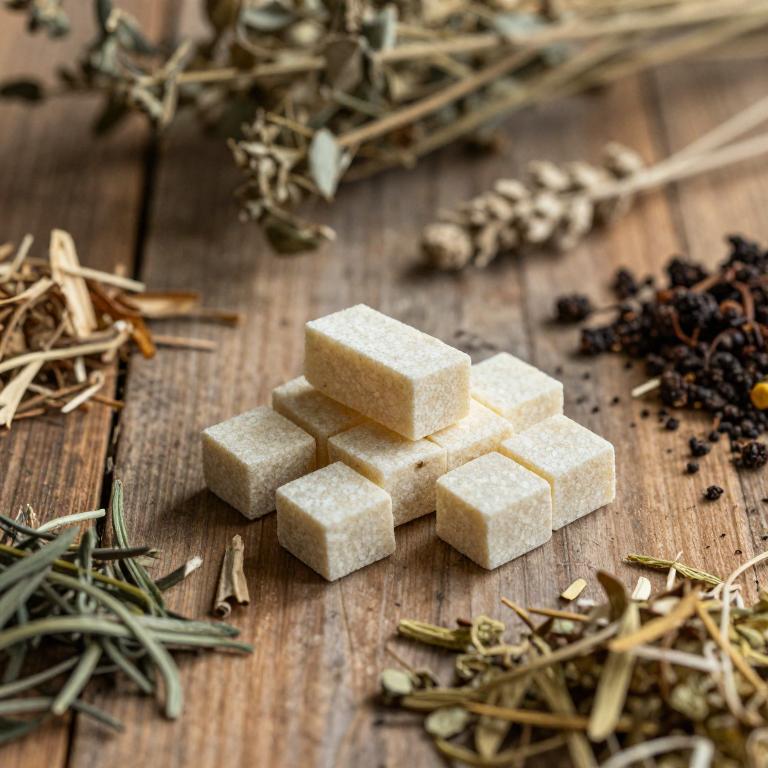
Herbal lozenges are a popular natural remedy for managing morning sickness during pregnancy, offering a gentle alternative to conventional medications.
These lozenges typically contain a blend of herbs such as ginger, peppermint, and licorice root, which are known for their soothing and anti-nausea properties. They work by calming the digestive system and reducing the sensation of nausea, making them easier to swallow and more comfortable for pregnant women. Many herbal lozenges are formulated to be safe for use during pregnancy, though it is always advisable to consult with a healthcare provider before starting any new supplement.
Their convenient form makes them an accessible option for frequent use throughout the day.
Table of Contents
- 1. Chamomile (Matricaria chamomilla)
- 2. Ginger (Zingiber officinale)
- 3. Chaste tree (Vitex agnus-castus)
- 4. Fennel (Foeniculum vulgare)
- 5. Cumin (Cuminum cyminum)
- 6. Anise (Pimpinella anisum)
- 7. Dog rose (Rosa canina)
- 8. Black cumin (Nigella sativa)
- 9. Ceylon cinnamon (Cinnamomum zeylanicum)
- 10. Ceylon cinnamon (Cinnamomum verum)
1. Chamomile (Matricaria chamomilla)
Matricaria chamomilla, commonly known as chamomile, is a widely used herbal remedy for its calming and soothing properties.
Chamomile lozenges are often recommended for alleviating the symptoms of morning sickness during pregnancy, as they can help ease nausea and promote a sense of well-being. These lozenges are typically made from dried chamomile flowers and are safe for use during pregnancy when recommended by a healthcare provider. The gentle aroma and mild taste of chamomile make it an appealing option for expectant mothers seeking natural relief.
While they are not a cure for morning sickness, chamomile lozenges can provide comfort and support during this challenging time.
2. Ginger (Zingiber officinale)
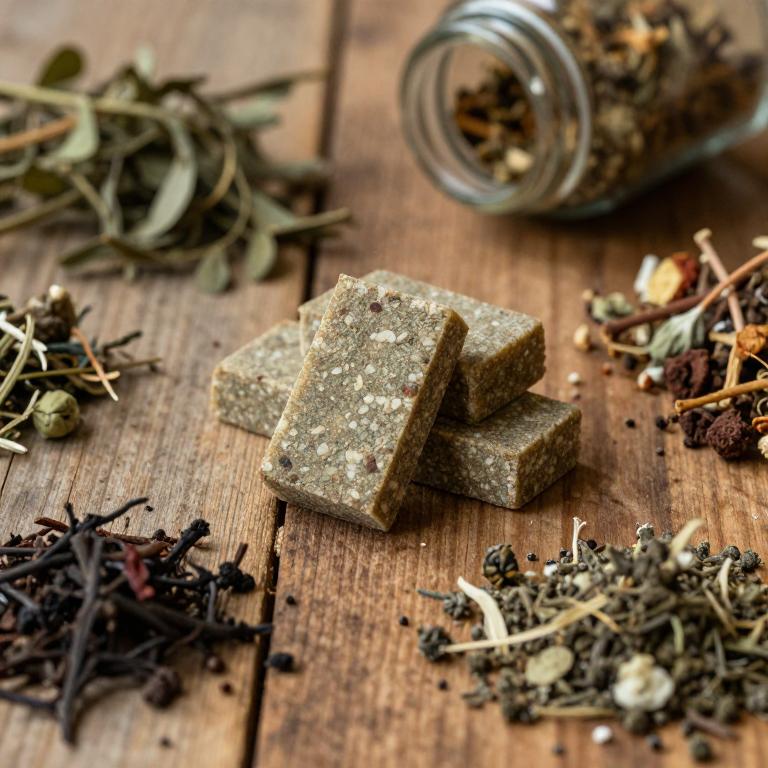
Zingiber officinale, commonly known as ginger, has been widely recognized for its ability to alleviate symptoms of morning sickness during pregnancy.
Herbal lozenges made from ginger are a natural and safe alternative for expectant mothers seeking relief from nausea and vomiting. These lozenges work by soothing the digestive system and reducing the sensation of queasiness through their warming and antiemetic properties. They are convenient to use, easy to carry, and can be taken throughout the day as needed.
Many healthcare providers recommend ginger lozenges as a gentle and effective way to manage morning sickness without the use of pharmaceutical medications.
3. Chaste tree (Vitex agnus-castus)
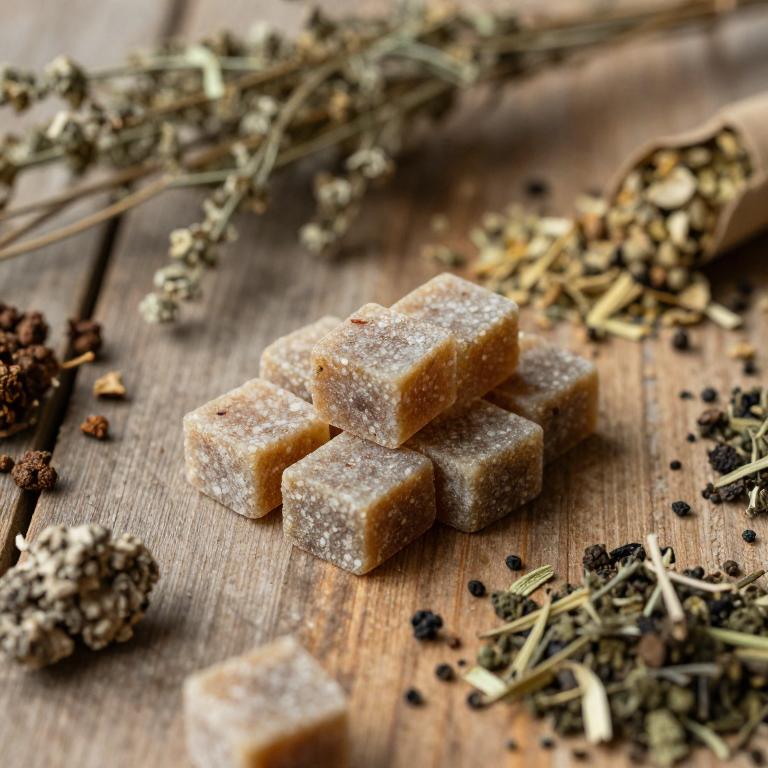
Vitex agnus-castus, commonly known as chasteberry, has been traditionally used to support hormonal balance and may help alleviate symptoms of morning sickness during pregnancy.
Herbal lozenges containing vitex agnus-castus are formulated to provide a convenient and targeted way to ingest the herb, making them a popular choice for expectant mothers. These lozenges are typically made with natural ingredients and are free from synthetic additives, making them a safe option for many women. While research on their effectiveness for morning sickness is limited, some studies suggest that vitex may help regulate estrogen levels, which can reduce nausea and vomiting.
As with any herbal remedy, it is advisable to consult a healthcare provider before use, especially during pregnancy, to ensure safety and appropriateness for individual health needs.
4. Fennel (Foeniculum vulgare)
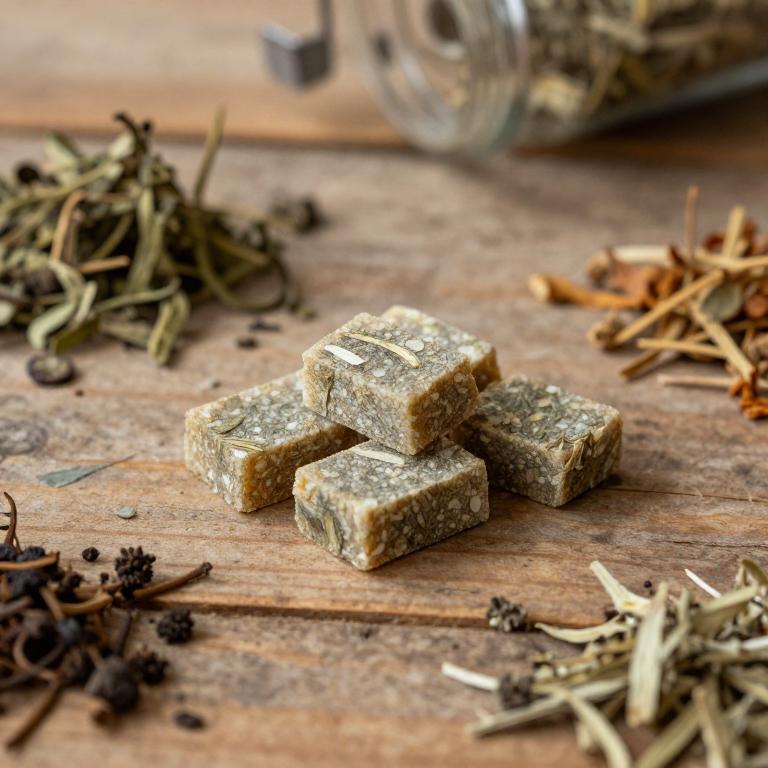
Foeniculum vulgare, commonly known as fennel, is a herbal remedy often used in the form of lozenges to alleviate symptoms of morning sickness during pregnancy.
These lozenges are made from the dried seeds of the fennel plant, which contain compounds like anethole that have carminative and antispasmodic properties. When dissolved in the mouth, the lozenges can help ease nausea and soothe the digestive system, making them a gentle and natural option for pregnant women experiencing morning sickness. They are typically safe for use during pregnancy when taken in recommended doses, though it is always advisable to consult with a healthcare provider before starting any herbal remedy.
Fennel lozenges are often preferred for their mild flavor and ease of consumption, offering a convenient way to manage morning sickness symptoms throughout the day.
5. Cumin (Cuminum cyminum)
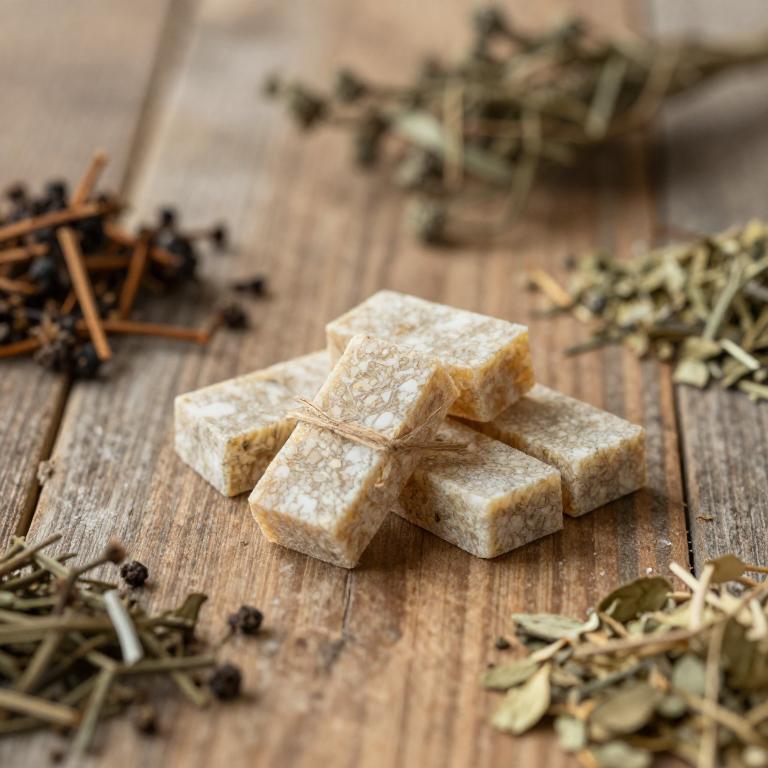
Cuminum cyminum, commonly known as cumin, is a herbal remedy that has been traditionally used to alleviate symptoms of morning sickness during pregnancy.
Cumin herbal lozenges are formulated to provide a soothing effect on the throat while offering potential relief from nausea and vomiting. These lozenges are often made with natural ingredients, making them a safe alternative for expectant mothers seeking non-pharmacological solutions. The aromatic properties of cumin are believed to help ease digestive discomfort and reduce the sensation of nausea.
When used as directed, cumin cyminum lozenges can be a gentle and effective support for managing morning sickness symptoms throughout the early stages of pregnancy.
6. Anise (Pimpinella anisum)
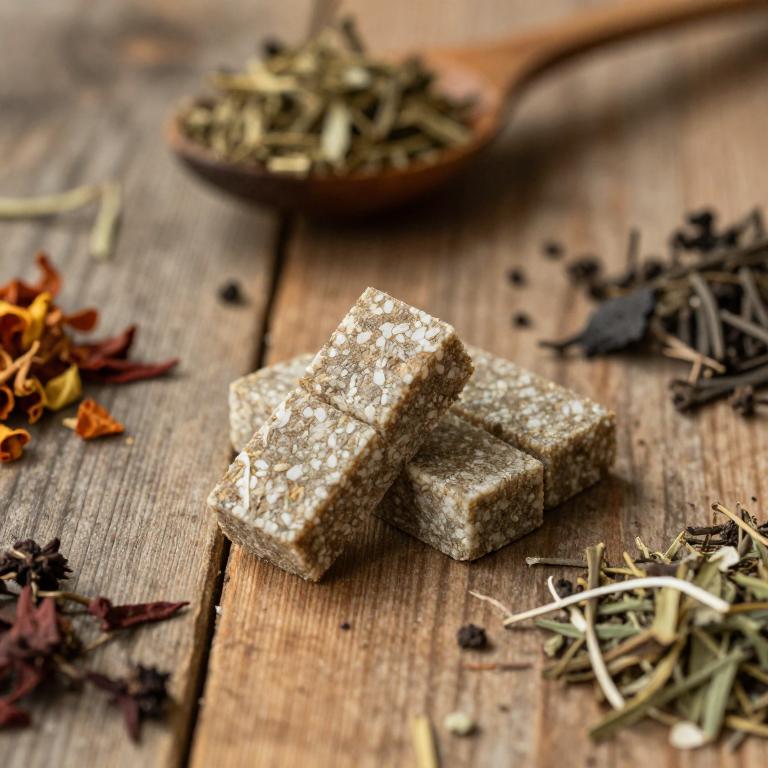
Pimpinella anisum, commonly known as anise, is a herbal remedy often used to alleviate symptoms of morning sickness during pregnancy.
Anise-based herbal lozenges are formulated to provide a soothing effect on the throat and may help ease nausea and vomiting associated with early pregnancy. These lozenges are typically made from natural ingredients, making them a safer alternative for expectant mothers seeking non-pharmacological relief. The aromatic compounds in anise are believed to have a calming effect on the digestive system, which can help reduce the frequency and intensity of nausea.
However, it is important to consult with a healthcare provider before using any herbal supplements during pregnancy to ensure safety and appropriateness for individual health conditions.
7. Dog rose (Rosa canina)
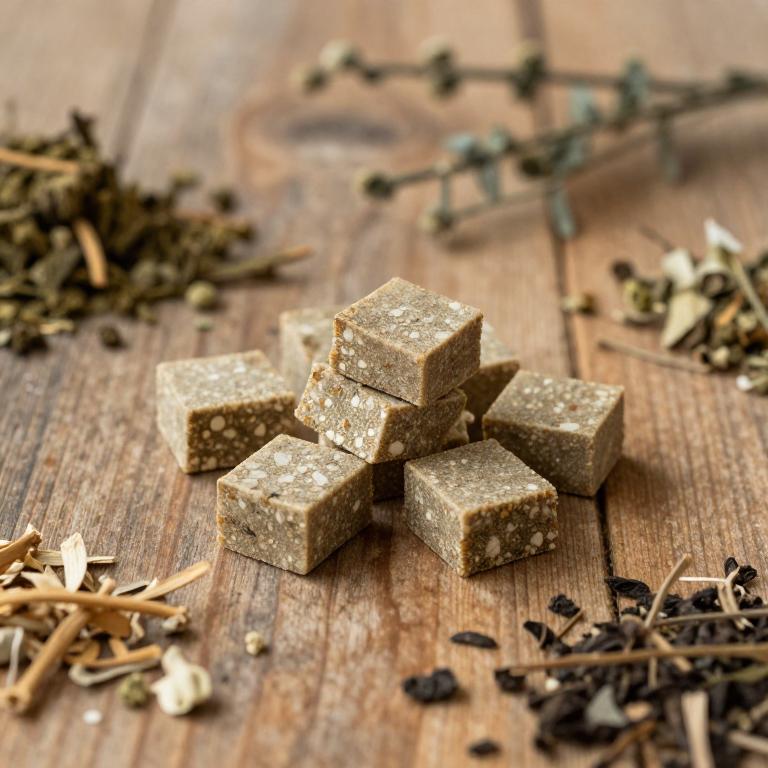
Rosa canina herbal lozenges are a natural remedy designed to alleviate the symptoms of morning sickness during pregnancy.
Made from rosehip, which is rich in vitamins and antioxidants, these lozenges support overall maternal health and may help reduce nausea and vomiting. They are typically safe for use during pregnancy when taken as directed, offering a gentle alternative to conventional medications. The soothing effect of the lozenges can provide relief by calming the throat and reducing the sensation of nausea.
Many women find them effective in managing morning sickness when used consistently throughout the early stages of pregnancy.
8. Black cumin (Nigella sativa)
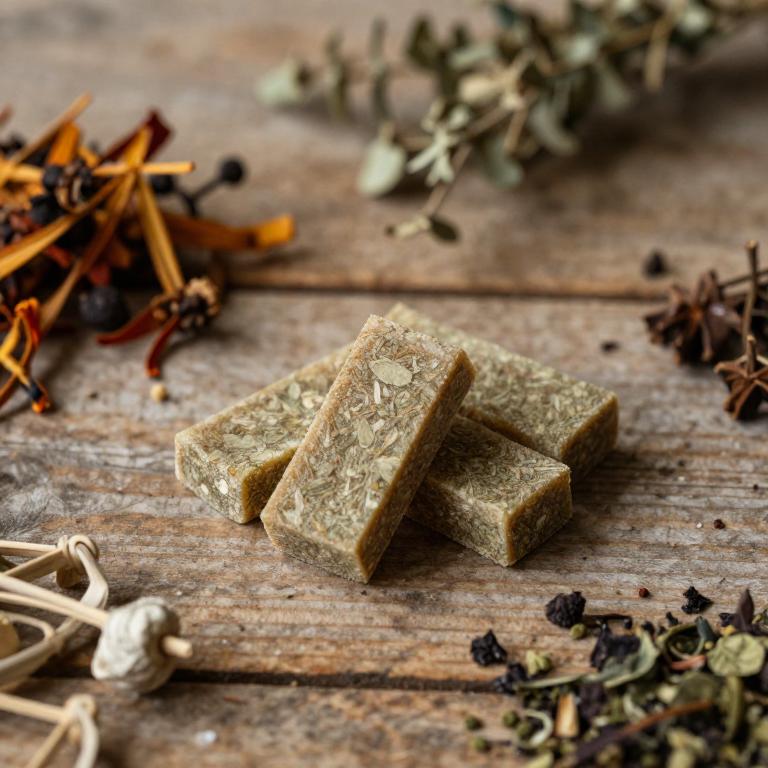
Nigella sativa herbal lozenges are a natural remedy commonly used to alleviate symptoms of morning sickness during pregnancy.
These lozenges contain black cumin seed extract, which is known for its anti-inflammatory and digestive properties. They are typically made with a combination of Nigella sativa and other soothing herbs, making them gentle on the stomach. The slow release of the active ingredients helps to ease nausea and vomiting without causing significant side effects.
Many pregnant women find these lozenges to be a safe and effective alternative to conventional medications for managing morning sickness.
9. Ceylon cinnamon (Cinnamomum zeylanicum)
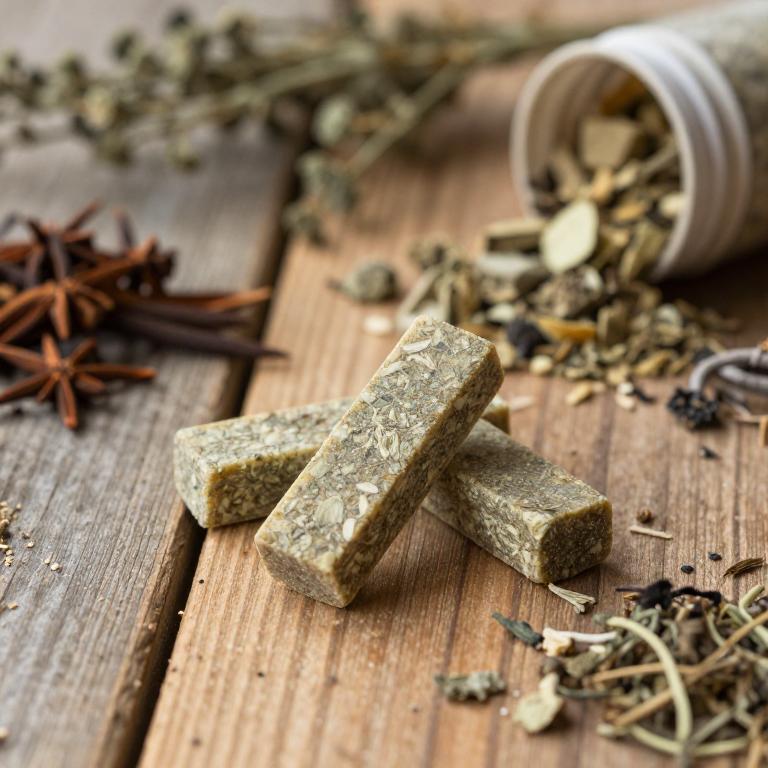
Cinnamomum zeylanicum, commonly known as cinnamon, has been traditionally used to alleviate symptoms of morning sickness during pregnancy.
Herbal lozenges made from this spice are often recommended for their soothing and aromatic properties that can help ease nausea and vomiting. These lozenges are typically made by combining ground cinnamon with natural sweeteners and other calming herbs, making them easy to consume throughout the day. The warm, spicy scent of cinnamon is believed to stimulate digestion and reduce the sensation of nausea, offering a natural alternative to conventional remedies.
However, it is important to consult with a healthcare provider before using cinnamon lozenges during pregnancy to ensure safety and appropriateness for individual health conditions.
10. Ceylon cinnamon (Cinnamomum verum)
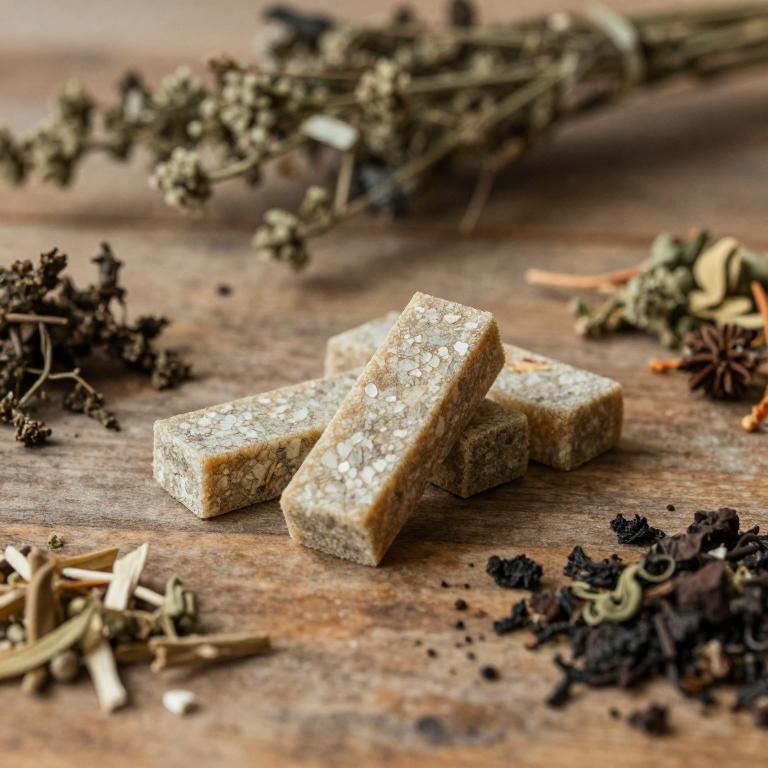
Cinnamomum verum, also known as true cinnamon, has been traditionally used in herbal remedies to alleviate symptoms of morning sickness during pregnancy.
These herbal lozenges are made from the dried bark of the Cinnamomum verum tree and are often flavored with natural ingredients to enhance their palatability. The warming properties of cinnamon are believed to help soothe nausea and support digestion, making them a popular choice for expectant mothers. When used as directed, these lozenges offer a natural alternative to conventional anti-nausea medications.
However, it is important to consult with a healthcare provider before using any herbal remedies during pregnancy to ensure safety and appropriateness.