10 Best Herbal Capsules For Morning Sickness
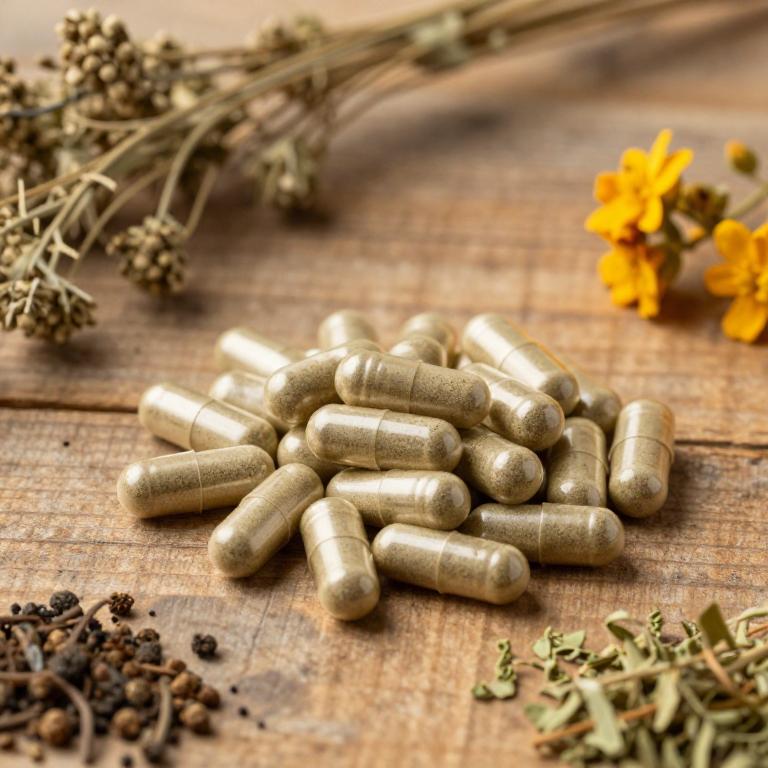
Herbal capsules for morning sickness are a natural alternative to conventional medications, often containing ingredients like ginger, peppermint, and chamomile, which are known for their soothing and anti-nausea properties.
These capsules are typically easy to take and can be incorporated into a daily routine without the need for preparation, making them convenient for pregnant women experiencing nausea. Many herbal remedies are considered safe during pregnancy when used in recommended dosages, though it is important to consult with a healthcare provider before use. They can help alleviate symptoms such as vomiting, queasiness, and stomach discomfort that commonly occur during the first trimester.
Overall, herbal capsules offer a gentle and accessible option for managing morning sickness while minimizing potential side effects associated with pharmaceutical treatments.
Table of Contents
- 1. Chaste tree (Vitex agnus-castus)
- 2. Ginger (Zingiber officinale)
- 3. Fennel (Foeniculum vulgare)
- 4. Ceylon cinnamon (Cinnamomum verum)
- 5. Chamomile (Matricaria chamomilla)
- 6. Dog rose (Rosa canina)
- 7. Licorice (Glycyrrhiza glabra)
- 8. Black cumin (Nigella sativa)
- 9. Cumin (Cuminum cyminum)
- 10. Thistle (Silybum marianum)
1. Chaste tree (Vitex agnus-castus)
Vitex agnus-castus, commonly known as chasteberry, is a herbal remedy often used to alleviate symptoms of morning sickness during pregnancy.
It is believed to support hormonal balance by influencing the pituitary gland, which may help regulate estrogen and progesterone levels. Herbal capsules containing vitex are a popular alternative for women seeking natural relief from nausea and vomiting in early pregnancy. These capsules are generally considered safe when taken under the guidance of a healthcare provider.
However, it is important to consult with a physician before starting any herbal supplement, especially during pregnancy, to ensure it is appropriate for individual health needs.
2. Ginger (Zingiber officinale)

Zingiber officinale, commonly known as ginger, has been widely used for centuries to alleviate symptoms of morning sickness during pregnancy.
Herbal capsules containing ginger extract are a popular natural remedy, offering a convenient and concentrated form of the spice. These capsules are generally considered safe for most pregnant women when taken in recommended dosages, though it is important to consult with a healthcare provider before use. Ginger is believed to work by reducing nausea and vomiting through its anti-inflammatory and antiemetic properties.
Many studies suggest that ginger can be an effective complementary therapy for managing morning sickness without the side effects associated with some pharmaceutical options.
3. Fennel (Foeniculum vulgare)
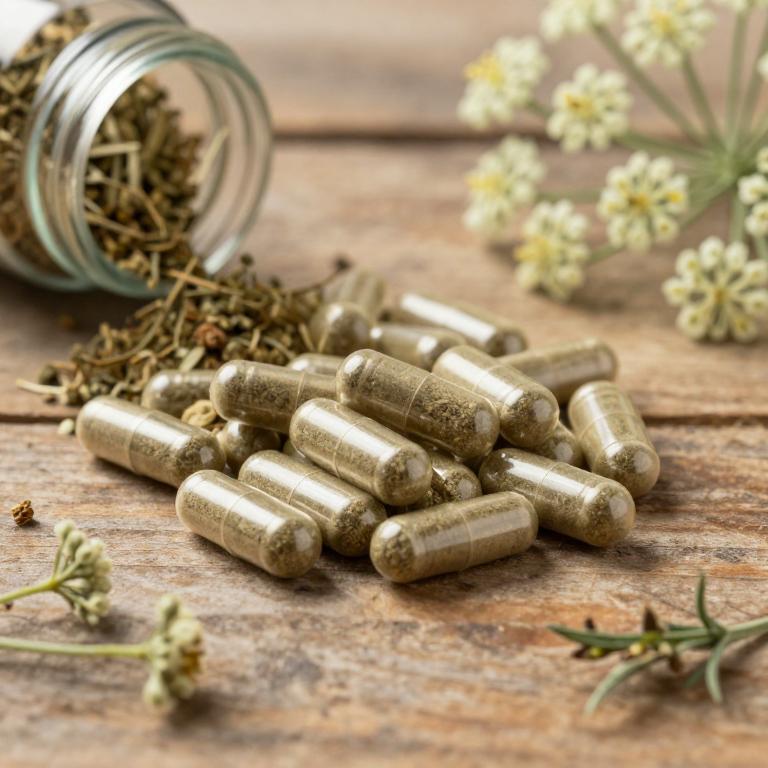
Foeniculum vulgare, commonly known as fennel, has been traditionally used to alleviate symptoms of morning sickness during pregnancy.
Herbal capsules containing fennel are often recommended as a natural remedy due to their potential to ease nausea and vomiting. The active compounds in fennel, such as anethole, may help regulate digestive processes and reduce stomach discomfort. However, it is important to consult a healthcare provider before using fennel capsules during pregnancy to ensure safety and proper dosage.
While some studies suggest benefits, more research is needed to fully understand its efficacy and long-term effects.
4. Ceylon cinnamon (Cinnamomum verum)

Cinnamomum verum, commonly known as true cinnamon, has been traditionally used to help alleviate symptoms of morning sickness during pregnancy.
The essential oils and bioactive compounds in cinnamon capsules are believed to have mild stimulant and digestive properties that may help ease nausea and vomiting. When taken in recommended doses, these herbal capsules can provide a natural alternative for pregnant women seeking relief from morning sickness without strong pharmaceuticals. However, it is important to consult with a healthcare provider before using cinnamon supplements during pregnancy to ensure safety and appropriate dosage.
Overall, Cinnamomum verum herbal capsules may offer a gentle and effective remedy for managing morning sickness when used responsibly.
5. Chamomile (Matricaria chamomilla)
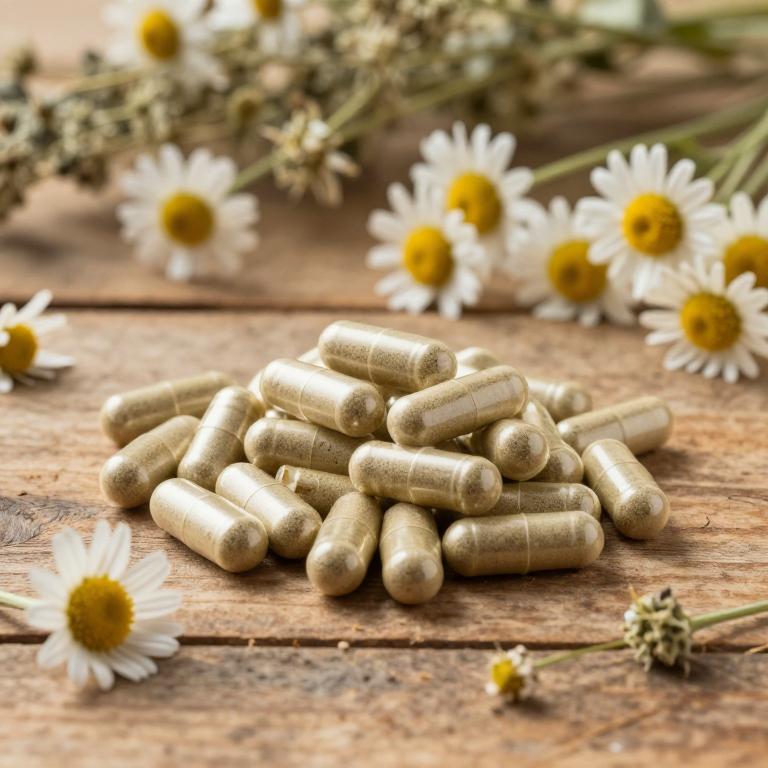
Matricaria chamomilla, commonly known as German chamomile, is widely used in herbal capsules to help alleviate symptoms of morning sickness during pregnancy.
These capsules contain standardized extracts of the dried flowers of the chamomile plant, which are known for their mild sedative and antiemetic properties. Clinical studies suggest that chamomile may help reduce nausea and vomiting by calming the digestive system and reducing stress, both of which can contribute to morning sickness. However, it is important to consult with a healthcare provider before using chamomile capsules during pregnancy to ensure safety and appropriate dosage.
As a natural alternative to conventional remedies, chamomile capsules offer a gentle option for managing morning sickness symptoms.
6. Dog rose (Rosa canina)
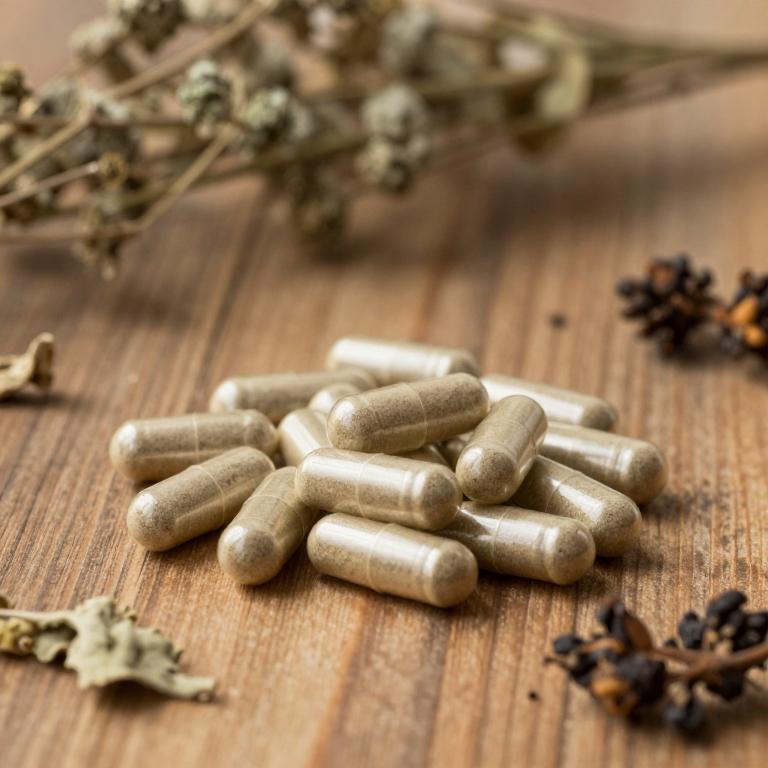
Rosa canina, also known as rosehip, is a traditional herbal remedy that has been used for centuries to support digestive health and alleviate symptoms of morning sickness during pregnancy.
Rosa canina herbal capsules are often recommended by healthcare professionals as a natural alternative to conventional anti-nausea medications, due to their mild and gentle effects on the body. These capsules are rich in vitamin C, antioxidants, and essential fatty acids, which can help reduce nausea, support immune function, and promote overall well-being during early pregnancy. The standardized extract form of Rosa canina ensures consistent potency and bioavailability, making it a reliable choice for pregnant women seeking natural relief.
However, it is important to consult with a healthcare provider before using any herbal supplements during pregnancy to ensure safety and appropriateness for individual health needs.
7. Licorice (Glycyrrhiza glabra)

Glycyrrhiza glabra, commonly known as licorice root, is often used in herbal capsules to help alleviate symptoms of morning sickness during pregnancy.
The herb is believed to have soothing properties that may help reduce nausea and vomiting, making it a popular natural remedy for expectant mothers. These capsules typically contain standardized extracts of the root, ensuring a consistent dose of active compounds like glycyrrhizin. While generally considered safe in recommended doses, it is important for pregnant women to consult with their healthcare provider before using licorice root supplements.
Some studies suggest that licorice may also support digestive health, further contributing to its appeal as a complementary therapy for morning sickness.
8. Black cumin (Nigella sativa)

Nigella sativa, commonly known as black cumin, has been traditionally used in herbal medicine for its potential health benefits, including its ability to alleviate symptoms of morning sickness during pregnancy.
The active compound in nigella sativa, thymoquinone, is believed to have anti-inflammatory and antioxidant properties that may help reduce nausea and vomiting. Herbal capsules containing nigella sativa are a convenient and natural option for pregnant women seeking relief from morning sickness without relying on pharmaceutical medications. However, it is important to consult with a healthcare provider before using nigella sativa during pregnancy to ensure safety and appropriateness for individual health conditions.
While some studies suggest its efficacy, more research is needed to fully understand its benefits and potential side effects in pregnant women.
9. Cumin (Cuminum cyminum)

Cuminum cyminum, commonly known as cumin, has been traditionally used to alleviate symptoms of morning sickness during pregnancy.
The herbal capsules of cumin contain essential oils and compounds that may help soothe nausea and improve digestion. Studies suggest that cumin can help reduce the severity of vomiting and other gastrointestinal discomforts associated with early pregnancy. These capsules are often recommended as a natural remedy, especially for women seeking alternatives to conventional anti-nausea medications.
However, it is important to consult with a healthcare provider before using cumin supplements during pregnancy to ensure safety and appropriate dosage.
10. Thistle (Silybum marianum)

Silybum marianum, commonly known as milk thistle, is a herbal remedy that has been traditionally used to support liver function and may offer relief for symptoms of morning sickness during pregnancy.
The active compound in milk thistle, silymarin, is believed to have antioxidant and anti-inflammatory properties that could help protect the liver and potentially reduce nausea. While some studies suggest that milk thistle may help alleviate mild gastrointestinal discomfort, its effectiveness for morning sickness specifically is not well-established in clinical research. It is important for pregnant women to consult with their healthcare provider before using any herbal supplements, including silybum marianum capsules, to ensure safety for both mother and baby.
Despite its popularity as a natural remedy, caution is advised due to limited evidence and potential interactions with other medications.