10 Best Herbal Creams For Gas In Stomach
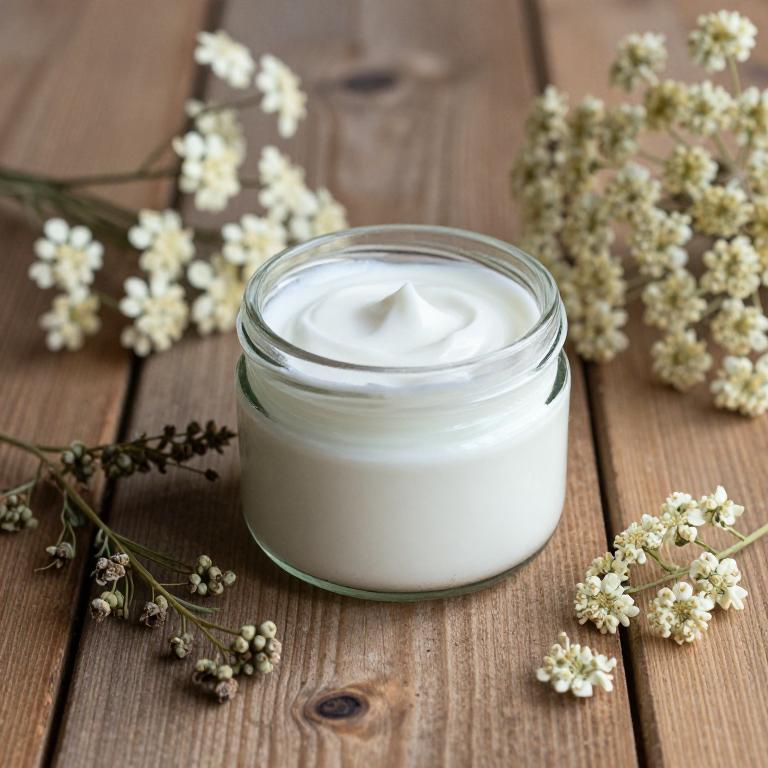
Herbal creams for gas in the stomach are natural topical treatments designed to alleviate bloating, discomfort, and digestive distress caused by gas buildup.
These creams typically contain ingredients like ginger, peppermint, chamomile, or turmeric, which are known for their anti-inflammatory and soothing properties. When applied to the abdomen, they can help reduce inflammation and ease muscle spasms associated with gas pain. While they may not address the root cause of gas, they can provide temporary relief and comfort.
It is important to consult a healthcare professional if symptoms persist or worsen, as they may indicate a more serious underlying condition.
Table of Contents
- 1. Fennel (Foeniculum vulgare)
- 2. Cumin (Cuminum cyminum)
- 3. Caraway (Carum carvi)
- 4. Dog rose (Rosa canina)
- 5. Anise (Pimpinella anisum)
- 6. Stinging nettle (Urtica dioica)
- 7. Black pepper (Piper nigrum)
- 8. Thistle (Silybum marianum)
- 9. Love-in-a-mist (Peucedanum ostruthium)
- 10. Ginger (Zingiber officinale)
1. Fennel (Foeniculum vulgare)
Foeniculum vulgare, commonly known as fennel, is often used in herbal creams to alleviate stomach gas and digestive discomfort.
These creams typically contain essential oils derived from fennel seeds, which are known for their carminative properties that help reduce gas and bloating. The warming effect of fennel oil can stimulate digestion and ease cramping associated with gas buildup. When applied topically to the abdomen, these creams may provide a soothing and relaxing sensation, promoting overall digestive wellness.
However, it is important to consult a healthcare professional before using fennel-based products, especially for individuals with sensitive skin or existing medical conditions.
2. Cumin (Cuminum cyminum)
Cuminum cyminum, commonly known as cumin, is often used in herbal remedies for its digestive benefits, including relief from gas and bloating in the stomach.
When incorporated into herbal creams, cumin's essential oils and active compounds, such as cuminaldehyde, help stimulate digestion and reduce gastrointestinal discomfort. These creams are typically applied topically to the abdomen, where they can provide a warming sensation and promote muscle relaxation, aiding in the release of trapped gas. While not a substitute for medical treatment, cumin-based creams may offer a natural and soothing option for those seeking relief from mild digestive issues.
However, it is important to consult a healthcare professional before using any herbal remedies, especially if symptoms persist or worsen.
3. Caraway (Carum carvi)
Carum carvi, commonly known as caraway, is a traditional herb that has been used for centuries to aid in digestion and relieve gastrointestinal discomfort.
Carum carvi herbal creams are formulated with extracts of this aromatic plant, which is believed to help reduce gas and bloating in the stomach. These creams are typically applied topically to the abdomen, where they may provide a warming sensation and promote relaxation of the digestive system. While they are not a substitute for medical advice, they can be a natural complement to a holistic approach to managing digestive issues.
However, it is important to consult a healthcare professional before using any herbal remedy, especially if you have pre-existing medical conditions or are taking other medications.
4. Dog rose (Rosa canina)

Rosa canina, commonly known as rose hip, is a natural remedy that has been used for centuries to support digestive health.
Rosa canina herbal creams, while not typically applied topically for gas, are often formulated with extracts from the fruit of the rose plant, which is rich in vitamins and antioxidants. These creams are sometimes used in complementary therapies to help alleviate symptoms of bloating and gas by promoting healthy digestion and reducing inflammation in the gastrointestinal tract. The anti-inflammatory and antioxidant properties of rose hip may aid in soothing the stomach lining and improving overall gut function.
However, it is important to consult a healthcare professional before using any herbal remedy, especially if you have underlying health conditions or are taking other medications.
5. Anise (Pimpinella anisum)

Pimpinella anisum, commonly known as anise, is a traditional herbal remedy often used in the formulation of herbal creams for digestive discomfort, including gas in the stomach.
These creams typically contain essential oils derived from anise seeds, which are known for their carminative properties that help relieve bloating and flatulence. The active compounds in anise, such as anethol, work by relaxing the smooth muscles of the gastrointestinal tract, promoting easier digestion and reducing gas buildup. When applied topically, these creams can provide soothing relief to the abdomen, although they are generally used in conjunction with internal remedies for best results.
While generally considered safe, it is advisable to consult a healthcare professional before using anise-based products, especially for individuals with known allergies or underlying health conditions.
6. Stinging nettle (Urtica dioica)
Urtica dioica, commonly known as stinging nettle, is a plant that has been traditionally used in herbal medicine for various health benefits.
Urtica dioica herbal creams are formulated with extracts from the plant and are often used to alleviate digestive discomfort, including gas in the stomach. These creams may work by reducing inflammation and promoting the movement of gas through the digestive system. They are typically applied topically to the abdomen, where they can provide soothing relief from bloating and discomfort.
While generally considered safe, it is advisable to consult a healthcare professional before using these creams, especially for individuals with known allergies or underlying health conditions.
7. Black pepper (Piper nigrum)

Piper nigrum, commonly known as black pepper, is often used in herbal remedies for its digestive benefits.
When incorporated into herbal creams, piper nigrum may help alleviate symptoms of gas and bloating by stimulating digestion and reducing intestinal discomfort. These creams typically contain essential oils and other natural ingredients that work synergistically with black pepper to promote gut health. The warming properties of black pepper can help ease cramping and improve overall stomach function.
However, it is important to consult a healthcare professional before using these products, especially for individuals with existing medical conditions or allergies.
8. Thistle (Silybum marianum)
Silybum marianum, also known as milk thistle, is a herbal remedy commonly used in the formulation of creams aimed at alleviating gas and discomfort in the stomach.
These creams typically incorporate the active compound silymarin, which is believed to support digestive health and reduce inflammation in the gastrointestinal tract. While some studies suggest that silymarin may help improve digestion and reduce bloating, the effectiveness of topical creams containing milk thistle for gas relief is still under investigation. It is important to consult a healthcare professional before using such products, as they may interact with other medications or have side effects.
Overall, while milk thistle creams may offer some benefit, they should be used as part of a broader approach to managing digestive issues.
9. Love-in-a-mist (Peucedanum ostruthium)
Peucedanum ostruthium, commonly known as bishop's weed, has been traditionally used in herbal remedies for digestive issues, including gas and bloating in the stomach.
Its essential oils contain compounds like limonene and myristicin, which are believed to aid in reducing gas and improving digestion. Herbal creams made from Peucedanum ostruthium are often applied topically to the abdomen, where they may help soothe discomfort and promote the release of trapped gas. While some people find relief with these natural remedies, it is important to consult a healthcare professional before using them, especially if symptoms persist or worsen.
As with any herbal treatment, individual responses can vary, and safety should always be a priority.
10. Ginger (Zingiber officinale)
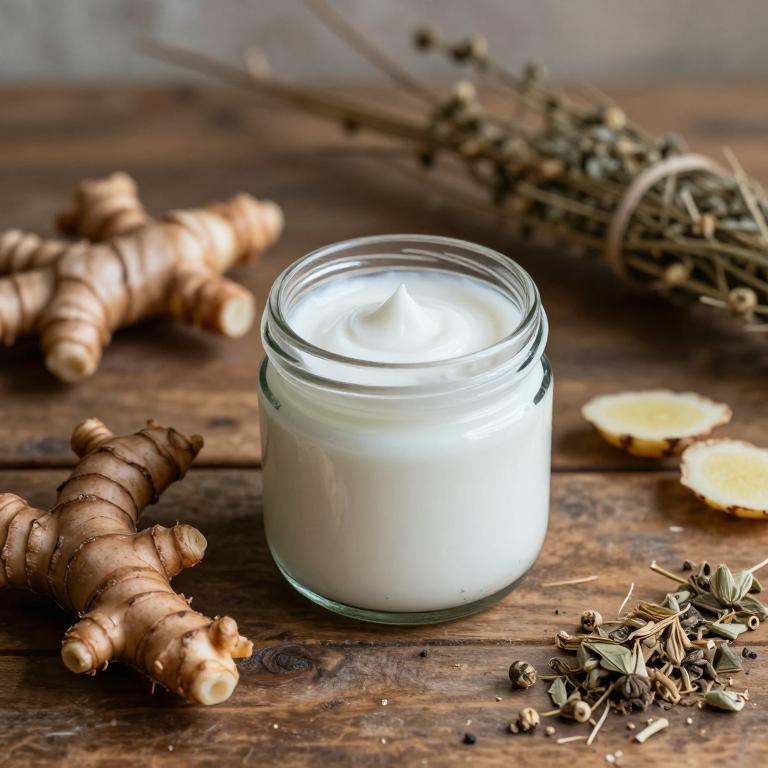
Zingiber officinale, commonly known as ginger, has been traditionally used for its digestive benefits, including the relief of gas and bloating in the stomach.
Ginger contains compounds like gingerol and shogaol, which have anti-inflammatory and carminative properties that help reduce gas and promote digestion. Herbal creams infused with zingiber officinale can provide a topical application of these beneficial compounds to the abdomen, offering a soothing effect on the stomach area. These creams are often used as a natural alternative to over-the-counter remedies for digestive discomfort.
However, while they may offer some relief, they should not replace professional medical advice for persistent or severe gastrointestinal issues.