10 Best Herbal Creams For Eye Twitching
Herbal creams for eye twitching are natural remedies that aim to alleviate the symptoms of involuntary eyelid spasms by incorporating soothing and anti-inflammatory ingredients such as chamomile, calendula, and lavender.
These creams are often marketed as gentle alternatives to pharmaceutical treatments, appealing to individuals seeking holistic approaches to health. They may help reduce irritation and dryness around the eyes, which can contribute to twitching, by providing a calming effect on the delicate skin. However, it is important to note that while some users report relief, scientific evidence supporting their effectiveness for eye twitching is limited.
As with any topical product, it is advisable to consult a healthcare professional before use, especially if the twitching persists or is accompanied by other symptoms.
Table of Contents
- 1. St. john's wort (Hypericum perforatum)
- 2. Valerian (Valeriana officinalis)
- 3. Chamomile (Matricaria chamomilla)
- 4. Blessed thistle (Cnicus benedictus)
- 5. Chaste tree (Vitex agnus-castus)
- 6. Thistle (Silybum marianum)
- 7. English lavender (Lavandula angustifolia)
- 8. Stinging nettle (Urtica dioica)
- 9. Ginkgo (Ginkgo biloba)
- 10. Echinacea (Echinacea purpurea)
1. St. john's wort (Hypericum perforatum)
Hypericum perforatum, commonly known as St. John's Wort, is often used in herbal creams for its potential anti-inflammatory and calming properties.
These creams may help alleviate symptoms of eye twitching by reducing irritation and stress-related muscle spasms around the eyes. While some studies suggest that topical application of St. John's Wort can have a soothing effect on the skin, its efficacy for specific conditions like eye twitching remains largely anecdotal. It is important to consult a healthcare professional before using such creams, as they may interact with other medications or have side effects.
Overall, while hypericum perforatum herbal creams may offer some relief for mild eye twitching, they should not replace conventional medical treatments without proper guidance.
2. Valerian (Valeriana officinalis)
Valeriana officinalis, commonly known as valerian, is a traditional herb often used in herbal remedies for its calming properties.
While primarily known for its use in treating anxiety and insomnia, valerian has also been explored for its potential benefits in alleviating eye twitching, a condition often linked to stress and nervous system overactivity. Some herbal creams containing valerian extract are marketed as natural solutions to soothe muscle spasms and reduce involuntary eye movements. These creams typically combine valerian with other calming herbs like chamomile or lavender to enhance their soothing effects.
However, it is important to consult with a healthcare professional before using valerian-based products, as they may interact with certain medications or have side effects in sensitive individuals.
3. Chamomile (Matricaria chamomilla)
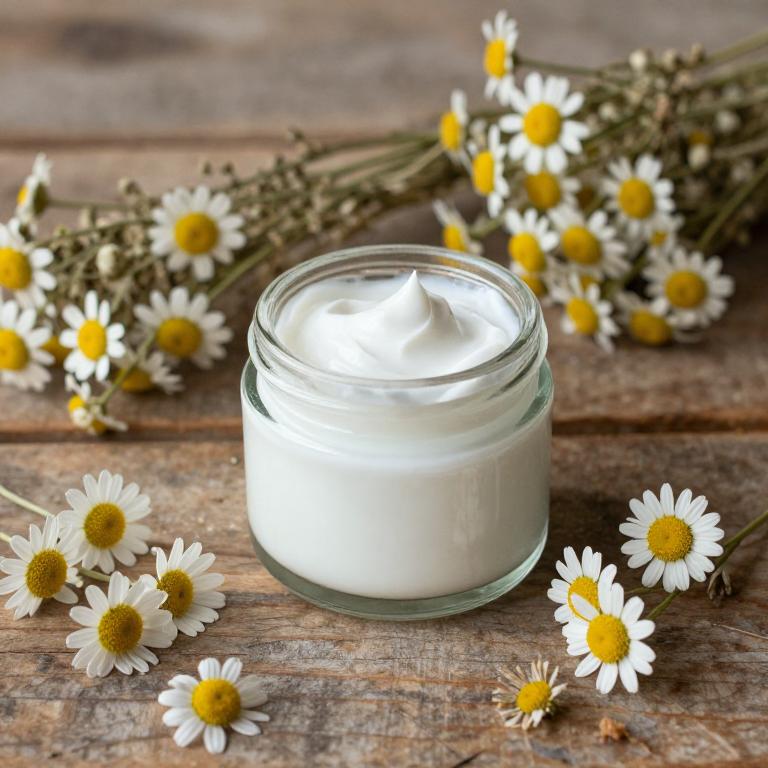
Matricaria chamomilla, commonly known as chamomile, is often used in herbal creams for its calming and anti-inflammatory properties.
These creams are believed to help alleviate symptoms of eye twitching by reducing muscle tension and soothing the surrounding skin. The active compounds in chamomile, such as bisabolol and flavonoids, may contribute to its potential effectiveness in calming nerve-related conditions. While scientific evidence supporting its use for eye twitching is limited, many people find relief through topical application.
It is important to consult a healthcare professional before using chamomile creams, especially if the twitching is persistent or accompanied by other symptoms.
4. Blessed thistle (Cnicus benedictus)
Cnicus benedictus, commonly known as blessed thorn, has been traditionally used in herbal medicine for its calming properties, and some formulations containing this herb are marketed as natural remedies for eye twitching.
These herbal creams are believed to work by reducing muscle spasms and promoting relaxation of the eye muscles, which can help alleviate the symptoms of persistent eye twitching. While there is limited scientific research supporting the effectiveness of Cnicus benedictus for this condition, many users report a soothing effect when applying the cream topically around the eyes. It is important to consult with a healthcare professional before using any herbal remedy, especially if you have underlying health conditions or are taking other medications.
As with any topical treatment, it is advisable to perform a patch test to check for potential allergic reactions.
5. Chaste tree (Vitex agnus-castus)
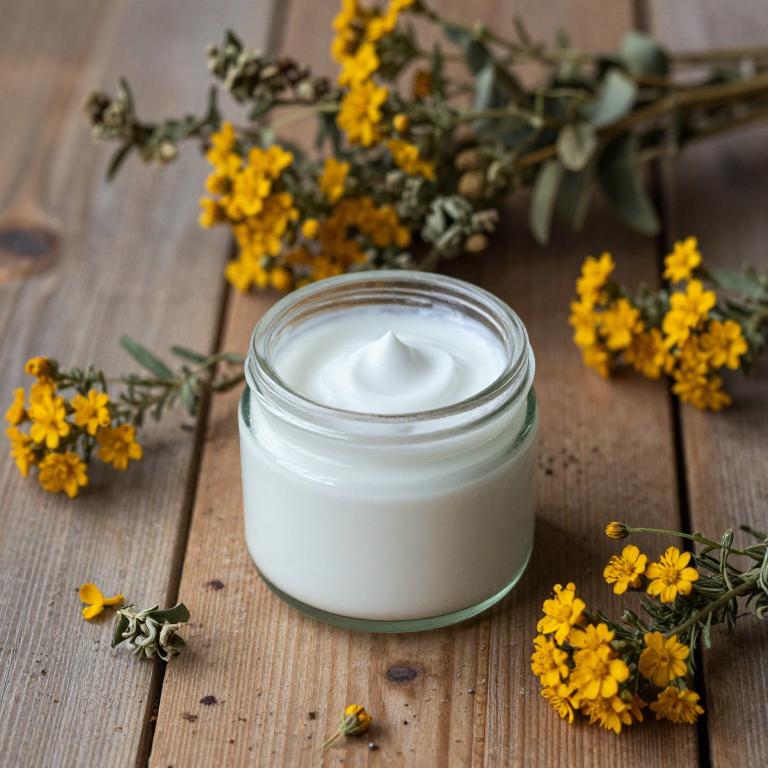
Vitex agnus-castus, commonly known as chasteberry, is a herbal remedy that has been traditionally used to support hormonal balance and alleviate various symptoms related to stress and anxiety.
While it is often consumed as a supplement, some formulations of vitex agnus-castus are available in the form of creams, which may be applied topically to the skin. These creams are sometimes used to address conditions like eye twitching, which can be linked to stress, hormonal fluctuations, or nervous system imbalances. However, there is limited scientific evidence directly supporting the effectiveness of vitex agnus-castus creams for eye twitching.
It is important to consult with a healthcare professional before using any herbal products, especially if you have underlying health conditions or are taking other medications.
6. Thistle (Silybum marianum)
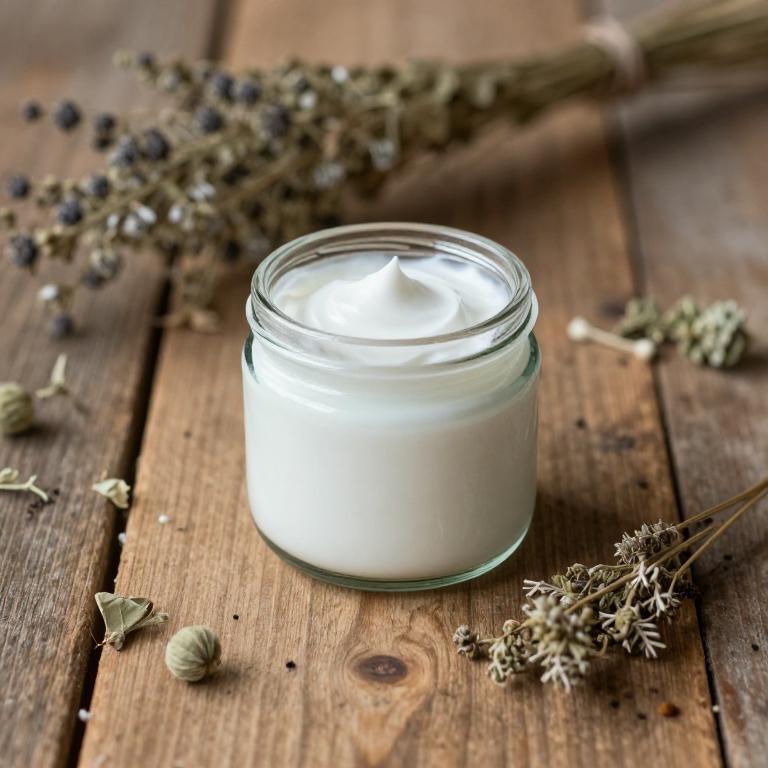
Silybum marianum, also known as milk thistle, is a herbal remedy that has been traditionally used for its potential liver-protective properties.
While it is commonly used in supplements, some herbal creams containing silybum marianum are marketed for their anti-inflammatory and antioxidant benefits, which may support overall skin and eye health. Although there is limited scientific evidence directly linking silybum marianum to the treatment of eye twitching, some users report that topical application of such creams may help reduce irritation and inflammation around the eyes. Eye twitching, often caused by stress, fatigue, or dryness, may be alleviated by the soothing properties of these creams.
However, it is important to consult a healthcare professional before using any herbal remedies, especially if symptoms persist or worsen.
7. English lavender (Lavandula angustifolia)
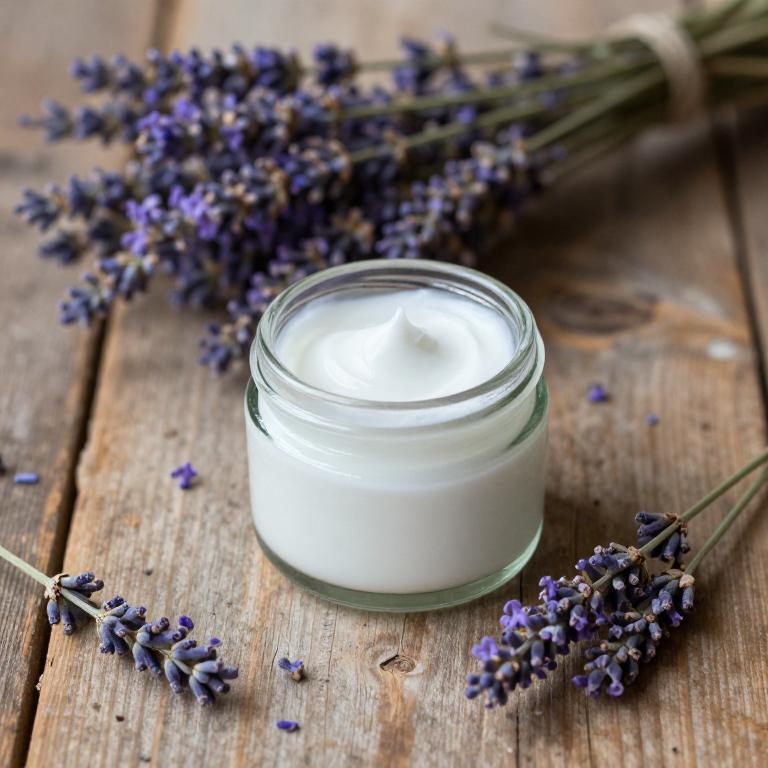
Lavandula angustifolia, commonly known as English lavender, is often used in herbal creams for its calming and soothing properties.
These creams typically contain essential oils extracted from lavender flowers, which are known for their anti-inflammatory and muscle-relaxing effects. When applied topically around the eyes, lavender-based creams may help reduce tension and irritation that can contribute to eye twitching. Some studies suggest that the aromatic compounds in lavender can also have a calming effect on the nervous system, potentially alleviating stress-related eye spasms.
However, while these creams are generally considered safe, it is advisable to consult a healthcare professional before use, especially for individuals with sensitive skin or existing eye conditions.
8. Stinging nettle (Urtica dioica)
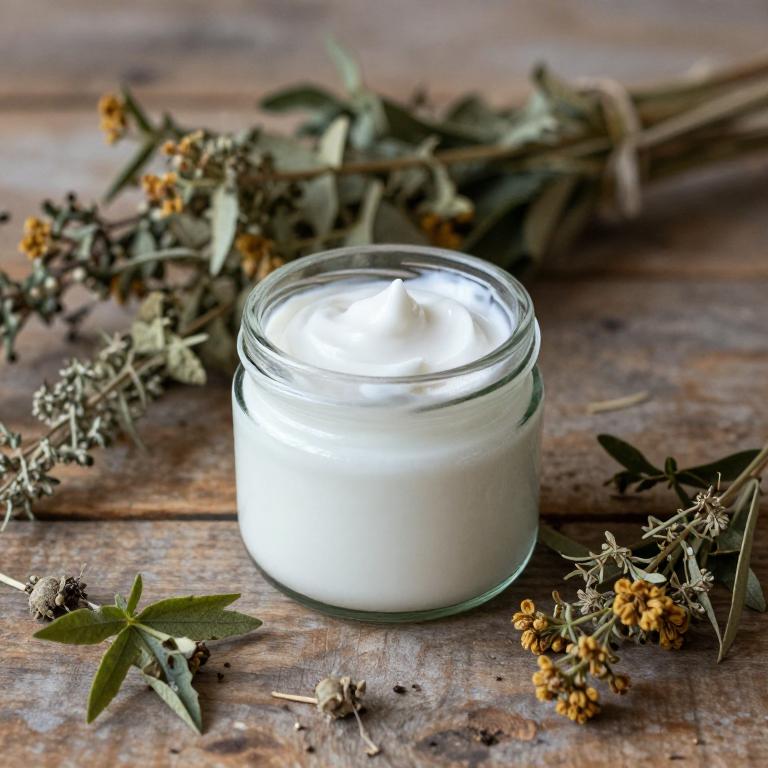
Urtica dioica, commonly known as stinging nettle, has been traditionally used in herbal medicine for its anti-inflammatory and soothing properties.
Some herbal creams containing Urtica dioica are marketed for their potential to alleviate symptoms of eye twitching by reducing irritation and inflammation around the eyes. While there is limited scientific evidence specifically supporting its effectiveness for eye twitching, the plant's high content of vitamins and minerals may contribute to overall eye health. These creams are often used as a natural alternative to conventional treatments, appealing to individuals seeking holistic approaches.
However, it is important to consult a healthcare professional before using any herbal remedy, especially for conditions affecting the eyes.
9. Ginkgo (Ginkgo biloba)
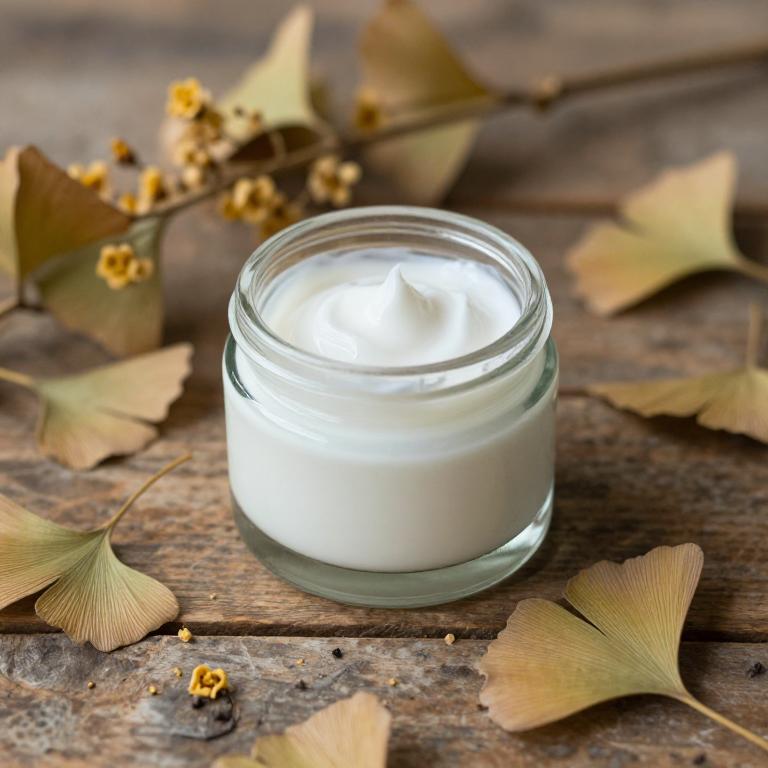
Ginkgo biloba herbal creams are formulated with extracts from the leaves of the ginkgo tree, known for their potential to improve blood circulation and enhance cognitive function.
These creams are sometimes used as a complementary therapy for eye twitching, a condition often linked to stress, fatigue, or poor circulation. While some individuals may find relief from the calming and circulatory benefits of ginkgo biloba, it is important to note that scientific evidence supporting its effectiveness for eye twitching is limited. As with any herbal remedy, it is advisable to consult a healthcare professional before use, especially if you have underlying health conditions or are taking other medications.
Overall, ginkgo biloba creams may offer some supportive benefits, but they should not replace conventional medical treatments for persistent eye twitching.
10. Echinacea (Echinacea purpurea)
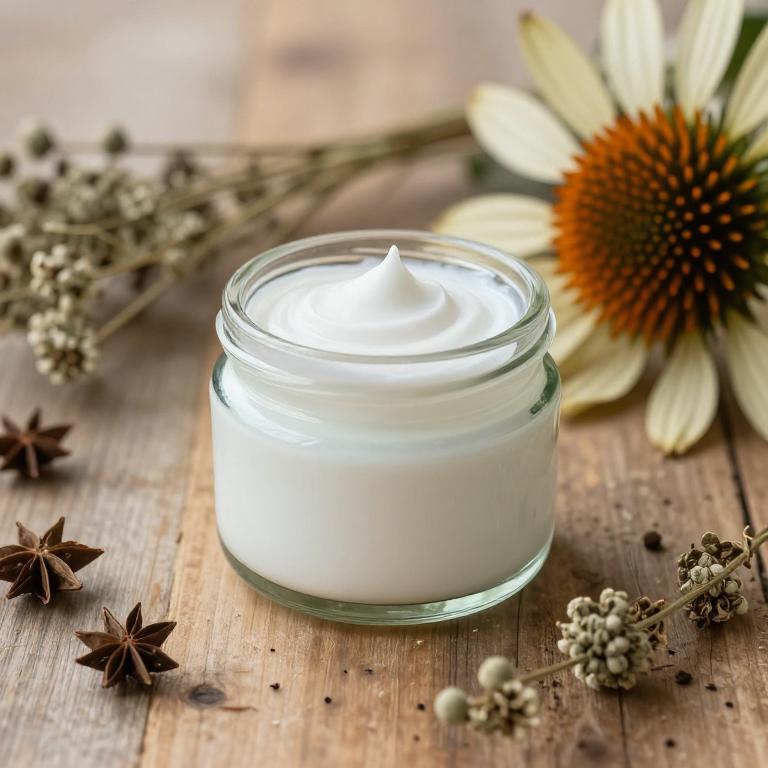
Echinacea purpurea, commonly known as purple coneflower, is traditionally used in herbal medicine for its potential anti-inflammatory and immune-boosting properties.
While primarily recognized for its role in supporting the immune system, some herbal creams containing echinacea purpurea are marketed for their ability to soothe skin irritations and reduce inflammation, which may indirectly help with conditions like eye twitching by alleviating related facial muscle tension. However, there is limited scientific evidence directly linking echinacea-based topical products to the treatment of eye twitching, and more research is needed to confirm their efficacy for this specific use. It is important to consult a healthcare professional before using any herbal remedy, especially for eye-related symptoms, to ensure safety and appropriateness.
Overall, while echinacea purpurea may offer general wellness benefits, its role in addressing eye twitching remains unclear and should not replace conventional medical treatments.