10 Best Herbal Lozenges For Excessive Sweating
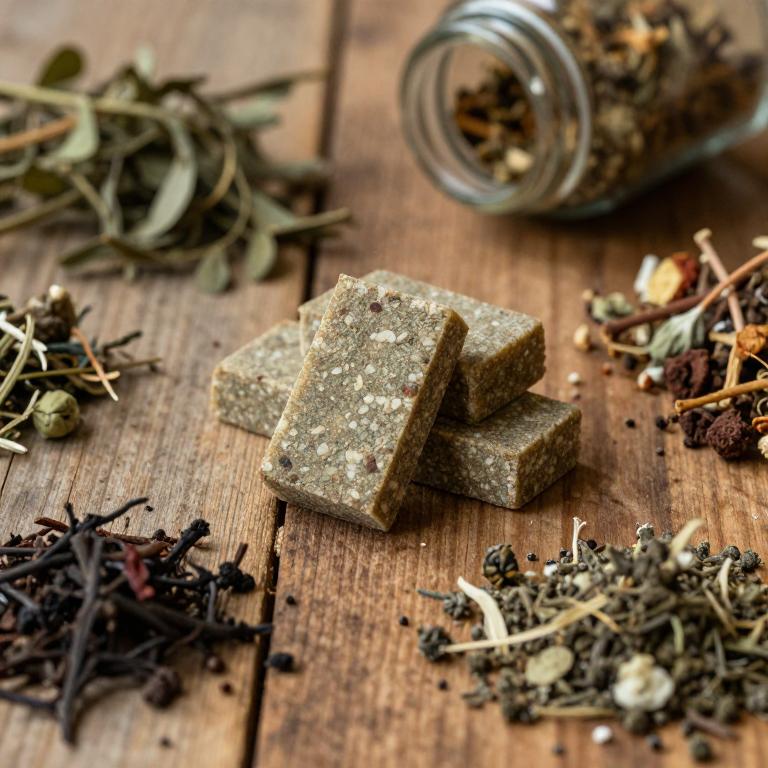
Herbal lozenges are natural remedies designed to help manage excessive sweating, particularly in the underarm area, by using plant-based ingredients known for their cooling and antiperspirant properties.
These lozenges often contain herbs such as sage, witch hazel, and lemon balm, which are believed to have a calming effect on the body and may help regulate sweat production. Unlike traditional antiperspirants that block sweat glands, herbal lozenges work by soothing the skin and reducing irritation, making them a gentler alternative for those with sensitive skin. They are typically sugar-free and safe for long-term use, offering a natural approach to managing hyperhidrosis.
While they may not provide immediate results, consistent use of herbal lozenges can lead to gradual improvement in sweat control and overall comfort.
Table of Contents
- 1. Ginger (Zingiber officinale)
- 2. Ceylon cinnamon (Cinnamomum verum)
- 3. Peppermint (Mentha piperita)
- 4. Salvia (Salvia officinalis)
- 5. Chaste tree (Vitex agnus-castus)
- 6. Nux vomica (Strychnos nux-vomica)
- 7. Echinacea (Echinacea purpurea)
- 8. St. john's wort (Hypericum perforatum)
- 9. Licorice (Glycyrrhiza glabra)
- 10. Rosemary (Rosmarinus officinalis)
1. Ginger (Zingiber officinale)
Zingiber officinale, commonly known as ginger, has been traditionally used for its warming and detoxifying properties, and herbal lozenges containing ginger are often recommended to address excessive sweating, particularly during the night or in stressful situations.
These lozenges work by stimulating the body's thermoregulatory system and promoting perspiration, which can help eliminate toxins and balance internal heat. The active compounds in ginger, such as gingerol and shogaol, have been shown to support metabolic processes and enhance circulation, potentially reducing the body's tendency to overheat. While ginger lozenges are generally considered safe for most people, they may not be suitable for individuals with gastrointestinal sensitivities or those on certain medications.
It is advisable to consult a healthcare professional before using ginger-based remedies for excessive sweating, especially if the condition is persistent or accompanied by other symptoms.
2. Ceylon cinnamon (Cinnamomum verum)
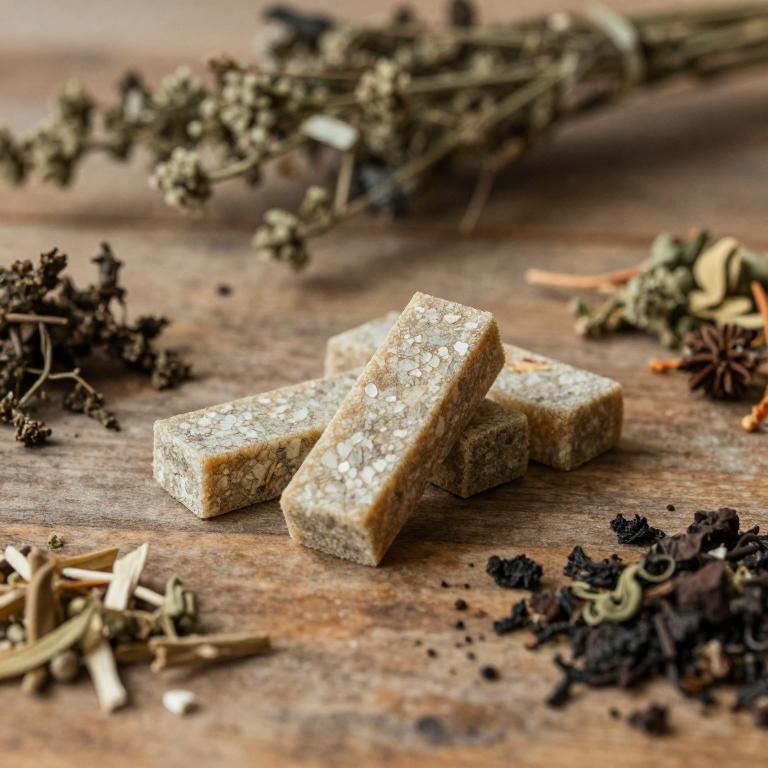
Cinnamomum verum, commonly known as true cinnamon, has been traditionally used in herbal medicine for its warming and drying properties.
When formulated into herbal lozenges, it may help address excessive sweating by balancing the body's internal temperature and reducing perspiration. These lozenges are often used in traditional Chinese medicine to support the body's energy flow and regulate sweat production. The aromatic compounds in cinnamon can also have a calming effect, which may help reduce anxiety-related sweating.
However, it is important to consult a healthcare professional before using cinnamon lozenges, especially for individuals with underlying health conditions or those taking other medications.
3. Peppermint (Mentha piperita)
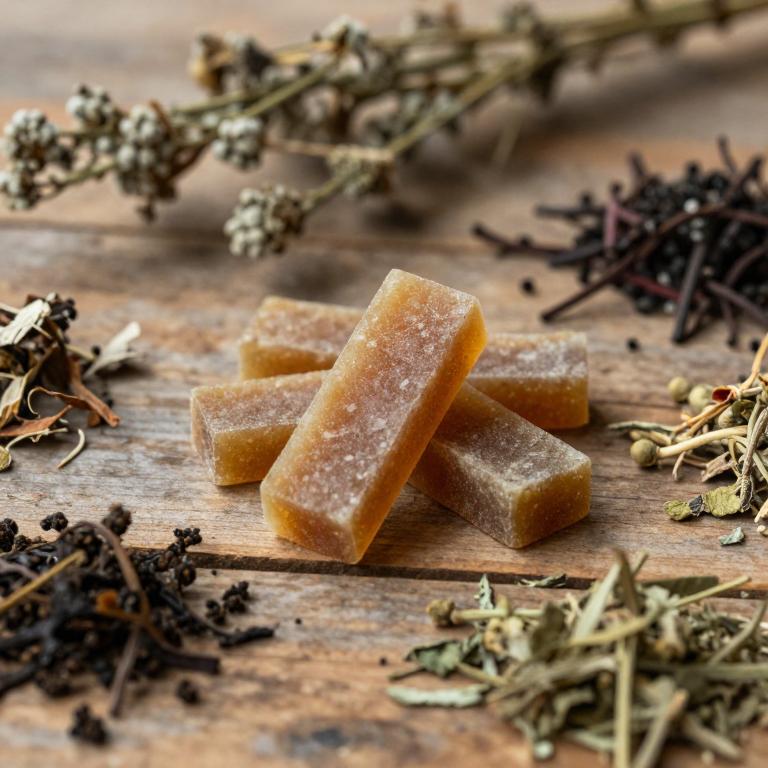
Mentha piperita, commonly known as peppermint, is a popular herbal ingredient used in lozenges to help manage excessive sweating, particularly in the underarm area.
These lozenges work by stimulating the sweat glands through their cooling and refreshing properties, which may help regulate perspiration levels. The menthol in peppermint has a mild anticholinergic effect, which can reduce the activity of sweat glands, making it a natural alternative for those seeking relief from hyperhidrosis. Peppermint lozenges are generally safe for most adults, though they may not be suitable for children or individuals with certain medical conditions.
When used as part of a comprehensive approach, these herbal lozenges can offer a pleasant and effective way to manage excessive sweating.
4. Salvia (Salvia officinalis)
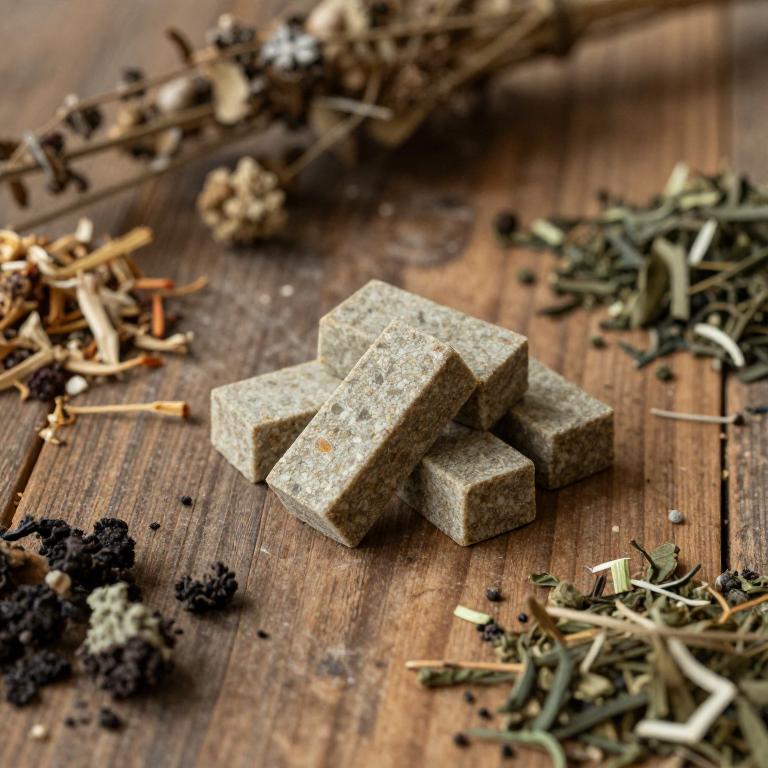
Salvia officinalis, commonly known as sage, has been traditionally used for its natural properties that may help reduce excessive sweating.
Sage contains compounds like rosmarinic acid and thujone, which are believed to have anticholinergic effects that can inhibit sweat gland activity. Herbal lozenges made from salvia officinalis are often used as a natural remedy to manage hyperhidrosis, particularly in the underarms, palms, and soles. These lozenges are typically made by infusing dried sage leaves into a sugar or honey base, allowing for easy consumption and prolonged contact with the oral mucosa.
While they are generally considered safe, it is advisable to consult a healthcare professional before using them, especially for individuals with existing health conditions or those taking other medications.
5. Chaste tree (Vitex agnus-castus)
Vitex agnus-castus, also known as chasteberry, is a herbal remedy commonly used to support hormonal balance and has been traditionally associated with reducing excessive sweating, particularly in conditions like hyperhidrosis.
When formulated into lozenges, Vitex agnus-castus may offer a convenient and targeted way to manage symptoms associated with sweating by addressing underlying hormonal imbalances. These lozenges are often preferred for their natural ingredients and potential to support the body’s regulatory systems without the side effects of conventional antiperspirants. While more research is needed to fully establish their efficacy, some users report reduced sweating and improved overall well-being after using Vitex agnus-castus lozenges.
As with any herbal supplement, it is advisable to consult a healthcare provider before starting use, especially for individuals with existing medical conditions or those taking other medications.
6. Nux vomica (Strychnos nux-vomica)
Strychnos nux-vomica herbal lozenges are traditionally used in Chinese medicine to address symptoms associated with excessive sweating, particularly in cases of night sweats and spontaneous perspiration.
These lozenges are formulated with extracts from the seeds of the Strychnos nux-vomica plant, which is known for its potent stimulant and tonic properties. The active compounds in the herb are believed to help regulate the body's internal balance, thereby reducing excessive sweating by strengthening the body's vitality and improving the function of the lungs and kidneys. While these lozenges may offer relief for some individuals, they should be used with caution due to the potential toxicity of the plant's compounds.
It is important to consult a qualified practitioner before using Strychnos nux-vomica lozenges, as they are not recommended for everyone and require proper preparation and dosage.
7. Echinacea (Echinacea purpurea)
Echinacea purpurea herbal lozenges are traditionally used to support immune function and may help reduce excessive sweating by promoting overall body balance.
These lozenges contain extracts from the purple coneflower, which is known for its anti-inflammatory and antimicrobial properties. While primarily marketed for cold and flu symptoms, some studies suggest that echinacea may indirectly aid in managing sweating by improving systemic health and reducing stress-related perspiration. However, it is important to note that echinacea is not a direct treatment for hyperhidrosis and should be used as a complementary therapy under professional guidance.
Always consult a healthcare provider before using echinacea, especially if you have underlying medical conditions or are taking other medications.
8. St. john's wort (Hypericum perforatum)
Hypericum perforatum, commonly known as St. John's Wort, is a herbal remedy that has been traditionally used for its potential anti-inflammatory and antimicrobial properties.
While it is more widely recognized for its use in treating mild depression, some studies suggest that it may also help reduce excessive sweating, particularly in cases of hyperhidrosis. Hypericum perforatum herbal lozenges are formulated to provide a convenient and targeted form of the herb, allowing for consistent dosing throughout the day. These lozenges may work by regulating the body's nervous system and reducing the overactivity of sweat glands.
However, it is important to consult with a healthcare professional before use, as St. John's Wort can interact with various medications and may have side effects.
9. Licorice (Glycyrrhiza glabra)
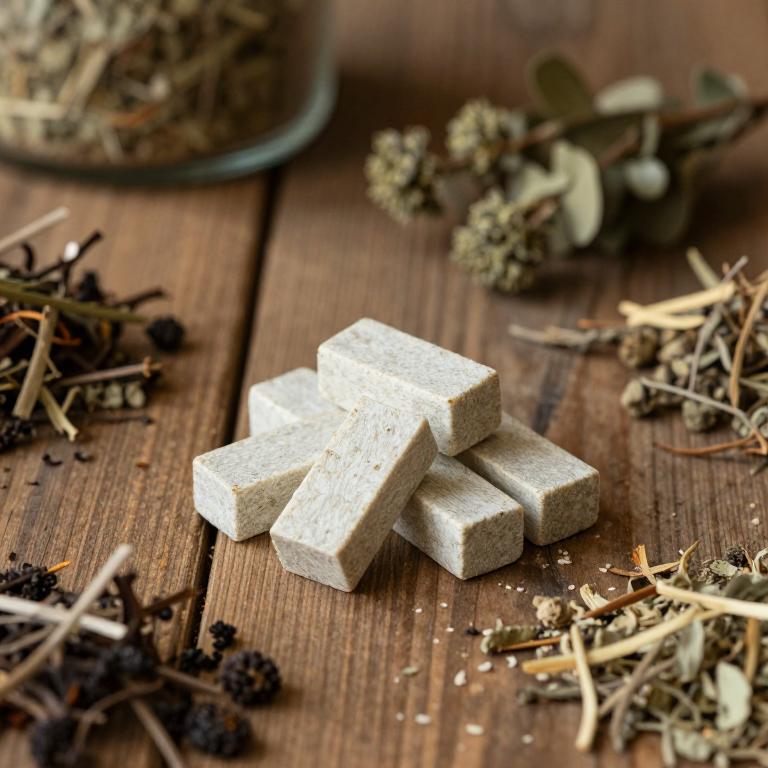
Glycyrrhiza glabra, commonly known as licorice root, has been traditionally used in herbal medicine for its potential to address various health concerns, including excessive sweating.
Glycyrrhiza glabra herbal lozenges are formulated to harness the natural properties of licorice root, which contains compounds like glycyrrhizin and flavonoids that may help regulate body temperature and reduce perspiration. These lozenges are often used as a natural alternative to conventional antiperspirants, offering a soothing effect on the throat and mouth while addressing hyperhidrosis. The anti-inflammatory and antioxidant properties of licorice root may also contribute to its effectiveness in managing excessive sweating.
However, it is important to consult a healthcare professional before using licorice-based products, especially for prolonged periods, as they may interact with certain medications or have side effects in some individuals.
10. Rosemary (Rosmarinus officinalis)
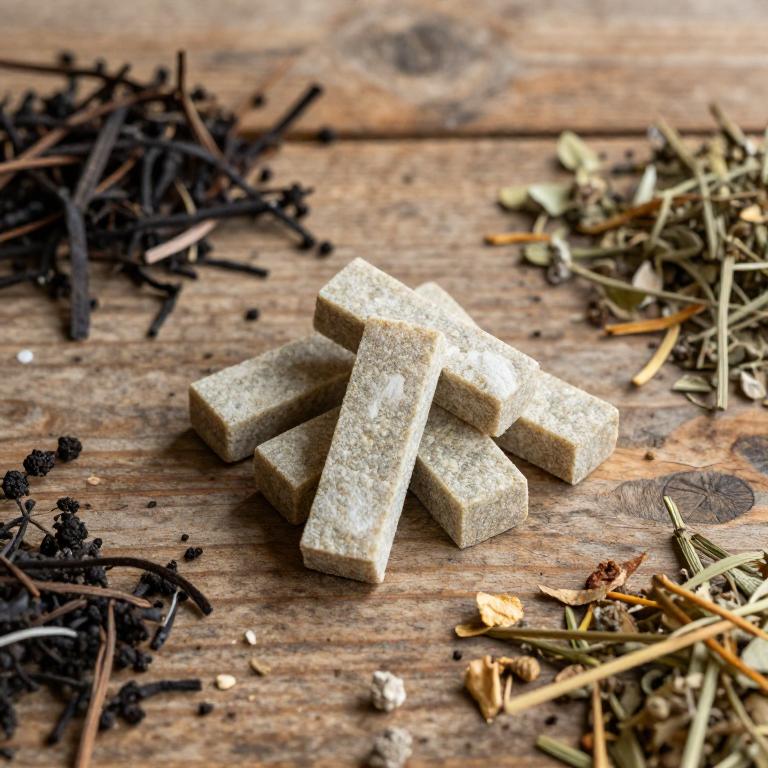
Rosmarinus officinalis, commonly known as rosemary, is a herb often used in traditional medicine for its aromatic and therapeutic properties.
Rosemary herbal lozenges are formulated to address excessive sweating by leveraging the plant's natural compounds, which may help regulate body temperature and reduce perspiration. These lozenges are typically made with a blend of rosemary extract, essential oils, and other soothing ingredients that promote a cooling effect when dissolved in the mouth. They are particularly beneficial for individuals experiencing night sweats or hyperhidrosis, offering a natural alternative to conventional antiperspirants.
Regular use of rosemary lozenges may support overall bodily balance and provide a refreshing, calming effect.