10 Best Herbal Essential Oils For Dermatitis
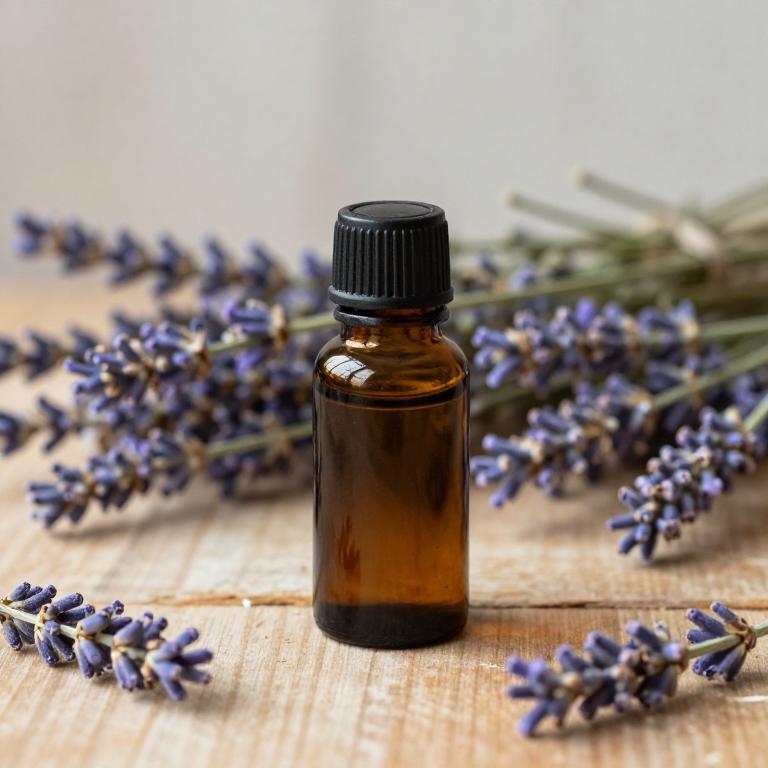
Herbal essential oils have gained popularity as natural remedies for managing dermatitis due to their anti-inflammatory and antimicrobial properties.
Oils such as chamomile, lavender, and calendula are commonly used because they can soothe irritated skin and reduce redness. However, it is important to dilute these oils properly with a carrier oil to avoid causing further irritation or allergic reactions. While some individuals may find relief using these essential oils, they should not replace professional medical treatment for severe or persistent dermatitis.
Always consult a healthcare provider before incorporating essential oils into a skincare routine, especially for those with sensitive or compromised skin.
Table of Contents
- 1. English lavender (Lavandula angustifolia)
- 2. Stinging nettle (Urtica dioica)
- 3. Aloe vera (Aloe barbadensis)
- 4. Melaleuca (Melaleuca alternifolia)
- 5. Chamomile (Matricaria chamomilla)
- 6. German chamomile (Chamomilla recutita)
- 7. Lemon grass (Cymbopogon citratus)
- 8. Rosemary (Rosmarinus officinalis)
- 9. Ginger (Zingiber officinale)
- 10. Turmeric (Curcuma longa)
1. English lavender (Lavandula angustifolia)
Lavandula angustifolia, commonly known as English lavender, is widely used in aromatherapy and dermatological treatments due to its calming and anti-inflammatory properties.
The essential oil derived from this plant contains compounds such as linalool and linalyl acetate, which have been shown to reduce skin irritation and redness associated with dermatitis. Clinical studies suggest that lavender essential oil may help alleviate symptoms like itching and dryness, making it a valuable natural remedy for sensitive skin conditions. When diluted properly with a carrier oil, it can be safely applied topically to soothe inflamed skin.
However, it is important to perform a patch test before use and consult a healthcare professional, especially for severe or persistent dermatitis cases.
2. Stinging nettle (Urtica dioica)
Urtica dioica, commonly known as stinging nettle, is a plant that has been traditionally used for its potential therapeutic properties.
Its essential oils, derived through steam distillation, contain compounds such as alpha-pinene, beta-pinene, and camphor, which are known for their anti-inflammatory and antiseptic properties. These oils may offer relief for individuals suffering from dermatitis by reducing redness, itching, and skin irritation. However, it is important to note that while some studies suggest potential benefits, more clinical research is needed to fully understand its efficacy and safety for topical use.
As with any herbal remedy, it is advisable to consult a healthcare professional before incorporating urtica dioica essential oils into a skincare routine.
3. Aloe vera (Aloe barbadensis)
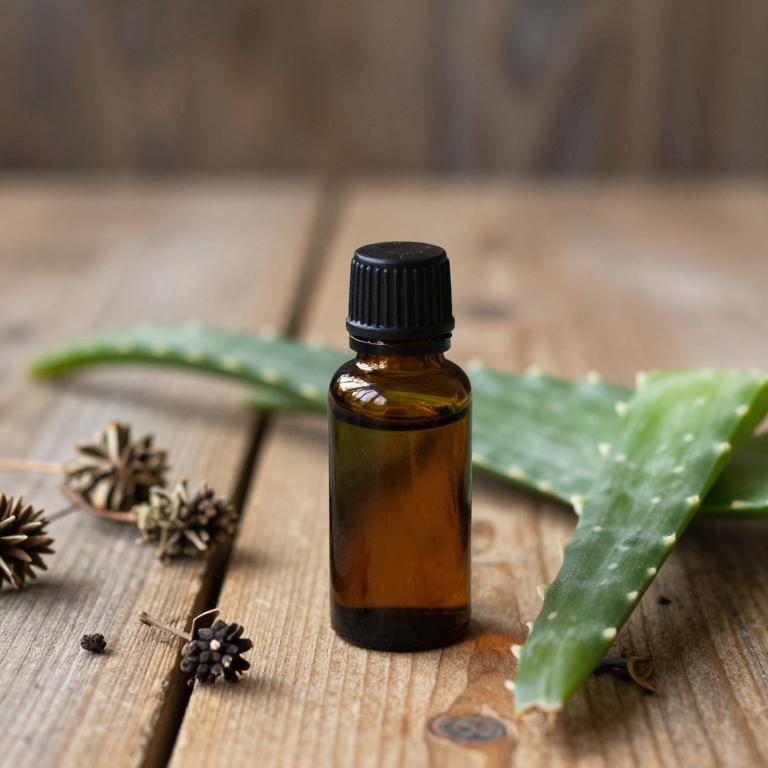
Aloe barbadensis, commonly known as aloe vera, is a plant widely recognized for its soothing properties, particularly in the treatment of dermatitis.
The essential oils derived from aloe vera contain various bioactive compounds, including polysaccharides, enzymes, and antioxidants, which contribute to its therapeutic effects on the skin. These oils are known to reduce inflammation, promote skin healing, and provide a protective barrier against irritants, making them beneficial for individuals suffering from eczema or contact dermatitis. Aloe essential oils can be used topically in the form of creams, gels, or diluted essential oil applications to alleviate symptoms and support skin recovery.
However, it is important to use these oils properly, as undiluted essential oils may cause irritation, and consulting a healthcare professional is recommended for severe or persistent cases.
4. Melaleuca (Melaleuca alternifolia)
Melaleuca alternifolia, commonly known as tea tree oil, is a popular herbal essential oil derived from the leaves of the Melaleuca alternifolia plant, native to Australia.
It is widely recognized for its potent antimicrobial, antifungal, and anti-inflammatory properties, making it a valuable natural remedy for various skin conditions, including dermatitis. When diluted properly, tea tree oil can help reduce symptoms such as redness, itching, and irritation associated with eczema and contact dermatitis. Its ability to combat bacteria and fungi may also prevent secondary infections in inflamed skin.
However, it should always be used with caution, as undiluted tea tree oil can cause skin irritation or allergic reactions in some individuals.
5. Chamomile (Matricaria chamomilla)
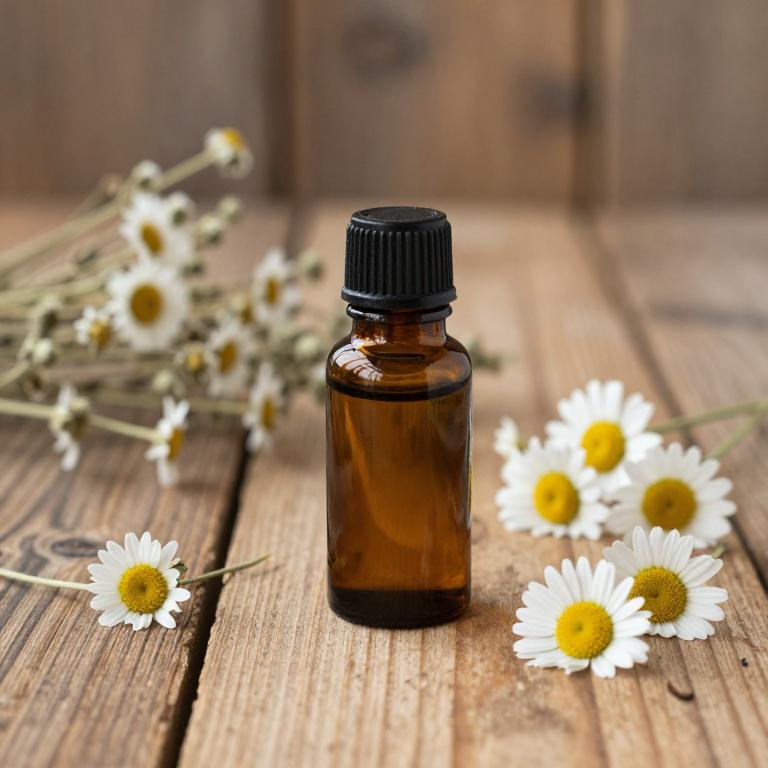
Matricaria chamomilla, commonly known as German chamomile, is widely recognized for its calming and anti-inflammatory properties, making its essential oil a popular choice in the treatment of dermatitis.
The essential oil contains compounds such as bisabolol and chamazulene, which exhibit strong antimicrobial and anti-inflammatory effects, helping to soothe irritated skin. When used topically, it can reduce redness, itching, and swelling associated with various forms of dermatitis, including eczema and contact dermatitis. However, it is important to dilute the essential oil properly with a carrier oil to avoid skin irritation, as undiluted use may cause adverse reactions.
Overall, Matricaria chamomilla essential oil offers a natural and effective remedy for managing the symptoms of dermatitis when used safely and appropriately.
6. German chamomile (Chamomilla recutita)
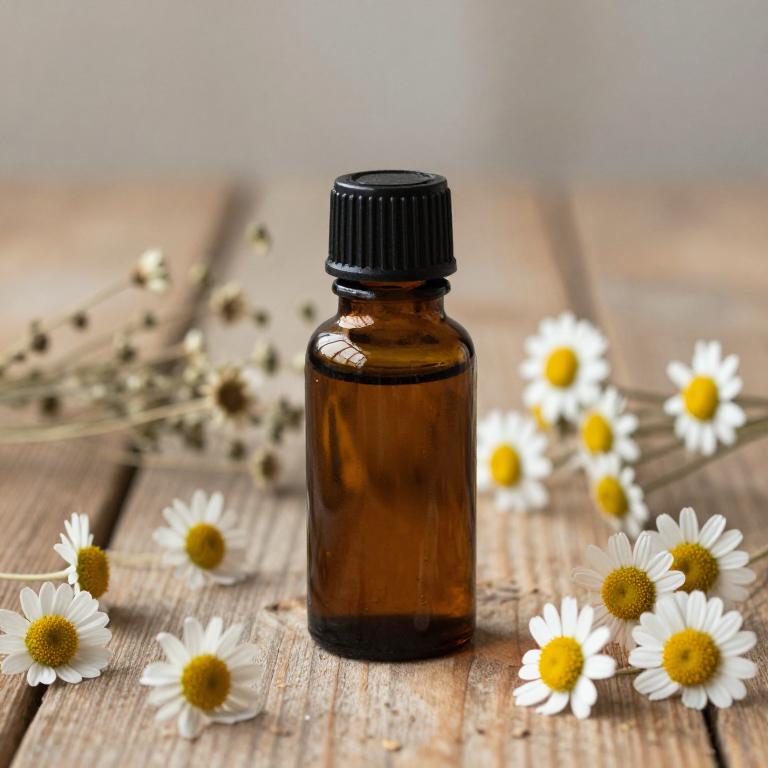
Chamomilla recutita, commonly known as German chamomile, is widely recognized for its calming and anti-inflammatory properties, making it a popular choice in the formulation of essential oils for dermatitis.
The essential oil derived from its flowers contains compounds such as bisabolol and chamazulene, which have demonstrated significant soothing and healing effects on irritated skin. When used in diluted form, chamomile essential oil can help reduce redness, itching, and inflammation associated with various types of dermatitis, including eczema and contact dermatitis. Its antimicrobial and antioxidant properties further support skin repair and prevent secondary infections.
However, it is important to use this essential oil with proper dilution and caution, as it may cause allergic reactions in some individuals.
7. Lemon grass (Cymbopogon citratus)
Cymbopogon citratus, commonly known as lemon grass, is a herb widely used in traditional medicine for its therapeutic properties.
Its essential oil, derived through steam distillation of the plant's leaves, contains compounds like citral, myrcene, and geraniol, which exhibit antimicrobial, anti-inflammatory, and antiseptic effects. These properties make it a potential natural remedy for dermatitis, a skin condition characterized by inflammation, itching, and redness. The essential oil's ability to reduce inflammation and combat bacterial or fungal infections may help alleviate symptoms associated with various types of dermatitis.
However, it is important to use the oil properly, often diluted with a carrier oil, to avoid skin irritation and ensure safe application.
8. Rosemary (Rosmarinus officinalis)
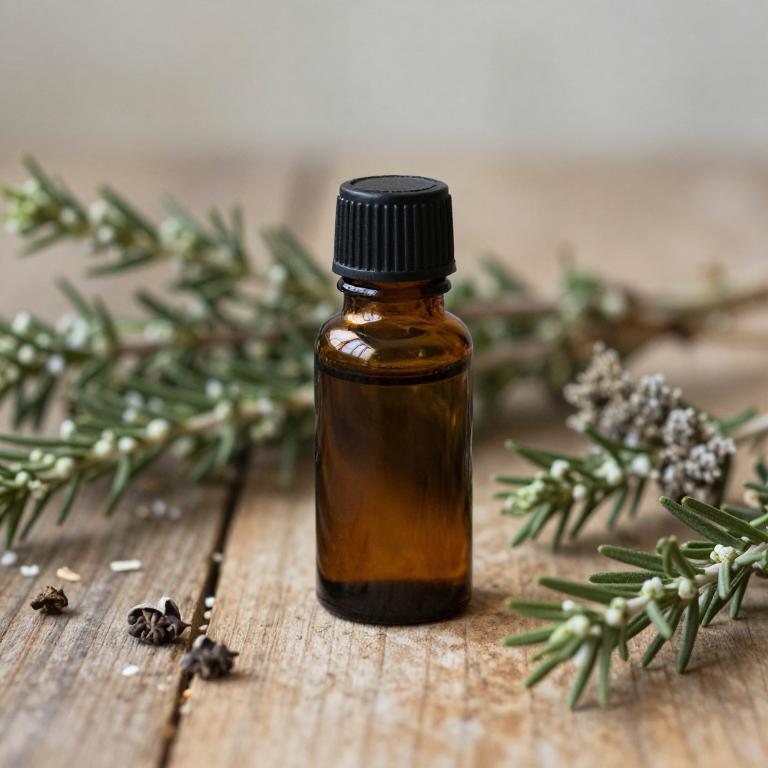
Rosmarinus officinalis, commonly known as rosemary, is a popular herb whose essential oil is widely used in natural remedies for various skin conditions, including dermatitis.
The essential oil contains compounds like cineole, camphor, and pinene, which have antimicrobial, anti-inflammatory, and antioxidant properties that can help reduce skin irritation and redness. When properly diluted, rosemary essential oil can be applied topically to soothe inflamed skin and promote healing. However, it is important to perform a patch test before use, as some individuals may experience allergic reactions.
Overall, rosemary essential oil offers a natural alternative for managing dermatitis symptoms when used safely and in conjunction with other dermatological treatments.
9. Ginger (Zingiber officinale)
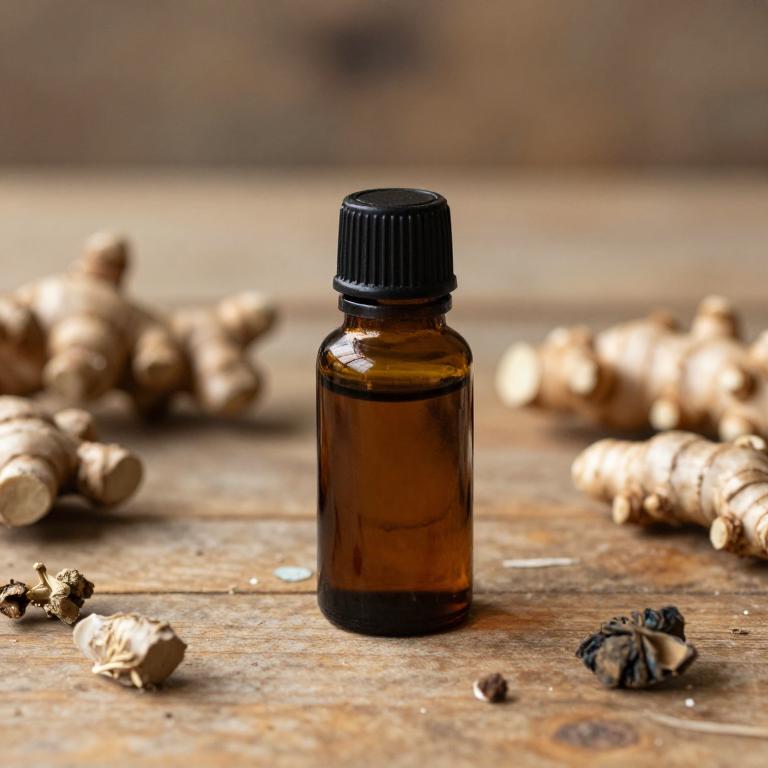
Zingiber officinale, commonly known as ginger, is a popular herb whose essential oil has been explored for its potential benefits in treating dermatitis.
The essential oil derived from ginger contains bioactive compounds such as gingerol and shogaol, which exhibit anti-inflammatory and antimicrobial properties. These properties may help reduce redness, itching, and infection associated with various forms of dermatitis. However, it is important to note that while preliminary studies show promise, more research is needed to fully understand its efficacy and safety for topical use.
As with any essential oil, proper dilution and patch testing are recommended to prevent skin irritation.
10. Turmeric (Curcuma longa)
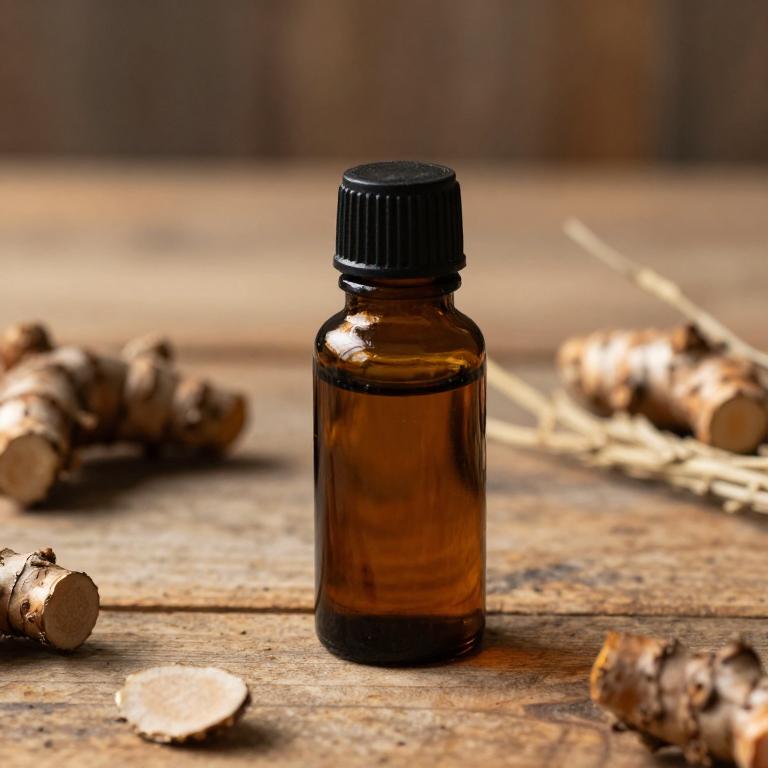
Curcuma longa, commonly known as turmeric, is a traditional herbal remedy that has gained attention for its potential benefits in treating dermatitis.
The essential oils derived from Curcuma longa contain bioactive compounds such as curcuminoids, which exhibit potent anti-inflammatory and antimicrobial properties. These properties make them useful in reducing skin inflammation and redness associated with conditions like eczema and contact dermatitis. However, it is important to note that essential oils from turmeric should be properly diluted before topical application to avoid skin irritation.
While preliminary studies suggest promising results, more clinical research is needed to fully understand their efficacy and safety in dermatological treatments.