10 Best Herbal Capsules For Dermatitis
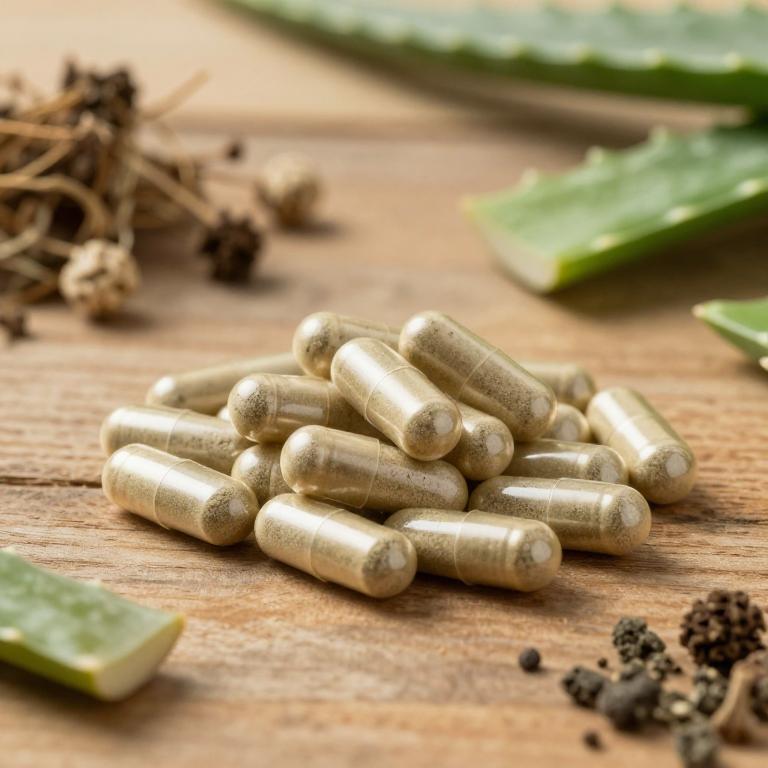
Herbal capsules for dermatitis are a popular natural remedy that contains various plant-based ingredients known for their anti-inflammatory and soothing properties.
These capsules often include herbs like calendula, chamomile, and licorice root, which are traditionally used to calm irritated skin and reduce redness. They are typically used as a complementary treatment alongside conventional dermatological care, offering a gentler alternative for individuals seeking to avoid synthetic chemicals. Herbal capsules may help alleviate symptoms such as itching and dryness, but their effectiveness can vary depending on the specific herb and individual response.
It is important to consult a healthcare professional before using herbal supplements, especially for those with severe or chronic dermatitis.
Table of Contents
- 1. Aloe vera (Aloe barbadensis)
- 2. St. john's wort (Hypericum perforatum)
- 3. Stinging nettle (Urtica dioica)
- 4. Chamomile (Matricaria chamomilla)
- 5. Ginger (Zingiber officinale)
- 6. Thistle (Silybum marianum)
- 7. Marigold (Calendula officinalis)
- 8. Chaste tree (Vitex agnus-castus)
- 9. English lavender (Lavandula angustifolia)
- 10. Echinacea (Echinacea purpurea)
1. Aloe vera (Aloe barbadensis)
Aloe barbadensis, commonly known as aloe vera, is widely used in herbal capsules for its soothing and anti-inflammatory properties, making it a popular natural remedy for dermatitis.
These capsules contain the gel extracted from the Aloe barbadensis plant, which is rich in vitamins, enzymes, and antioxidants that support skin health. When applied topically or taken internally, aloe vera may help reduce redness, itching, and irritation associated with eczema and other forms of dermatitis. Its ability to promote skin healing and moisturize makes it a valuable supplement for those seeking alternative treatments.
However, it is important to consult with a healthcare professional before starting any new supplement regimen, especially for individuals with sensitive skin or existing medical conditions.
2. St. john's wort (Hypericum perforatum)
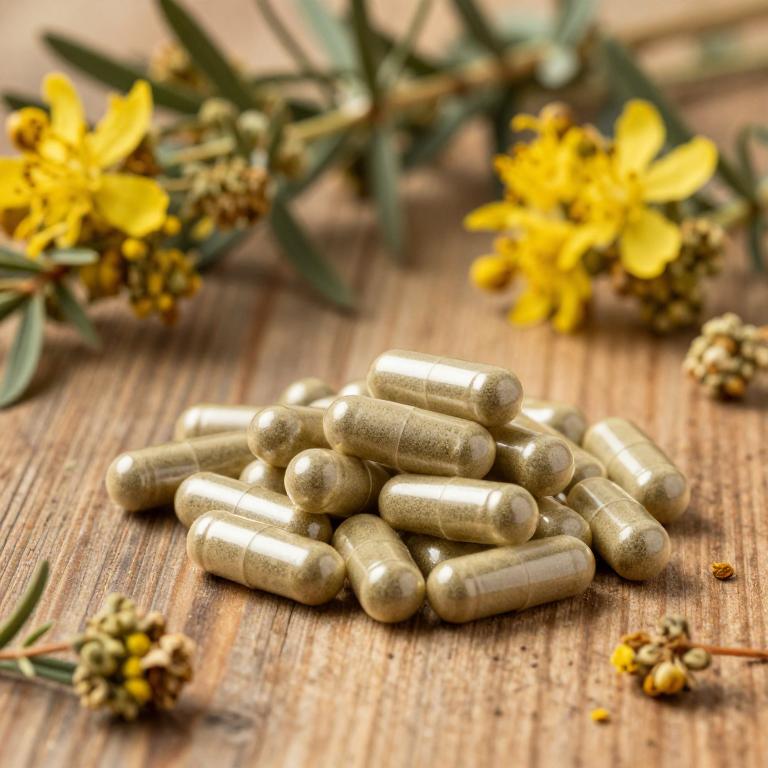
Hypericum perforatum, commonly known as St. John's Wort, is a herbal remedy that has been traditionally used for its potential anti-inflammatory and antiseptic properties.
When formulated into capsules, it offers a convenient and standardized way to consume this herb for managing dermatitis symptoms. Some studies suggest that the active compounds in hypericum perforatum, such as hyperforin and hypericin, may help reduce skin inflammation and redness associated with dermatitis. However, it is important to note that while some individuals may find relief from using St. John's Wort capsules, it can interact with certain medications and should be used under the guidance of a healthcare professional.
As with any herbal supplement, it is advisable to consult a healthcare provider before starting treatment for dermatitis.
3. Stinging nettle (Urtica dioica)
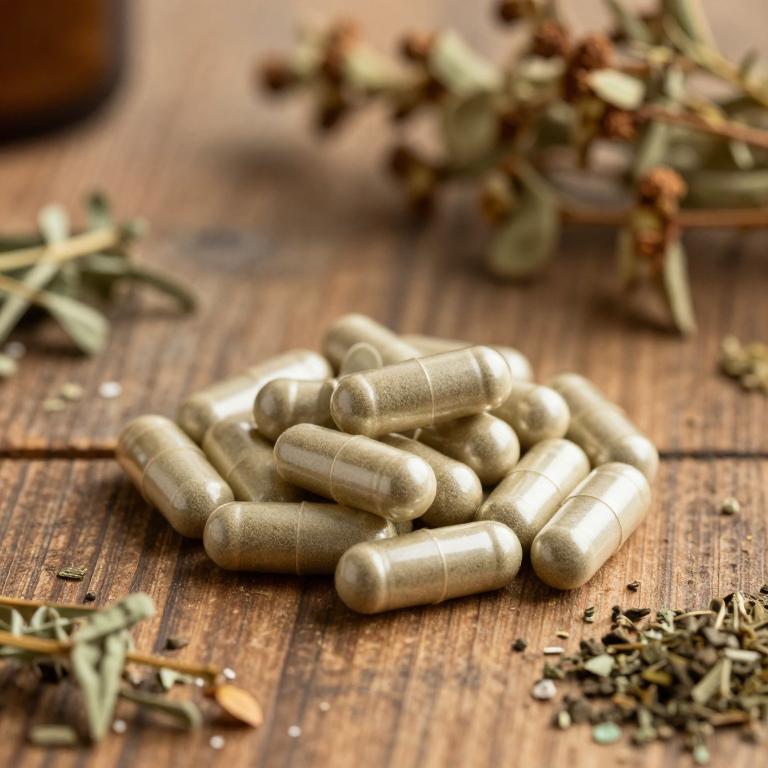
Urtica dioica, commonly known as stinging nettle, has been traditionally used for its anti-inflammatory and soothing properties, making it a popular ingredient in herbal capsules for dermatitis.
These capsules are often formulated to support skin health by reducing redness, itching, and irritation associated with various forms of dermatitis. The active compounds in Urtica dioica, such as flavonoids and omega-3 fatty acids, contribute to its ability to modulate the immune response and reduce histamine release. When used as a complementary therapy, Urtica dioica herbal capsules may help alleviate symptoms and promote overall skin healing.
However, it is important to consult with a healthcare professional before starting any new herbal supplement, especially for individuals with existing health conditions or those taking other medications.
4. Chamomile (Matricaria chamomilla)
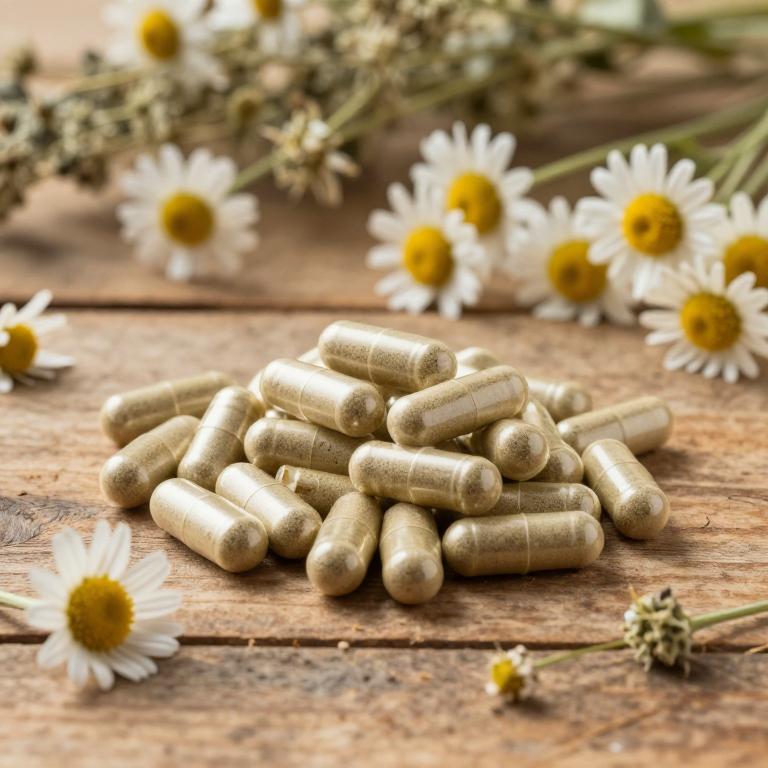
Matricaria chamomilla, commonly known as chamomile, is a popular herbal remedy used in the form of capsules to alleviate symptoms of dermatitis.
These capsules contain the dried flowers of the plant, which are rich in anti-inflammatory and antiseptic properties. Chamomile has been traditionally used to soothe irritated skin and reduce redness, making it a natural alternative for those with sensitive or inflamed skin conditions. When taken orally or applied topically, chamomile capsules may help to calm the skin and promote healing.
However, it is important to consult with a healthcare professional before using chamomile capsules, especially if you have allergies or are taking other medications.
5. Ginger (Zingiber officinale)
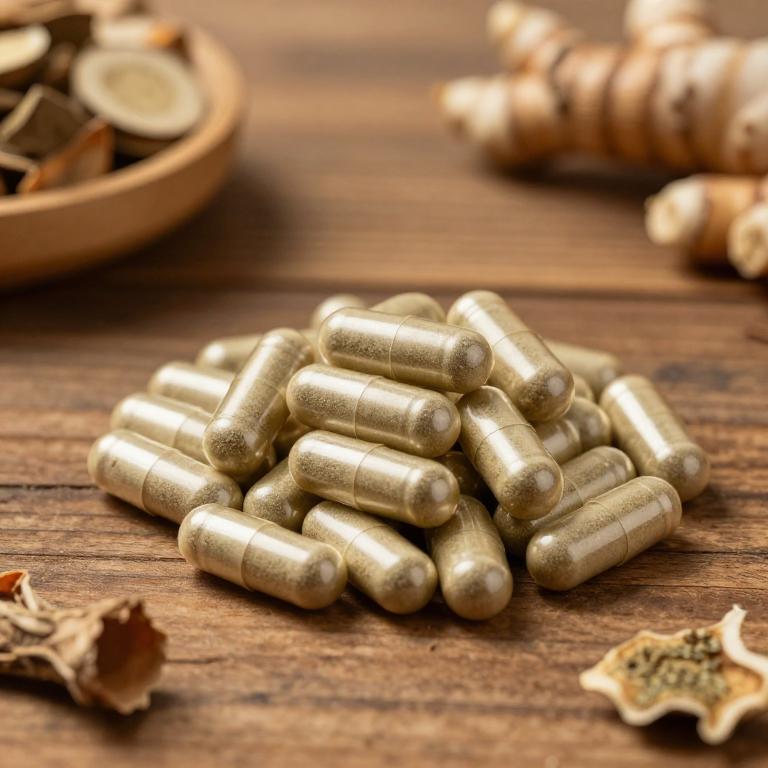
Zingiber officinale, commonly known as ginger, has been traditionally used for its anti-inflammatory and antioxidant properties, making it a potential natural remedy for dermatitis.
Herbal capsules containing zingiber officinale may help reduce skin inflammation and irritation associated with conditions like eczema and contact dermatitis. These capsules are typically made from dried ginger root and are often combined with other herbs to enhance their therapeutic effects. While some studies suggest ginger's potential benefits for skin health, more clinical research is needed to confirm its efficacy in treating dermatitis.
As with any herbal supplement, it is important to consult a healthcare professional before use, especially for individuals with existing medical conditions or those taking other medications.
6. Thistle (Silybum marianum)
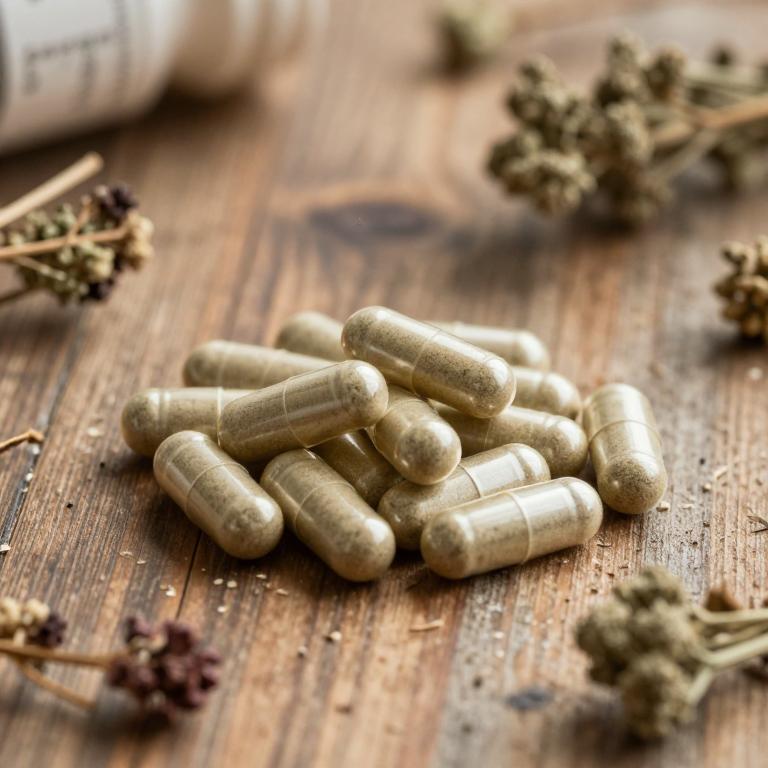
Silybum marianum, commonly known as milk thistle, is a herbal remedy that has been studied for its potential benefits in treating dermatitis due to its anti-inflammatory and antioxidant properties.
The active compound, silymarin, is believed to support skin health by reducing oxidative stress and modulating immune responses. Herbal capsules containing silybum marianum are often used as a complementary therapy to manage symptoms such as redness, itching, and irritation associated with various forms of dermatitis. These capsules are generally considered safe when taken as directed, though they may interact with certain medications or have side effects in some individuals.
While more research is needed, preliminary evidence suggests that silybum marianum may offer a natural alternative or adjunct to conventional treatments for dermatitis.
7. Marigold (Calendula officinalis)
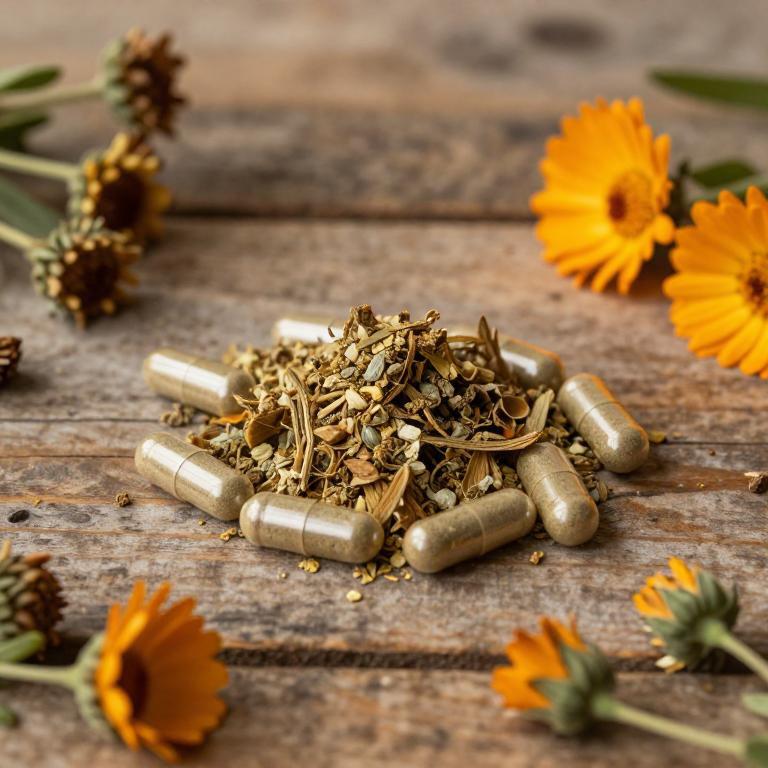
Calendula officinalis herbal capsules are commonly used to support skin health and alleviate symptoms of dermatitis due to their anti-inflammatory and antimicrobial properties.
These capsules contain standardized extracts of the Calendula flower, which has been traditionally used in herbal medicine for its soothing effects on irritated skin. Clinical studies suggest that calendula may help reduce redness, itching, and inflammation associated with eczema and other forms of dermatitis. The capsules offer a convenient and natural alternative for individuals seeking non-steroidal treatment options for skin conditions.
When used as part of a holistic approach, calendula officinalis capsules can provide gentle relief and promote the healing of sensitive skin.
8. Chaste tree (Vitex agnus-castus)
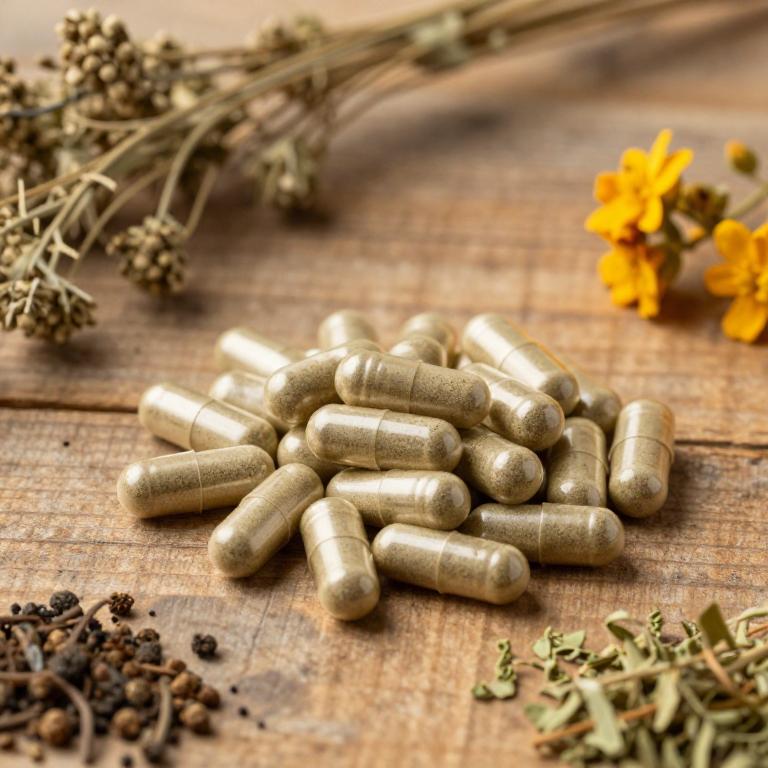
Vitex agnus-castus, commonly known as chaste tree, has been traditionally used for its potential hormonal balancing properties, which may support skin health.
Herbal capsules containing vitex agnus-castus are often used as a natural remedy for dermatitis, particularly in cases linked to hormonal imbalances or stress-induced flare-ups. These capsules are believed to help regulate sebum production and reduce inflammation, thereby alleviating symptoms such as redness, itching, and dryness. While research on its efficacy for dermatitis is limited, some studies suggest that vitex may modulate immune responses and improve skin barrier function.
As with any herbal supplement, it is important to consult a healthcare professional before use, especially for individuals with existing medical conditions or those taking other medications.
9. English lavender (Lavandula angustifolia)
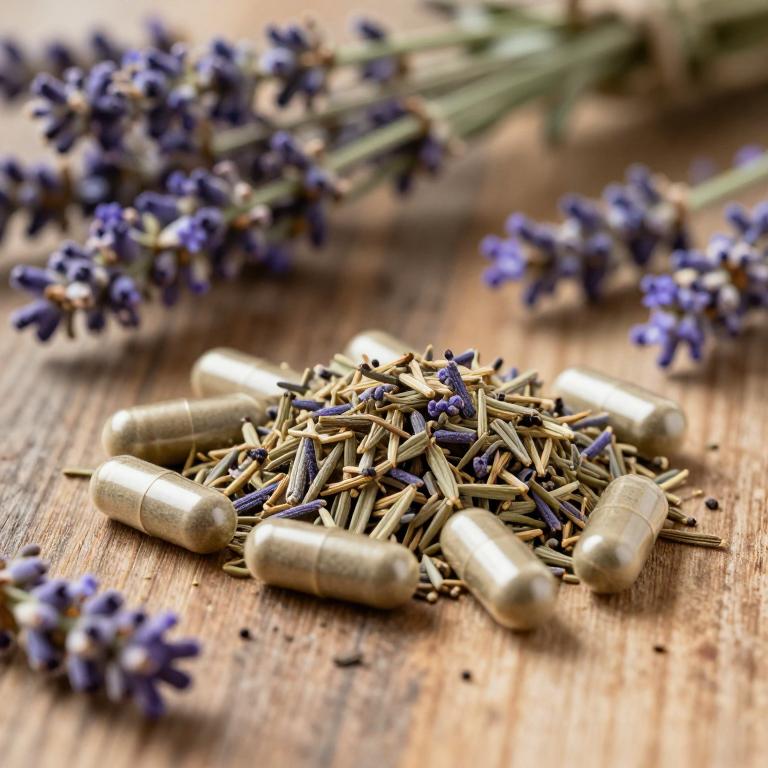
Lavandula angustifolia, commonly known as English lavender, is widely used in herbal medicine for its soothing and anti-inflammatory properties.
Herbal capsules containing Lavandula angustifolia are often recommended for individuals suffering from dermatitis due to their ability to reduce skin irritation and redness. These capsules typically contain standardized extracts of the plant, ensuring consistent potency and effectiveness. The essential oils in lavender have antimicrobial and calming effects, which can help alleviate symptoms associated with eczema and contact dermatitis.
When used as part of a holistic approach, lavender herbal capsules may provide a natural and gentle alternative to conventional treatments for managing dermatitis.
10. Echinacea (Echinacea purpurea)
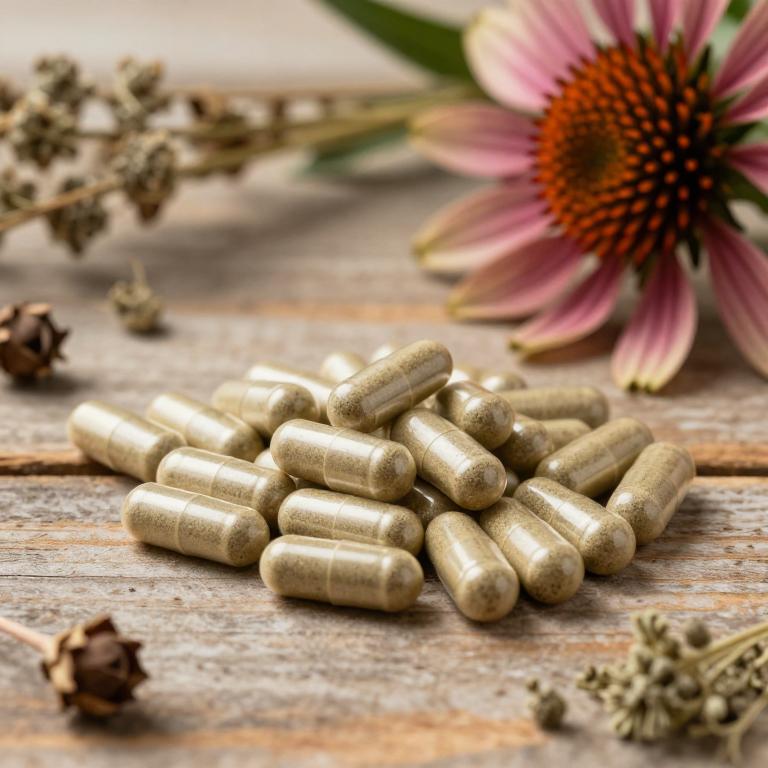
Echinacea purpurea, commonly known as purple coneflower, is a popular herbal remedy often used in the form of capsules to support skin health.
These capsules are believed to possess anti-inflammatory and immunomodulatory properties that may help alleviate symptoms of dermatitis, such as redness, itching, and irritation. Some studies suggest that echinacea can reduce the severity of eczema by modulating the immune response and decreasing skin inflammation. However, while anecdotal evidence supports its use, more rigorous clinical trials are needed to confirm its efficacy for dermatitis.
As with any herbal supplement, it is important to consult a healthcare provider before use, especially for individuals with allergies or those taking other medications.