10 Best Herbal Syrups For Dark Circles
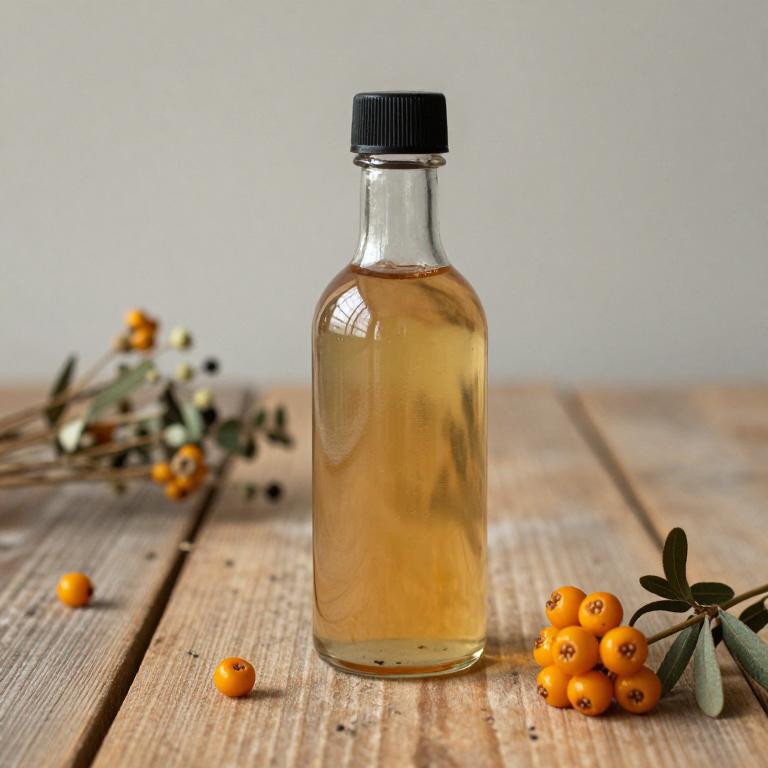
Herbal syrups for dark circles are traditional remedies that combine natural ingredients to address the underlying causes of under-eye discoloration.
These syrups often contain herbs like licorice root, chamomile, and green tea, which are known for their antioxidant and anti-inflammatory properties. When applied topically, they can help brighten the skin and reduce the appearance of dark circles by improving circulation and reducing puffiness. Some formulations may also include vitamins and minerals that support skin health and repair.
While herbal syrups are generally considered safe, it's advisable to consult a healthcare professional before use, especially for those with sensitive skin or existing medical conditions.
Table of Contents
- 1. Dog rose (Rosa canina)
- 2. Stinging nettle (Urtica dioica)
- 3. Chamomile (Matricaria chamomilla)
- 4. Camellia (Camellia sinensis)
- 5. Common grape (Vitis vinifera)
- 6. Thistle (Silybum marianum)
- 7. Turmeric (Curcuma longa)
- 8. Salvia (Salvia officinalis)
- 9. Rosemary (Rosmarinus officinalis)
- 10. Ginkgo (Ginkgo biloba)
1. Dog rose (Rosa canina)
Rosa canina, also known as rosehip, is a popular herbal ingredient known for its high vitamin C content and antioxidant properties, making it a key component in herbal syrups designed to reduce the appearance of dark circles.
These syrups are often formulated with other natural ingredients like licorice root, chamomile, and green tea to enhance their soothing and brightening effects. The antioxidants in Rosa canina help to improve circulation and reduce inflammation, which can contribute to the fading of dark under-eye circles. When applied topically or consumed as a syrup, Rosa canina may support skin health and promote a more even skin tone.
However, it is important to consult with a healthcare professional before using herbal syrups, especially if you have underlying medical conditions or are taking other medications.
2. Stinging nettle (Urtica dioica)
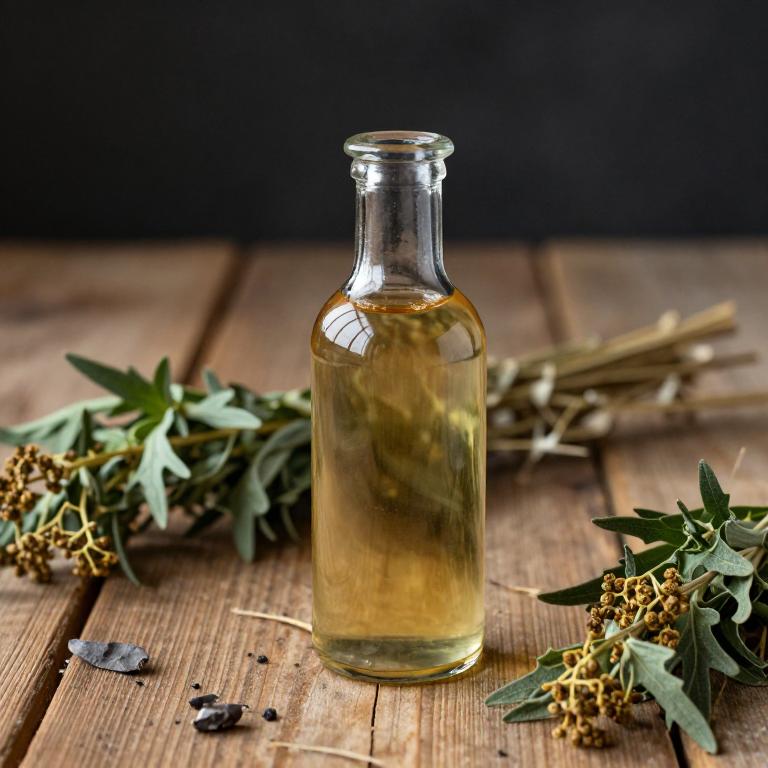
Urtica dioica, commonly known as stinging nettle, is often used in herbal syrups to address the appearance of dark circles under the eyes.
These syrups are believed to improve circulation and reduce puffiness, which can contribute to the formation of dark circles. The nutrients in stinging nettle, such as iron, vitamins A and C, and antioxidants, may help nourish the skin and promote a more even complexion. While some people use these syrups as a natural alternative to commercial eye creams, scientific evidence supporting their effectiveness for dark circles is limited.
It is advisable to consult a healthcare professional before incorporating herbal syrups into one's skincare routine.
3. Chamomile (Matricaria chamomilla)
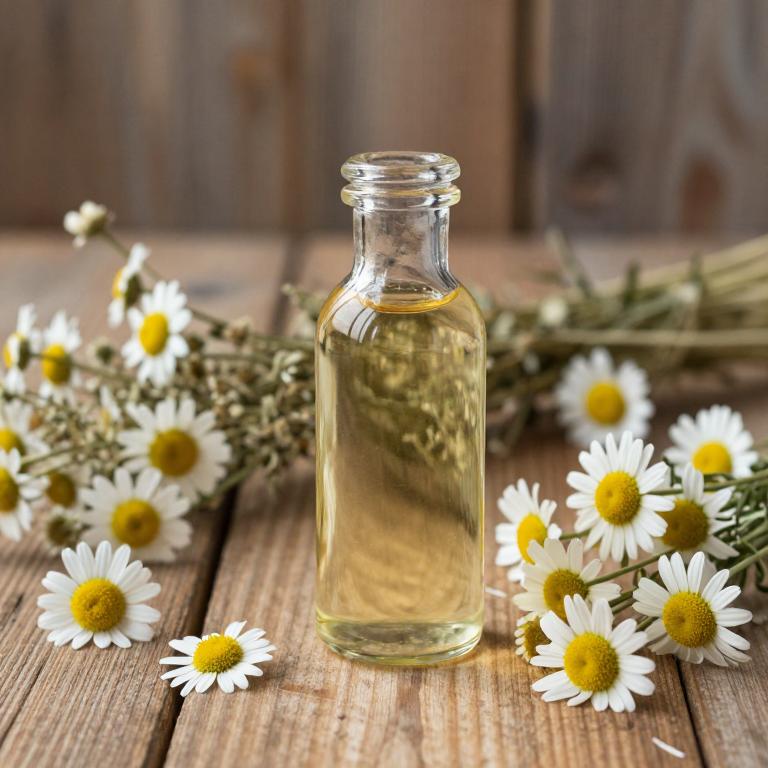
Matricaria chamomilla, commonly known as chamomile, is a popular herbal ingredient often used in herbal syrups for its calming and anti-inflammatory properties.
These syrups are traditionally believed to help reduce the appearance of dark circles under the eyes by improving circulation and soothing the delicate skin around the eyes. Chamomile contains antioxidants and essential oils that may help brighten the skin and reduce puffiness, making it a natural alternative to commercial eye creams. While scientific evidence supporting its effectiveness for dark circles is limited, many users report a noticeable improvement in the appearance of under-eye darkness when using chamomile-based products consistently.
As with any herbal remedy, it is advisable to consult a healthcare professional before incorporating chamomile syrup into your skincare routine, especially if you have allergies or existing skin conditions.
4. Camellia (Camellia sinensis)
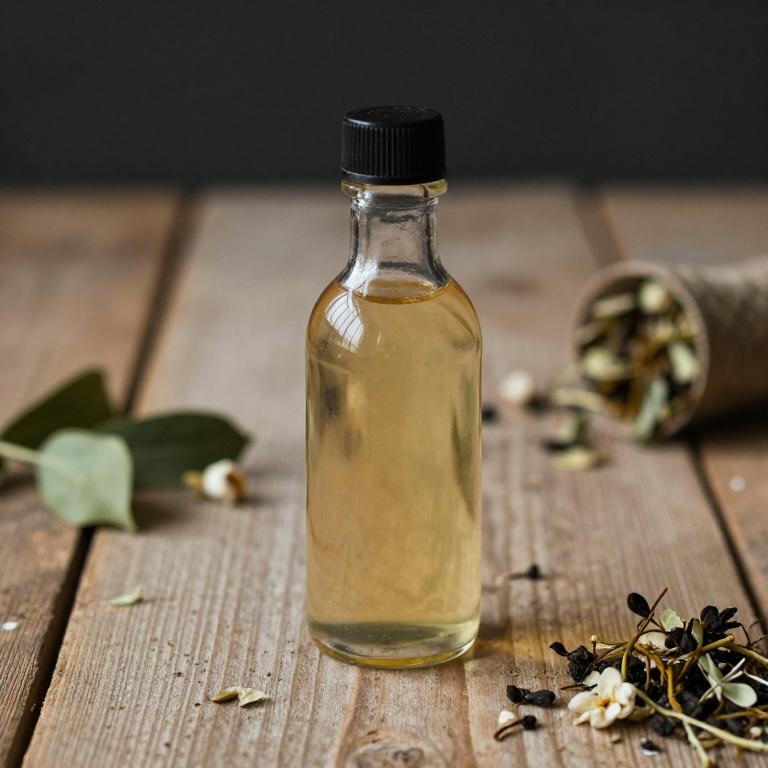
Camellia sinensis, the plant from which green and black teas are derived, is often used in herbal syrups for its antioxidant and anti-inflammatory properties.
These syrups are believed to help reduce the appearance of dark circles by improving circulation and reducing puffiness around the eyes. The caffeine and polyphenols in Camellia sinensis may stimulate blood flow and lighten pigmentation, leading to a more refreshed look. While not a substitute for medical treatments, these syrups are popular in holistic skincare routines for their natural and soothing effects.
However, results may vary, and it's advisable to consult a healthcare professional before use, especially for those with sensitive skin or underlying health conditions.
5. Common grape (Vitis vinifera)
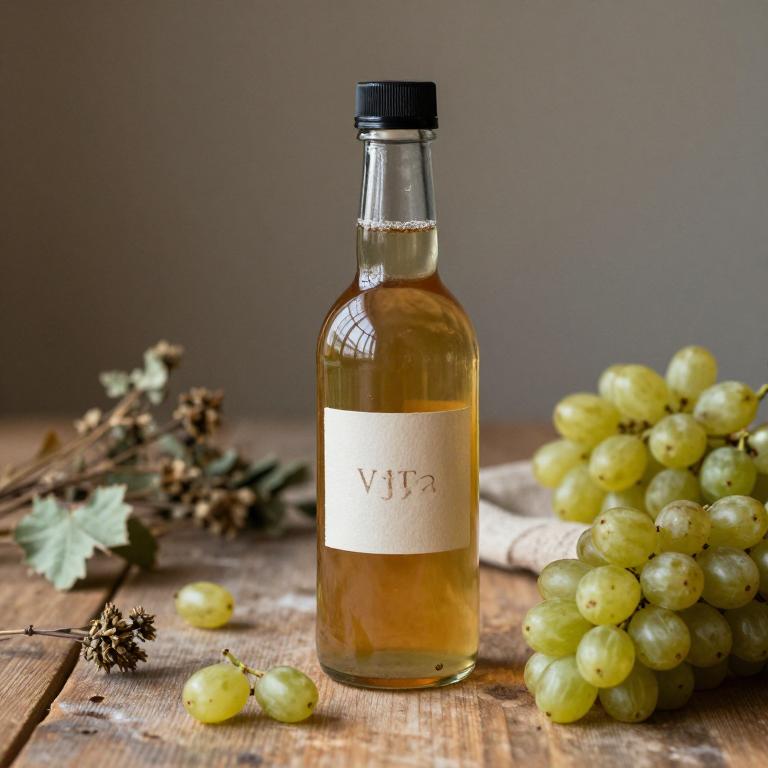
Vitis vinifera, commonly known as grapevine, has been traditionally used in herbal medicine for its antioxidant and anti-inflammatory properties.
Herbal syrups made from Vitis vinifera are often formulated to target dark circles under the eyes, which can be caused by factors such as lack of sleep, stress, or poor circulation. These syrups typically contain extracts rich in resveratrol, a powerful antioxidant that may help reduce oxidative stress and promote skin health. The application of Vitis vinifera syrup is believed to improve blood flow and lighten the under-eye area, offering a natural alternative to commercial dark circle treatments.
However, it is important to consult a healthcare professional before using any herbal remedy, especially for long-term or chronic skin concerns.
6. Thistle (Silybum marianum)
Silybum marianum, also known as milk thistle, is a herbal remedy that has been traditionally used for its potential liver-supporting properties.
While it is not specifically marketed for dark circles, some herbal syrups containing silybum marianum may be used as part of a holistic approach to improving skin health. These syrups are believed to support detoxification processes in the body, which may indirectly help reduce the appearance of dark under-eye circles. However, there is limited scientific evidence directly linking silybum marianum to the treatment of dark circles.
It is advisable to consult a healthcare professional before using any herbal supplements for skin concerns.
7. Turmeric (Curcuma longa)
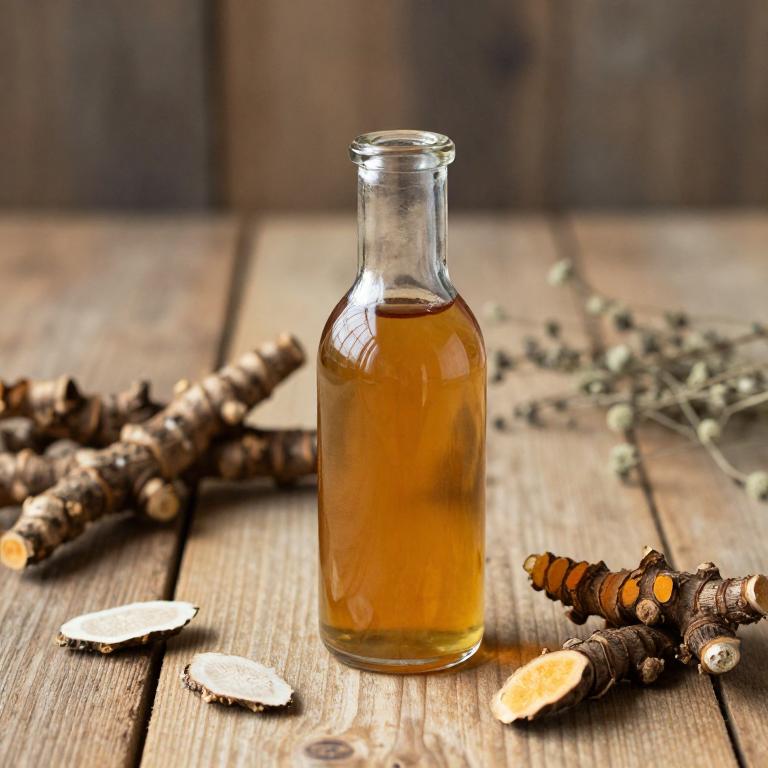
Curcuma longa, commonly known as turmeric, is a traditional herbal remedy that has been used for centuries due to its potent anti-inflammatory and antioxidant properties.
When formulated into a herbal syrup, curcuma longa can be an effective natural remedy for reducing the appearance of dark circles under the eyes, which are often caused by inflammation, poor circulation, or pigmentation. The active compound in turmeric, curcumin, helps to brighten the skin and improve blood flow, thereby diminishing the dark, shadowed appearance. To enhance absorption, curcuma longa syrups are often combined with black pepper extract, which contains piperine to increase bioavailability.
Regular use of this herbal syrup may lead to a noticeable improvement in the skin's tone and texture around the eyes, offering a natural alternative to commercial treatments.
8. Salvia (Salvia officinalis)
Salvia officinalis, commonly known as sage, has been traditionally used in herbal medicine for its various health benefits, including its potential to improve skin health.
Herbal syrups made from salvia officinalis are believed to support the body's natural healing processes and may help reduce the appearance of dark circles under the eyes. These syrups are often prepared by combining sage with other herbs and sweeteners, creating a soothing and nourishing tonic. While there is limited scientific evidence specifically linking sage syrup to the reduction of dark circles, some users report improved skin tone and reduced puffiness after regular use.
As with any herbal remedy, it is advisable to consult a healthcare professional before incorporating salvia officinalis syrup into your routine, especially if you have underlying health conditions or are taking medications.
9. Rosemary (Rosmarinus officinalis)
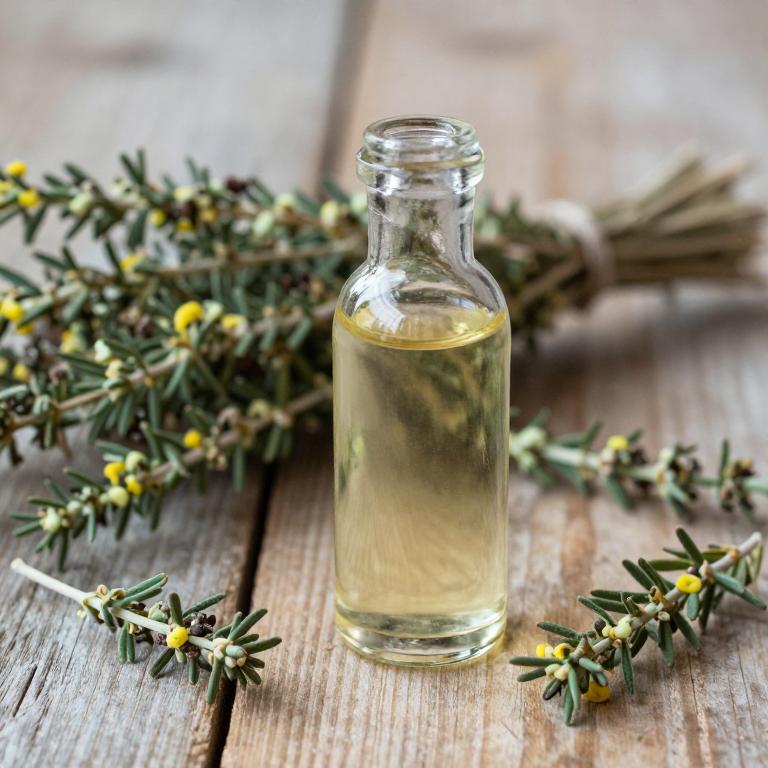
Rosmarinus officinalis, commonly known as rosemary, is a fragrant herb often used in herbal syrups for its potential benefits in reducing dark circles under the eyes.
These syrups are believed to improve circulation and reduce puffiness, which can contribute to the appearance of dark circles. The active compounds in rosemary, such as rosmarinic acid, may help in brightening the skin and promoting a more even complexion. When applied topically or consumed as a syrup, rosemary can support overall skin health and vitality.
However, it is important to consult a healthcare professional before using rosemary-based products, especially for those with sensitive skin or existing medical conditions.
10. Ginkgo (Ginkgo biloba)
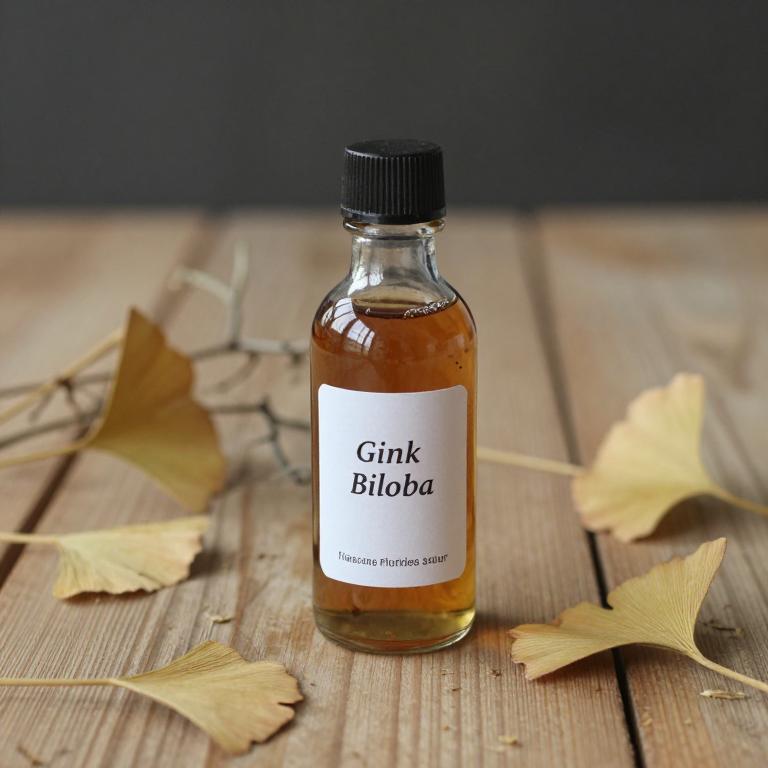
Ginkgo biloba herbal syrups are traditionally used to improve circulation and enhance overall vitality, which may help reduce the appearance of dark circles under the eyes.
These syrups contain antioxidants and flavonoids that support blood flow and reduce oxidative stress, potentially alleviating the dullness and discoloration associated with dark circles. While not a cure-all, ginkgo biloba syrups may complement other skincare routines by promoting a healthier complexion and reducing puffiness. They are typically made from concentrated extracts of the ginkgo leaf and are often combined with other herbs like vitamin C or green tea for added benefits.
However, it's important to consult a healthcare professional before use, especially for individuals with existing medical conditions or those taking medications.