10 Best Herbal Juices For Dark Circles

Herbal juices can be a natural and effective remedy for reducing the appearance of dark circles under the eyes.
Ingredients such as cucumber, parsley, and lemon are commonly used because they are rich in antioxidants, vitamins, and minerals that can brighten the skin and improve circulation. These juices help to hydrate the delicate under-eye area, which can minimize the visibility of dark circles caused by fatigue or dehydration. Regular consumption of these herbal juices may also support overall skin health, leading to a more radiant and youthful appearance.
However, it's important to consult with a healthcare professional before incorporating new herbal remedies into your routine, especially if you have any underlying health conditions.
Table of Contents
- 1. Dog rose (Rosa canina)
- 2. Stinging nettle (Urtica dioica)
- 3. Thistle (Silybum marianum)
- 4. St. john's wort (Hypericum perforatum)
- 5. Chaste tree (Vitex agnus-castus)
- 6. Camellia (Camellia sinensis)
- 7. Blessed thistle (Cnicus benedictus)
- 8. Aloe vera (Aloe barbadensis)
- 9. Chamomile (Matricaria chamomilla)
- 10. Centella (Centella asiatica)
1. Dog rose (Rosa canina)
Rosa canina, also known as dog rose, is a traditional herbal remedy that has been used for centuries to support skin health and reduce the appearance of dark circles.
Its high content of antioxidants, vitamins, and essential nutrients helps to brighten the under-eye area and improve overall skin tone. Rosa canina herbal juices are often rich in vitamin C, which plays a key role in collagen production and skin rejuvenation. When consumed internally, these juices can enhance circulation and reduce puffiness, contributing to a more youthful and radiant complexion.
Incorporating rosa canina into your daily routine may offer natural and effective support for addressing the visible signs of fatigue and aging around the eyes.
2. Stinging nettle (Urtica dioica)
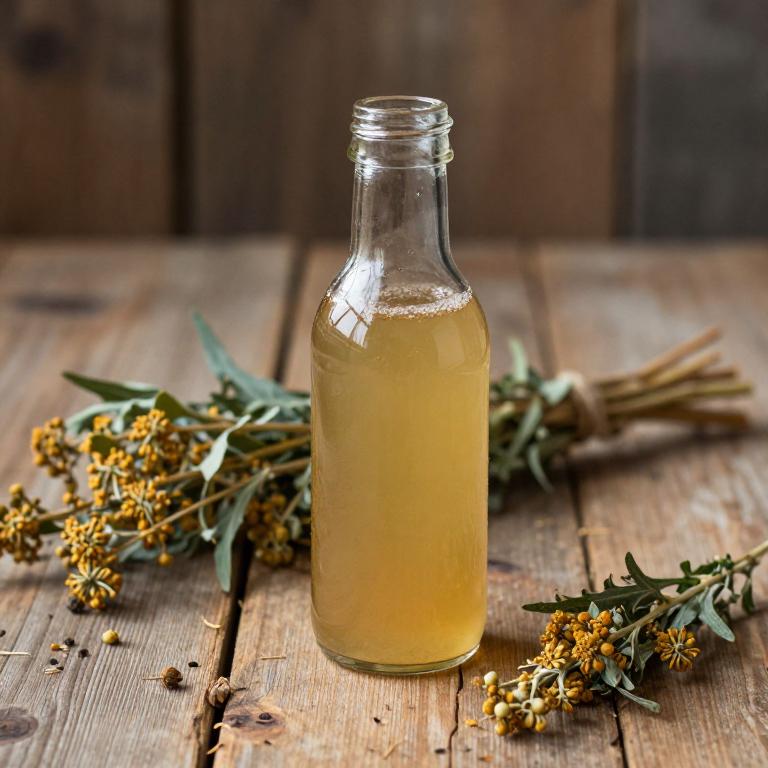
Urtica dioica, commonly known as stinging nettle, is a potent herb that has been traditionally used for its rich nutritional profile and medicinal benefits.
When prepared as a herbal juice, it can help reduce the appearance of dark circles by improving circulation and reducing inflammation around the eyes. The high content of vitamins A, C, and K in stinging nettle juice supports skin health and can brighten the under-eye area. Regular consumption of this juice may also help detoxify the body, promoting overall skin radiance.
However, it is important to consult with a healthcare professional before incorporating it into your routine, especially if you have any allergies or existing health conditions.
3. Thistle (Silybum marianum)
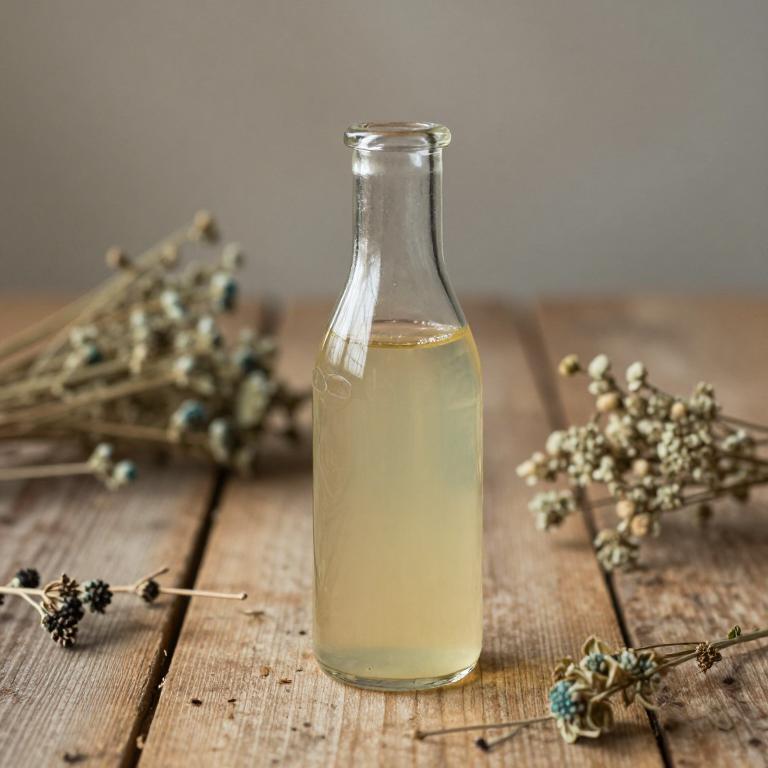
Silybum marianum, also known as milk thistle, is a herbal plant often used in the form of juice to support liver health and potentially improve skin conditions.
While it is not a direct treatment for dark circles, some proponents believe that its antioxidant and anti-inflammatory properties may help reduce the appearance of dark under-eye circles by improving overall skin health and circulation. The active compound, silymarin, is thought to promote cellular repair and detoxification, which could indirectly benefit the skin around the eyes. However, there is limited scientific evidence specifically linking silybum marianum juice to the reduction of dark circles, and it is generally recommended to consult a healthcare professional before using it for such purposes.
As with any herbal remedy, individual results may vary, and it should be used as part of a holistic approach to skin care.
4. St. john's wort (Hypericum perforatum)
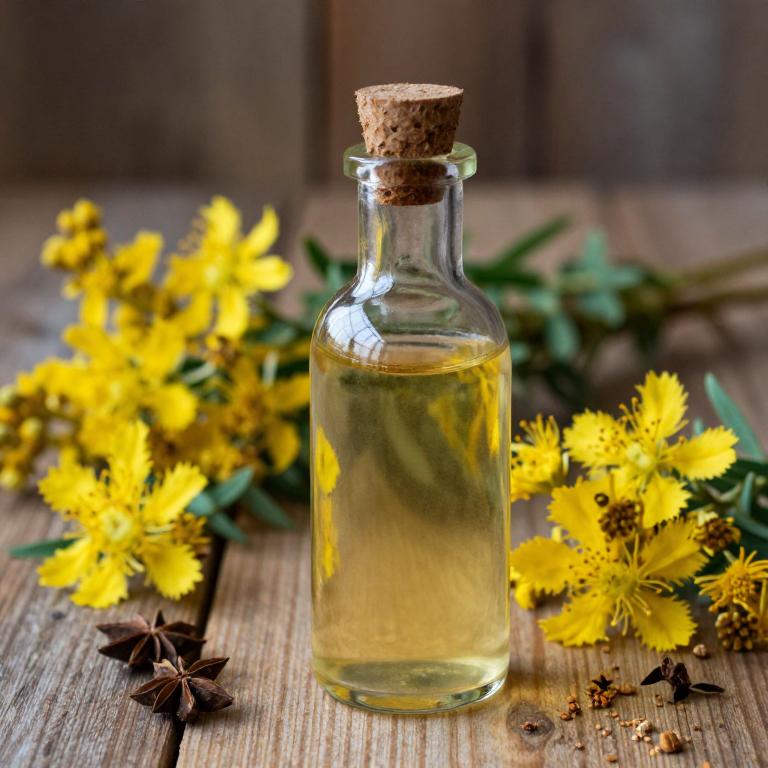
Hypericum perforatum, commonly known as St. John's Wort, is a herbal plant often used in traditional medicine for its potential health benefits.
While it is primarily recognized for its antidepressant properties, some people use St. John's Wort herbal juices to address issues like dark circles under the eyes. The active compounds in St. John's Wort, such as hypericin and flavonoids, may help reduce inflammation and improve circulation, which could potentially lighten dark circles. However, it is important to note that scientific evidence supporting its effectiveness for this specific use is limited.
As with any herbal remedy, it is advisable to consult a healthcare professional before incorporating St. John's Wort juice into your routine, especially if you are taking other medications or have underlying health conditions.
5. Chaste tree (Vitex agnus-castus)
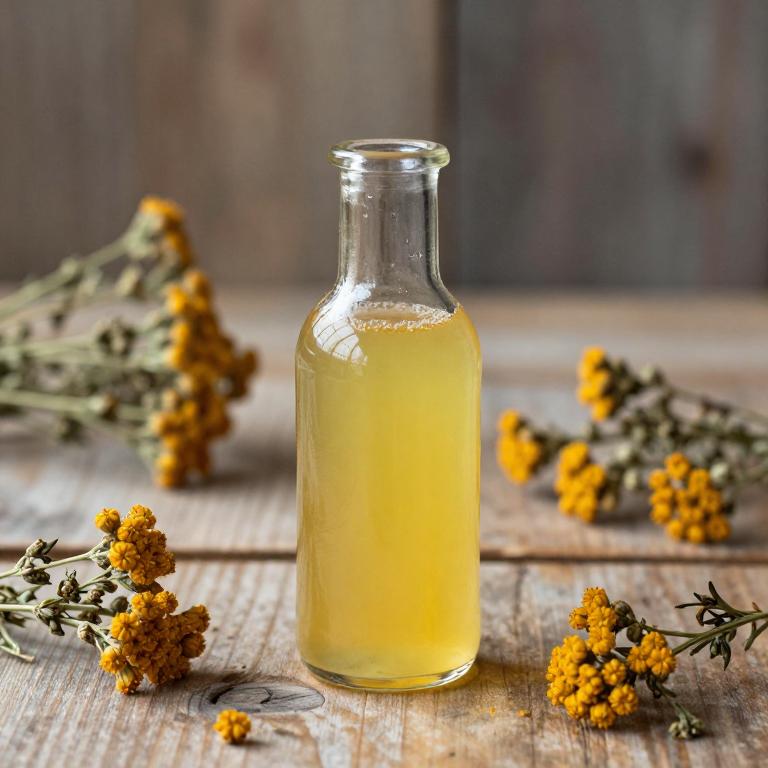
Vitex agnus-castus, commonly known as chasteberry, has been traditionally used in herbal medicine for its potential benefits in supporting hormonal balance and skin health.
When incorporated into herbal juices, it may help reduce the appearance of dark circles by improving circulation and promoting a healthier complexion. The antioxidants present in vitex can combat oxidative stress, which is often linked to the formation of dark under-eye areas. While scientific evidence is limited, many users report improved skin tone and reduced puffiness when using chasteberry-based herbal remedies consistently.
It is important to consult with a healthcare professional before incorporating vitex into your regimen, especially if you have existing health conditions or are taking other medications.
6. Camellia (Camellia sinensis)
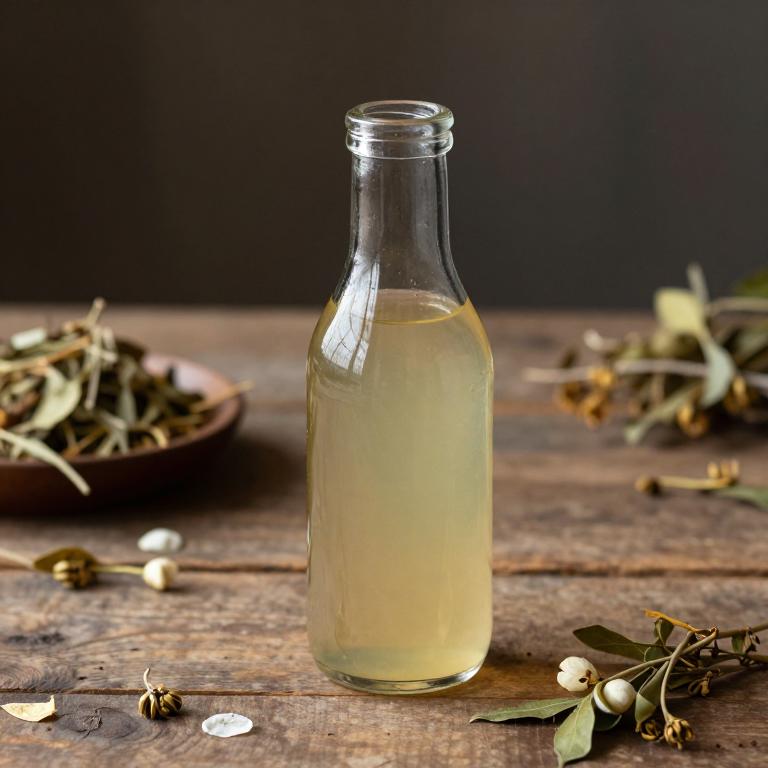
Camellia sinensis, the plant from which green and black teas are derived, is known for its high concentration of antioxidants and polyphenols, which may contribute to its potential benefits for skin health.
Herbal juices made from Camellia sinensis are sometimes marketed for their ability to improve circulation and reduce the appearance of dark circles under the eyes, as they may help to brighten the skin and reduce puffiness. However, there is limited scientific evidence supporting these specific claims, and results can vary depending on individual skin types and conditions. While some people may find these juices beneficial as part of a holistic skincare routine, it is important to consult with a dermatologist for personalized advice.
Overall, Camellia sinensis herbal juices can be a natural complement to skincare, but they should not replace proven treatments for dark circles.
7. Blessed thistle (Cnicus benedictus)
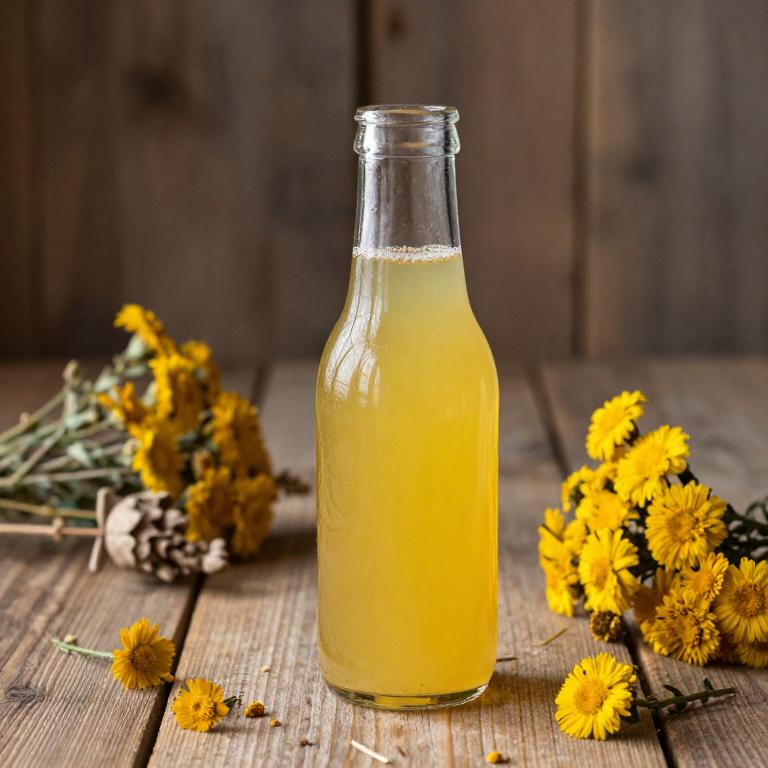
Cnicus benedictus, also known as sweet everlasting, is a herb that has been traditionally used for its potential skin benefits, including the reduction of dark circles.
When incorporated into herbal juices, it is believed to help improve circulation and brighten the under-eye area due to its high content of antioxidants and anti-inflammatory compounds. These juices may support the fading of dark circles by promoting skin renewal and reducing puffiness. However, it is important to consult with a healthcare professional before using Cnicus benedictus, especially if you have any pre-existing medical conditions or are taking medications.
While some people report positive results, more scientific research is needed to fully understand its effectiveness for this specific use.
8. Aloe vera (Aloe barbadensis)
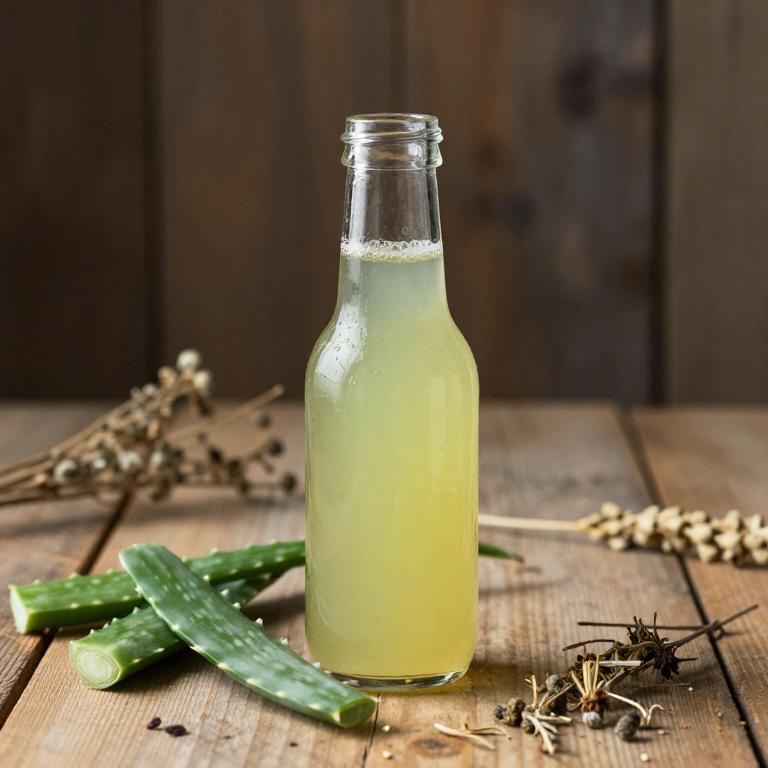
Aloe barbadensis, commonly known as aloe vera, is often used in herbal juices for its potential benefits in reducing dark circles under the eyes.
The gel extracted from the aloe plant contains enzymes, vitamins, and minerals that may help improve skin texture and promote healing. When consumed as part of a herbal juice, aloe vera may support overall skin health and reduce the appearance of dark circles by enhancing circulation and reducing inflammation. Some people believe that drinking aloe vera juice can detoxify the body and improve the skin's natural glow, which may help fade dark circles over time.
However, it is important to consult a healthcare professional before incorporating aloe vera into your diet, especially if you have existing health conditions or are taking medications.
9. Chamomile (Matricaria chamomilla)
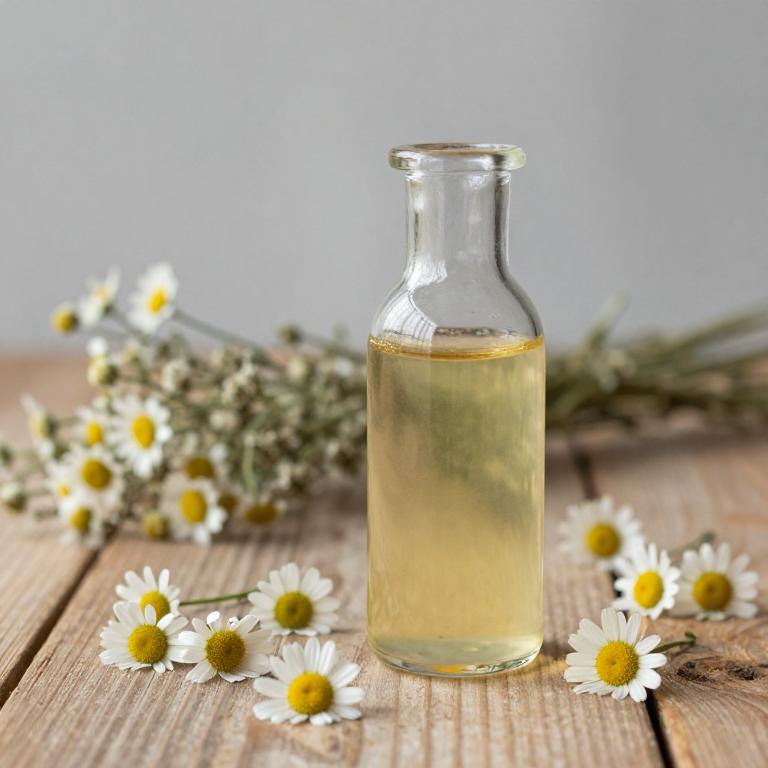
Matricaria chamomilla, commonly known as chamomile, is a gentle herbal remedy often used in the form of herbal juices to address the appearance of dark circles under the eyes.
The anti-inflammatory and antioxidant properties of chamomile help reduce puffiness and improve circulation, which can diminish the visibility of dark circles. When consumed as a juice, chamomile supports overall skin health from within, promoting a more radiant and even complexion. Its calming effects also help reduce stress-related skin issues that may contribute to the formation of dark circles.
However, it is important to consult with a healthcare professional before incorporating chamomile juice into your routine, especially if you have allergies or are taking medications.
10. Centella (Centella asiatica)
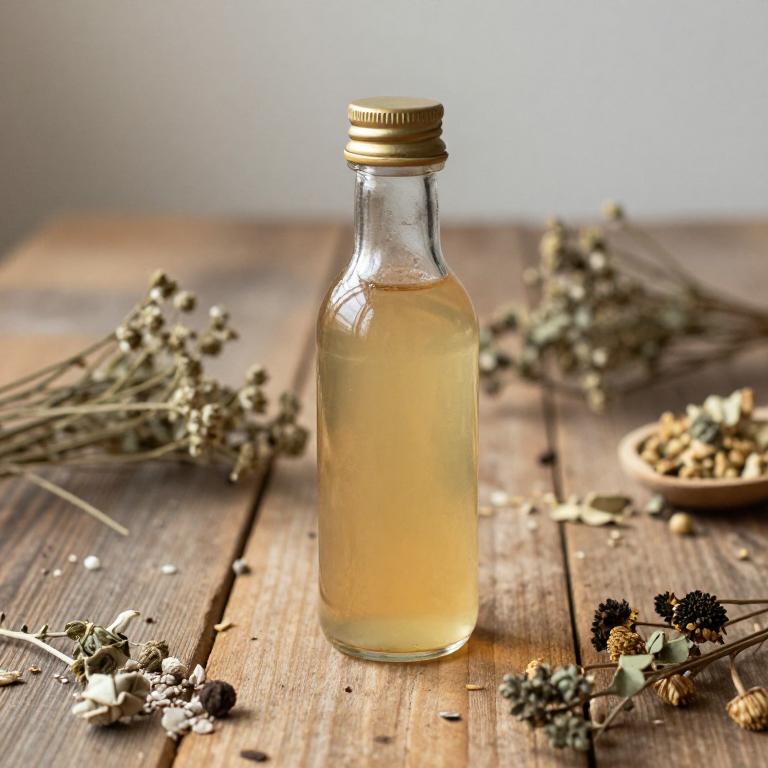
Centella asiatica, also known as gotu kola, is a traditional herbal plant that has been used for centuries in Ayurvedic and Chinese medicine for its skin-rejuvenating properties.
When incorporated into herbal juices, centella asiatica can help reduce the appearance of dark circles by improving circulation and strengthening blood vessels under the eyes. The active compounds in centella asiatica, such as asiatic acid and madecassic acid, promote collagen production and enhance skin elasticity, which can brighten the under-eye area. Regular consumption of centella asiatica herbal juice may also help reduce puffiness and inflammation, contributing to a more youthful and refreshed appearance.
However, it is advisable to consult with a healthcare professional before incorporating this herbal juice into your routine, especially if you have any pre-existing health conditions or are taking medications.