10 Best Herbal Creams For Dark Circles
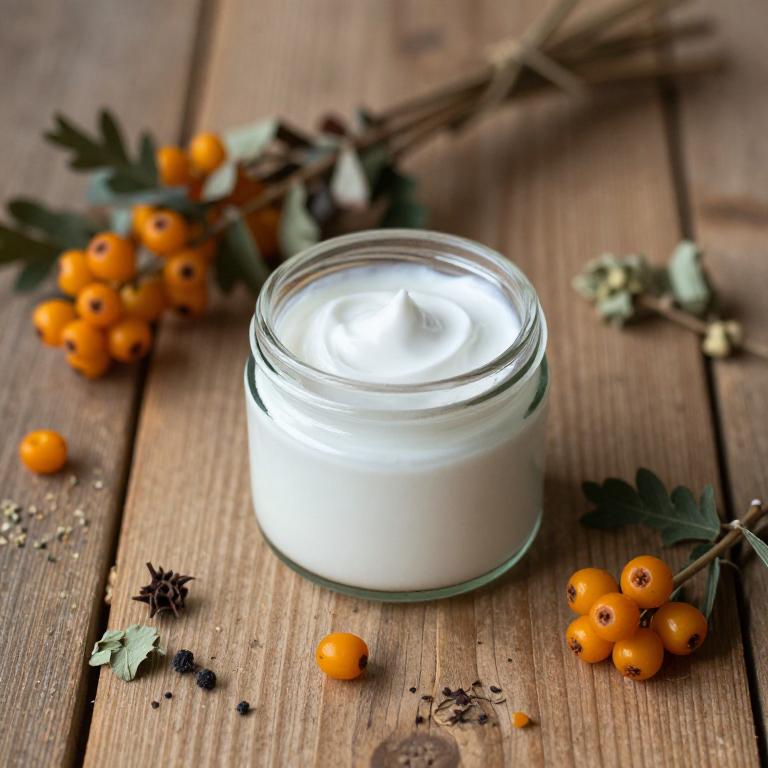
Herbal creams for dark circles are natural skincare products that contain plant-based ingredients known for their soothing and rejuvenating properties.
These creams often include ingredients like chamomile, calendula, and green tea, which are believed to reduce inflammation and improve circulation around the eyes. They are popular among individuals seeking a gentler alternative to chemical-laden treatments for under-eye darkness. Many herbal creams also contain vitamins and antioxidants that help brighten the skin and promote a more even complexion.
While they may not provide immediate results, consistent use can lead to a noticeable improvement in the appearance of dark circles over time.
Table of Contents
- 1. Dog rose (Rosa canina)
- 2. Chamomile (Matricaria chamomilla)
- 3. Camellia (Camellia sinensis)
- 4. Thistle (Silybum marianum)
- 5. Centella (Centella asiatica)
- 6. Common grape (Vitis vinifera)
- 7. Aloe vera (Aloe barbadensis)
- 8. Stinging nettle (Urtica dioica)
- 9. English lavender (Lavandula angustifolia)
- 10. Ginger (Zingiber officinale)
1. Dog rose (Rosa canina)
Rosa canina, also known as dog rose, is a natural ingredient commonly used in herbal creams for its soothing and nourishing properties.
These creams are formulated to target dark circles by improving circulation and reducing the appearance of tired, under-eye discoloration. The antioxidants and vitamins present in Rosa canina help to brighten the skin and promote a more youthful, radiant complexion. Many users report a noticeable improvement in the texture and tone of their under-eye area after consistent use.
As a gentle, plant-based alternative to chemical-laden products, Rosa canina herbal creams are popular among those seeking natural skincare solutions.
2. Chamomile (Matricaria chamomilla)
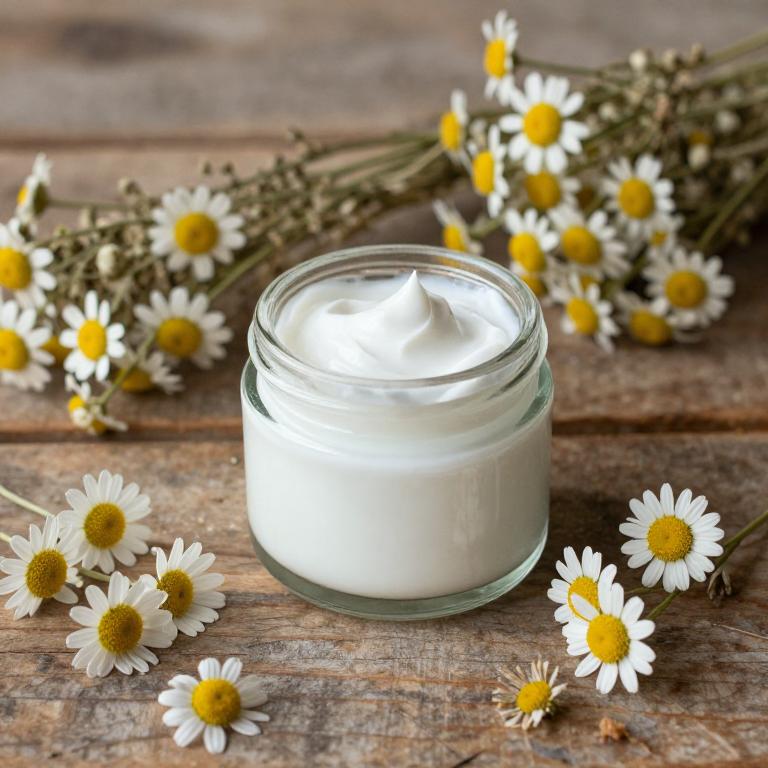
Matricaria chamomilla, commonly known as chamomile, is a herbal ingredient often used in creams designed to target dark circles under the eyes.
These creams leverage chamomile's anti-inflammatory and antioxidant properties to reduce puffiness and brighten the skin's appearance. Chamomile contains compounds like bisabolol and chamazulene, which help soothe irritation and promote skin regeneration. When applied topically, chamomile-infused creams can improve circulation and lighten hyperpigmentation associated with dark circles.
As a natural alternative to chemical-based treatments, chamomile creams offer a gentle and calming approach to addressing under-eye concerns.
3. Camellia (Camellia sinensis)
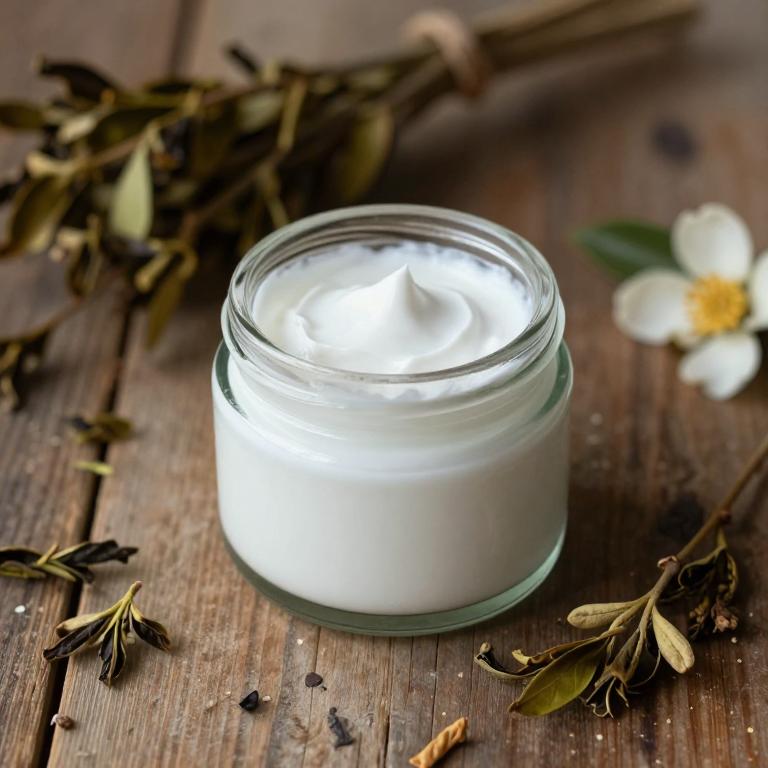
Camellia sinensis, commonly known as the plant source of green tea, is increasingly being incorporated into herbal creams designed to address dark circles under the eyes.
These creams leverage the antioxidant properties of green tea extract to reduce inflammation and improve skin tone. The caffeine in Camellia sinensis helps constrict blood vessels, which can diminish the appearance of dark circles caused by puffiness or poor circulation. Additionally, the anti-inflammatory and soothing effects of green tea may promote overall skin health and reduce the signs of fatigue.
While these creams are natural and generally safe, they should be used consistently for optimal results and in conjunction with a healthy lifestyle for best outcomes.
4. Thistle (Silybum marianum)
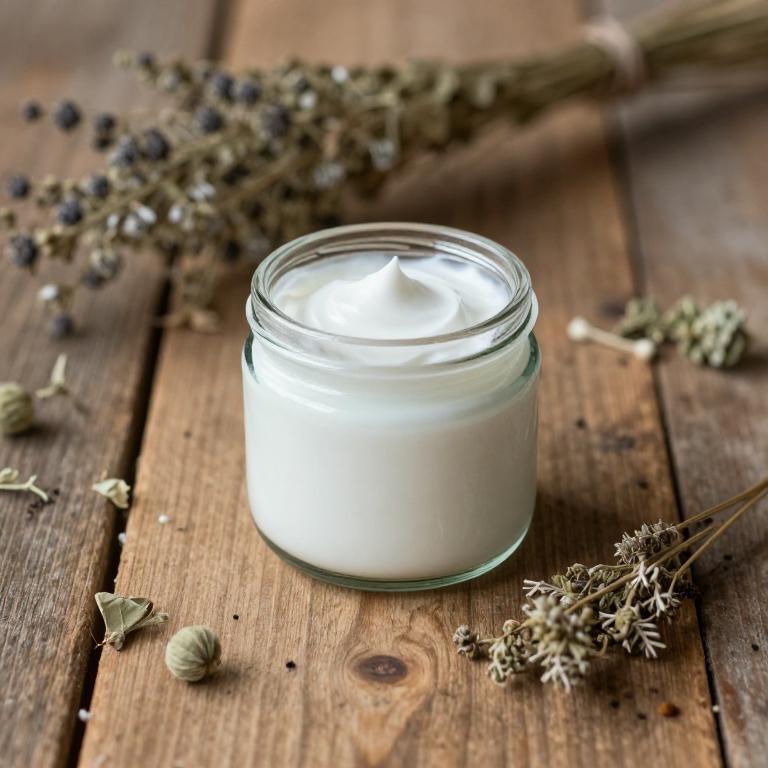
Silybum marianum, also known as milk thistle, is a herbal remedy commonly used in the formulation of creams aimed at reducing dark circles under the eyes.
These creams are believed to work by promoting circulation and reducing oxidative stress, which can contribute to the appearance of dark under-eye patches. The active compounds in silybum marianum, such as silymarin, are thought to have anti-inflammatory and antioxidant properties that may help brighten the skin and improve its overall texture. While some users report positive results, scientific evidence supporting the effectiveness of these creams for dark circles is limited.
As with any topical product, it is advisable to patch test and consult a dermatologist before incorporating silybum marianum creams into your skincare routine.
5. Centella (Centella asiatica)
Centella asiatica herbal creams are popular natural remedies for reducing the appearance of dark circles due to their rich content of active compounds like asiatic acid and madecassol, which promote skin repair and collagen production.
These creams are known for their soothing and anti-inflammatory properties, making them suitable for sensitive under-eye areas. They help improve circulation and brighten the skin, which can diminish the look of dark circles caused by fatigue or allergies. Many formulations also contain other beneficial ingredients like vitamin E and green tea extract to enhance their effectiveness.
Overall, centella asiatica creams offer a gentle yet effective approach to addressing dark circles with a natural and holistic method.
6. Common grape (Vitis vinifera)
Vitis vinifera, commonly known as the grape vine, is a plant that has been used for centuries in traditional medicine for its antioxidant and anti-inflammatory properties.
Herbal creams infused with Vitis vinifera extract are gaining popularity for their potential to reduce the appearance of dark circles under the eyes. These creams work by improving circulation and reducing puffiness, which are common causes of dark under-eye circles. The polyphenols in Vitis vinifera help protect the skin from oxidative stress, promoting a more even skin tone.
When used consistently, these creams may offer a natural and effective solution for those looking to brighten and rejuvenate the under-eye area.
7. Aloe vera (Aloe barbadensis)
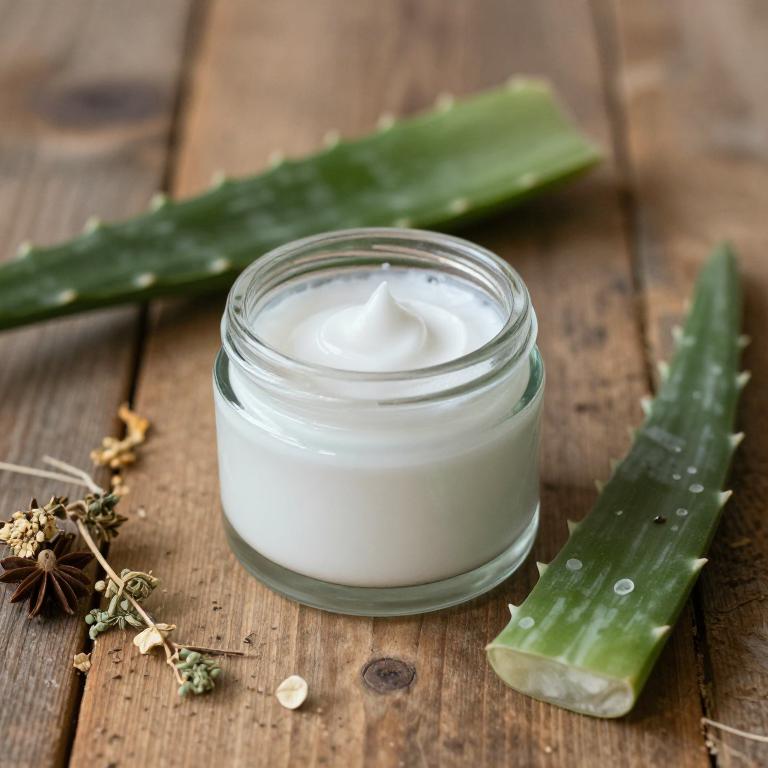
Aloe barbadensis, commonly known as aloe vera, is often incorporated into herbal creams designed to address the appearance of dark circles under the eyes.
These creams leverage the plant's soothing and moisturizing properties to hydrate the delicate skin around the eyes, which can help reduce the visibility of dark circles. The anti-inflammatory and antioxidant compounds in aloe vera may help soothe irritation and promote skin renewal, potentially improving the overall texture and brightness of the under-eye area. Many users report that regular use of aloe-based creams can lead to a more refreshed and youthful appearance.
However, it is important to note that results may vary, and individual skin types may respond differently to these natural treatments.
8. Stinging nettle (Urtica dioica)
Urtica dioica, commonly known as stinging nettle, is a herbal ingredient often used in the formulation of creams aimed at reducing the appearance of dark circles under the eyes.
These creams typically harness the plant's rich content of antioxidants, vitamins, and minerals, which may help improve skin tone and reduce puffiness. The anti-inflammatory properties of stinging nettle can soothe irritation and promote skin rejuvenation, making it a popular choice in natural skincare products. When applied topically, these creams may help lighten dark circles by enhancing circulation and reducing melanin buildup.
However, it is important to perform a patch test before use, as some individuals may experience allergic reactions to the plant's compounds.
9. English lavender (Lavandula angustifolia)
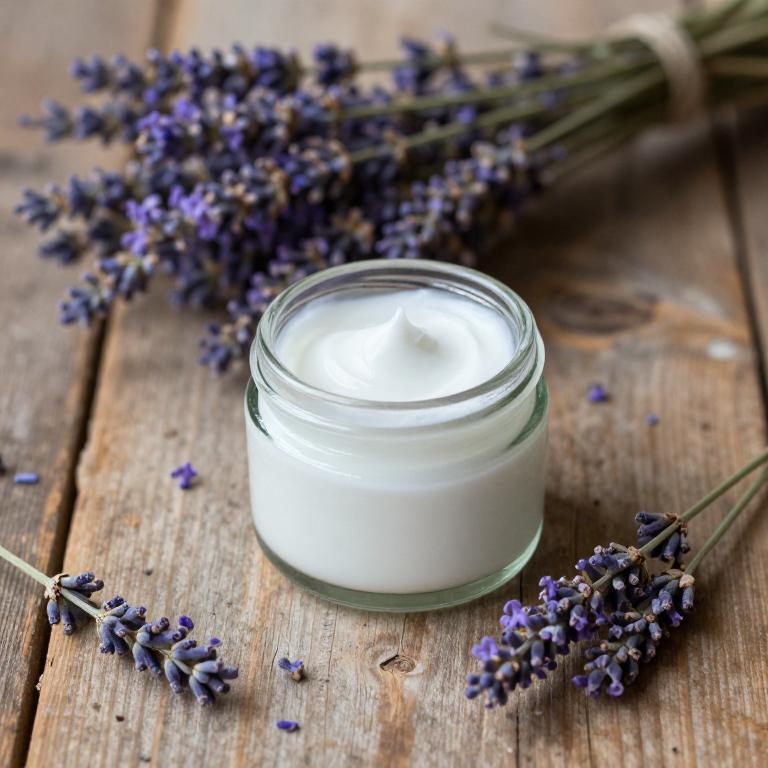
Lavandula angustifolia, commonly known as English lavender, is often incorporated into herbal creams designed to address dark circles under the eyes.
These creams leverage the anti-inflammatory and soothing properties of lavender to reduce puffiness and brighten the under-eye area. The essential oils in lavender help improve circulation, which can diminish the appearance of dark circles caused by poor blood flow. Additionally, lavender's calming effects may help reduce stress-related under-eye darkness.
When combined with other natural ingredients like chamomile or calendula, lavender-based creams offer a gentle and effective alternative for those seeking a natural solution to dark circles.
10. Ginger (Zingiber officinale)
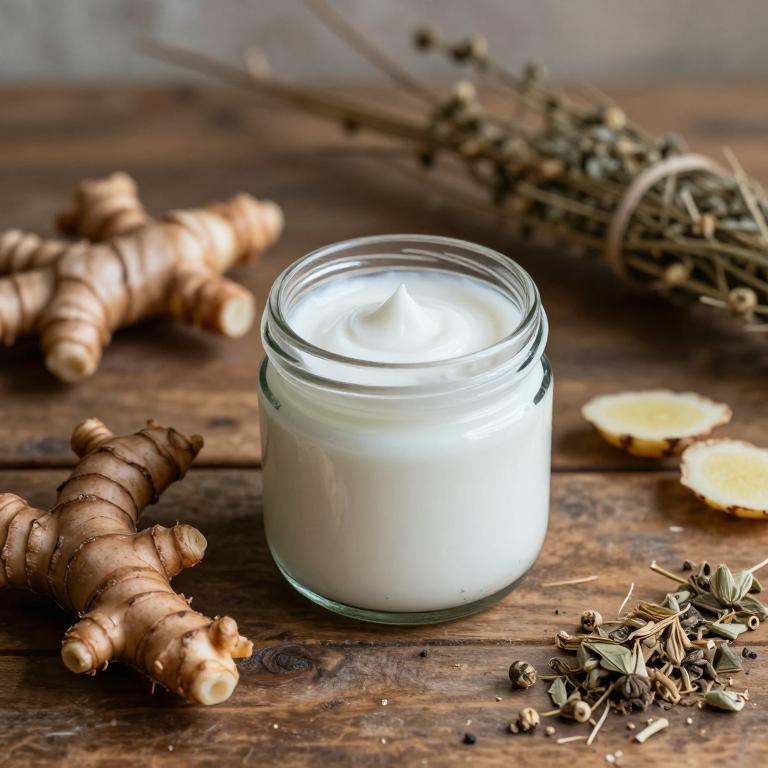
Zingiber officinale, commonly known as ginger, is often incorporated into herbal creams designed to address the appearance of dark circles under the eyes.
These creams utilize ginger’s active compounds, such as gingerol and shogaol, which are believed to enhance circulation and reduce inflammation. The warming effect of ginger may help stimulate blood flow to the delicate under-eye area, potentially diminishing the appearance of dark circles caused by poor circulation or fluid retention. Additionally, ginger’s antioxidant properties may contribute to skin rejuvenation and brightening.
While some users report positive results, it is important to note that individual responses can vary, and these creams should be used as part of a broader skincare routine.