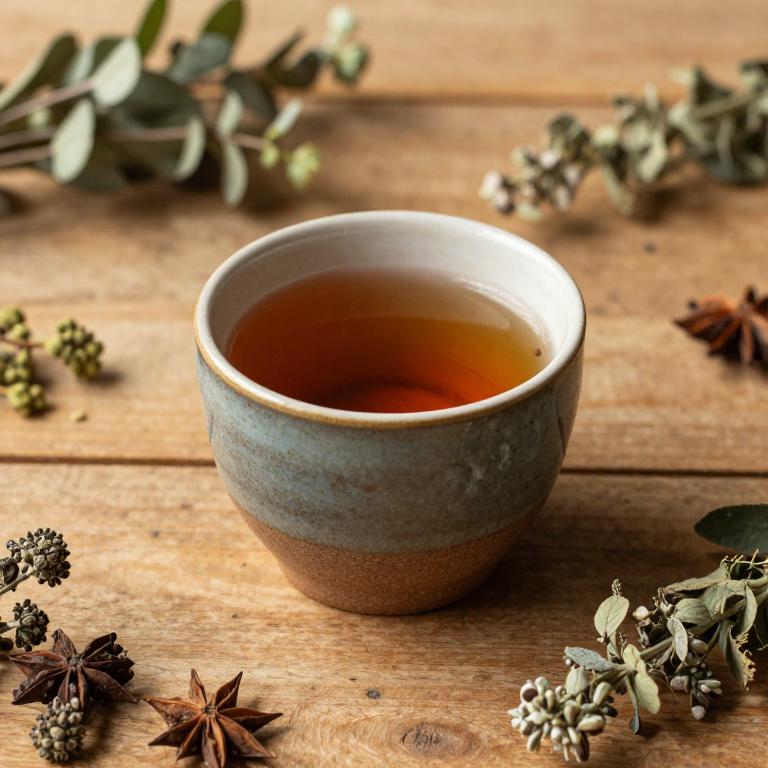
Herbal Infusions: Definition, Benefits, and How to Make This Preparation
Herbal infusions are a specific preparation method where dried or fresh plant material is steeped in hot water without boiling to extract water-soluble compounds.
This technique is particularly effective for delicate flowers, leaves, and barks that might lose their beneficial properties if subjected to high temperatures. The primary benefits include easy digestion, minimal risk of toxicity, and a gentle approach that preserves heat-sensitive vitamins and antioxidants found in medicinal plants. To prepare an infusion, simply cover the herb with hot water, allow it to steep for a duration ranging from five to twenty minutes depending on the plant, and then strain the liquid before consuming.
Proper storage of unused portions in a sealed container in the refrigerator ensures the infusion remains fresh and potent for up to three days.
What Is an Herbal Infusion?
An herbal infusion is a preparation technique where hot water extracts soluble compounds from dried or fresh botanical parts.
This method functions by using hot water as a solvent to dissolve beneficial oils, antioxidants, and flavors from the plant matter. It is primarily reserved for delicate materials such as leaves, flowers, bark, and seeds that might be damaged by boiling heat. The process typically requires water heated to between 160 and 190 degrees Fahrenheit to effectively release the constituents without degrading them.
After pouring the hot liquid over the plant material, the mixture is covered and left to steep for a specific duration to allow full extraction.
What Makes an Infusion Different From Herbal Tea?
The term herbal tea is often used in common language as a casual descriptor for any hot water beverage made with plants, whereas infusion is the precise technical method employed in professional herbal medicine to extract medicinal compounds.
While everyday conversation frequently groups all plant-based drinks under the umbrella of tea, the practice of herbalism distinguishes infusions based on their specific preparation protocols intended for therapeutic efficacy rather than mere taste. A medicinal infusion follows strict guidelines regarding plant material ratios, water temperature, and steeping duration to ensure the delivery of active phytochemicals, which differs significantly from the variable and often arbitrary standards applied to commercial beverage tea. This distinction highlights how herbalism prioritizes the biochemical extraction process over the cultural or culinary label of tea, ensuring that the resulting preparation serves its intended health purpose.
Consequently, the definition of an infusion centers on its function as a vehicle for medicine, while herbal tea remains a broader, less rigorous linguistic category for similar-looking drinks.
Why Herbal Infusions Are Used in Herbal Medicine
Herbalists often choose infusions over other preparations specifically to target water-soluble phytochemicals that remain stable in hot water.
This gentle extraction method allows heat to permeate the plant material without degrading delicate compounds that might be destroyed by boiling. The process is particularly suitable for plant parts such as leaves and flowers, which contain the highest concentration of these water-based active ingredients. Once ingested, the soluble nature of these extracts facilitates efficient digestion and absorption within the human digestive tract.
This direct delivery mechanism ensures that the medicinal properties reach the bloodstream effectively for therapeutic benefit.
Medicinal Compounds Extracted in Infusions
Infusions primarily extract water-soluble compounds from plant material, with flavonoids being a key group that dissolves readily to provide antioxidant protection against cellular damage.
Polyphenols also leach efficiently into the hot water, offering significant anti-inflammatory benefits and helping to regulate blood sugar levels. Tannins dissolve during the brewing process to contribute astringent properties that can help reduce inflammation and tighten tissues in the mouth or digestive tract. Mucilage extracts from seeds and roots to create a soothing gel that coats the mucous membranes, providing relief for irritated throats and digestive discomforts. While volatile oils are generally less soluble in water compared to alcohol, a small portion does transfer into the infusion, adding aromatic qualities and mild antimicrobial activity.
Minerals such as potassium and calcium may leach from certain mineral-rich herbs, offering essential electrolytes that support general metabolic function when consumed as part of a regular herbal regimen.
Plant Parts Best Suited for Herbal Infusions
Infusions work best for delicate plant materials because the gentle heat allows water to extract volatile oils and fine particles without breaking down the cell walls found in leaves, flowers, and soft stems.
These aerial parts contain the most active compounds for tea and are easily released into hot water compared to the tough fibers of roots or bark that require boiling. Fresh herbs generally release their flavor and aroma more quickly than dried counterparts, though dried versions can be more potent for certain medicinal properties due to concentration. Using leaves ensures a smooth texture that avoids the grittiness often associated with grinding harder plant tissues.
Flowers and soft stems benefit specifically from this method because prolonged boiling would destroy their essential oils and degrade their healing potential.
Herbs Commonly Prepared as Infusions
Chamomile is traditionally prepared as a soothing infusion and you can learn more about it in the chamomile herb page.
Peppermint is another common choice for making refreshing infusions and details on using it are available in the peppermint herb page. Nettle is frequently used to create nutrient-rich infusions and further information can be found in the nettle herb page. Lemon balm is often steeped as a calming infusion and readers can explore its specific uses in the lemon balm herb page. Raspberry leaf is traditionally prepared as an infusion for specific needs and comprehensive data resides in the raspberry leaf herb page.
Linden flower is widely known for its floral infusion applications and additional insights are located in the linden flower herb page.
How to Make an Herbal Infusion (Step-by-Step)
An herbal infusion involves a simple process of steeping herbs in hot water to extract medicinal compounds from delicate plant materials.
This hot water extraction method works best for leaves, flowers, and other soft plant parts that release their oils and nutrients easily. You should use a standard herb to water ratio of one tablespoon of dried herb for every cup of boiling water. Allow the mixture to undergo a steeping process for ten to fifteen minutes to ensure maximum potency without burning the flavors.
Once the infusion has finished steeping, strain the liquid through a fine mesh sieve or cheesecloth to remove any remaining solid plant matter.
The Master Recipe for a Basic Herbal Infusion
Begin your herbal infusions by measuring one teaspoon of dried herb or one tablespoon of fresh herb for every single cup of water to achieve a standard extraction.
When preparing larger batches, simply scale this proportion up to use one tablespoon of dried herb per two cups of water for consistent results. Heat your water until it is nearly boiling, then pour it over the herbs and allow them to steep for a duration that suits the specific plant material. This precise ratio ensures that the resulting liquid yields a balanced infusion that is rich in flavor without becoming overly strong or bitter.
Following this method provides a reliable foundation for beginners to extract medicinal properties effectively from a wide variety of plant materials.
Equipment You Need
To begin making infusions immediately, you will need a kettle or pot to boil the water necessary for steeping the herbs.
You should also have a mug, jar, or teapot ready to hold the liquid while the herbs release their properties. A lid or a small plate placed over the top is essential because covering the infusion is important to retain aromatic oils that would otherwise escape into the air. You will find a strainer or tea filter useful for separating the plant material from the liquid once the steeping time is complete.
Finally, a measuring spoon helps ensure you use the correct amount of dried herb for every cup of hot water.
Step 1: Choose the Right Herb
Infusions are specifically designed to extract the beneficial compounds from soft plant parts like leaves and flowers.
For beginners starting their herbal medicine journey, gentle herbs such as chamomile, peppermint, lemon balm, nettle, and linden flower make excellent choices. These ingredients release their active properties easily when steeped in hot water without needing extended cooking times. In contrast, roots, bark, and seeds contain tough fibers that usually require decoctions instead to properly break down and release their medicinal elements.
Using the correct method for each plant part ensures the most effective extraction of therapeutic benefits.
Here's a list of common herbs used for this preparation.
- Chamomile
- Peppermint
- Lemon Balm
- Nettle
- Liden
Step 2: Measure the Herbs
Measure the herbs by applying the master ratio of one teaspoon for every cup of water when using dried varieties like chamomile.
Adjust the quantity to one tablespoon if you are working with fresh herbs such as peppermint to account for their higher water content and lower potency. Remember that fresh plants generally require three times the volume of dried herbs to achieve the same medicinal strength in your infusion. If you are scaling up the recipe for a larger batch, multiply these specific measurements by the desired number of servings while maintaining the fresh to dried distinction.
Always add the measured herbs directly into your mug or teapot immediately after determining the correct volume for your specific source material.
Step 3: Heat Fresh Water
For the best extraction of medicinal compounds, the water must be hot but not at a full rolling boil.
You should aim for an ideal temperature range between 70 and 90 degrees Celsius, or roughly 160 to 190 degrees Fahrenheit. If you do not have a thermometer, bring fresh water to a boil and then wait approximately five minutes before pouring it over the herbs to achieve a safe temperature around 80 degrees Celsius. Using fresh water that has never been heated before helps preserve the delicate flavors and volatile oils within the plant material.
Avoid reheated water, as it often lacks the necessary oxygen and clarity to produce a high-quality infusion.
Step 4: Pour Water Over the Herbs
Pouring hot water over the herbs in your mug or teapot begins the extraction process instantly.
As the liquid hits the dried plant material, the heat immediately starts to break down the cell walls and release beneficial compounds. Make sure to pour enough water so that all the herbs are fully submerged and completely covered. This step activates the release of plant compounds that would otherwise remain trapped inside the plant tissue.
The rapid infusion of heat ensures that the maximum amount of medicinal properties is drawn out from the leaves or roots into the liquid.
Step 5: Cover and Steep
Steeping is the critical phase where heat and time allow active plant compounds to dissolve into the hot water.
You should leave the covered vessel for a standard duration of 5 to 15 minutes to achieve the desired extraction level. Covering the container is essential because it traps volatile oils that would otherwise escape into the air. This retention of aromatic compounds significantly improves the overall medicinal potency of the final infusion.
Ensuring a tight seal during this waiting period maximizes the therapeutic benefits extracted from the herbs.
Step 6: Strain the Herbs
Wait for the steeping process to finish before you begin removing the plant material from the liquid.
You can pour the mixture through a fine mesh strainer to catch most of the larger herb particles. Alternatively, a dedicated tea filter or a piece of cheesecloth will work well to separate the solids from the liquid. If you need to strain very small particles, double-layering the cheesecloth provides a finer barrier than using it alone.
Once all the plant matter has been successfully removed, the remaining clear liquid is your finished infusion.
Step 7: Taste and Adjust
Step 7: Taste and Adjust Begin by carefully sipping the finished infusion to evaluate its potency before consuming the entire cup.
If the flavor is too strong or bitter, simply add a small amount of hot water to dilute it to your liking. Conversely, if you find the taste too weak, remember that you can steep the herbs for a longer duration next time or increase the quantity of dried material used. You may also choose to enhance the flavor profile by stirring in a teaspoon of honey or squeezing a bit of fresh lemon juice.
These simple adjustments allow you to tailor the drink perfectly to your personal palate while maintaining the beneficial properties of the herbs.
Signs Your Infusion Is Done Correctly
To determine if your infusion is prepared correctly, you should first look for a noticeable herbal aroma that rises from the cup.
A successful steeping process will also cause a visible color change in the water, transforming it from clear to a hue specific to the plant used. Once the liquid has been strained and cooled slightly, you can assess whether the flavor feels balanced rather than bitter or weak. For instance, when making chamomile tea, you should expect the water to turn a pale golden shade.
Similarly, an infusion made with peppermint leaves will typically display a distinct greenish tint in the final brew.
Common Beginner Mistakes
Using too much herb in a single batch can overwhelm the delicate balance of flavors and cause the drink to become unpleasantly strong.
Steeping the mixture for too long extracts excessive tannins, which leads to an astringent and bitter aftertaste that defeats the purpose of a soothing tea. Failing to cover the cup allows steam and volatile aromatic oils to escape, significantly reducing the therapeutic potency of the infusion. Preparing drinks with stale herbs results in a flat flavor profile and may expose the consumer to degraded compounds or potential contaminants.
Using water that isn't hot enough prevents the proper extraction of medicinal compounds, rendering the herbal remedy ineffective for its intended purpose.
Example Beginner Infusion (Chamomile)
This beginner infusion uses chamomile to demonstrate how to prepare a simple herbal tea.
Begin by adding one teaspoon of dried chamomile flowers to a cup filled with boiling water. Allow the mixture to steep for ten minutes to fully extract the beneficial compounds from the plant. The resulting liquid will possess a mild and floral flavor profile that is easy on the palate.
Drinking this preparation provides a relaxing effect suitable for calming the mind before sleep.
Herb-to-Water Ratios for Infusions
A standard starting point for most dried herbs is a ratio of one part herb to fifteen parts water, though this can be adjusted based on the specific plant properties.
When using fresh herbs, the water volume should be doubled to achieve a similar concentration since fresh plant material contains significantly more moisture. Preparing strong infusions for deeply astringent or potent medicinal plants often requires increasing the herb amount to one part per ten parts water. Conversely, weak infusions intended for delicate teas or children may use a ratio of one part dried herb to twenty parts water to soften the flavor and effect.
Therapeutic dosages generally fall within the range of four to eight fluid ounces of the prepared liquid per serving, but this can vary according to the user's size and the intensity of the active compounds.
Strong Infusions vs Standard Infusions
Herbalists opt for long-steep mineral infusions when the goal is to maximize the extraction of mineral salts that require prolonged contact with hot water to dissolve effectively.
Unlike standard infusions that rely on short steeping times for volatile oils or delicate plant parts, these extended processes allow for the deep nourishing infusion of heavy minerals into the water. A classic example of this technique is the preparation of nettle infusion left to steep overnight, which yields a far richer content of calcium, magnesium, and iron than a quick brew. This method ensures that the final beverage functions as a potent source of electrolytes and trace elements rather than just a flavoring or mild tonic.
Such long steeping is specifically reserved for recipes targeting systemic nourishment where the plant tissue must fully surrender its dense mineral reserves.
How Long Should Herbal Infusions Steep?
The duration of the steeping process is the critical factor that determines how much active compound is drawn from the plant material into the water.
A typical steep time for most herbal infusions ranges between five and ten minutes to achieve a balanced flavor and potency. Extending this period significantly can lead to a stronger extraction of tannins and other secondary compounds, which often alters the medicinal profile of the tea. However, allowing the infusion to steep too long introduces bitterness risks as excessive amounts of bitter principles are released from the herbs.
Since herb-specific variation exists widely, delicate flowers may require only a few minutes while tougher roots or barks often need closer to ten minutes or longer.
Why Covering the Infusion Matters
Covering the vessel creates a sealed environment that physically blocks volatile oils from evaporating into the surrounding air.
By trapping these aroma compounds within the liquid, the heat during steeping is converted into chemical retention rather than loss. This preservation method ensures that the medicinal potency of the herbs remains intact for the entire duration of the brewing process. Without a lid, the most active and beneficial components of the plant material would dissipate rapidly before extraction is complete.
The result is a cup that delivers the full spectrum of therapeutic properties intended by the herbal formula.
Infusions vs Decoctions: Key Differences
Infusions involve steeping delicate plant materials like leaves, flowers, or soft fruits in hot water, whereas decoctions require simmering harder components such as roots, bark, or seeds in water.
The preparation method for infusions relies on steeping without boiling, while decoctions utilize a prolonged boil to break down tough cell walls. Heat intensity plays a critical role as infusions use water just below a rolling boil to preserve volatile compounds, but decoctions maintain a rolling simmer to maximize extraction. This difference in heat intensity directly influences extraction strength, allowing decoctions to draw out more robust medicinal compounds from dense tissues that infusions cannot access.
Consequently, infusions are ideal for gentle extraction of surface compounds, while decoctions provide a stronger, more concentrated preparation for resilient plant parts.
When to Use a Decoction Instead
Roots require boiling because their dense cellular structure prevents water from penetrating during a simple steep.
Bark necessitates a decoction method since the fibrous layers resist softening unless subjected to sustained high heat. Seeds often need this treatment when their outer shells or hard coats are too tough for hot water to extract compounds effectively. Tough plant tissues in general benefit from the prolonged extraction power of boiling to release their medicinal properties.
These hardy parts simply do not yield their active ingredients efficiently enough when used as an infusion.
Fresh vs Dried Herbs for Infusions
Fresh herbs retain significantly higher potency because their cellular structure remains intact, whereas drying processes degrade volatile oils and active compounds.
The presence of water in fresh plants provides a distinct texture and volume that dried herbs simply cannot replicate during steeping. Fresh infusions often yield a brighter, more delicate flavor profile, while dried versions typically produce a deeper, more concentrated taste due to the loss of moisture. Users must adjust their dosage when switching between forms, as dried herbs are more potent by weight and require less material to achieve the same therapeutic effect as a larger quantity of fresh material.
Preparing fresh herbs may require a longer steeping time to extract sufficient compounds compared to the efficient extraction offered by dried material.
Benefits of Drinking Herbal Infusions
Hydration is significantly enhanced when herbal infusions are consumed, as the water base supports overall bodily fluid balance while delivering active plant compounds.
This method of consumption ensures a high level of nutrient intake from the herbs without the harsh extraction methods often found in boiling or capsule forms. Infusions offer gentle herbal therapy by using lower heat and longer steeping times to preserve delicate chemical structures that might be destroyed in other preparations. The warm liquid provided by regular consumption aids digestive support by soothing the stomach lining and stimulating natural motility.
Furthermore, the aromatic compounds released during brewing promote relaxation, helping to reduce stress levels and prepare the mind for rest.
Safety Considerations for Herbal Infusions
Herbs contain biologically active compounds that can exert significant physiological effects similar to pharmaceutical drugs.
Practitioners must adhere to strict herb safety protocols to prevent toxicity and ensure the purity of the plant material used. Dosage awareness is critical because consuming excessive amounts of certain herbs can lead to adverse health outcomes or organ strain. Individuals with known allergies to specific plant families should verify ingredients carefully to avoid triggering severe allergic reactions. Women who are pregnant or nursing must exercise extreme caution since many herbs can stimulate uterine contractions or alter hormone levels.
Furthermore, people taking prescription medications should consult a healthcare provider because simultaneous use of herbs and drugs can result in dangerous herb-drug interactions that compromise therapeutic efficacy.
How to Store Herbal Infusions
Store your herbal infusions in the refrigerator to significantly slow down bacterial growth and preserve the active compounds within the tea.
Properly sealed containers kept at cold temperatures can extend the shelf life of the liquid from a few days to up to two weeks depending on the specific herbs used. Avoid leaving infusions at room temperature for extended periods, as warm environments accelerate spoilage and increase the risk of microbial contamination. When you are ready to consume the stored tea, gently reheat only the portion you plan to drink without boiling the mixture, which may degrade delicate herbal properties.
Once an infusion has been heated, it should be consumed immediately and never stored again in the refrigerator, as repeated temperature cycling encourages rapid bacterial proliferation.