Choosing Your Herbalism Curriculum: The Three Learning Paths Explained
Choosing the right herbal medicine learning path depends on your goals, whether you want to practice as a professional, pursue research, or simply deepen your personal knowledge of traditional healing practices.
What Are Learning Paths in Herbal Medicine?
Learning paths in herbal medicine are structured sequences of study that guide individuals through the foundational knowledge, practical skills, and ethical considerations necessary to practice herbal medicine effectively and responsibly.
Why Herbal Medicine Can Be Learned in Different Ways
Herbal medicine can be learned through various methods such as formal education, self-study, mentorship, online courses, and practical experience.
The Three Core Approaches to Studying Herbalism
The three core approaches to studying herbalism are botanical analysis, historical and cultural context, and pharmacological research.
The 3 Core Learning Paths in Herbal Medicine
The three core learning paths in herbal medicine are foundational knowledge of plant-based remedies, understanding of traditional and modern therapeutic applications, and practical skills in preparation and safe usage.
Overview of the Three Herbal Learning Paths
The three herbal learning paths—traditional practice, scientific research, and modern application—each offer distinct approaches to understanding and utilizing herbal medicine.
The Apothecary Path: Learning Herbal Medicine Through Making Remedies
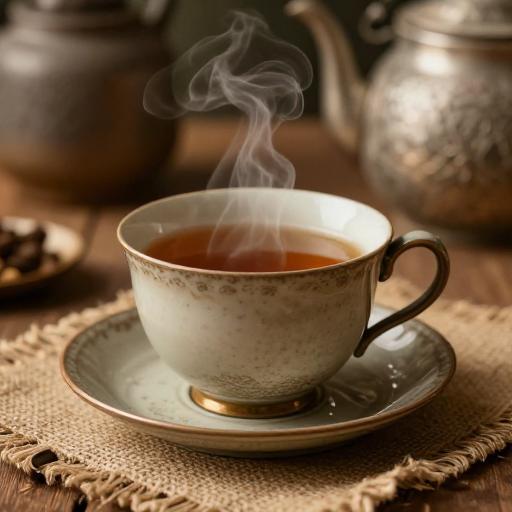
The Apothecary Path refers to a method of learning herbal medicine by actively creating remedies, which bridges theory and practice.
This approach begins with hands-on practice because preparing herbs and formulations develops essential skills and deepens understanding. Preparation methods are central to herbal traditions, as they influence the potency and effectiveness of remedies. Making remedies allows learners to observe how different herbs interact and how their properties are revealed through use.
This learning style leads to tangible outcomes, such as personalized treatments and a deeper connection to the medicinal properties of plants.
The following list shows the most common types of herbal preparations used in the apothecary learning path.
- Herbal teas and infusions
- Tinctures and glycerites
- Herbal oils
- Salves and balms
- Syrups and oxymels
Who the Apothecary Path Is For
This path is ideal for hands-on learners who thrive through experimentation and crafting.
This path suits DIY herbalists, homesteaders, and home remedy makers who seek practical skills in creating and using herbal medicine. These learners are motivated by the desire to grow, prepare, and apply their own remedies. They prefer learning by doing, rather than through passive instruction.
Their real-world goals include self-sufficiency, wellness, and a deeper connection to natural healing practices.
The following list describes the types of learners who are typically drawn to the apothecary approach.
- DIY herbal learners
- Homesteaders
- Natural health enthusiasts
- People building a home apothecary
How Apothecary Learners Study Herbal Medicine
Apothecary learners study herbal medicine by mastering the preparation techniques required to create effective remedies.
They observe the effects of herbs in real-world applications to understand their properties and interactions. Through trial and error, they refine formulations to achieve desired therapeutic outcomes. Establishing a personal home apothecary allows them to experiment and refine their skills systematically.
Practicing regularly helps them develop an intuitive understanding of herbs and their uses.
The following steps outline how students typically learn herbal medicine through practical remedy making.
- Learn a preparation method
- Choose suitable herbs
- Create a remedy
- Observe results
- Refine the formulation
Typical Learning Progression for the Apothecary Path
The Apothecary Path typically begins with foundational knowledge of herbal teas and infusions, which introduce students to basic herb preparation and extraction methods.
Next, learners move on to tinctures and glycerites, mastering alcohol and glycerin-based formulations for concentrated herbal extracts. Following this, students explore oils, salves, and balms, learning essential techniques for creating topical applications. Syrups and oxymels come next, focusing on sweetened herbal preparations for internal use.
Finally, students create simple herbal formulas by combining various preparations to address specific health needs.
The following sequence shows the common order in which apothecary learners develop remedy-making skills.
- Herbal teas and infusions
- Tinctures and glycerites
- Herbal oils and salves
- Syrups and oxymels
- Simple herbal formulas
Common Questions Asked by Apothecary Learners
- What remedies can I make with common herbs?
- Common kitchen and garden herbs can be turned into simple remedies such as herbal teas, tinctures, infused oils, syrups, and salves depending on the plant and the desired effect.
- Which preparation method works best for each herb?
- The best preparation method depends on the plant’s chemical properties, with delicate leaves often suited for teas while tougher roots, barks, and resins typically extract better in alcohol tinctures or long infusions.
- How long should remedies steep or extract?
- Herbal teas usually steep for 5–15 minutes, while stronger infusions may steep for several hours and tinctures typically extract for 2–6 weeks.
- How can I combine herbs into formulas?
- Herbal formulas are created by combining complementary herbs that support the same health goal while balancing primary active herbs with supportive or harmonizing plants.
- How should remedies be stored and used?
- Most herbal remedies should be stored in airtight containers away from heat, light, and moisture and used according to recommended dosage guidelines.
Strengths of the Apothecary Learning Approach
The Apothecary Learning Approach excels in fostering rapid practical skill development by focusing on hands-on experience from the outset.
Learners quickly gain proficiency through direct engagement with herbs, preparation techniques, and formulation processes. Immediate application of knowledge is ensured through structured practice that mirrors real-world scenarios. This method cultivates strong formulation abilities by emphasizing the science and art of creating effective herbal remedies.
High learner motivation is maintained through tangible results achieved early in the study process, reinforcing confidence and interest.
- Rapid practical results
- Strong formulation skills
- Hands-on learning
- High learner motivation
Challenges of the Apothecary Path
Difficulty Level and Skills Developed Herbal medicine is accessible to beginners with minimal prior knowledge, making it an ideal starting point for those new to natural healing.
It develops manual skills such as plant identification, harvesting, and preparation of herbal remedies. Learners gain foundational knowledge about plant properties, medicinal uses, and safe application practices. This builds confidence in creating and applying practical remedies for common health concerns.
The progression from basic skills to deeper study fosters a structured path toward advanced herbal practice.
- Limited botanical knowledge
- Fragmented understanding of herbs
- Less focus on plant identification
- Possible reliance on recipes
Difficulty Level and Skills Developed
Difficulty Level and Skills Developed Herbal medicine is accessible to beginners with minimal prior knowledge, making it an ideal starting point for those new to natural healing.
It develops manual skills such as plant identification, harvesting, and preparation of herbal remedies. Learners gain foundational knowledge about plant properties, medicinal uses, and safe application practices. This builds confidence in creating and applying practical remedies for common health concerns.
The progression from basic skills to deeper study fosters a structured path toward advanced herbal practice.
| Difficulty | Main Skills Developed |
|---|---|
| Beginner → Intermediate | Remedy preparation, herbal formulation, home apothecary building |
The Botanist Path: Learning Herbal Medicine Through Plants and Nature
The Botanist Path: Learning Herbal Medicine Through Plants and Nature Studying herbal medicine as a botanist involves direct engagement with plant life, observing their growth patterns, chemical properties, and traditional uses to cultivate a deep understanding of their therapeutic applications.
The Chemist Path: Learning Herbal Medicine Through Science and Mechanisms
The Chemist Path offers a structured approach to understanding herbal medicine by analyzing its active compounds, biochemical mechanisms, and pharmacological effects through scientific research and analytical techniques.
Comparing the Three Herbal Medicine Learning Paths
The three herbal medicine learning paths—self-study, apprenticeship, and formal education—differ in structure, depth of knowledge, and access to resources.
How to Choose the Right Herbal Medicine Learning Path
Selecting the right herbal medicine learning path depends on your goals, whether you aim to practice as a professional, conduct research, or simply gain foundational knowledge.
Why Most Herbalists Eventually Combine All Three Learning Paths
Most herbalists combine all three learning paths—clinical practice, botanical study, and traditional knowledge—because each path provides essential skills and insights that are necessary for comprehensive and effective herbal practice.
Where to Start Your Herbal Medicine Learning Journey
Start by researching the fundamentals of herbal medicine through reputable resources like academic journals, books, and certified herbalist courses.