Ziziphus
Ziziphus · Accepted scientific name
Scientific literature: Very Sparse (0 studies) · ★☆☆☆☆
Ziziphus is a versatile medicinal plant known for its significant therapeutic properties across various healing practices. Utilizing its fruit, leaves, and roots, practitioners can address a wide range of health concerns. The plant is particularly effective in managing conditions such as cholera, dysentery, and systemic inflammation. Furthermore, it serves as a valuable natural remedy for regulating hypertension. These benefits are often harnessed through specialized preparations, including potent extracts and Ziziphus honey.
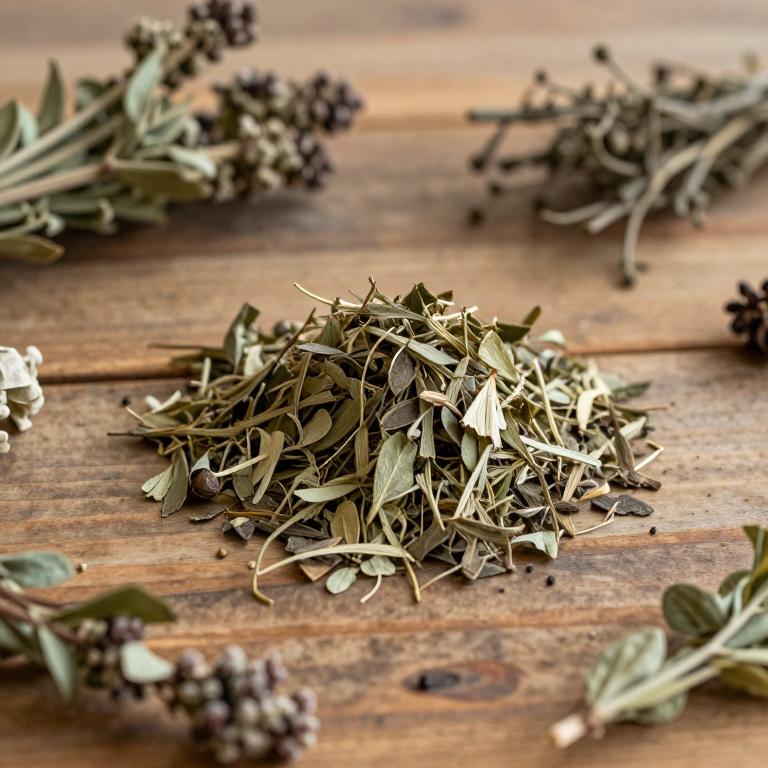
- Synonyms
- Mansana · Chloroxylum
- Common names
- Not available
- Family
- Rhamnaceae
- Distribution
- Not available
- Plant Parts
- Fruit · Leaf
Classification
Common Names
Ziziphus is a versatile plant known by a diverse array of names across different cultures and regions. It is widely recognized by its common name, Ber, which highlights its significance in certain parts of the world. In other areas, the species is frequently referred to as Buffalo-thorn Trees due to its distinct physical characteristics. The plant also carries regional identities, such as Chi Táo ta and Giuggioli, depending on local linguistic traditions. Furthermore, it is known as Głożyna, demonstrating the many ways this single genus is categorized globally.
Sources: Catalogue of Life (COL)
Synonyms
Ziziphus is a genus of plants that is often identified through various botanical classifications. Within scientific literature, you may encounter the name Chloroxylum used as a synonym for this group. Similarly, the term Mansana serves as another recognized synonym for species within this genus. Understanding these overlapping names is essential for researchers tracking botanical lineages accurately. Recognizing these taxonomic relationships ensures clarity when navigating diverse plant databases.
Sources: The World Checklist of Vascular Plants (WCVP)
Taxonomy
Ziziphus belongs to the vast kingdom Plantae, representing a diverse group of multicellular organisms. Within this kingdom, the plant is classified under the class Equisetopsida. It further falls into the order Rosales, which links it to several other significant plant groups. This lineage continues into the specific family Rhamnaceae. Ultimately, the plant is defined by its placement within the genus Ziziphus.
| Rank | Classification |
|---|---|
| Kingdom | Plantae |
| Phylum | Streptophyta |
| Class | Equisetopsida |
| Subclass | Magnoliidae |
| Order | Rosales |
| Family | Rhamnaceae |
| Genus | Ziziphus |
Sources: The World Checklist of Vascular Plants (WCVP)
Distribution
Geographic Regions
Ziziphus is a diverse genus with a widespread presence across the African continent. Its distribution spans much of East Tropical Africa, including significant populations in Kenya, Tanzania, and Uganda. The plant also extends into the Northeast Tropical region, specifically finding a home in Chad. Beyond the mainland, its reach extends to the Macaronesia region, notably within Cape Verde. This wide geographic range highlights the adaptability and ecological importance of the genus throughout different African landscapes.
Sources: The World Checklist of Vascular Plants (WCVP)
Identification
Biological Activities
Compounds
Conditions
Ziziphus species are extensively used by medicinal practitioners for the effective treatment of cholera and diarrhoea. These plants also demonstrate significant therapeutic potential in managing diabetic conditions through their antidiabetic activities. Furthermore, the genus serves as a promising natural resource for treating chronic inflammatory diseases. Research highlights its important role in addressing various chronic inflammatory disorders. Through these diverse medicinal properties, Ziziphus provides a valuable alternative for managing several serious health conditions.
Preparations
Ziziphus is prepared as Ziziphus honey, which is characterized by the presence of carvacrol and thymol. This specific monofloral honey is noted for its significant antioxidant, antidiabetic, antimicrobial, and anticancer activities. Additionally, Ziziphus is prepared as extracts derived from the plant's roots, leaves, and fruits. These extracts contain promising phytochemical profiles that are being studied for their potential in treating chronic inflammatory diseases. Both the honey and the extracts serve as important natural resources in medicinal and therapeutic applications.
Parts used
Ziziphus species are highly valued in traditional medicine for their ability to combat chronic inflammatory diseases. Research indicates that the therapeutic benefits of this genus are found throughout several of its different parts. Specifically, the plant's medicinal properties are largely attributed to its leaves and roots. Additionally, the fruit of the Ziziphus plant also contributes to its overall pharmacological potential. These various components offer a safe, natural alternative to synthetic drugs for managing long-term health conditions.