Ziziphus mucronata subsp. mucronata
Ziziphus mucronata subsp. mucronata · Accepted scientific name
Scientific literature: Very Sparse (0 studies) · ★☆☆☆☆
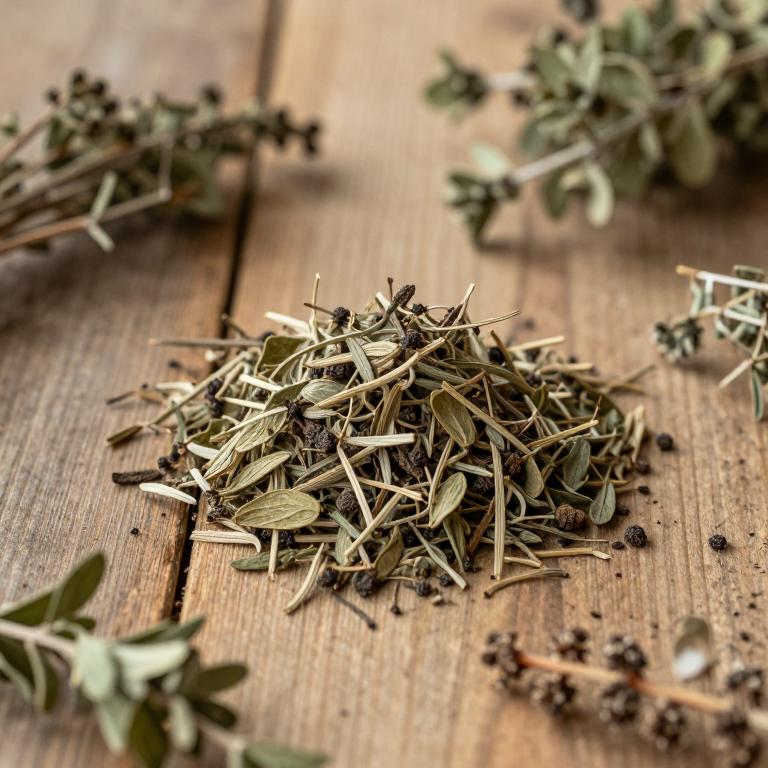
Ziziphus mucronata subsp. mucronata is a resilient woody species widely distributed across various African landscapes. One of its most defining characteristics is the structure of its stem, which often features sharp, prominent thorns for protection. These sturdy stems provide the essential framework that supports the plant's spreading canopy and dense foliage. Beyond its physical toughness, the stem plays a vital role in transporting nutrients throughout the entire organism. Understanding the morphology of this stem is crucial for identifying the subspecies in diverse ecological settings.
- Synonyms
- Ziziphus Mitis · Ziziphus Bubalina · 10 more
- Common names
- Not available
- Family
- Rhamnaceae
- Distribution
- Not available
- Plant Parts
- Stem
Classification
Common Names
Ziziphus mucronata subsp. mucronata is a versatile species known by a diverse array of local and international names. In various regions, it is widely recognized by its common English name, the Buffalo-thorn. Locally, the plant holds significant cultural identity through names such as Buffelsdoring and Buffeldoring. It is also affectionately referred to by the descriptive Afrikaans name Blinkblaar-wag-'n-bietjie. Whether called by its formal or colloquial titles, this sturdy tree remains a vital part of its natural habitat.
Sources: Catalogue of Life (COL)
Synonyms
Ziziphus mucronata subsp. mucronata is a complex botanical taxon that is frequently identified by several different scientific names. Within botanical literature, this specific subspecies is recognized by various synonyms, including Ziziphus adelensis and Ziziphus baclei. Researchers also refer to the plant using the designations Ziziphus bubalina and Ziziphus madecassa. Furthermore, the name Ziziphus mitis is often cited as another synonym for this widespread species. Understanding these overlapping classifications is essential for maintaining accuracy in taxonomic studies and ecological documentation.
Sources: The World Checklist of Vascular Plants (WCVP)
Taxonomy
Ziziphus mucronata subsp. mucronata is a distinct botanical entity belonging to the vast kingdom Plantae. Within this kingdom, it is classified under the class Equisetopsida, showcasing its fundamental plant characteristics. This subspecies is further organized into the order Rosales, placing it among a diverse group of flowering plants. It specifically belongs to the genus Ziziphus, a grouping that defines its unique morphological traits. Finally, its biological identity is solidified by its placement within the family Rhamnaceae.
| Rank | Classification |
|---|---|
| Kingdom | Plantae |
| Phylum | Streptophyta |
| Class | Equisetopsida |
| Subclass | Magnoliidae |
| Order | Rosales |
| Family | Rhamnaceae |
| Genus | Ziziphus |
Sources: The World Checklist of Vascular Plants (WCVP)
Distribution
Geographic Regions
Ziziphus mucronata subsp. mucronata is a resilient plant species with a broad distribution across the African continent. It is notably prevalent throughout East Tropical Africa, where it can be found growing in Kenya, Tanzania, and Uganda. The subspecies also extends its reach into the unique landscapes of Northeast Tropical Africa. Within this northern region, specific populations are established in both Chad and Djibouti. This wide geographic range highlights the plant's ability to adapt to diverse ecological zones across the continent.
Sources: The World Checklist of Vascular Plants (WCVP)
Identification
Biological Activities
Compounds
Conditions
Preparations
Parts used
Ziziphus mucronata subsp. mucronata is a plant species that holds significant medicinal interest due to its traditional uses in South Africa. Research focusing on the plant's stems has revealed that these structures contain high concentrations of valuable bioactive compounds. Specifically, the stem bark serves as a rich source of phenolics, flavonoids, and proanthocyanidins. These chemical constituents contribute to the plant's impressive antioxidant properties and free radical scavenging capabilities. Ultimately, the study of these stem extracts provides scientific evidence to support the plant's long-standing ethnobotanical importance.