Ziziphus jujuba subsp. jujuba
Ziziphus jujuba subsp. jujuba · Accepted scientific name
Scientific literature: Very Sparse (1 studies) · ★☆☆☆☆
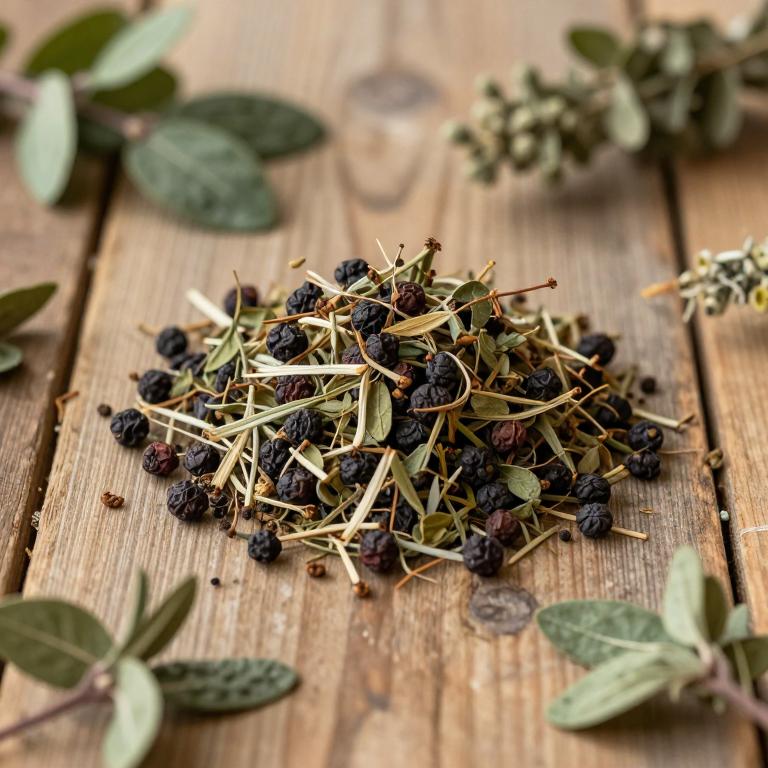
Ziziphus jujuba subsp. jujuba, commonly known as the Chinese date, is a versatile fruit-bearing shrub valued in both culinary and medicinal traditions. This plant is highly regarded for its potent antioxidant activities, which help protect cells from oxidative stress. A significant component of its therapeutic profile is the presence of quercetin, a powerful flavonoid found within its tissues. Researchers frequently study this subspecies to unlock the full potential of its bioactive compounds for human health. Consequently, it remains a subject of great interest in the fields of pharmacology and nutritional science.
- Synonyms
- Ziziphus Sativa · Ziziphus Officinarum · 23 more
- Common names
- Not available
- Family
- Rhamnaceae
- Distribution
- Not available
- Plant Parts
- Not available
Classification
Synonyms
Ziziphus jujuba subsp. jujuba is a complex botanical entity that is frequently associated with several different taxonomic names. In various scientific contexts, this subspecies has been identified by the synonym Mansana arborea. It is also closely linked to Paliurus lucidus and Rhamnus mauritiana in historical or regional classifications. Furthermore, the plant is sometimes referred to as Rhamnus soporifera depending on the specific botanical study. Finally, the name Ziziphus flexuosa serves as another recognized synonym within its diverse range of nomenclature.
Sources: The World Checklist of Vascular Plants (WCVP)
Taxonomy
Ziziphus jujuba subsp. jujuba is a distinctive botanical specimen belonging to the vast kingdom Plantae. Within this expansive biological group, it is specifically classified under the class Equisetopsida. The plant's lineage continues through the order Rosales, showcasing its evolutionary connections to other flowering plants. It further resides within the family Rhamnaceae, a group known for its unique structural characteristics. Ultimately, this subspecies is identified by its placement within the specialized genus Ziziphus.
| Rank | Classification |
|---|---|
| Kingdom | Plantae |
| Phylum | Streptophyta |
| Class | Equisetopsida |
| Subclass | Magnoliidae |
| Order | Rosales |
| Family | Rhamnaceae |
| Genus | Ziziphus |
Sources: The World Checklist of Vascular Plants (WCVP)
Distribution
Geographic Regions
Ziziphus jujuba subsp. jujuba is a resilient plant species with a diverse geographical footprint across the African continent. Its presence is particularly notable throughout Northern Africa, where it thrives in the landscapes of Algeria, Libya, Tunisia, and Morocco. Beyond the Mediterranean regions, the subspecies also extends its reach into the West Tropical Africa zone. Specifically, it can be found growing within the borders of Burkina. This wide distribution highlights the plant's ability to adapt to various regional environments across the continent.
Sources: The World Checklist of Vascular Plants (WCVP)
Identification
Biological Activities
Ziziphus jujuba subsp. jujuba is recognized for its significant antioxidant activity, a trait often shared among various species within the Ziziphus genus. Research into related plants like Ziziphus mucronata and Ziziphus sativa highlights the critical role of flavonoids in sequestering harmful free radicals. Specifically, the presence of quercetin, a powerful flavonol, serves as a vital phytochemical remedy for numerous diseases. Studies employing fluorescence spectroscopy have successfully quantified these beneficial compounds to better understand their nutritional value. Ultimately, the high antioxidant potential found in these plant varieties underscores their importance as natural sources of health-promoting supplements.
Compounds
Ziziphus jujuba subsp. jujuba contains quercetin, a potent flavonoid belonging to the flavonol subclass known for its antioxidant properties. This specific phytochemical has gained significant attention due to its diverse applications as both a nutritional supplement and a remedy for various diseases. Research into the genus focuses on quantifying these beneficial compounds using advanced methods like fluorescence spectroscopy coupled with Partial Least Squares Regression. By utilizing these precise analytical techniques, scientists can effectively estimate the concentration of natural antioxidants within different medicinal plant species. Understanding these chemical profiles is essential for harnessing the therapeutic potential offered by these flavonoid-rich plants.