Ziziphora capitata
Ziziphora capitata · Accepted scientific name
Scientific literature: Very Sparse (0 studies) · ★☆☆☆☆
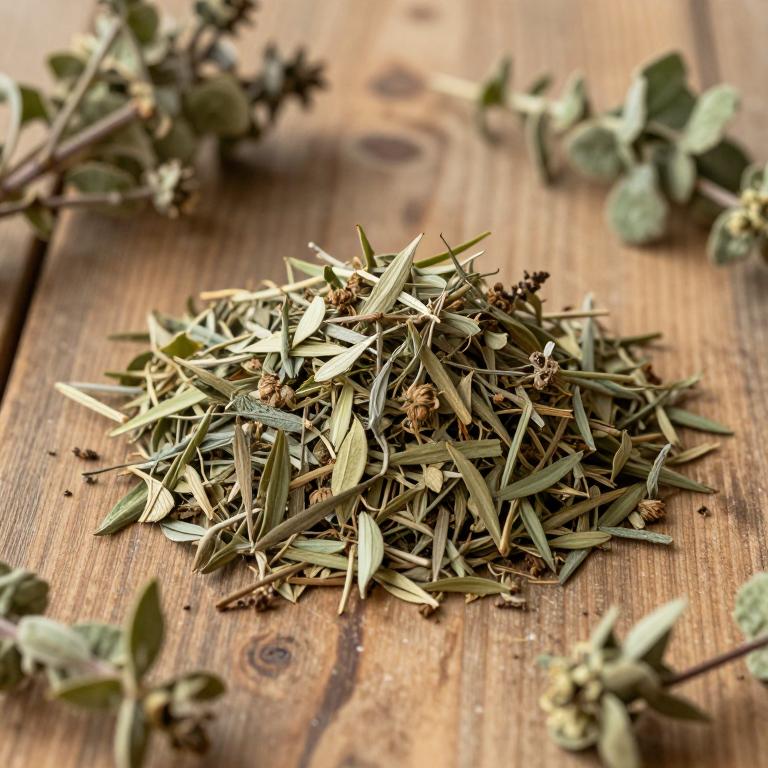
Ziziphora capitata is a distinctive aromatic herb known for its unique botanical characteristics and medicinal potential. This plant is chemically rich, containing a variety of bioactive compounds that contribute to its biological activities. Among its notable constituents are anthocyanins, which provide vibrant pigmentation and antioxidant properties. Additionally, the presence of coumarins and flavonoids enhances its complex chemical profile and therapeutic value. Understanding these specific chemical components is essential for exploring the full pharmacological potential of this species.
- Synonyms
- Cunila Capitata · Ziziphora Clinopodioides Var. Integrifolia
- Common names
- Not available
- Family
- Lamiaceae
- Distribution
- Not available
- Plant Parts
- Not available
Classification
Common Names
Ziziphora capitata is a versatile plant known by a wide variety of descriptive and regional names. It is frequently referred to as Field Basil or Anuk, depending on the local context. Botanists and enthusiasts may also identify it as Headed Ziziphora or Ovate-Leaved Ziziphora to highlight its specific physical characteristics. In certain linguistic contexts, it is even recognized by the name Ziziphora en tête. This diversity in nomenclature reflects the plant's widespread presence across different cultures and scientific studies.
Sources: Catalogue of Life (COL)
Synonyms
Ziziphora capitata is a botanical species that is frequently identified through various taxonomic designations. In many scientific records, it is recognized by its synonym, Cunila capitata. Additionally, the plant is also associated with the name Ziziphora clinopodioides var. integrifolia. These overlapping names reflect the complex evolving nature of botanical classification. Understanding these synonyms is essential for researchers seeking to accurately document the plant's identity.
Sources: The World Checklist of Vascular Plants (WCVP)
Taxonomy
Ziziphora capitata is a distinctive member of the kingdom Plantae. This botanical species is classified under the class Equisetopsida and belongs to the order Lamiales. Within this order, it is nested inside the prominent family Lamiaceae. Furthermore, the plant is specifically categorized under the genus Ziziphora. Through these systematic relationships, its unique place in the natural world is clearly defined.
| Rank | Classification |
|---|---|
| Kingdom | Plantae |
| Phylum | Streptophyta |
| Class | Equisetopsida |
| Subclass | Magnoliidae |
| Order | Lamiales |
| Family | Lamiaceae |
| Genus | Ziziphora |
Sources: The World Checklist of Vascular Plants (WCVP)
Distribution
Geographic Regions
Ziziphora capitata exhibits a broad geographical range that spans across two major continents. In Africa, this plant is specifically distributed throughout the northern regions of Algeria, Morocco, and Tunisia. Its presence extends into the Asia-Temperate zone, where it thrives within the Caucasus. More specifically, it can be found throughout the North Caucasus and the Transcaucasus regions. This diverse distribution highlights the plant's ability to adapt to various environments across both North Africa and Western Asia.
Sources: The World Checklist of Vascular Plants (WCVP)
Identification
Morphology
Ziziphora capitata is a self-supporting herb characterized by its compact and resilient structure. This small plant typically maintains a modest stature, reaching a maximum height of only 0.2 meters. Depending on its environmental conditions, its growth can be even more diminutive, with a minimum height of just 0.03 meters. Such a low-profile growth form allows it to thrive within its specific ecological niche.
Sources: Global Inventory of Floras and Traits (GIFT)
Biological Activities
Compounds
Ziziphora capitata is a member of the Lamiaceae family that possesses a diverse phytochemical profile. Through the use of UPLC-QTOF-MS/MS analysis, researchers have identified 57 different metabolites within its aerial parts. Specifically, the plant is known to contain important bioactive compounds such as flavonoids and anthocyanins. In addition to these, the chemical makeup of the species includes the presence of coumarins. These various secondary metabolites contribute to the plant's complex chemical identity and potential biological activities.