Zingiber barbatum
Zingiber barbatum · Accepted scientific name
Scientific literature: Very Sparse (2 studies) · ★☆☆☆☆
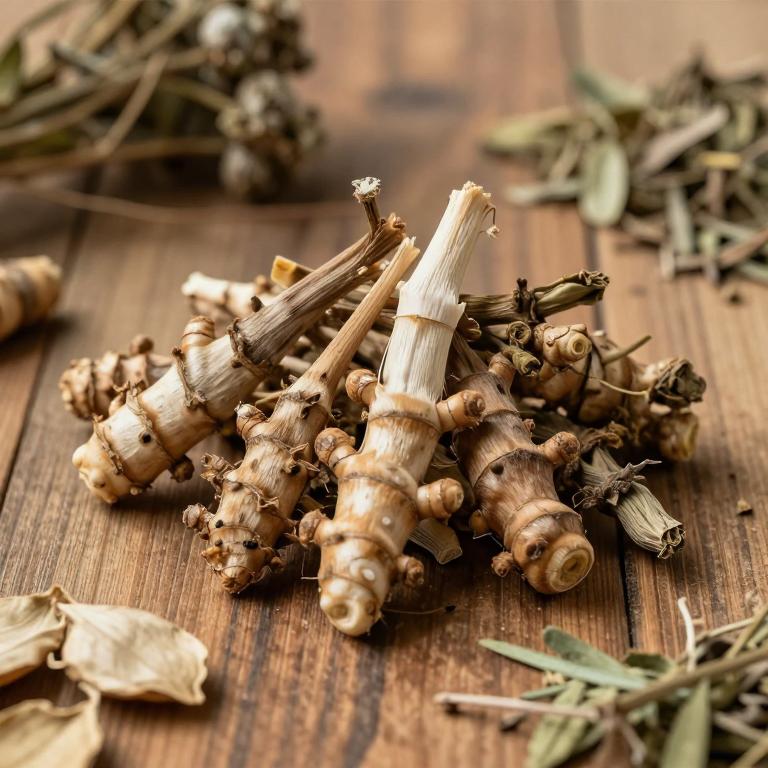
, scientifically known as Zingiber barbaatum, is a perennial herb belonging to the Zingiberaceae family. Often referred to as wild ginger, this aromatic plant is highly valued in traditional medicine for its potent bioactive compounds. It is widely utilized for its anti-inflammatory, antioxidant, and digestive-enhancing properties in various herbal remedies.
- Family
- Zingiberaceae
- Native range
- Asia-Tropical
- Parts used
- Not available
- Common names
- Not available
- Scientific synonyms
- Not available
Names and Synonyms
Scientific Names
Accepted name
Zingiber barbatumSources: Wikidata
Taxonomical Classification
This plant belongs to the kingdom Plantae and is classified under the phylum Streptophyta and class Equisetopsida. Within the subclass Magnoliidae, it is organized under the order Zingiberales and the family Zingiberaceae. Finally, its taxonomic identity is defined by the genus Zingiber.
| Rank | Classification |
|---|---|
| Kingdom | Plantae |
| Phylum | Streptophyta |
| Class | Equisetopsida |
| Subclass | Magnoliidae |
| Order | Zingiberales |
| Family | Zingiberaceae |
| Genus | Zingiber |
Sources: The World Checklist of Vascular Plants (WCVP)
Distribution
This plant, known scientifically as Zingiber barbaatum, possesses a specific and localized geographical range. Within the broader region of Indo-China, its presence is notably documented in specific territories. Specifically, the species can be found growing in the country of Myanmar. Furthermore, its distribution extends into the neighboring nation of Thailand. These two locations represent the primary areas where this medicinal plant is naturally situated.
| Region | Area |
|---|---|
| Indo-China | Myanmar |
| Indo-China | Thailand |
Sources: The World Checklist of Vascular Plants (WCVP)
Botanical Identification
Life history
The life history of Zingiber barbaatum is characterized by its classification as a geophyte, a life form that relies on underground storage organs to survive unfavorable environmental conditions. As a perennial herb, it spends much of its biological cycle utilizing its rhizomatous structure to store nutrients and water, allowing it to persist through periods of dormancy. The plant typically emerges from the soil during favorable growing seasons, developing lush, leafy foliage that facilitates photosynthesis and the accumulation of energy within its subterranean parts. This cyclical pattern of seasonal growth and underground persistence ensures its survival and ability to regenerate annually, making its life history a strategic adaptation to its specific ecological niche.
- Life form :
- geophyte
Morphology
The morphology of Zingiber barbaatum is characterized by a growth habit that is strictly terrestrial, lacking any epiphytic tendencies. As a non-climbing species, it does not exhibit any climbing behavior, remaining entirely self-supporting through its robust structural development rather than relying on obligatory or facultative climbing mechanisms. Furthermore, the plant is entirely independent in its nutritional requirements, functioning as a non-parasitic organism that does not rely on any host for survival.
- Climber :
- self-supporting
- Epiphyte :
- terrestrial
- Parasite :
- independent
Sources: Global Inventory of Floras and Traits (GIFT)
Chemicals
Zingiber barbatum has 2 reported phytochemicals identified across 0 scientific publications and several other databases. The most consistently reported chemicals include Monoterpenes, Sesquiterpenes.
| Chemical | Supporting sources | Consensus |
|---|---|---|
| Monoterpenes | 1 supporting sources | ★☆☆☆☆ |
| Sesquiterpenes | 1 supporting sources | ★☆☆☆☆ |
Monoterpenes
- Metabolites
Sesquiterpenes
- Metabolites