Zanthoxylum paracanthum
Zanthoxylum paracanthum · Accepted scientific name
Scientific literature: Very Sparse (9 studies) · ★☆☆☆☆
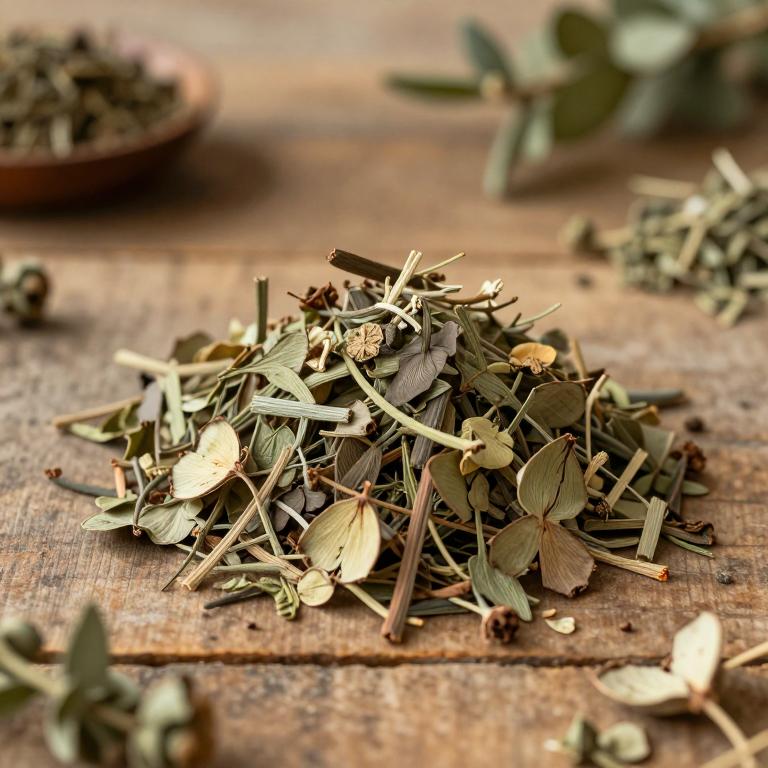
, scientifically known as Zanthoxylum paracanthum, is a significant medicinal shrub widely utilized in traditional Southeast Asian medicine. Renowned for its potent bioactive compounds, this plant is frequently employed to treat various ailments, including digestive issues, skin infections, and respiratory conditions, offering valuable therapeutic potential for modern pharmacology.
- Family
- Rutaceae
- Native range
- Africa
- Parts used
- Not available
- Common names
- Not available
- Scientific synonyms
- Fagara Paracantha
Names and Synonyms
Scientific Names
Accepted name
Zanthoxylum paracanthumSynonyms
- Fagara paracantha
Sources: Wikidata
Taxonomical Classification
This plant belongs to the kingdom Plantae and is classified under the phylum Streptophyta and the class Equisetopsida. Within the subclass Magnoliidae, it is further organized into the order Sapindales and the family Rutaceae. Finally, it is identified by its specific genus, Zanthoxylum.
| Rank | Classification |
|---|---|
| Kingdom | Plantae |
| Phylum | Streptophyta |
| Class | Equisetopsida |
| Subclass | Magnoliidae |
| Order | Sapindales |
| Family | Rutaceae |
| Genus | Zanthoxylum |
Sources: The World Checklist of Vascular Plants (WCVP)
Distribution
This plant, known scientifically as Zanthoxylum paracanthum, exhibits a specific distribution within the African continent. Its presence is documented within the region of East Tropical Africa. Specifically, the species can be found growing in the country of Kenya. Additionally, its geographical range extends into Tanzania. These locations represent the primary areas where this medicinal plant is naturally distributed.
| Region | Area |
|---|---|
| East Tropical Africa | Kenya |
| East Tropical Africa | Tanzania |
Sources: The World Checklist of Vascular Plants (WCVP)
Botanical Identification
Morphology
The morphology of Zanthoxylum paracanthum is characterized by a woody growth form, specifically classified as a tree. It is a self-supporting plant that reaches an average height of approximately 10 m. As a terrestrial species, it does not exhibit aquatic or epiphytic tendencies, maintaining an independent existence without relying on other organisms for survival.
- Aquatic :
- terrestrial
- Climber :
- self-supporting
- Epiphyte :
- terrestrial
- Growth form :
- tree
- Parasite :
- independent
- Plant height mean:
- 10 m
- Woodiness :
- woody
Sources: Global Inventory of Floras and Traits (GIFT)
Chemicals
Zanthoxylum paracanthum has 7 reported phytochemicals identified across 0 scientific publications and several other databases. The most consistently reported chemicals include 10-methoxycanthin-6-one, 8-Acetonyldihydrochelerythrine, Arnottianamide, Canthin-6-one, MYRISTIC ACID.
| Chemical | Supporting sources | Consensus |
|---|---|---|
| 10-methoxycanthin-6-one | 1 supporting sources | ★☆☆☆☆ |
| 8-Acetonyldihydrochelerythrine | 1 supporting sources | ★☆☆☆☆ |
| Arnottianamide | 1 supporting sources | ★☆☆☆☆ |
| Canthin-6-one | 1 supporting sources | ★☆☆☆☆ |
| MYRISTIC ACID | 1 supporting sources | ★☆☆☆☆ |
| STIGMASTEROL | 1 supporting sources | ★☆☆☆☆ |
| sesamin | 1 supporting sources | ★☆☆☆☆ |
10-methoxycanthin-6-one
- Plants (Basel, Switzerland)
8-Acetonyldihydrochelerythrine
- Plants (Basel, Switzerland)
Arnottianamide
- Plants (Basel, Switzerland)
Canthin-6-one
- Plants (Basel, Switzerland)
MYRISTIC ACID
- Plants (Basel, Switzerland)
STIGMASTEROL
- Plants (Basel, Switzerland)
sesamin
- Plants (Basel, Switzerland)
Activities
Zanthoxylum paracanthum has 2 reported activities identified across 0 scientific publications and several other databases. The most consistently reported activities include Antimicrobial, Antiproliferative.
| Activity | Supporting sources | Consensus |
|---|---|---|
| Antimicrobial | 1 supporting sources | ★☆☆☆☆ |
| Antiproliferative | 1 supporting sources | ★☆☆☆☆ |
Antimicrobial
- Plants (Basel, Switzerland)
Antiproliferative
- Plants (Basel, Switzerland)