Zanthoxylum armatum var. armatum
Zanthoxylum armatum var. armatum · Accepted scientific name
Scientific literature: Very Sparse (0 studies) · ★☆☆☆☆
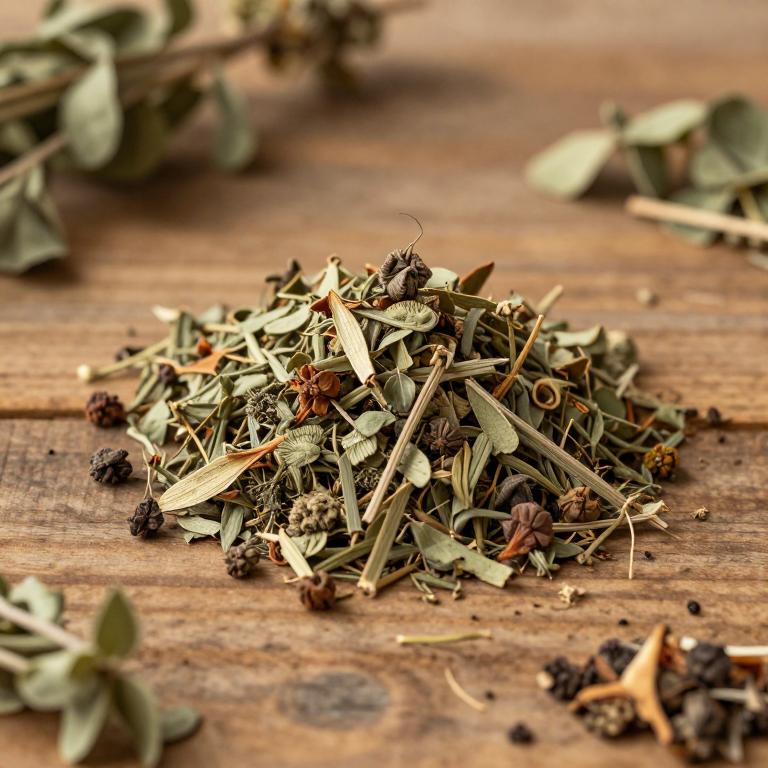
Zanthoxylum armatum var. armatum is a distinctive shrub known for its aromatic qualities and medicinal potential. This variety is easily identified by its unique foliage and the specialized structure of its leaves. The plant produces small, textured fruits that often carry a potent, numbing sensation. Both the leaves and the fruit are frequently utilized in traditional practices for their bioactive properties. Understanding the characteristics of this species provides valuable insight into its ecological and botanical significance.
- Synonyms
- Zanthoxylum Arenosum · Zanthoxylum Armatum Var. Subtrifoliatum · 4 more
- Common names
- Not available
- Family
- Rutaceae
- Distribution
- Not available
- Plant Parts
- Fruit · Leaf
Classification
Common Names
Zanthoxylum armatum var. armatum is a versatile plant recognized by several distinct common names. It is most frequently referred to as 竹叶椒, a name that highlights its botanical identity. Depending on the specific part of the plant being discussed, it may also be known as 竹叶椒根 when focusing on the roots. Furthermore, the name 竹叶花椒 is often used to describe the flowering aspects of the species. Understanding these different names helps enthusiasts identify the various components used in traditional applications.
Sources: Catalogue of Life (COL)
Synonyms
Zanthoxylum armatum var. armatum is a complex botanical entity that encompasses several recognized taxonomic synonyms. Within its classification, it is frequently identified by the name Zanthoxylum alatum. This relationship extends to specific variations such as Zanthoxylum alatum f. subtrifoliolatum and Zanthoxylum alatum var. planispinum. Additionally, the plant has been documented under the names Fagara alata var. tomentosa and Zanthoxylum arenosum. Understanding these overlapping identities is essential for accurate botanical study and documentation.
Sources: The World Checklist of Vascular Plants (WCVP)
Taxonomy
Zanthoxylum armatum var. armatum is a fascinating specimen belonging to the diverse kingdom Plantae. Within this vast biological realm, it is specifically classified under the class Equisetopsida. Its taxonomic journey continues through the order Sapindales, showcasing its evolutionary connections. Furthermore, this plant is a distinguished member of the genus Zanthoxylum. Finally, it finds its botanical home within the aromatic family Rutaceae.
| Rank | Classification |
|---|---|
| Kingdom | Plantae |
| Phylum | Streptophyta |
| Class | Equisetopsida |
| Subclass | Magnoliidae |
| Order | Sapindales |
| Family | Rutaceae |
| Genus | Zanthoxylum |
Sources: The World Checklist of Vascular Plants (WCVP)
Distribution
Geographic Regions
Zanthoxylum armatum var. armatum is a plant species widely distributed throughout various temperate regions of Asia. Its range extends through the Caucasus and the North Caucasus, marking a significant presence in these mountainous areas. Within China, the variety is found across diverse landscapes, including the North-Central, South-Central, and Southeast regions. It also thrives in the unique high-altitude environment of Tibet. This widespread distribution highlights the plant's adaptability to different temperate climates across the continent.
Sources: The World Checklist of Vascular Plants (WCVP)
Identification
Biological Activities
Compounds
Conditions
Preparations
Parts used
Zanthoxylum armatum var. armatum is a significant medicinal plant characterized by its distinct morphological components. Specifically, this variety possesses both the leaf and the fruit as essential biological parts. Understanding the genetic makeup of these specific organs is crucial for grasping the plant's overall physiological complexity. Research into such components helps clarify how different tissues contribute to the plant's medicinal properties. Ultimately, studying these anatomical relationships provides a foundation for future metabolic engineering and drug production.