Zamioculcas zamiifolia
Zamioculcas zamiifolia · Accepted scientific name
Scientific literature: Very Sparse (2 studies) · ★☆☆☆☆
, scientifically known as Zamioiculcas zamiifolia, is a resilient tropical plant commonly called the ZZ plant. Renowned for its waxy, dark green foliage, it is highly valued in indoor gardening. While primarily ornamental, it is studied in ethnobotany for its unique chemical properties and significant role in traditional herbal practices.
- Family
- Not available
- Native range
- Africa
- Parts used
- Leaf
- Common names
- Not available
- Scientific synonyms
- Not available
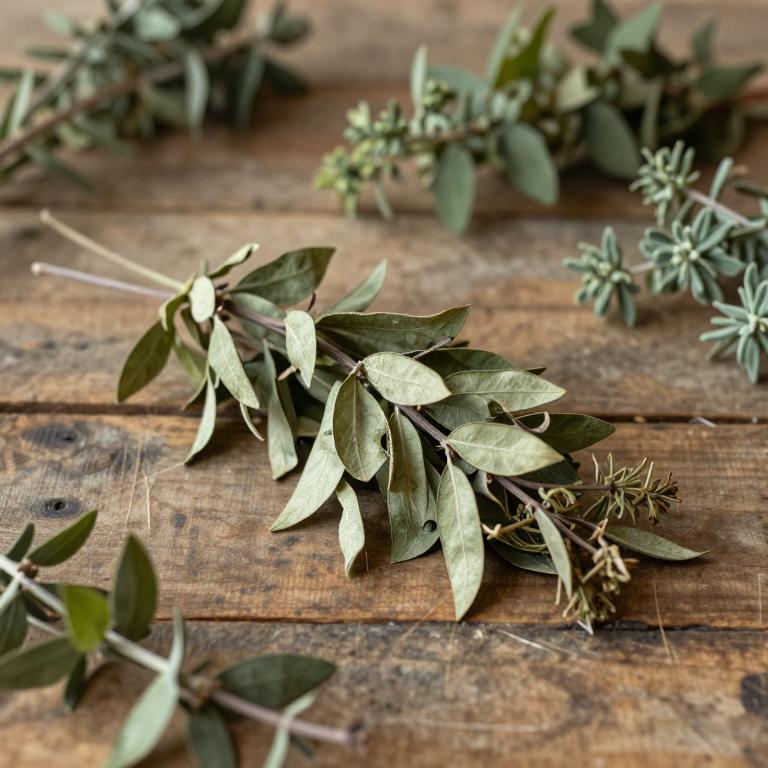
Names and Synonyms
Scientific Names
Accepted name
Zamioculcas zamiifoliaDistribution
This plant is primarily distributed across several key regions within the African continent. In East Tropical Africa, its presence is noted in the countries of Kenya and Tanzania. Moving toward the southern regions, the species also inhabits parts of South Tropical Africa. Specifically, it can be found growing in Malawi and Mozambique. Finally, its geographical range extends into the territory of Zimbabwe.
| Region | Area |
|---|---|
| East Tropical Africa | Kenya |
| East Tropical Africa | Tanzania |
| South Tropical Africa | Malawi |
| South Tropical Africa | Mozambique |
| South Tropical Africa | Zimbabwe |
| Southern Africa | KwaZulu-Natal |
Sources: The World Checklist of Vascular Plants (WCVP)
Botanical Identification
Ecology
The ecology of Zamioculcas zamiifolia is characterized by its occurrence in diverse environments ranging from humid and dry evergreen forests to brachystegia woodlands, dry wooded grasslands, bushland, and thickets, where it is often found growing on rocks. This species thrives within a relatively narrow altitudinal band, specifically occupying an elevational range between 8 m and 15 m AMSL.
- Elevational range max:
- 15 m AMSL
- Elevational range min:
- 8 m AMSL
- Habitat :
- humid and dry evergreen forest, brachystegia woodland, dry wooded grassland, bushland, thicket, often on rocks
Life history
The life history of Zamioculcas zamiifolia is characterized by its status as a perennial plant, meaning it maintains its vegetative structures and continues its life cycle over many years rather than completing it within a single growing season. In terms of its morphological growth strategy, it is classified as a hemicryptophyte, a life form where the perennating buds are located at the soil surface or just below it, protected by the substrate or leaf litter. This growth habit allows the plant to persist through varying environmental conditions by utilizing its underground storage organs to support the emergence of new foliage.
- Life form :
- hemicryptophyte
- Lifecycle :
- perennial
Morphology
The morphology of Zamioculcas zamiifolia is characterized by its growth form as a non-woody herb. As a terrestrial plant, it is neither aquatic nor epiphytic, maintaining an independent existence without parasitism. The plant is self-supporting rather than a climber, typically reaching a mean height of 0.5 m, though individual specimens may vary in stature with a minimum height of 0.34 m and a maximum height of 0.75 m.
- Aquatic :
- terrestrial
- Climber :
- self-supporting
- Epiphyte :
- terrestrial
- Growth form :
- herb
- Parasite :
- independent
- Plant height max:
- 0.75 m
- Plant height mean:
- 0.5 m
- Plant height min:
- 0.34 m
- Woodiness :
- non-woody
Sources: Global Inventory of Floras and Traits (GIFT)
Plant Parts
Zamioculcas zamiifolia has 1 reported plant parts identified across 1 scientific publications and several other databases that are studied for medicinal purposes. The most consistently reported plant part include leaf.
| Plant part | Supporting sources | Consensus |
|---|---|---|
| Leaf | 1 supporting sources | ★☆☆☆☆ |
Leaf
- Fitoterapia
Preparations
Zamioculcas zamiifolia has 1 reported preparations identified across 1 scientific publications and several other databases. The most consistently reported preparations include leaves and petioles.
| Preparation | Supporting sources | Consensus |
|---|---|---|
| Leaves and petioles | 1 supporting sources | ★☆☆☆☆ |
Leaves and petioles
- Fitoterapia