Xylopia langsdorffiana
Xylopia langsdorffiana · Accepted scientific name
Scientific literature: Very Sparse (4 studies) · ★☆☆☆☆
, scientifically known as Xylopia langsdorffiana, is a significant medicinal plant native to tropical regions. Belonging to the Annonaceae family, it is highly valued in traditional medicine for its potent bioactive compounds. Researchers study its leaves and bark for potential antimicrobial, anti-inflammatory, and antioxidant properties in modern pharmacology.
- Family
- Annonaceae
- Native range
- Southern America
- Parts used
- Stem
- Common names
- Not available
- Scientific synonyms
- Not available
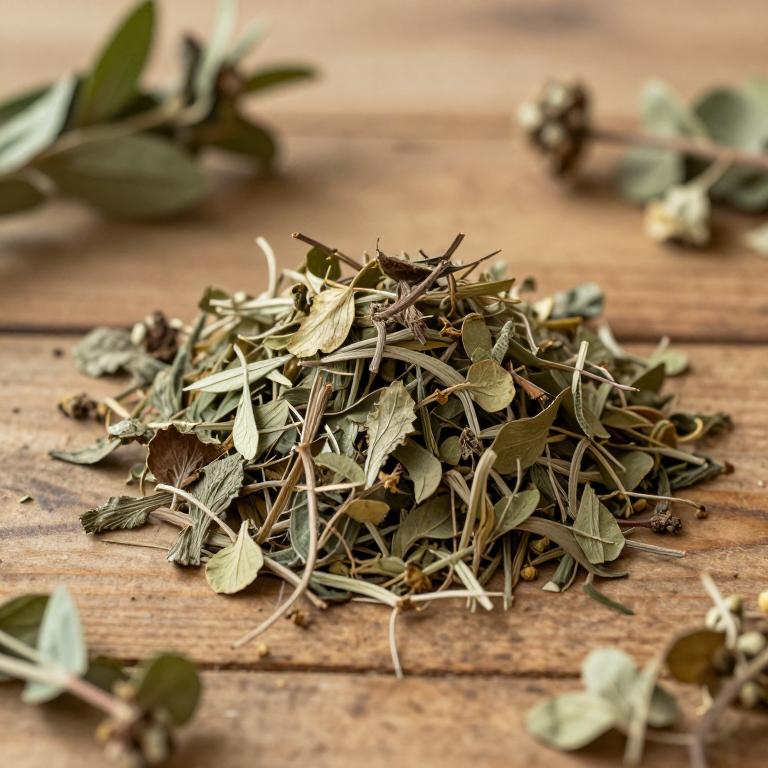
Names and Synonyms
Scientific Names
Accepted name
Xylopia langsdorffianaSources: Wikidata
Taxonomical Classification
This plant belongs to the kingdom Plantae and the phylum Streptophyta, falling under the class Equisetopsida and subclass Magnoliidae. Within the order Magnoliales, it is classified under the family Annonaceae. Finally, it is identified by the genus Xylopia, specifically as the species Xylopia langsdorffiana.
| Rank | Classification |
|---|---|
| Kingdom | Plantae |
| Phylum | Streptophyta |
| Class | Equisetopsida |
| Subclass | Magnoliidae |
| Order | Magnoliales |
| Family | Annonaceae |
| Genus | Xylopia |
Sources: The World Checklist of Vascular Plants (WCVP)
Distribution
This plant exhibits a broad geographical distribution across several key regions of Brazil. It is found within the diverse ecosystems of the Brazil Northeast region. Additionally, its presence extends into the Brazil Southeast area. The species is also documented to grow throughout the Brazil South territory. Consequently, these findings highlight the wide range of habitats this medicinal plant occupies within the country.
| Region | Area |
|---|---|
| Brazil | Brazil Northeast |
| Brazil | Brazil Southeast |
| Brazil | Brazil South |
Sources: The World Checklist of Vascular Plants (WCVP)
Plant Parts
Xylopia langsdorffiana has 1 reported plant parts identified across 1 scientific publications and several other databases that are studied for medicinal purposes. The most consistently reported plant part include stem.
| Plant part | Supporting sources | Consensus |
|---|---|---|
| Stem | 1 supporting sources | ★☆☆☆☆ |
Stem
- Journal of natural products
Chemicals
Xylopia langsdorffiana has 2 reported phytochemicals identified across 1 scientific publications and several other databases. The most consistently reported chemicals include LIMONENE, Xylodiol.
| Chemical | Supporting sources | Consensus |
|---|---|---|
| LIMONENE | 1 supporting sources | ★☆☆☆☆ |
| Xylodiol | 1 supporting sources | ★☆☆☆☆ |
LIMONENE
- Pharmaceutical biology
Xylodiol
- Journal of pharmaceutical and biomedical analysis
Activities
Xylopia langsdorffiana has 1 reported activities identified across 1 scientific publications and several other databases. The most consistently reported activities include Antineoplastic.
| Activity | Supporting sources | Consensus |
|---|---|---|
| Antineoplastic | 1 supporting sources | ★☆☆☆☆ |
Antineoplastic
- Journal of pharmaceutical and biomedical analysis