cocklebur
Xanthium · Accepted scientific name
Scientific literature: Very Sparse (5 studies) · ★☆☆☆☆
Cockleburs, scientifically known as Xanthium, is a genus of annual herbaceous plants recognized by their distinctive, prickly seed pods. While often viewed as agricultural weeds, various species hold significant ethnobotanical value. They are utilized in traditional medicine for their antioxidant, anti-inflammatory, and antimicrobial properties across diverse global cultures.
- Family
- Asteraceae
- Native range
- Europe
- Parts used
- Fruit
- Common names
- Cocklebur · Cockleburs · 1 more
- Scientific synonyms
- Xeranthium · Acanthoxanthium
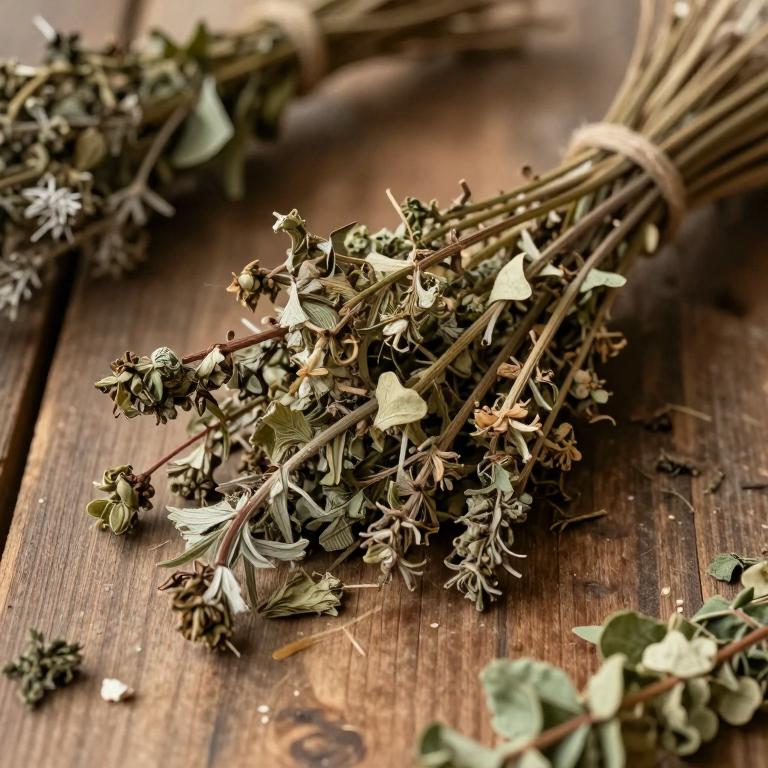
Names and Synonyms
Common Names
- cocklebur
- Cockleburs
- cuckleburs
Scientific Names
Accepted name
XanthiumSynonyms
- Xeranthium
- Acanthoxanthium
Regional and Traditional Names
Spanish:
- abrojos, bardana, arrancamoños, cardillos
German:
- Spitzkletten
- Pıtraq
- Spitzklette
- Spitzkletten
French:
- Pıtraq
- lampourde
Sources: Wikidata, Catalogue of Life
Taxonomical Classification
This plant belongs to the kingdom Plantae and the phylum Streptophyta, falling under the class Equisetopsida and subclass Magnoliidae. Within the order Asterales, it is classified under the family Asteraceae. It is specifically identified by the genus Xanthium.
| Rank | Classification |
|---|---|
| Kingdom | Plantae |
| Phylum | Streptophyta |
| Class | Equisetopsida |
| Subclass | Magnoliidae |
| Order | Asterales |
| Family | Asteraceae |
| Genus | Xanthium |
Sources: The World Checklist of Vascular Plants (WCVP)
Distribution
This plant exhibits a wide distribution across several regions of the European continent. In Northern Europe, its presence is documented in Denmark, Great Britain, and Ireland. Moving toward the center of the continent, the species can also be found throughout Middle Europe. Specifically, it is known to inhabit the landscapes of Austria. Additionally, its geographical reach extends to include Belgium within the Middle European region.
| Region | Area |
|---|---|
| Northern Europe | Denmark |
| Northern Europe | Great Britain |
| Northern Europe | Ireland |
| Middle Europe | Austria |
| Middle Europe | Belgium |
| Middle Europe | Czechia-Slovakia |
| Middle Europe | Germany |
| Middle Europe | Hungary |
| Middle Europe | Netherlands |
| Middle Europe | Poland |
Sources: The World Checklist of Vascular Plants (WCVP)
Plant Parts
Xanthium has 1 reported plant parts identified across 1 scientific publications and several other databases that are studied for medicinal purposes. The most consistently reported plant part include fruit.
| Plant part | Supporting sources | Consensus |
|---|---|---|
| Fruit | 1 supporting sources | ★☆☆☆☆ |
Fruit
- Zhongguo Zhong yao za zhi = Zhongguo zhongyao zazhi = China journal of Chinese materia medica
Activities
Xanthium has 4 reported activities identified across 1 scientific publications and several other databases. The most consistently reported activities include Antibacterial, Antifungal, Antioxidant, Hepatoprotective.
| Activity | Supporting sources | Consensus |
|---|---|---|
| Antibacterial | 1 supporting sources | ★☆☆☆☆ |
| Antifungal | 1 supporting sources | ★☆☆☆☆ |
| Antioxidant | 1 supporting sources | ★☆☆☆☆ |
| Hepatoprotective | 1 supporting sources | ★☆☆☆☆ |
Antibacterial
- Progress in the chemistry of organic natural products
Antifungal
- Progress in the chemistry of organic natural products
Antioxidant
- Progress in the chemistry of organic natural products
Hepatoprotective
- Progress in the chemistry of organic natural products
Preparations
Xanthium has 2 reported preparations identified across 1 scientific publications and several other databases. The most consistently reported preparations include crude extracts, plant extracts.
| Preparation | Supporting sources | Consensus |
|---|---|---|
| Crude extracts | 1 supporting sources | ★☆☆☆☆ |
| Plant extracts | 1 supporting sources | ★☆☆☆☆ |
Crude extracts
- Progress in the chemistry of organic natural products
Plant extracts
- Progress in the chemistry of organic natural products