Wendlandia heynei
Wendlandia heynei · Accepted scientific name
Scientific literature: Very Sparse (1 studies) · ★☆☆☆☆
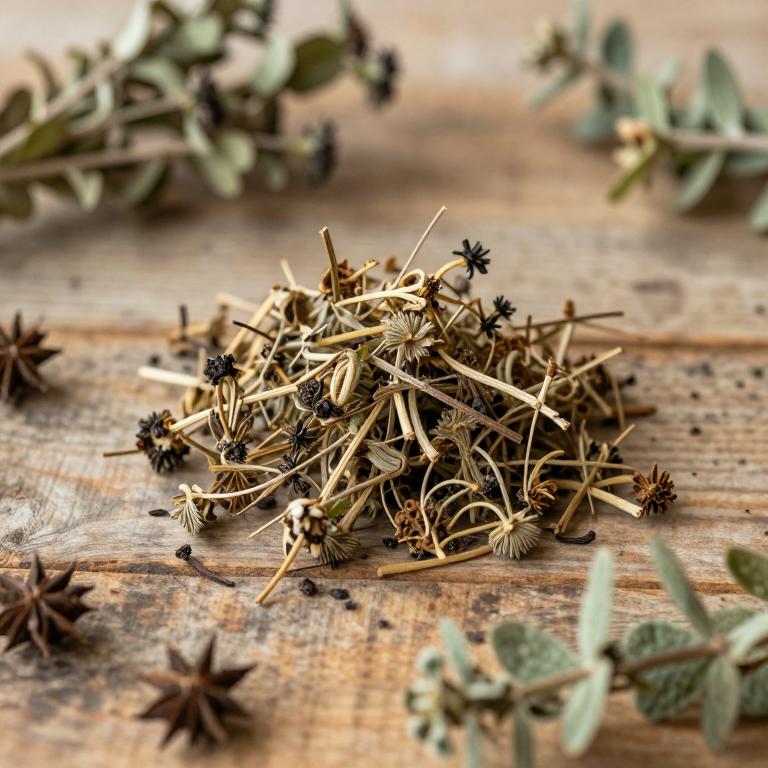
Wendlandia heynei is a versatile shrub native to the tropical regions of Asia. This plant is highly valued in traditional medicine for its diverse therapeutic properties. Among its most notable uses is its ability to provide significant analgesic relief to patients. By leveraging its natural compounds, practitioners utilize the plant to manage various types of pain. Understanding its medicinal potential offers valuable insights into the botanical resources available for healthcare.
- Synonyms
- Rondeletia Cinerea · Rondeletia Exserta · 5 more
- Common names
- Not available
- Family
- Not available
- Distribution
- Not available
- Plant Parts
- Not available
Classification
Common Names
Wendlandia heynei is a fascinating botanical species that is widely recognized by its common name, Tilman. This plant belongs to a unique group of shrubs that contribute significantly to local biodiversity. Known for its specific growth patterns, it serves as an important subject for researchers studying regional flora. Understanding the characteristics of Tilman helps enthusiasts better appreciate the complexity of natural ecosystems. By exploring the nuances of this species, one gains a deeper connection to the diverse world of plant life.
Sources: Catalogue of Life (COL)
Synonyms
Wendlandia heynei is a botanical species that has been subject to various taxonomic reclassifications over time. Throughout its scientific history, it has been associated with several synonyms originally placed within the genus Rondeletia. Specifically, this plant is linked to names such as Rondeletia cinerea and Rondeletia exserta. Other recognized synonyms include Rondeletia heynei and Rondeletia orissensis, highlighting its complex naming lineage. Finally, the species is also connected to the designation Rondeletia thyrsiflora in various botanical records.
Sources: The World Checklist of Vascular Plants (WCVP)
Distribution
Geographic Regions
Wendlandia heynei is a distinctive plant species primarily distributed throughout the tropical regions of Asia. It maintains a significant presence across the Indian Subcontinent, spanning various diverse landscapes. The species can be found flourishing in specific territories such as India and Bangladesh. Furthermore, its range extends into the mountainous terrains of the East and West Himalaya. This wide distribution also includes vital populations located within the country of Nepal.
Sources: The World Checklist of Vascular Plants (WCVP)
Identification
Morphology
Wendlandia heynei is a sturdy tree characterized by its impressive growth form. As a self-supporting species, it maintains its structural integrity and stands firmly within its natural habitat.
Sources: Global Inventory of Floras and Traits (GIFT)
Biological Activities
Wendlandia heynei belongs to a group of medicinal plants being studied for their significant therapeutic potential. Research into related species within the Rubiaceae family has highlighted the strong analgesic activity found in various plant extracts. Specifically, methanolic extracts from certain parts of these plants have demonstrated an ability to inhibit pain effectively. In comparative tests, these natural extracts showed impressive results, even surpassing the performance of standard drugs like aspirin. Such findings underscore the importance of exploring these botanical sources for developing effective pain management solutions.
Compounds
Conditions
Wendlandia heynei (identified in the text as W. exserta) demonstrates significant analgesic potential through its ability to treat pain induced by the acetic acid writhing method. The methanolic extracts of this plant provide satisfactory results in this model, specifically showing high inhibition rates in both the first and second phases. Additionally, the plant is effective in addressing pain evaluated via the hot plate test method. Its bark extract, in particular, shows peak analgesic activity during the 4.5h stage. These findings indicate that the plant serves as a potent natural alternative for managing pain across different experimental testing protocols.