Wendlandia glabrata
Wendlandia glabrata · Accepted scientific name
Scientific literature: Very Sparse (0 studies) · ★☆☆☆☆
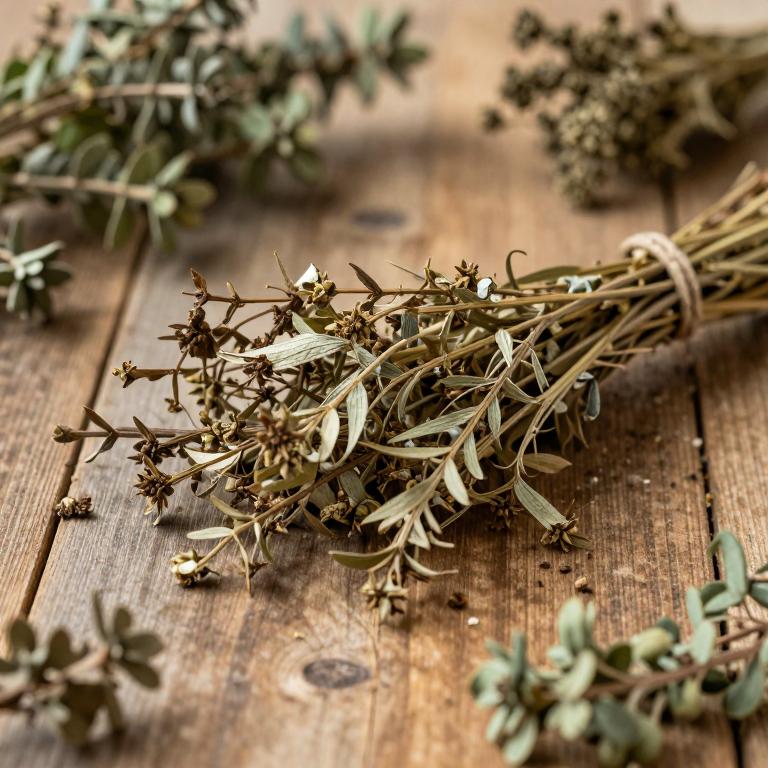
Wendlandia glabrata is a significant botanical species known for its unique biological properties and medicinal potential. Researchers frequently focus on this plant to explore its diverse chemical constituents and therapeutic applications. One of the primary methods used to isolate these active compounds involves the development of methanolic extracts. These preparations serve as a vital foundation for studying the plant's pharmacological impact on various biological systems. Through such focused investigations, the full medicinal value of Wendlandia glabrata can be better understood.
- Synonyms
- Not available
- Common names
- Not available
- Family
- Rubiaceae
- Distribution
- Southern America
- Plant Parts
- Not available
Classification
Taxonomy
Wendlandia glabrata is a distinctive botanical specimen classified within the kingdom Plantae. As a member of the class Equisetopsida, it exhibits complex structural characteristics typical of its group. This plant belongs to the specific genus Wendlandia, which distinguishes it from many other woody shrubs. Within this genus, it is further categorized under the order Gentianales. Ultimately, its taxonomic identity is solidified by its placement in the Rubiaceae family.
| Rank | Classification |
|---|---|
| Kingdom | Plantae |
| Phylum | Streptophyta |
| Class | Equisetopsida |
| Subclass | Magnoliidae |
| Order | Gentianales |
| Family | Rubiaceae |
| Genus | Wendlandia |
Sources: The World Checklist of Vascular Plants (WCVP)
Distribution
Geographic Regions
Wendlandia glabrata is a plant species with a broad distribution across the tropical regions of Asia. Within the Indian Subcontinent, it can be found growing in both Assam and Bangladesh. Its range also extends significantly into the Indo-China region. Specifically, the species is established in the landscapes of Cambodia, Myanmar, and Vietnam. This diverse geographical presence highlights its adaptability to various tropical environments throughout the continent.
Sources: The World Checklist of Vascular Plants (WCVP)
Identification
Morphology
Wendlandia glabrata is a self-supporting tree characterized by its sturdy and upright growth form. This species can reach an impressive maximum height of up to 30 meters in the wild. Its substantial stature allows it to stand prominently within its natural ecosystem.
Sources: Global Inventory of Floras and Traits (GIFT)
Biological Activities
Compounds
Conditions
Wendlandia glabrata demonstrates significant anti-diabetic potential through its ability to treat diabetes in experimental models. Specifically, the methanolic extracts of this plant exhibit potent $\alpha$-glucosidase inhibitory activity. In studies involving STZ induced diabetic rats, the extract was shown to effectively reduce blood glucose concentrations to near normal levels. This therapeutic effect was maintained for up to 14 days when the extract was administered 48 hours after the induction of diabetes. These findings provide scientific validation for the traditional use of Wendlandia glabrata as a remedy for managing diabetic conditions.
Preparations
Wendlandia glabrata is prepared as methanolic extracts to investigate its medicinal properties. These specific extracts were screened for their ability to inhibit α-glucosidase activity. In testing, the plant showed a significant inhibitory potency with an IC50 value of 1.67±0.33 µg mL(-1). When administered to STZ-induced diabetic rats, the extracts successfully reduced blood glucose concentrations to near-normal levels for up to 14 days. This preparation serves to provide scientific evidence supporting the traditional use of the plant in anti-diabetic remedies.