Weigela subsessilis
Weigela subsessilis · Accepted scientific name
Scientific literature: Very Sparse (0 studies) · ★☆☆☆☆
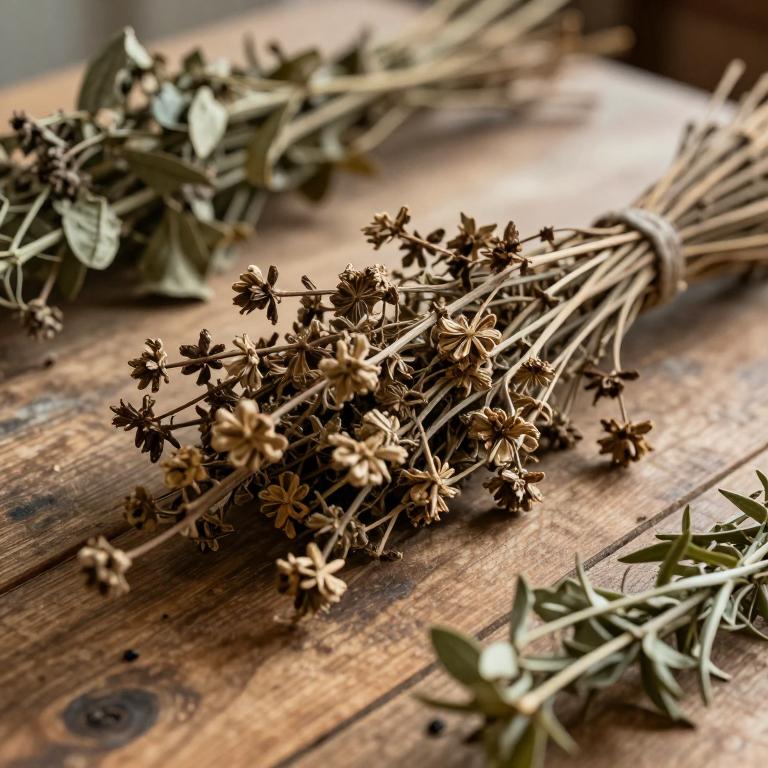
Weigela subsessilis is a distinctive deciduous shrub known for its unique botanical characteristics. The plant is defined by its slender stems that provide a graceful structure to its overall growth habit. Each stem supports a lush arrangement of leaves that contribute to its dense, ornamental appearance. These leaves serve as a vital component for the plant's energy production and seasonal aesthetic. Understanding the relationship between its stems and foliage is essential for identifying this specific species.
- Synonyms
- Diervilla Subsessilis · Diervilla Subsessilis Var. Mollis · 1 more
- Common names
- Not available
- Family
- Caprifoliaceae
- Distribution
- Southern America
- Plant Parts
- Leaf · Stem
Classification
Common Names
Weigela subsessilis is a versatile flowering shrub known by a diverse array of regional and common names. In Korea, it is frequently referred to as Byeongkotnamu or simply as the Korean weigela. The plant also holds distinct identities in different linguistic contexts, such as the name pasuunakotakuusama. Some botanical circles may also encounter variations like vajgela sediaca when identifying the species. Finally, it is recognized in Japan by its Japanese name, コウライウツギ.
Sources: Catalogue of Life (COL)
Synonyms
Weigela subsessilis is a plant that is frequently identified through various botanical synonyms in scientific literature. Depending on the classification system used, it may be referred to simply as Diervilla subsessilis. Some researchers also categorize the species under the specific variation known as Diervilla subsessilis var. mollis. Furthermore, the name Weigela subsessilis var. mollis appears as another recognized synonym for this particular taxon. Understanding these shifting nomenclatural relationships is essential for accurate identification in botanical studies.
Sources: The World Checklist of Vascular Plants (WCVP)
Taxonomy
Weigela subsessilis is a unique botanical specimen belonging to the kingdom Plantae. Within this vast kingdom, the plant is specifically classified under the class Equisetopsida. It further occupies a distinct position within the order Dipsacales. As a member of the Caprifoliaceae family, it shares characteristics with many well-known flowering shrubs. Ultimately, this species is identified by its specific genus, Weigela.
| Rank | Classification |
|---|---|
| Kingdom | Plantae |
| Phylum | Streptophyta |
| Class | Equisetopsida |
| Subclass | Magnoliidae |
| Order | Dipsacales |
| Family | Caprifoliaceae |
| Genus | Weigela |
Sources: The World Checklist of Vascular Plants (WCVP)
Distribution
Geographic Regions
Weigela subsessilis is a distinct species primarily found within the Asia-temperate regions. Its natural range is concentrated in Eastern Asia, where it thrives in specific ecological niches. Within this geographic scope, the plant is particularly noted for its presence in Korea. Understanding these specific distribution patterns is essential for botanists studying its habitat requirements. This localized occurrence highlights the unique environmental conditions that support its continued growth.
Sources: The World Checklist of Vascular Plants (WCVP)
Identification
Biological Activities
Compounds
Weigela subsessilis serves as a significant botanical source for various bioactive ursane-type triterpenoids. Scientific analysis of the plant's leaves and stems has successfully isolated several key compounds, including Asiatic acid and Corosolic acid. Furthermore, the chemical profile of this species is characterized by the presence of Esculentic acid. Researchers also identified the specific compounds Ilekedinol A and Ilekedinol B within its structure. These diverse chemical constituents contribute to the complex biological properties observed in the plant.
Conditions
Weigela subsessilis contains ursane-type triterpenoids that demonstrate significant anti-complement activity against the classical pathway of the complement system. Specifically, compounds such as weigelic acid and ursolic acid were found to effectively target this biological pathway. These isolated substances also serve to treat the hemolytic activity of human serum against erythrocytes. Research suggests that the presence of a carboxylic group within these triterpenoids plays a critical role in inhibiting such hemolytic reactions. Consequently, the plant offers potent bioactive components capable of modulating these specific immune responses.
Preparations
Parts used
Weigela subsessilis serves as a significant source of bioactive ursane-type triterpenoids within its botanical structure. Recent scientific investigations have successfully isolated several key compounds, including the novel weigelic acid, from the plant's various components. Researchers specifically focused their extraction processes on the leaf and stem to identify these medicinal substances. The compounds retrieved from these parts demonstrated notable anti-complementary activity against the classical pathway of the complement system. Ultimately, this study highlights how the chemical properties found in the leaf and stem of Weigela subsessilis may play a role in inhibiting hemolytic activity.