Warburgia
Warburgia · Accepted scientific name
Scientific literature: Very Sparse (0 studies) · ★☆☆☆☆
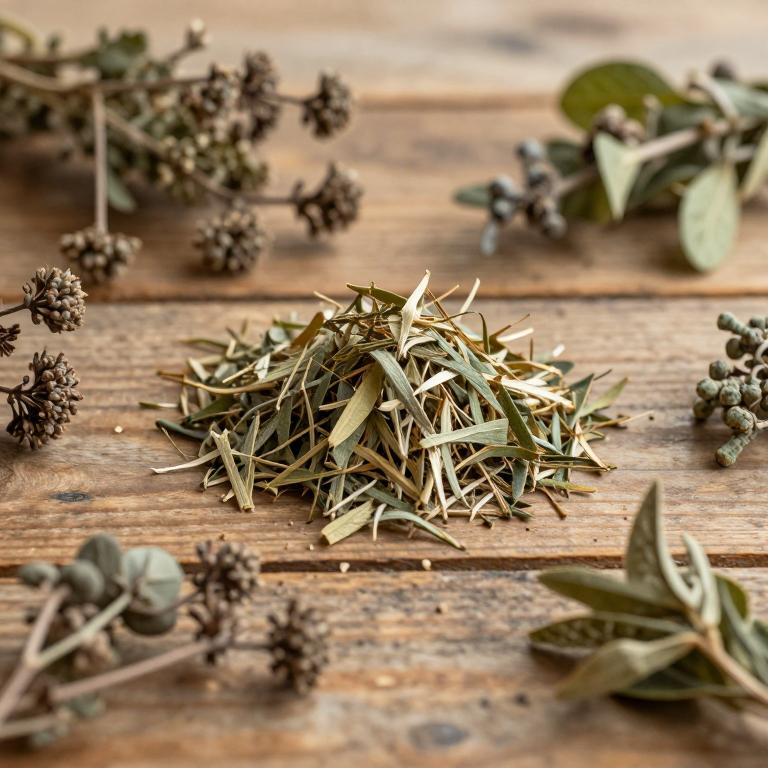
Warburgia is a versatile medicinal plant known for its potent therapeutic properties. It contains a diverse range of bioactive chemicals, including flavonoids, Mukaadial, Muzigadial, and Polygodial. These natural compounds allow the plant to be effectively used in various extracts to treat multiple ailments. It is particularly valued for its ability to combat bacterial infections, fungal infections, and fever. Additionally, this plant serves as a natural remedy for relieving persistent headaches.
- Synonyms
- Chibaca · Dawea
- Common names
- Not available
- Family
- Canellaceae
- Distribution
- Not available
- Plant Parts
- Not available
Classification
Common Names
Warburgia is a botanical genus that is recognized by various names across different linguistic traditions. In English-speaking regions, it is widely referred to by the common name Warburgia. This name is also transliterated into Cyrillic as Варбургия to accommodate different scripts. Furthermore, the plant is identified in Chinese botanical contexts as 十數樟屬. Understanding these diverse naming conventions is essential for accurate global communication regarding this species.
Sources: Catalogue of Life (COL)
Synonyms
Warburgia is a botanical genus that is frequently subject to various taxonomic reclassifications in scientific literature. Within these studies, the plant is often identified by its recognized synonyms, such as Chibaca. Researchers may also encounter the name Dawea when documenting the same species in different contexts. Understanding these nomenclature shifts is essential for accurate botanical identification and communication. Recognizing these relationships ensures that scientists can maintain consistency when discussing this diverse group of plants.
Sources: The World Checklist of Vascular Plants (WCVP)
Taxonomy
Warburgia is a unique botanical specimen that belongs to the kingdom Plantae. Within this vast kingdom, it is classified under the class Equisetopsida. The plant further falls into the order Canellales, showcasing its specific evolutionary lineage. It is a member of the family Canellaceae, which helps define its biological characteristics. Finally, this plant is distinguished by its own specific genus, known as Warburgia.
| Rank | Classification |
|---|---|
| Kingdom | Plantae |
| Phylum | Streptophyta |
| Class | Equisetopsida |
| Subclass | Magnoliidae |
| Order | Canellales |
| Family | Canellaceae |
| Genus | Warburgia |
Sources: The World Checklist of Vascular Plants (WCVP)
Distribution
Geographic Regions
Warburgia exhibits a widespread distribution throughout the African continent, spanning various tropical regions. Its presence is particularly notable across East Tropical Africa, where it can be found in Kenya, Tanzania, and Uganda. The species also extends into Northeast Tropical Africa, specifically within the borders of Ethiopia. Additionally, its range reaches into South Tropical Africa, with documented occurrences in Malawi. This diverse geographical footprint highlights the plant's adaptability to different African ecosystems.
Sources: The World Checklist of Vascular Plants (WCVP)
Identification
Biological Activities
Compounds
Warburgia is a genus of medicinal trees native to Africa that possesses a complex phytochemical profile. The biological activities of these species are largely driven by the presence of various drimane sesquiterpenoids and flavonoids. Specifically, the plant contains key bioactive compounds such as polygodial and warburganal. Research also indicates that mukaadial and muzigadial are integral components found within the genus. Together, these diverse chemical constituents contribute to the plant's traditional use as a potent natural antibiotic.
Conditions
Warburgia species serve as important natural antibiotics that are used to treat various bacterial infections. These medicinal trees are also extensively utilized in traditional healing practices to combat fungal infections. Additionally, the extracts are effective in treating protozoal infections in both humans and animals. Beyond fighting pathogens, the plant is used to alleviate physical symptoms such as fever. It is also frequently employed as a remedy to treat headaches.
Preparations
Warburgia is prepared as extracts that serve as vital components in traditional African healing practices. These botanical preparations are utilized extensively to treat various fungal, bacterial, and protozoal infections in both humans and animals. Beyond their role as natural antibiotics, the extracts are applied to alleviate diverse ailments such as stomach aches, fevers, and headaches. The biological efficacy of these preparations is largely attributed to specific chemical compounds like drimane sesquiterpenoids and flavonoids. Consequently, these extracts remain highly valued medicinal resources within the diverse species of the genus.