Waltheria viscosissima
Waltheria viscosissima · Accepted scientific name
Scientific literature: Very Sparse (0 studies) · ★☆☆☆☆
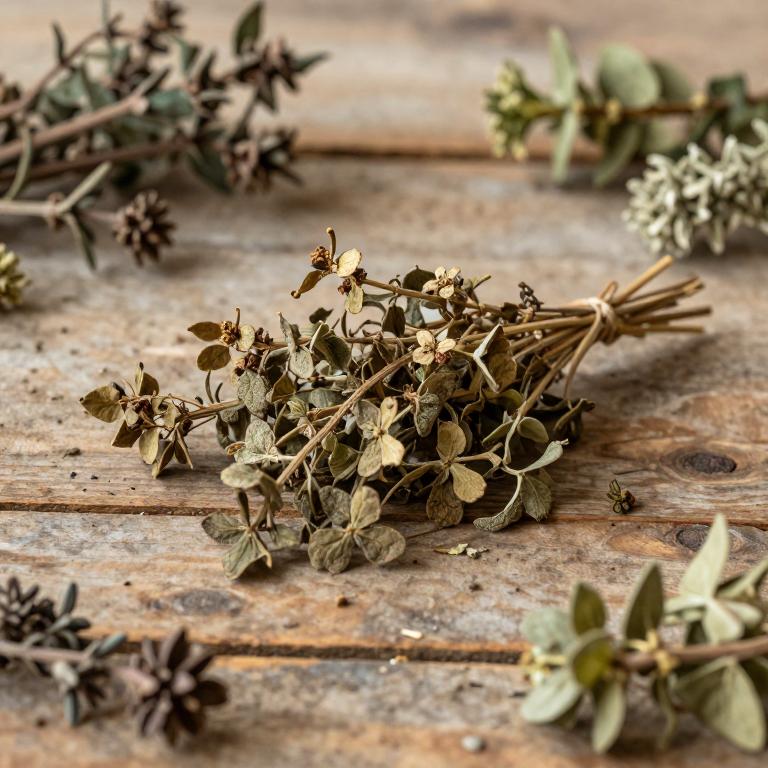
Waltheria viscosissima is a resilient shrub native to the tropical regions of the Caribbean and coastal areas. While it is often studied for its various medicinal properties, its physiological effects on the cardiovascular system must be approached with caution. Specifically, certain compounds within the plant may contribute to medical complications such as bradycardia. Furthermore, the consumption of this species can potentially lead to a dangerous drop in blood pressure, known as hypotension. Understanding these risks is essential for anyone exploring the botanical applications of this plant.
- Synonyms
- Waltheria Machrisiana · Waltheria Hirsuta · 1 more
- Common names
- Not available
- Family
- Malvaceae
- Distribution
- Not available
- Plant Parts
- Not available
Classification
Synonyms
Waltheria viscosissima is a complex botanical subject that has historically been documented under several different names. Scientific literature identifies Waltheria hirsuta as a known synonym for this particular species. Additionally, researchers have previously classified it under the name Waltheria machrisiana. The plant is also linked to the synonym Waltheria tubiflora in various taxonomic records. Understanding these various nomenclatures is essential for accurate identification within the plant kingdom.
Sources: The World Checklist of Vascular Plants (WCVP)
Taxonomy
Waltheria viscosissima belongs to the vast kingdom Plantae, representing a diverse group of multicellular organisms. Within this kingdom, it is classified under the class Equisetopsida. This plant further belongs to the order Malvales, which helps define its evolutionary lineage. It is a member of the family Malvaceae, a group known for its distinct botanical characteristics. Ultimately, this species is identified by its specific genus, Waltheria.
| Rank | Classification |
|---|---|
| Kingdom | Plantae |
| Phylum | Streptophyta |
| Class | Equisetopsida |
| Subclass | Magnoliidae |
| Order | Malvales |
| Family | Malvaceae |
| Genus | Waltheria |
Sources: The World Checklist of Vascular Plants (WCVP)
Distribution
Geographic Regions
Waltheria viscosissima exhibits a wide geographical range that spans across multiple continents. In North America, the species is commonly distributed throughout various regions of Mexico, including its Northwest and Southwest territories. Its presence extends significantly into South America, where it thrives within the diverse landscapes of Brazil. Within Brazil, the plant can be found in the northern, northeastern, and southeastern regions. This expansive distribution highlights the plant's ability to adapt to various environmental conditions across the Americas.
Sources: The World Checklist of Vascular Plants (WCVP)
Identification
Morphology
Waltheria viscosissima grows in a distinct shrub form, providing structure to its natural habitat. As a self-supporting plant, it maintains its own upright posture without the need for external assistance.
Sources: Global Inventory of Floras and Traits (GIFT)
Biological Activities
Compounds
Conditions
Waltheria viscosissima induces significant dose-dependent hypotension and bradycardia in normotensive rats. The hydrobutanol extract of this plant is also capable of inducing second and third degree sinoatrial and atrioventricular blockade. Furthermore, the extract demonstrates the ability to antagonize the contractile effects of noradrenaline in isolated rat aortic rings. These observed cardiovascular actions are likely mediated through the stimulation of cardiac and endothelial muscarinic receptors. Overall, the plant's hydrobutanol phase exerts these specific effects on heart rate, blood pressure, and vascular contraction.