Vogtia microphylla
Vogtia microphylla · Accepted scientific name
Scientific literature: Very Sparse (0 studies) · ★☆☆☆☆
Vogtia microphylla is a unique botanical species recognized for its distinct chemical profile and biological properties. Scientific investigations have identified several significant compounds within the plant, including Hydroxyachillin and 5,3'-dihydroxy-4'-methoxy-7-carbomethoxyflavonol. Furthermore, the presence of specialized secondary metabolites such as Centaureidin and Ermanin distinguishes this taxon from its relatives. These chemical constituents offer valuable insights into the plant's metabolic pathways and potential pharmacological applications. Understanding these complex compounds is essential for exploring the full ecological and medicinal significance of the species.
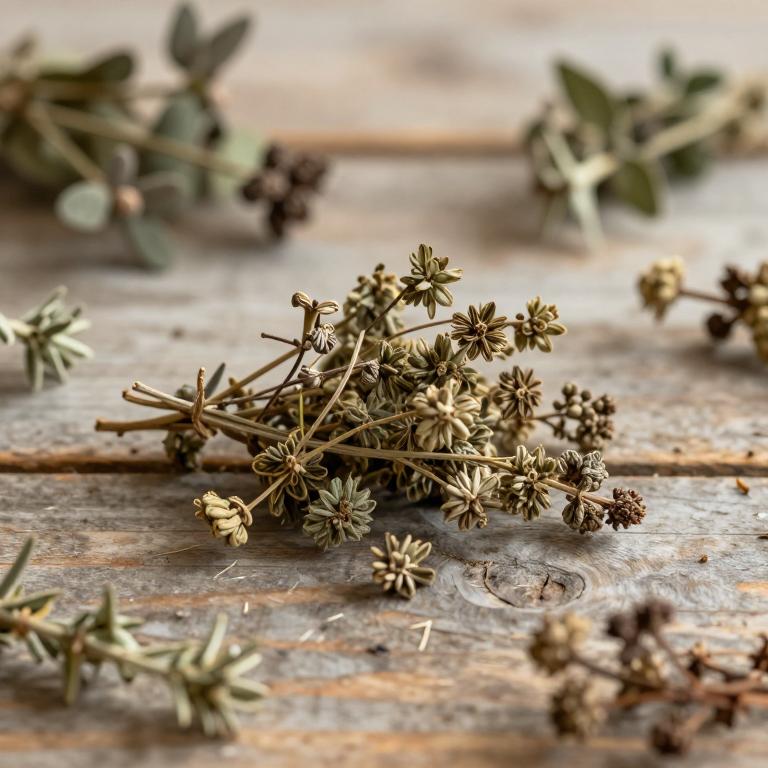
- Synonyms
- Chrysanthemum Microphyllum · Tanacetum Microphyllum
- Common names
- Not available
- Family
- Asteraceae
- Distribution
- Not available
- Plant Parts
- Not available
Classification
Synonyms
Vogtia microphylla is a botanical species that has been documented under several different scientific names throughout history. Taxonomists have previously identified this plant using the synonym Chrysanthemum microphyllum. Additionally, it has been classified in botanical records as Tanacetum microphyllum. These varying designations reflect the evolving nature of plant classification and nomenclature. Understanding these synonymous relationships is essential for researchers tracking the plant's lineage.
Sources: The World Checklist of Vascular Plants (WCVP)
Taxonomy
Vogtia microphylla is a unique botanical specimen belonging to the kingdom Plantae. This plant is classified under the class Equisetopsida and falls within the specific order Asterales. As a member of the diverse family Asteraceae, it showcases the complex traits characteristic of its lineage. It is further defined by its membership in the genus Vogtia, which distinguishes it from other related species. Together, these taxonomic relationships highlight the precise biological identity of this remarkable organism.
| Rank | Classification |
|---|---|
| Kingdom | Plantae |
| Phylum | Streptophyta |
| Class | Equisetopsida |
| Subclass | Magnoliidae |
| Order | Asterales |
| Family | Asteraceae |
| Genus | Vogtia |
Sources: The World Checklist of Vascular Plants (WCVP)
Distribution
Geographic Regions
Vogtia microphylla is a distinctive plant species found within the diverse landscapes of Europe. Its presence is particularly noted throughout the region of Southwestern Europe, where it thrives in specific ecological niches. Within this territory, the plant maintains a notable distribution across the country of Portugal. It is also frequently documented throughout the varied terrains of Spain. These geographic patterns highlight the specific environmental requirements that define its natural range.
Sources: The World Checklist of Vascular Plants (WCVP)
Identification
Biological Activities
Compounds
Vogtia microphylla, also known by its synonym Tanacetum microphyllum, serves as a rich source of several bioactive chemical compounds. Research has identified that this plant contains the sesquiterpene lactone hydroxyachillin, which exhibits notable anti-inflammatory properties. In addition to this lactone, the plant is characterized by the presence of specific flavonoids such as centaureidin. The chemical profile is further enriched by the inclusion of ermanin and santin within its extracts. Together, these various constituents contribute to the complex pharmacological potential of the species.
Conditions
Vogtia microphylla exhibits significant anti-inflammatory activity through its various extracted compounds. Specifically, certain constituents like hydroxyachillin and specific flavonoids demonstrate the ability to treat PGE2- and LTC4-release. The plant also plays a role in treating arachidonic acid metabolism within cellular systems. Furthermore, its compounds are effective in treating the release of TXB2 from ionophore-stimulated human platelets. These combined biochemical actions highlight the therapeutic potential of the species in modulating inflammatory pathways.