Vitex
Vitex · Accepted scientific name
Scientific literature: Very Sparse (2 studies) · ★☆☆☆☆
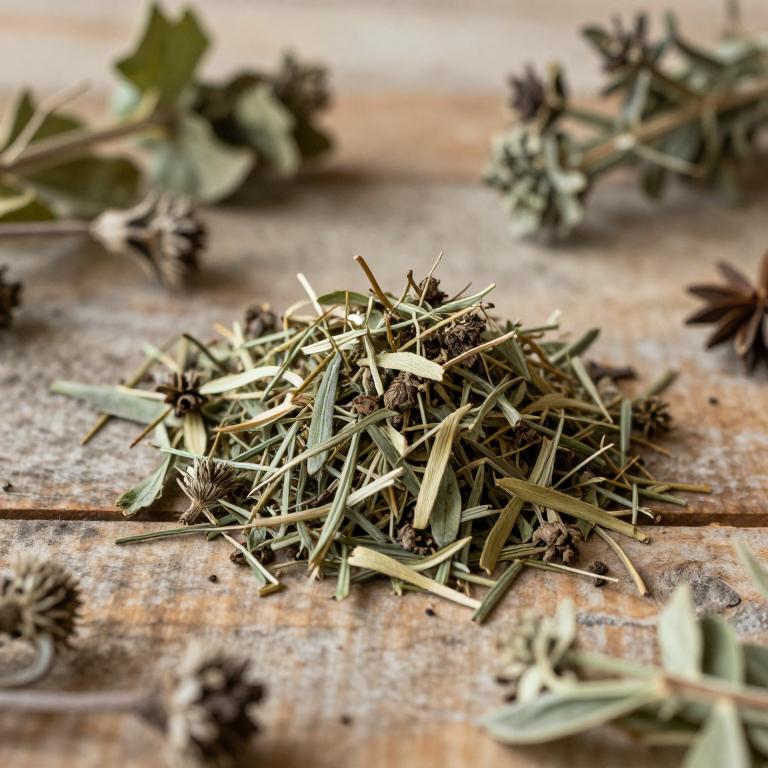
Vitex is a versatile plant known for its significant biological properties, including potent analgesic and antifungal activities. The medicinal potential of this species is primarily derived from its leaves and fruits. These plant parts are rich in bioactive chemical compounds, specifically flavonoids and iridoids. Researchers commonly utilize various preparations to study its effects, such as aqueous and alcoholic extracts. Depending on the specific application, studies may focus on alcoholic extracts, aqueous extracts, or a combination of both.
- Synonyms
- Agnus-Castus · Casarettoa · 17 more
- Common names
- Not available
- Family
- Lamiaceae
- Distribution
- Australasia
- Plant Parts
- Leaf · Fruit
Classification
Common Names
Vitex is a diverse genus of plants known by several distinct regional and descriptive names. In many English-speaking areas, it is widely recognized by the common names Chaste-tree or Chastetrees. Some botanical enthusiasts also refer to these specimens as Fingerleaf Trees due to their unique foliage. Beyond English, the genus carries different titles such as Kyskhedstræ-slægten in certain European contexts. Finally, it is also identified by the name Vitekso in other parts of the world.
Sources: Catalogue of Life (COL)
Synonyms
Vitex is a botanical genus that is frequently identified through various historical and scientific synonyms. Within taxonomic literature, it is often referred to as Agnus-castus or Allasia. Researchers may also encounter the plant under the alternative names Casarettoa and Chrysomallum. Additionally, the name Limia serves as another recognized synonym for this diverse group. Understanding these different nomenclatures is essential for accurately identifying the plant across various botanical records.
Sources: The World Checklist of Vascular Plants (WCVP)
Taxonomy
Vitex belongs to the vast kingdom Plantae, representing a diverse group of multicellular organisms. Within this biological realm, it is classified under the class Equisetopsida. The plant further falls into the order Lamiales, which helps define its evolutionary lineage. It is a distinguished member of the family Lamiaceae, often sharing characteristics with other aromatic herbs. Finally, its specific identity is established within the genus Vitex.
| Rank | Classification |
|---|---|
| Kingdom | Plantae |
| Phylum | Streptophyta |
| Class | Equisetopsida |
| Subclass | Magnoliidae |
| Order | Lamiales |
| Family | Lamiaceae |
| Genus | Vitex |
Sources: The World Checklist of Vascular Plants (WCVP)
Distribution
Geographic Regions
Vitex exhibits a broad geographical footprint across the African continent, showing significant presence in several key regions. Its distribution is particularly notable throughout East Tropical Africa, where it can be found thriving in Kenya, Tanzania, and Uganda. The species also extends into Northeast Tropical Africa, specifically within the territory of Chad. Beyond the main continental landmass, its range reaches as far as the Middle Atlantic Ocean on the island of Ascension. This diverse spread highlights the plant's ability to adapt to various ecological niches across the African landscape.
Sources: The World Checklist of Vascular Plants (WCVP)
Identification
Biological Activities
Vitex has demonstrated a versatile range of medicinal properties, most notably through its documented analgesic and antifungal activities. Research into bioactive compounds like Vitexicarpin shows that this substance possesses significant analgesic properties that contribute to its broader therapeutic potential. Beyond pain management, studies on Vitex agnus-castus extracts reveal a potent antifungal effect against clinical isolates of Candida albicans. Specifically, both aqueous and alcoholic extracts of the plant have shown the ability to inhibit fungal growth, offering a possible natural alternative for treating infections. These diverse biological activities highlight the significant pharmacological importance of Vitex in modern medicinal research.
Compounds
Vitex species are recognized for their diverse phytochemistry, containing a wide range of bioactive secondary metabolites. Chemical analyses have identified that the genus contains iridoid and flavonoid compounds, which contribute to its significant medicinal value. Detailed profiling of the extracts also reveals the presence of hexadecanoic acid and benzene within the plant's chemical makeup. Furthermore, specific natural products such as negundoside have been identified, demonstrating notable antimicrobial activity against various pathogens. These complex chemical relationships highlight the potential of the Vitex genus as a vital source for developing new therapeutic agents.
Conditions
Vitex is identified as one of several medicinal plants used for centuries to alleviate the various symptoms associated with menstruation and menopause. This plant belongs to a group of estrogenic botanicals that offer therapeutic alternatives to traditional hormone replacement therapy. By providing estrogenic effects, it helps target the physiological changes experienced during these reproductive stages. Its inclusion in pharmacological research highlights its potential to mitigate the discomforts linked to estrogen deficiency. Consequently, Vitex serves as a significant natural option for managing the transition through menopause and menstrual irregularities.
Preparations
Vitex is prepared as alcoholic and aqueous extracts to evaluate its antifungal activity against clinical isolates of Candida albicans. Research specifically demonstrates that Vitex is prepared as an alcoholic extract, which has shown greater effectiveness than other forms in certain antifungal tests. Additionally, Vitex is prepared as an aqueous extract for use in comparative antimicrobial studies. Beyond liquid extracts, the plant is also prepared as a capsule for various medicinal interventions. These diverse preparation methods allow for the study of Vitex in different pharmaceutical formats, including tablets and oral drops.
Parts used
Vitex species, commonly known as the chaste tree, possess various parts that are utilized for their diverse medicinal properties. Both the leaves and the fruits of the plant have been employed in traditional herbal remedies since ancient times. Specifically, leaf extracts have been studied for their potent antifungal activity against clinical isolates of Candida albicans. Furthermore, the fruits of the Vitex tree are frequently used in the preparation of decoctions and dried medicinal forms. These biological components contribute to the plant's wide range of pharmacological benefits, including anti-inflammatory and antioxidant effects.